
Scene In Worcestershire — History & Facts
In the landscape of nature, transformation is the quiet yet powerful thread that binds all experiences. Look to the horizon, where gentle hills melt into the soft azure sky, punctuated by the delicate strokes of sunlight filtering through the trees. Notice how the artist’s palette dances between muted greens and earthy browns, creating a serene yet vibrant atmosphere. The composition draws the eye along the meandering river, inviting us to explore the intricate details of both water and foliage.
Each brushstroke seems intentional, as if whispering secrets of the land’s history and inviting viewers to linger in this moment of tranquil beauty. Beneath the surface tranquility lies a subtle tension, a contrast between the idyllic scene and the impermanence of nature. The river, flowing steadily, symbolizes the passage of time, while the lush greenery represents both life and vulnerability. In the background, fragile clouds hint at possible storms, serving as a reminder of the duality within our own lives—how beauty often coexists with uncertainty and change.
Each element works harmoniously, revealing that transformation can be both a gentle unfolding and a fierce reckoning. Created around the late 18th century, this piece was painted during a period when Sandby was establishing himself as a pioneer of English landscape art. Living in a time of shifting artistic movements, he embraced naturalism, capturing the essence of the English countryside while reflecting a growing appreciation for landscape as a subject. His era was marked by exploration and change, mirroring the very transformations depicted in his work.
More Artworks by Paul Sandby
Browse all →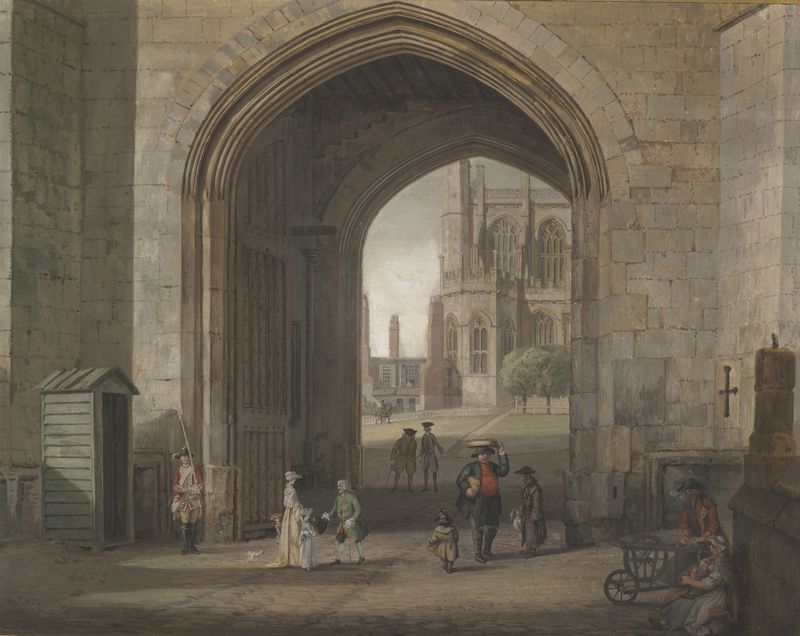
The Tower Gate at Windsor Castle
Paul Sandby

A Distant View of Maidstone, from Lower Bell Inn, Boxley Hill
Paul Sandby
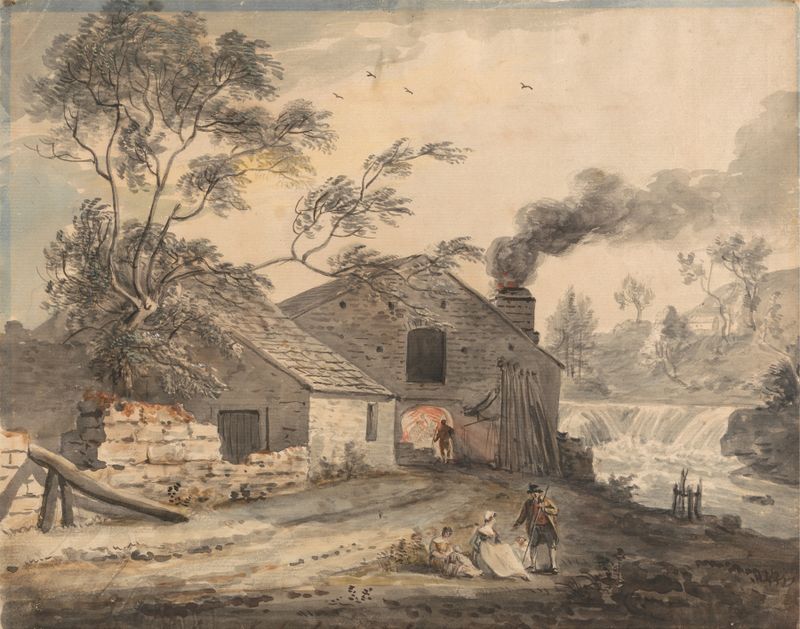
Iron Forge on the River Kent, Westmorland
Paul Sandby
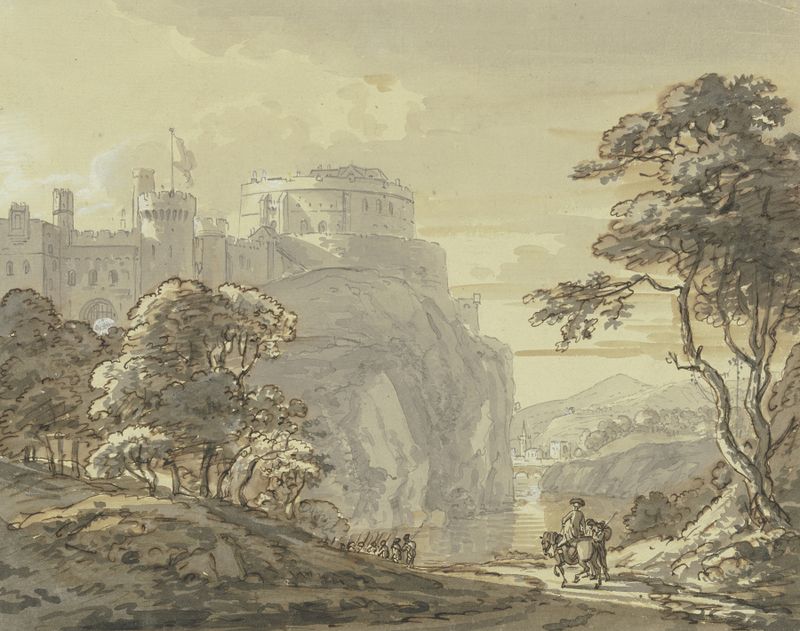
View of Windsor Castle
Paul Sandby

Hackwood Park, Hampshire
Paul Sandby

Roslin Castle, Midlothian
Paul Sandby
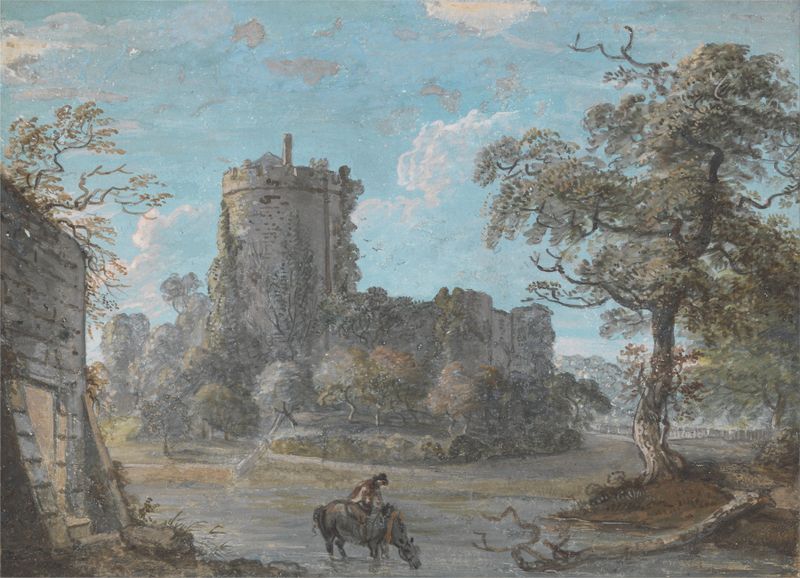
The Entrance to Chepstow Castle
Paul Sandby
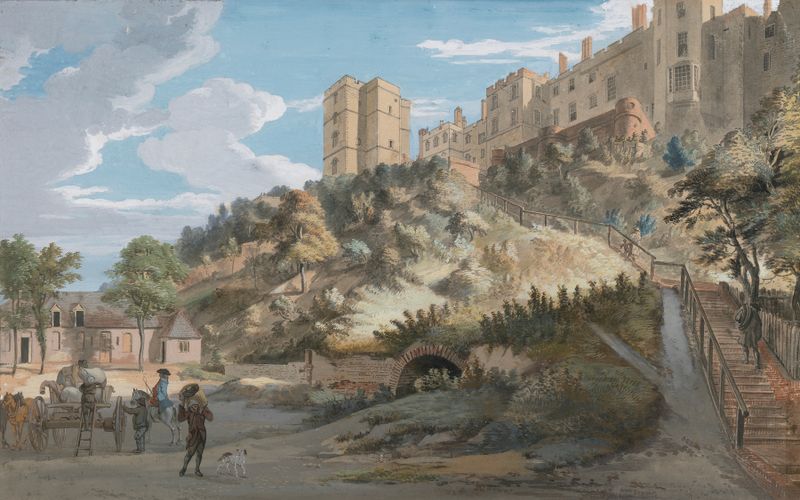
The Hundred Steps and Winchester Tower, Windsor Castle, Berkshire
Paul Sandby

Brook End, Essex
Paul Sandby
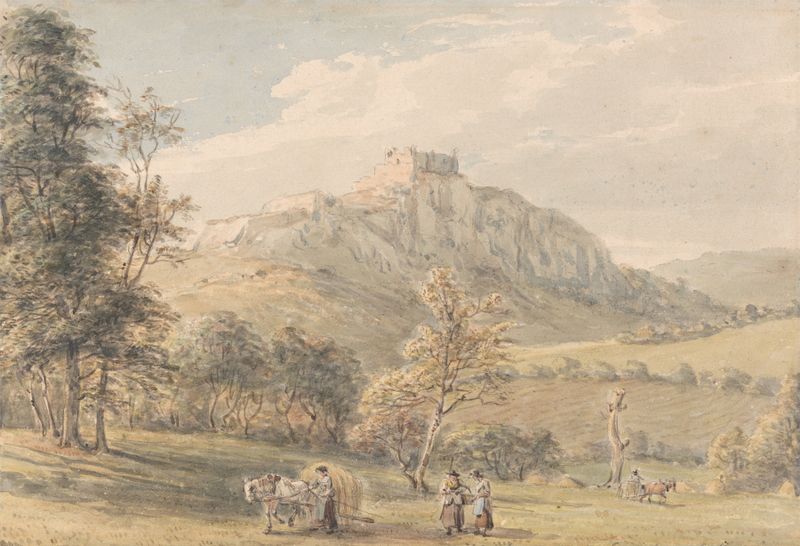
Carreg Cennen Castle
Paul Sandby





