
Scene on the Mersey — History & Facts
Where does light end, and longing begin? In the delicate interplay of hues and shadows, a rebirth unfolds, narrating a silent yet profound story of nature and spirit. Focus first on the ethereal wash of blues and gentle grays that envelop the scene, leading your gaze to the horizon where the water meets the sky. Notice the soft, almost fluid strokes that convey movement, mirroring the flowing river while inviting a sense of tranquility. The light flickers across the surface, pulling you into a world where boundaries blur, creating an atmosphere that feels both intimate and expansive. As you delve deeper, consider the juxtaposition of the serene water and the fleeting clouds above—their momentary formations suggest both impermanence and continuity, echoing the cycle of life.
The solitary boat, almost ghostly in its presence, stands as a metaphor for solitude and the search for belonging in a vast world. Each brushstroke carries an emotional weight, hinting at the complexities of human experience intertwined with nature's timeless dance. Painted during a period of artistic experimentation, Whistler captured this scene as he navigated his style amidst the rise of Impressionism. Working in the late 19th century in England, he sought to redefine how art could express mood and atmosphere.
This particular piece reflects his fascination with light and color, resonating with the broader movements in the art world that aimed to capture fleeting moments of beauty and introspection.
More Artworks by James Abbott McNeill Whistler
Browse all →
Nocturne in Blue and Silver
James Abbott McNeill Whistler
Nocturne: Blue and Gold–Southampton Water
James Abbott McNeill Whistler
Nocturne
James Abbott McNeill Whistler
Nocturne in Blue and Silver
James Abbott McNeill Whistler
Nocturne in Blue and Silver- The Lagoon, Venice
James Abbott McNeill Whistler
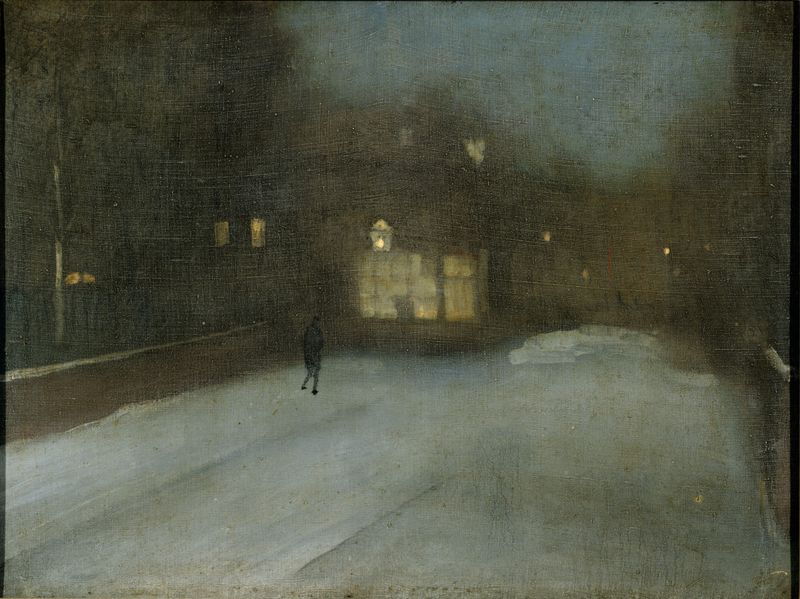
Nocturne in Grey and Gold: Chelsea Snow
James Abbott McNeill Whistler
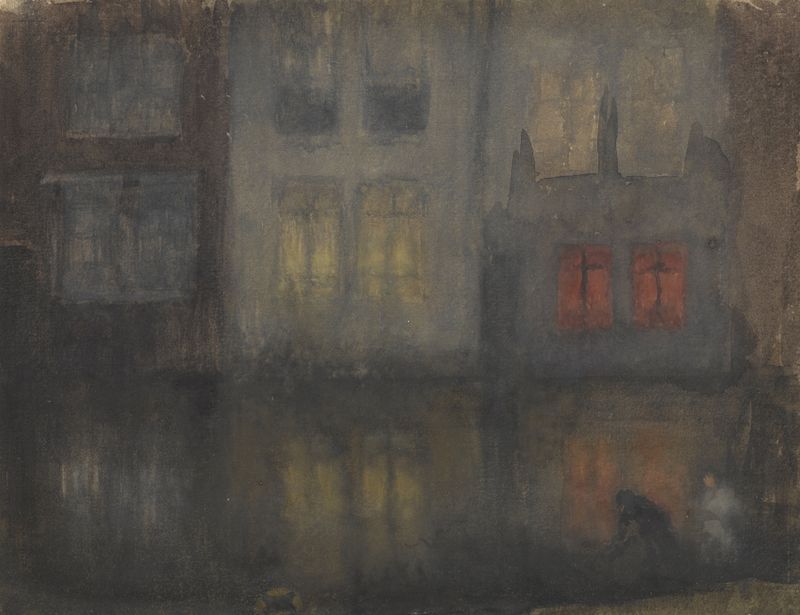
Nocturne: Black and Red—Back Canal, Holland
James Abbott McNeill Whistler
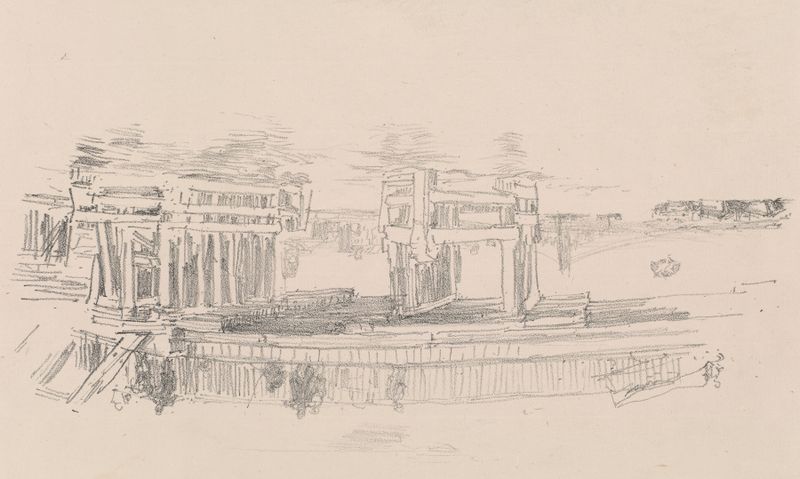
Old Battersea Bridge
James Abbott McNeill Whistler

Nocturne: Blue and Silver–Battersea Reach
James Abbott McNeill Whistler
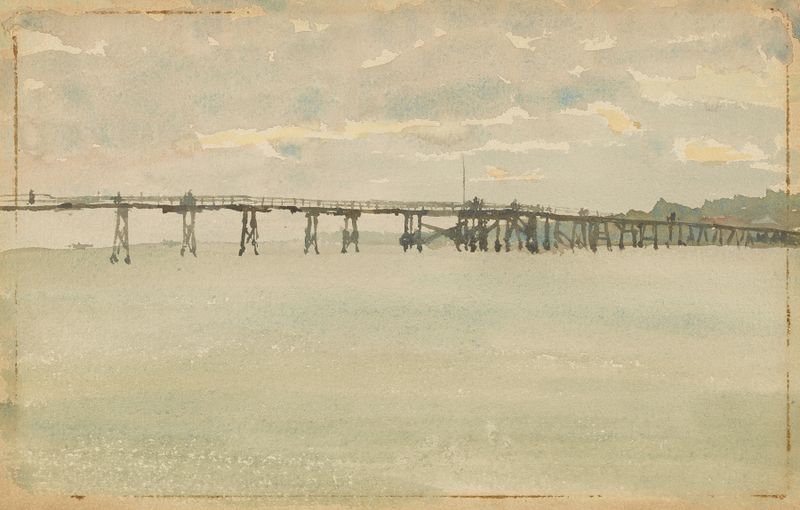
Grey and Silver–Pier, Southend
James Abbott McNeill Whistler




