Schedel en beenderen — History & Facts
In a world where the fleeting nature of existence confronts the permanence of the artist's work, a silent dialogue unfolds between life and death. Look to the center of the composition, where a skull rests, its hollow gaze capturing the viewer's attention with a haunting intensity. The meticulous detail of the fine lines and textures reveals the artist's skill, inviting you to explore each crevice, each shadow. Notice how the light dances upon the surface, creating a stark contrast between the bone's pale hue and the darkness surrounding it, emphasizing the fragile boundary between mortality and eternity. Hidden within this seemingly straightforward representation lies a profound meditation on the human condition.
The juxtaposition of delicate flowers nestled against the cold bones suggests the transient beauty of life and the inevitability of decay. Each petal, vibrant and alive, stands in stark contrast to the stark reality of the skull, evoking a sense of ecstasy intertwined with sorrow. This tension captures the essence of existence itself, where moments of joy are fleeting and intertwined with the shadows of loss. In 1652, Wenceslaus Hollar, an accomplished artist known for his etchings and detailed drawings, created this piece during his time in Amsterdam, a hub for artistic innovation.
Navigating a post-war landscape rife with existential contemplation, he drew upon the memento mori tradition, reminding viewers of the transient beauty of life. This artwork reflects both a personal journey and the broader artistic movements of the time, encapsulating a moment where the ephemeral captured the eternal.
More Artworks by Wenceslaus Hollar
Browse all →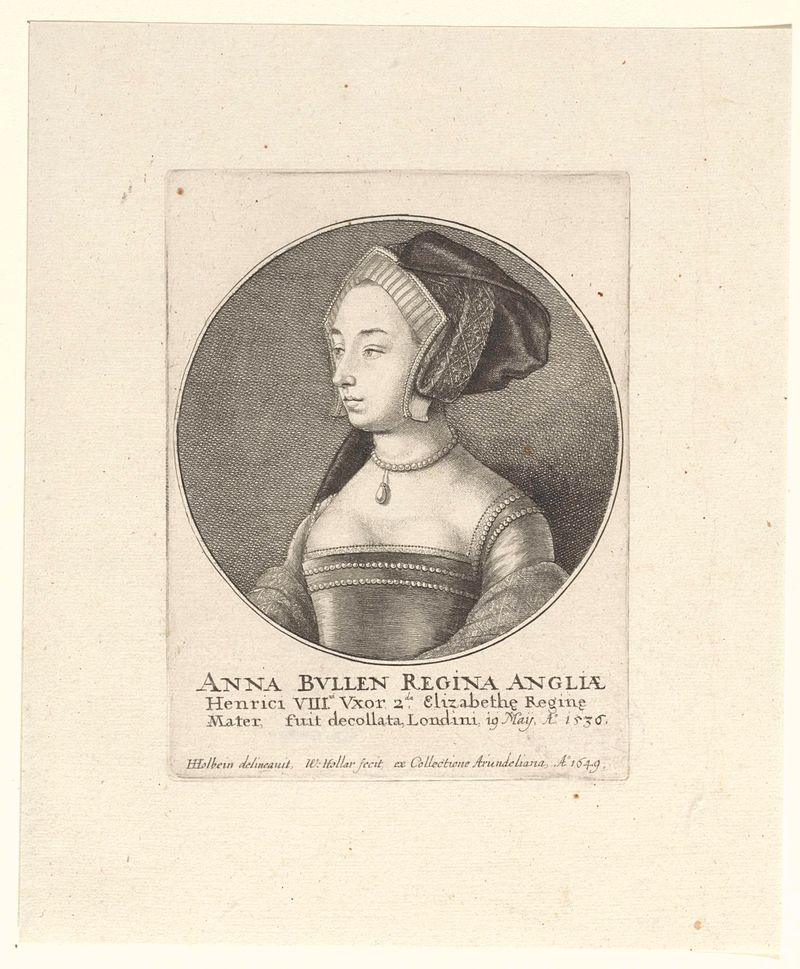
Portret van Anna Boleyn, koningin van Engeland
Wenceslaus Hollar
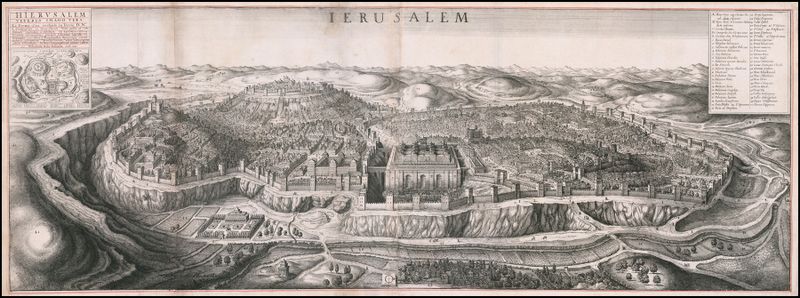
Bird’s eye view of Jerusalem
Wenceslaus Hollar
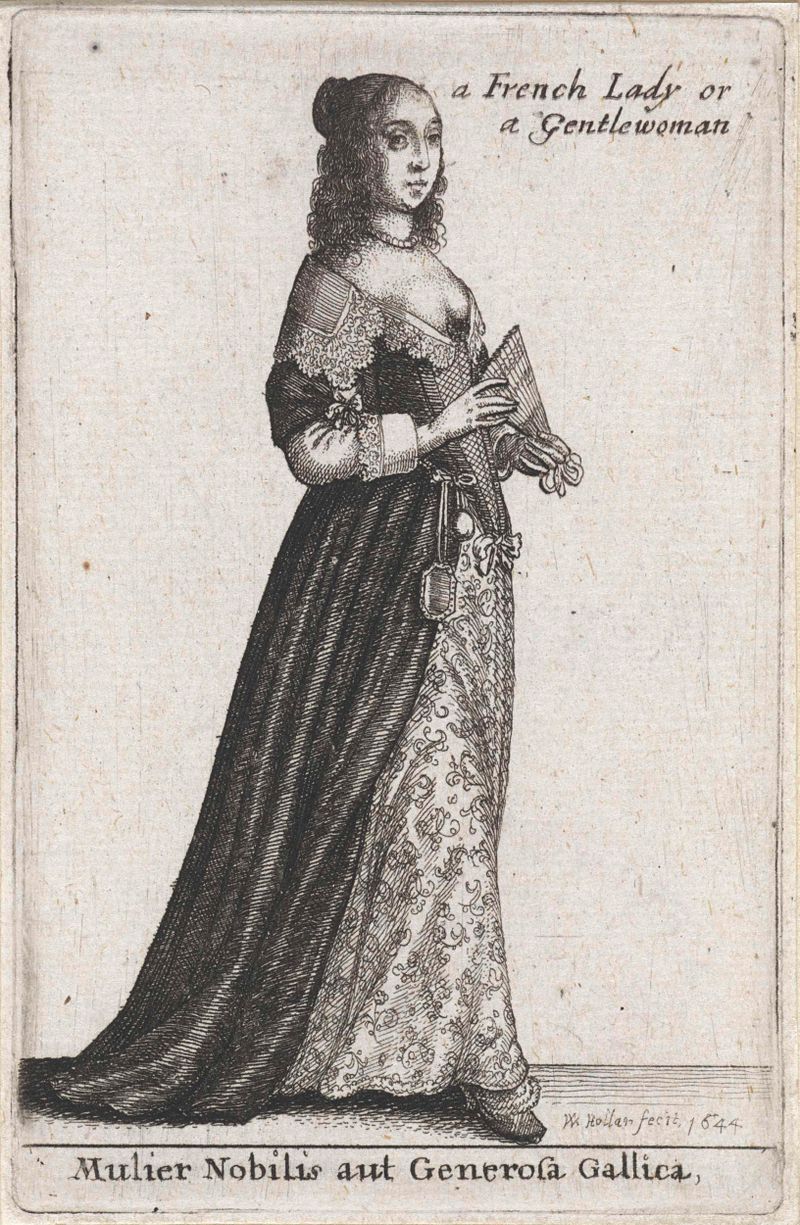
Mulier Nobilis aut Generosa Gallica / a French Lady or Gentlewoman
Wenceslaus Hollar
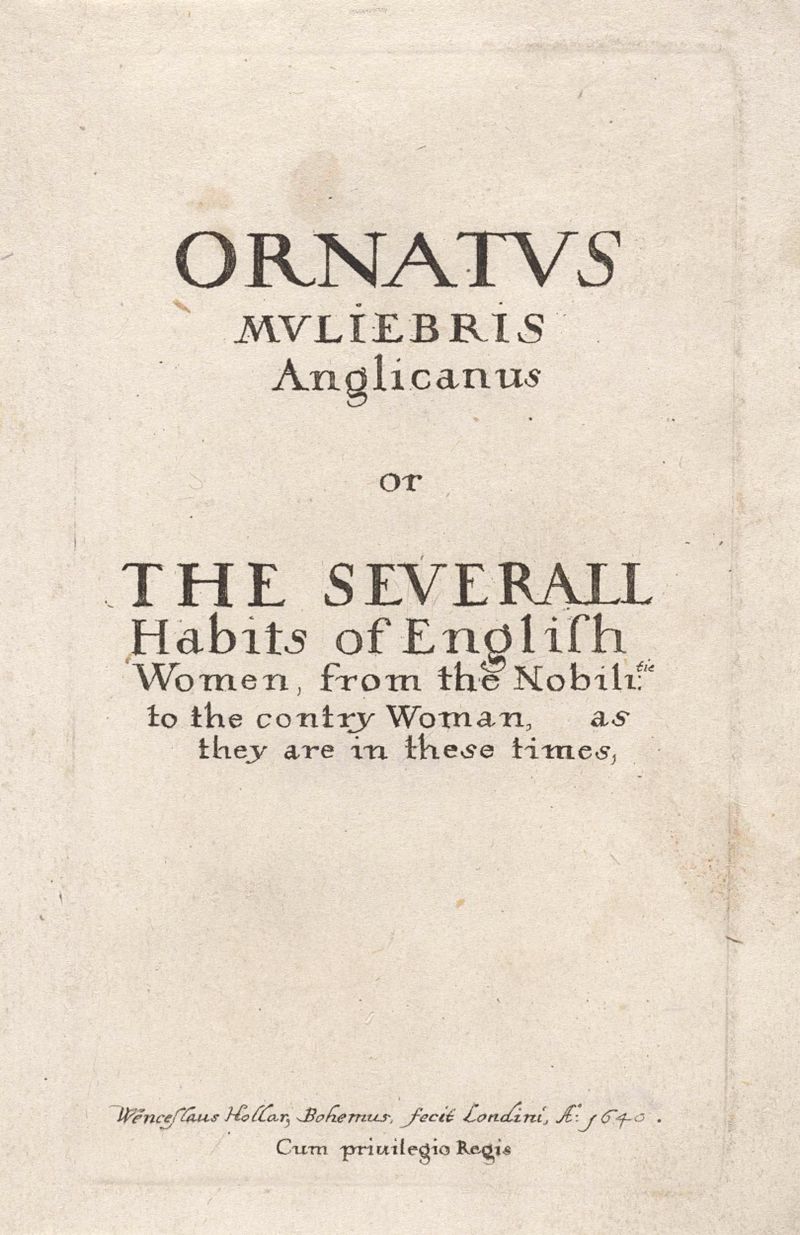
Titelprent voor: Ornatus Muliebris Anglicanus
Wenceslaus Hollar
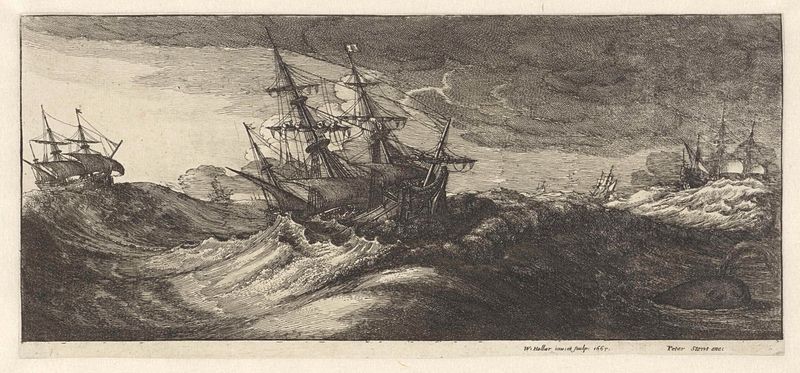
Oorlogsschepen en een walvis in een zeestorm
Wenceslaus Hollar
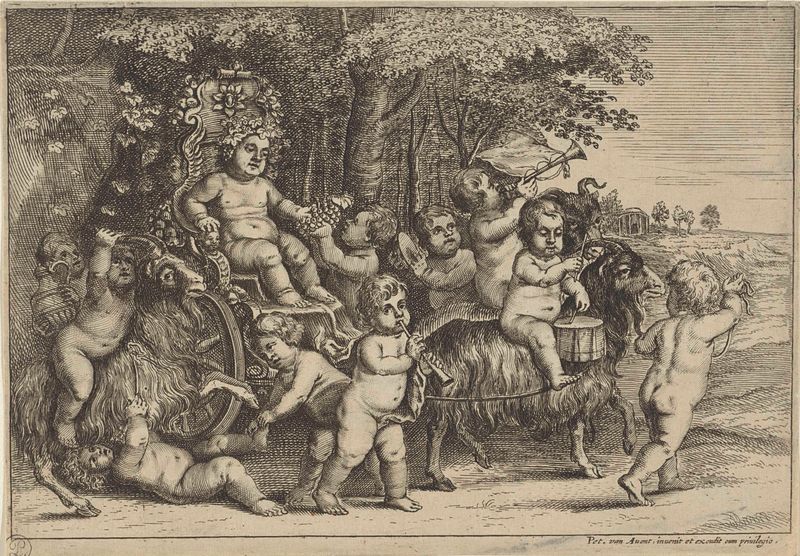
Optocht van bacchant en jongetjes op geiten
Wenceslaus Hollar
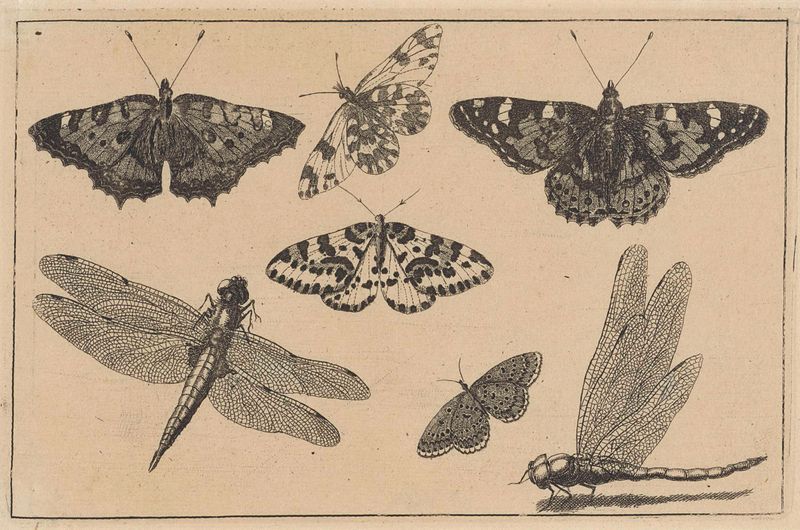
Twee libellen en vijf vlinders
Wenceslaus Hollar
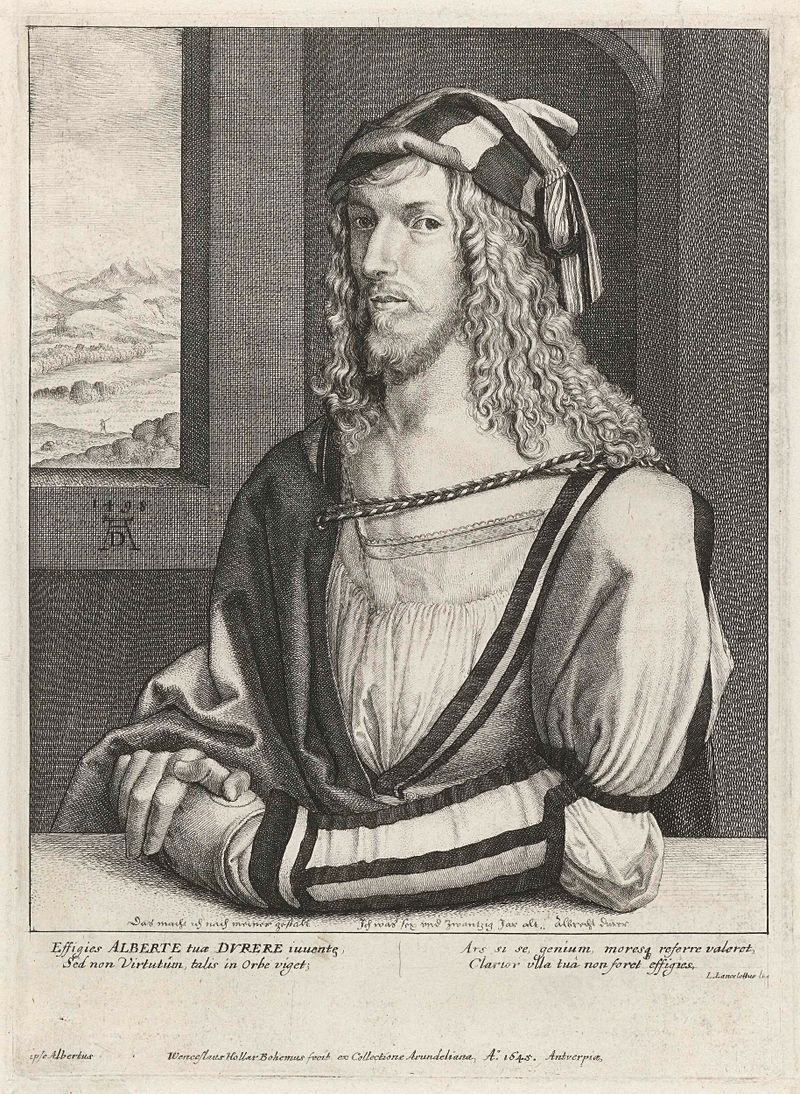
Portret van Albrecht Dürer
Wenceslaus Hollar
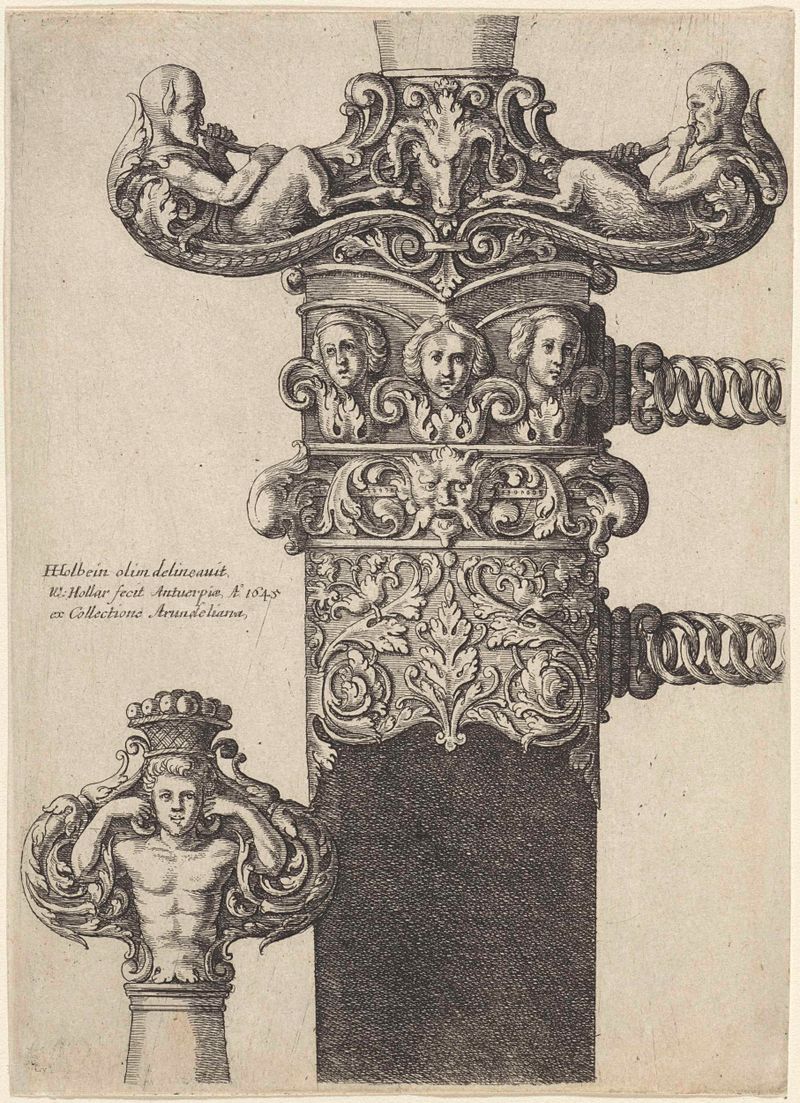
Ornamenteel ontwerp voor een dolk
Wenceslaus Hollar
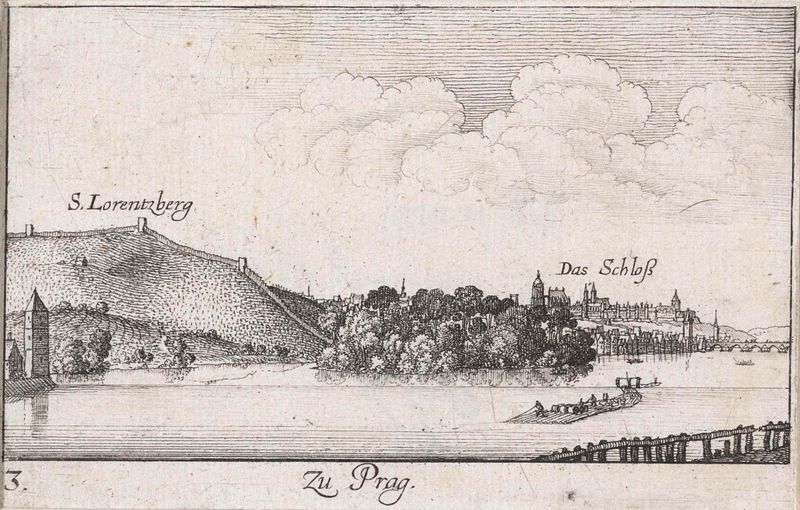
Gezicht op Praag vanaf de Moldau
Wenceslaus Hollar