Schelp, architectonica trochlearis — History & Facts
Could a single brushstroke hold eternity? In Schelp, architectonica trochlearis, Wenceslaus Hollar encapsulates the delicate intersection of art and nature, inviting us to ponder the legacies we leave behind. The meticulous detail speaks not only to the subject's inherent beauty but also to the artist's desire to capture fleeting moments in time. Look closely at the intricate spiral of the shell, where each curve reveals natural symmetry and precision. The light dances subtly across its surface, highlighting the textures and patterns that tell stories of growth and adaptation.
Notice how the warm, earthy tones blend seamlessly with pale highlights, creating a sense of depth that draws the viewer into the shell’s intricate world. Hollar’s skillful line work and shading evoke a sense of both fragility and permanence, embodying the dual nature of life's impermanence. Beneath the surface lies a rich tapestry of meaning. The shell's spirals can symbolize the passage of time and the cyclical nature of life, each line echoing the inevitable return to origins.
This juxtaposition of fragility and strength mirrors the artist's own journey, as he navigated the trials of exile, capturing beauty against the odds. The artwork stands as a testament to the notion of legacy, quietly asserting that even the smallest of subjects can hold profound significance. Hollar created this work in a period marked by his migration to England after the Thirty Years' War, during which he sought refuge and stability. This painting emerged in a time when artists were beginning to explore the intricacies of still life and natural forms, a departure from the grand narratives of earlier periods.
It reflects not only his personal challenges but also a broader artistic shift towards celebrating the everyday, influencing generations to come.
More Artworks by Wenceslaus Hollar
Browse all →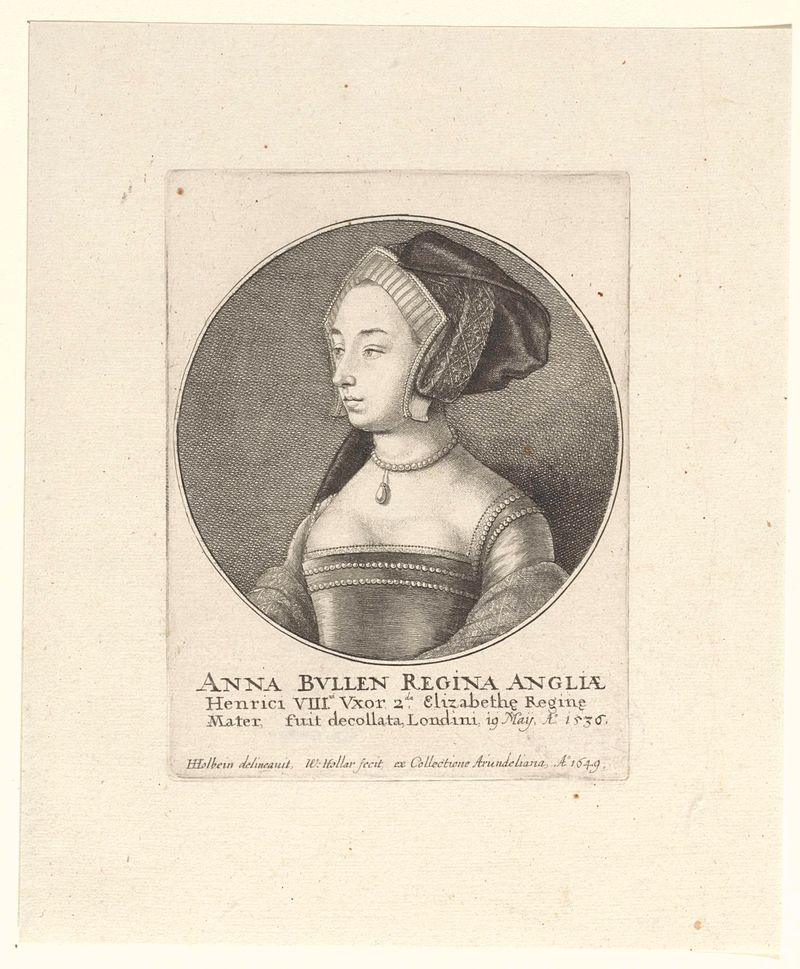
Portret van Anna Boleyn, koningin van Engeland
Wenceslaus Hollar
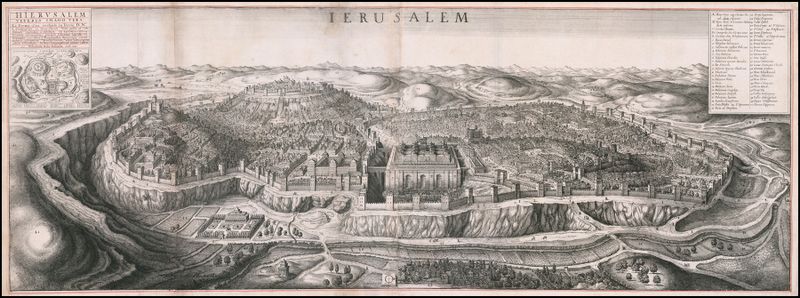
Bird’s eye view of Jerusalem
Wenceslaus Hollar
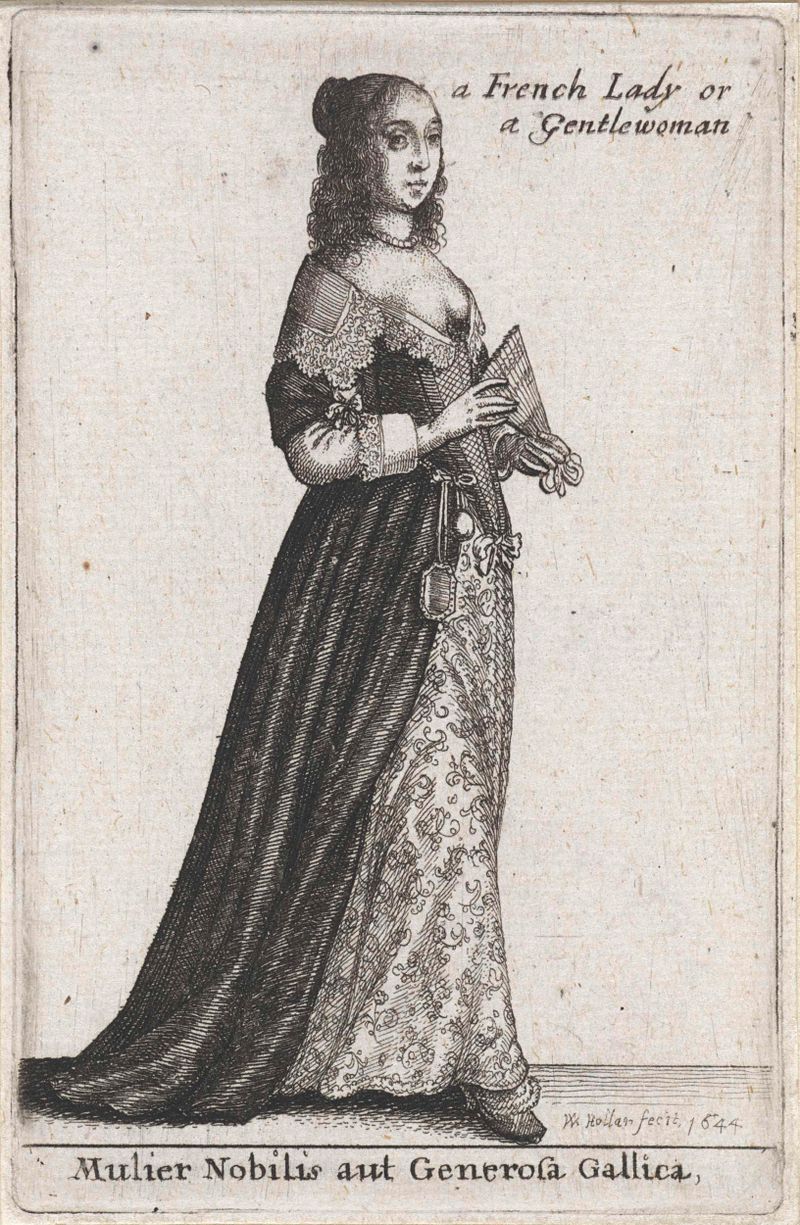
Mulier Nobilis aut Generosa Gallica / a French Lady or Gentlewoman
Wenceslaus Hollar
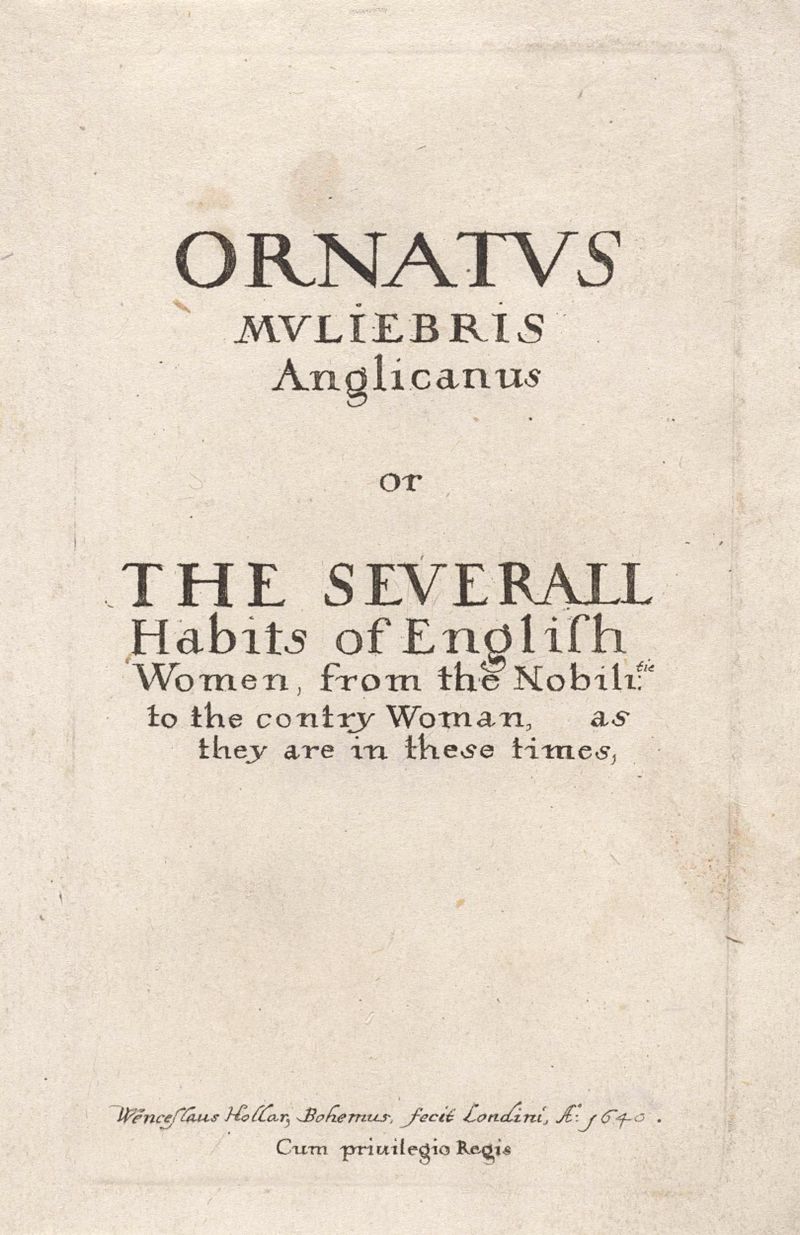
Titelprent voor: Ornatus Muliebris Anglicanus
Wenceslaus Hollar
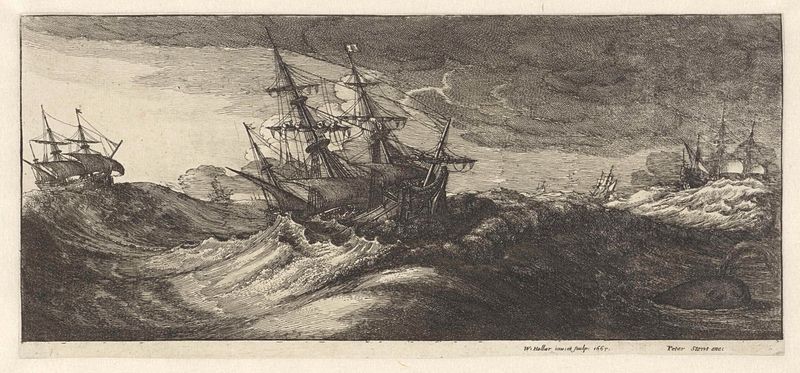
Oorlogsschepen en een walvis in een zeestorm
Wenceslaus Hollar
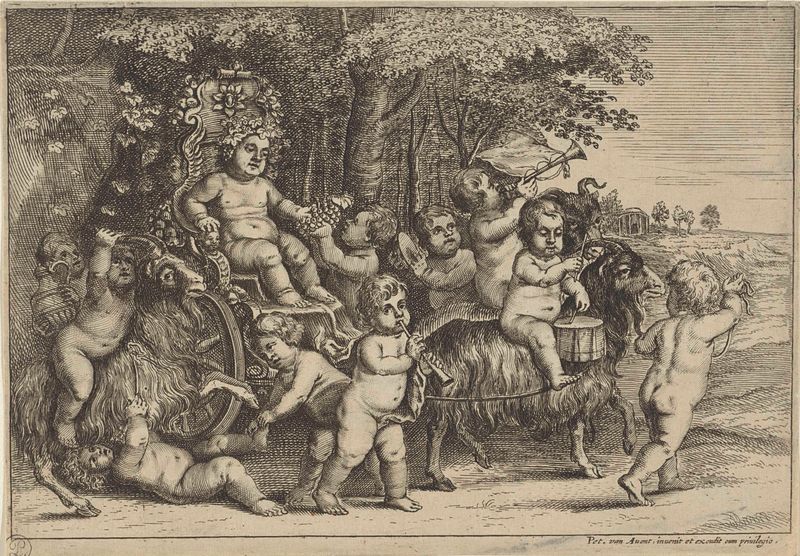
Optocht van bacchant en jongetjes op geiten
Wenceslaus Hollar
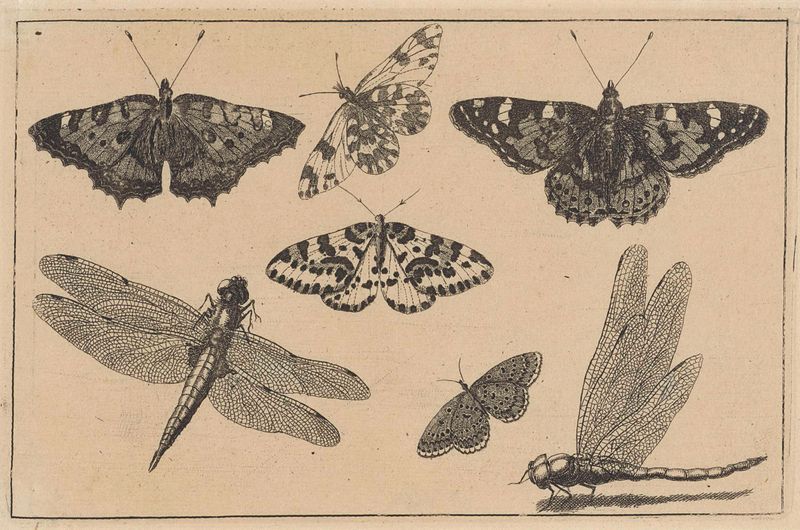
Twee libellen en vijf vlinders
Wenceslaus Hollar
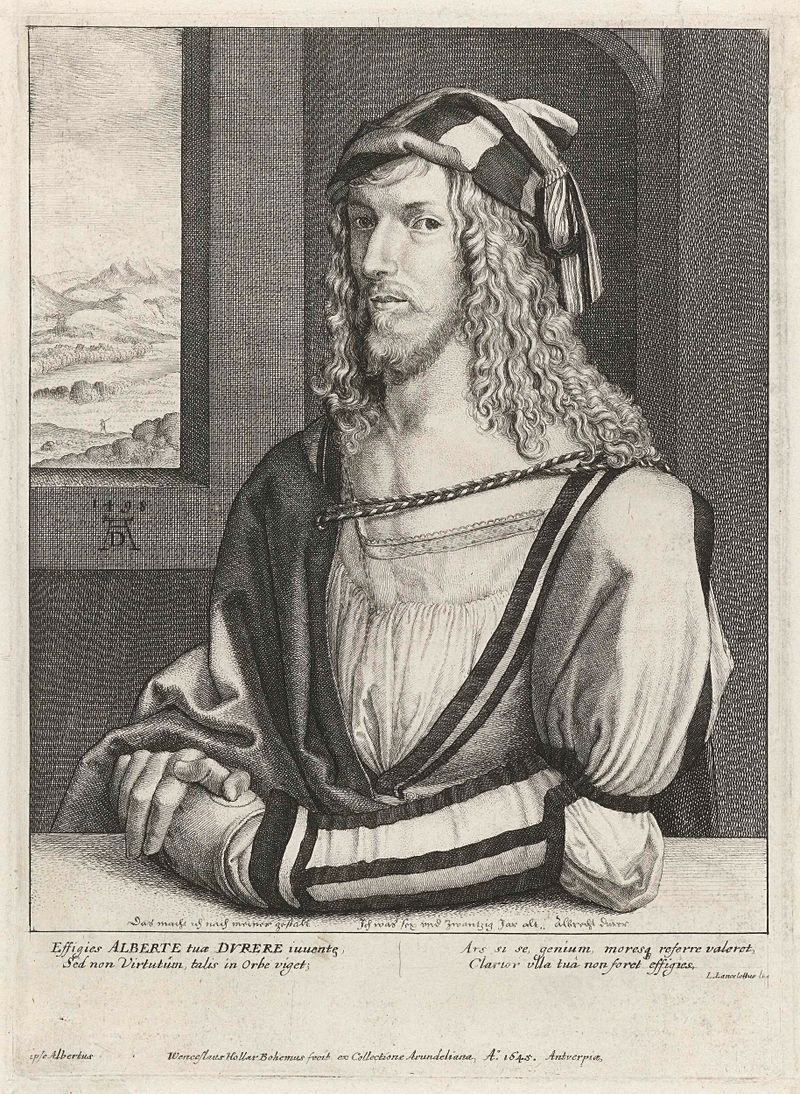
Portret van Albrecht Dürer
Wenceslaus Hollar
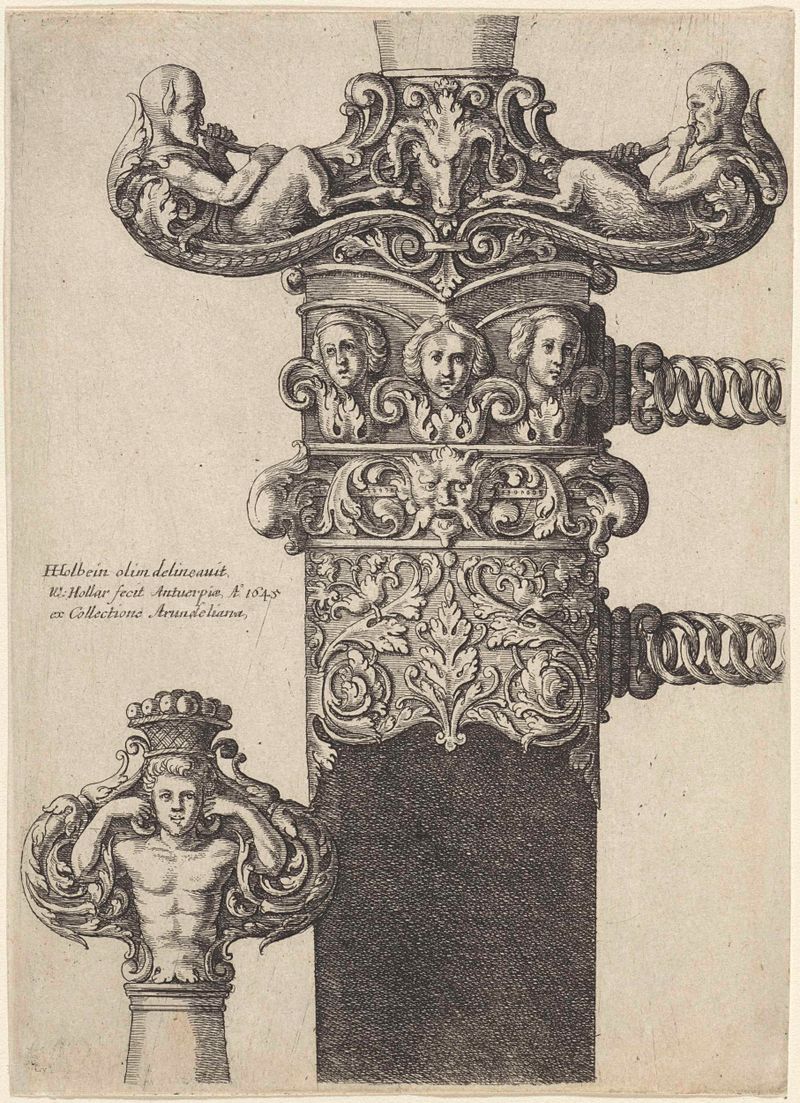
Ornamenteel ontwerp voor een dolk
Wenceslaus Hollar
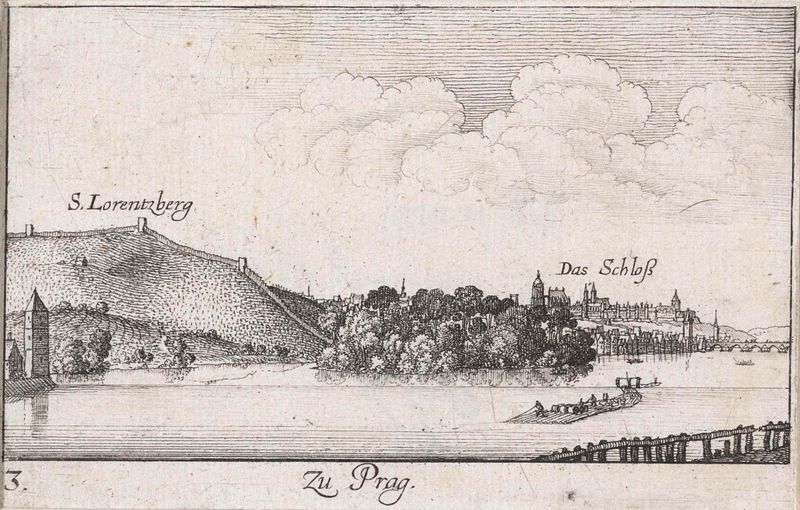
Gezicht op Praag vanaf de Moldau
Wenceslaus Hollar