Schelp, bursa rubeta — History & Facts
Could beauty survive in a century of chaos? In Wenceslaus Hollar's Schelp, bursa rubeta, we are invited to enter a world where delicate forms whisper of nature's resilience against tumultuous times. Look closely at the meticulously rendered shell occupying the center of the composition. Its smooth, ivory surface is adorned with faint striations that echo the passage of time. The subtle play of light, cascading over the shell’s curves, reveals an inner radiance that draws the eye, while the soft shadows enhance its dimensionality.
Surrounding the shell, an understated background—perhaps a muted green—serves to elevate its elegance, allowing the viewer to fully absorb its intricate details. Upon deeper reflection, one can sense the shell's symbolism beyond mere beauty. Its smooth exterior belies the tumult of the world outside, suggesting a sanctuary from chaos. The artist’s choice of a natural subject, executed with precision, contrasts sharply against the backdrop of the 17th century, a period rife with conflict and change.
This juxtaposition speaks to the fragility of beauty and life, evoking questions of how such grace can persist even in the darkest times. During the years 1644 to 1652, Hollar created this work amidst the upheaval of the Thirty Years' War, which ravaged much of Europe. Residing in London after fleeing his native Bohemia, Hollar was immersed in a vibrant artistic community, reflecting both the influences of his predecessors and the emerging Baroque style. This painting exemplifies his skill in capturing the essence of the natural world, serving as a vital reminder of the enduring presence of beauty, even amid chaos.
More Artworks by Wenceslaus Hollar
Browse all →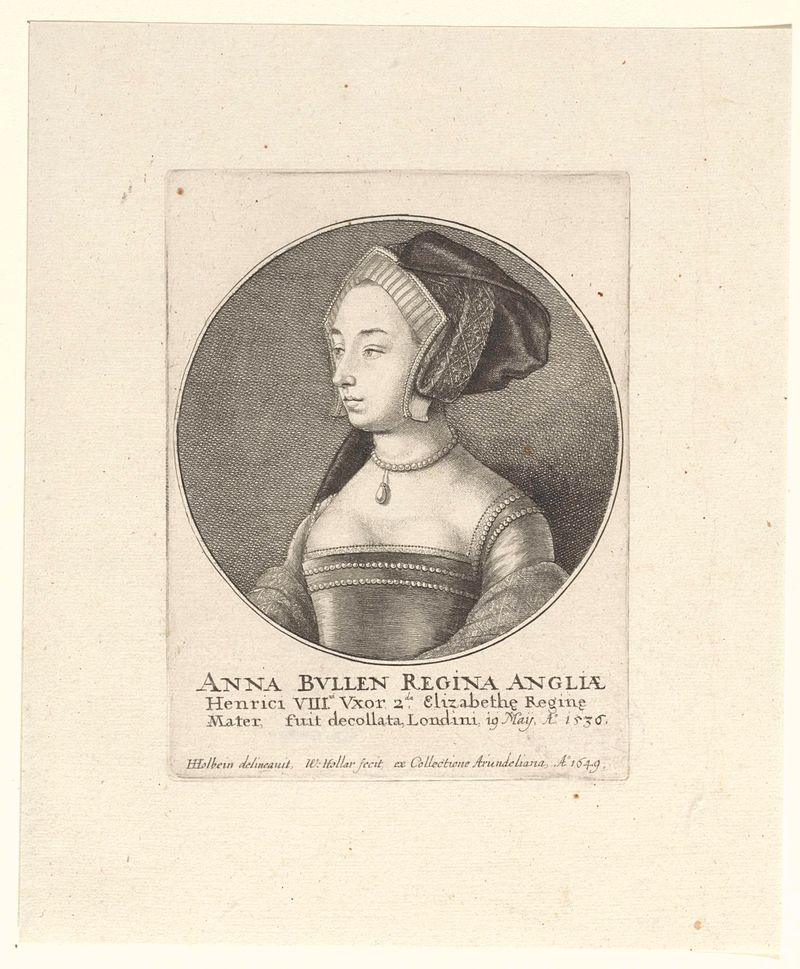
Portret van Anna Boleyn, koningin van Engeland
Wenceslaus Hollar
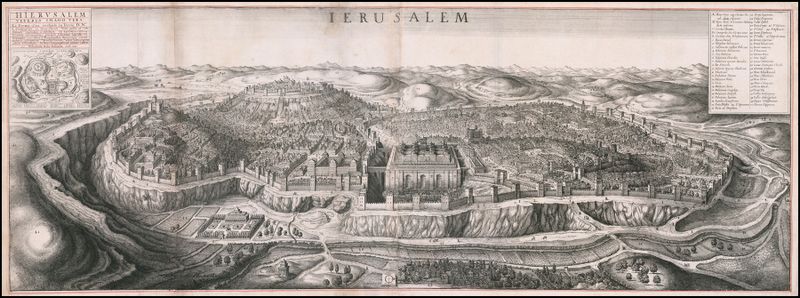
Bird’s eye view of Jerusalem
Wenceslaus Hollar
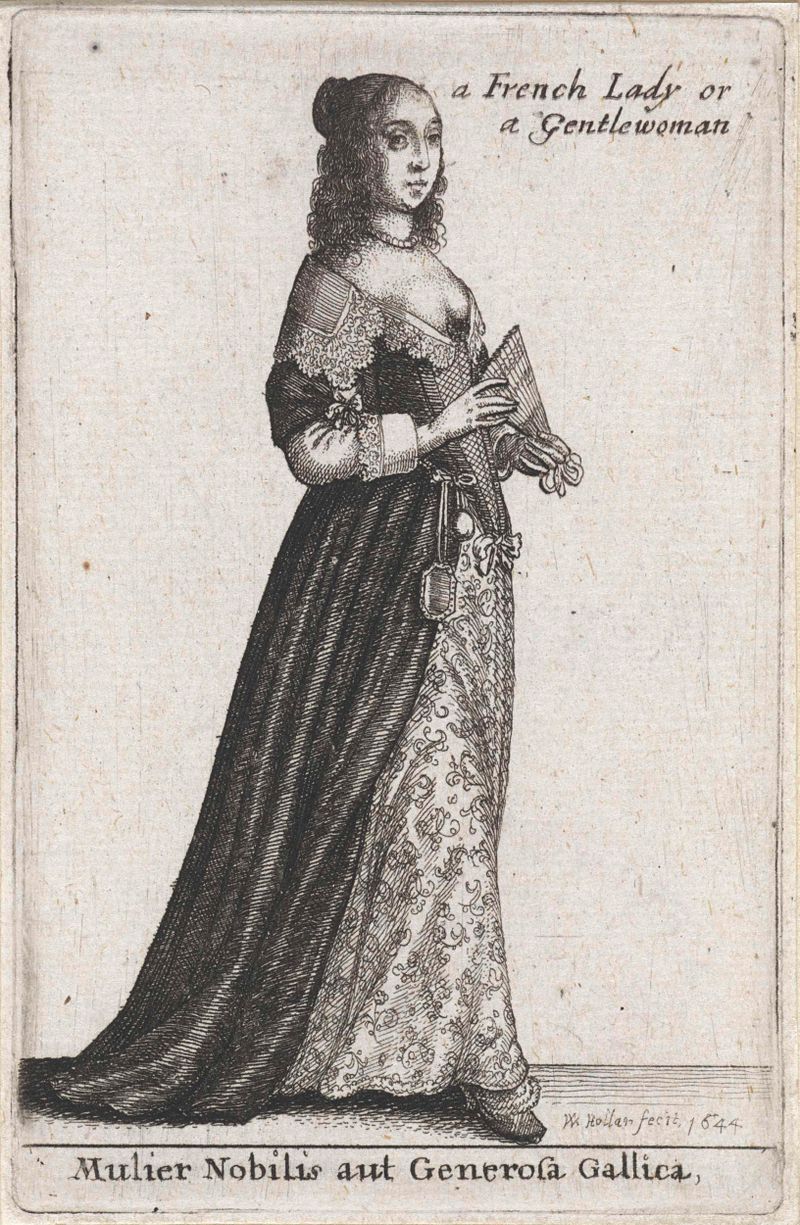
Mulier Nobilis aut Generosa Gallica / a French Lady or Gentlewoman
Wenceslaus Hollar
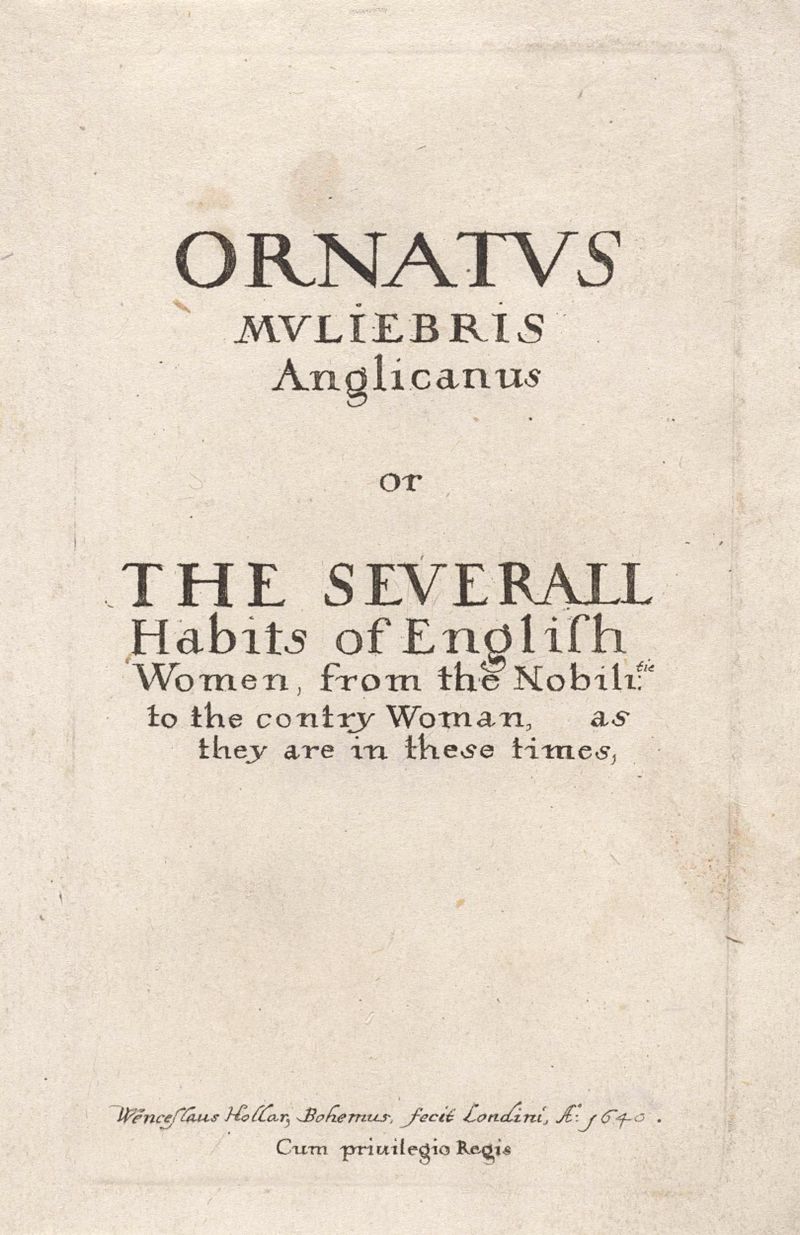
Titelprent voor: Ornatus Muliebris Anglicanus
Wenceslaus Hollar
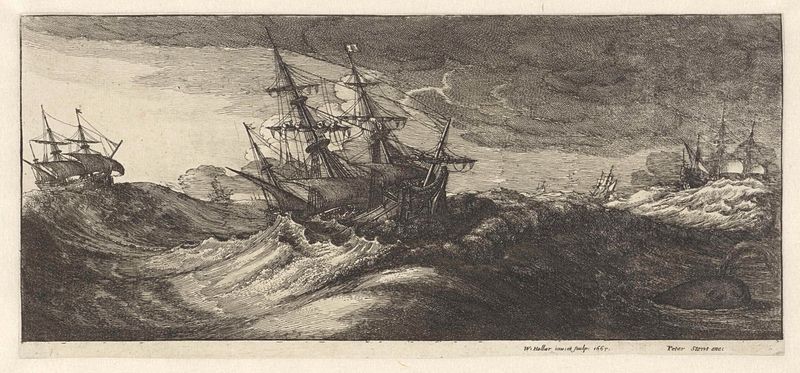
Oorlogsschepen en een walvis in een zeestorm
Wenceslaus Hollar
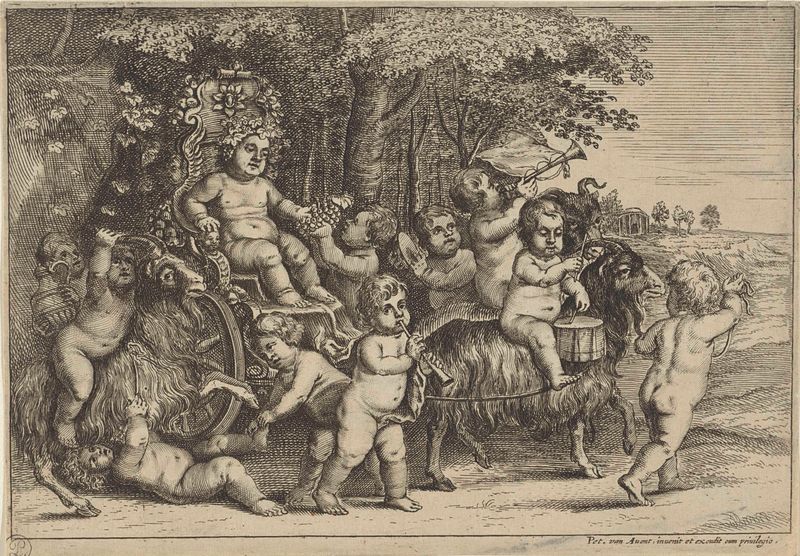
Optocht van bacchant en jongetjes op geiten
Wenceslaus Hollar
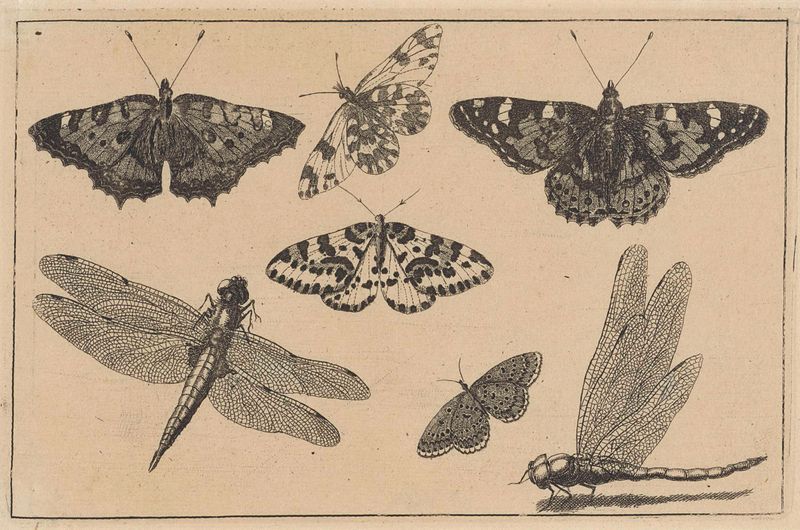
Twee libellen en vijf vlinders
Wenceslaus Hollar
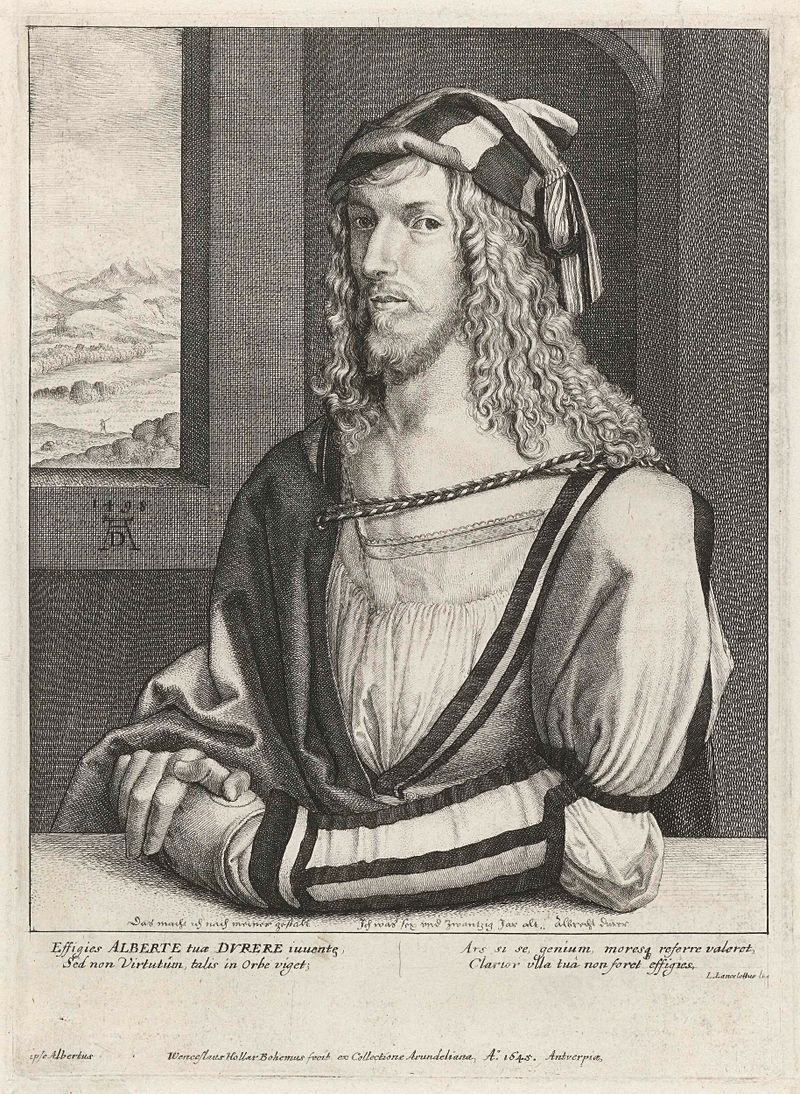
Portret van Albrecht Dürer
Wenceslaus Hollar
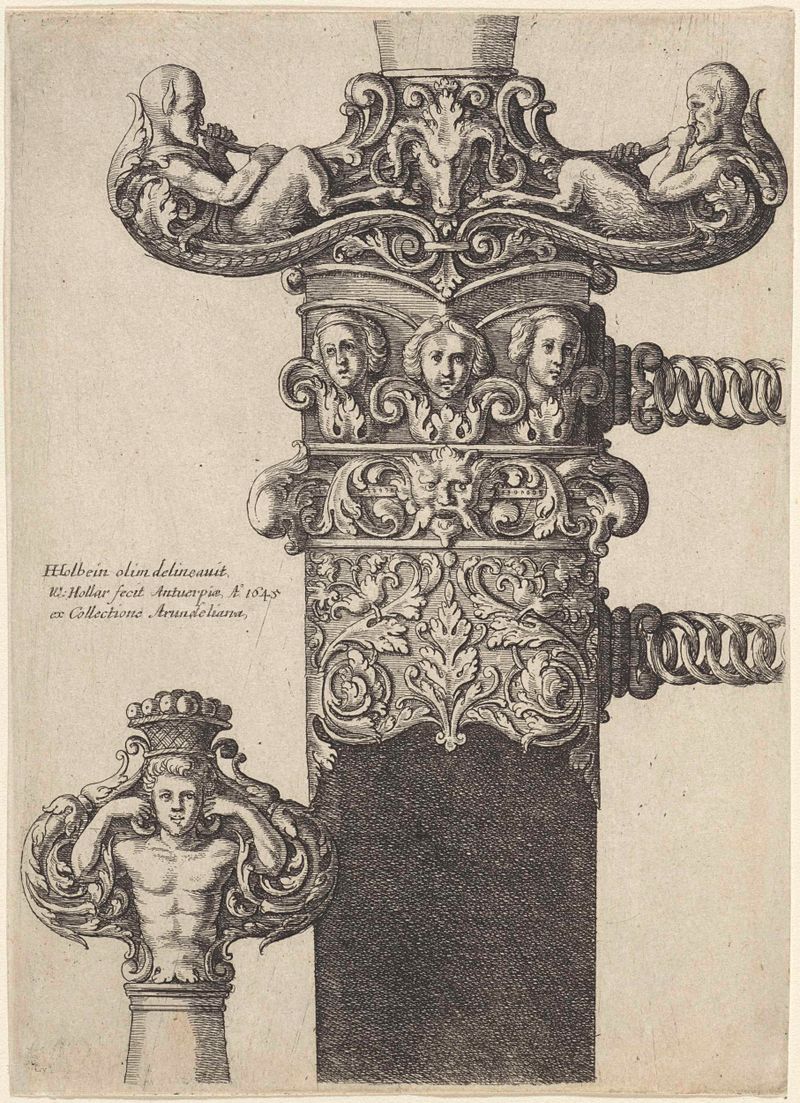
Ornamenteel ontwerp voor een dolk
Wenceslaus Hollar
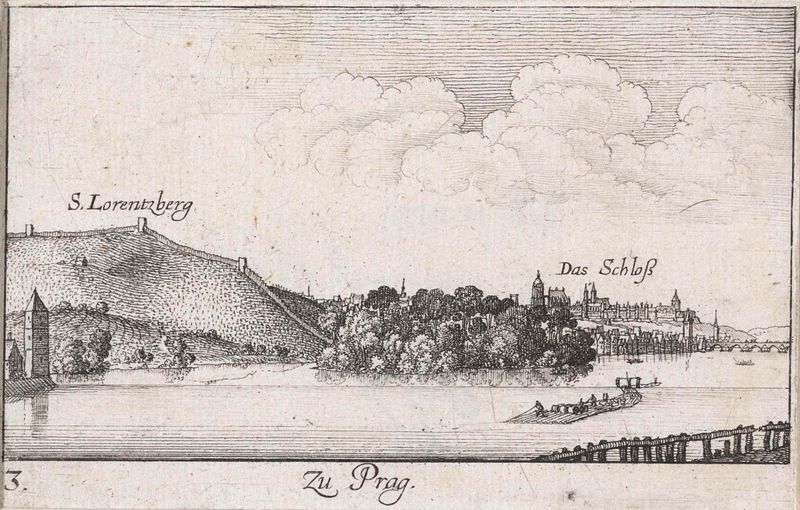
Gezicht op Praag vanaf de Moldau
Wenceslaus Hollar