Schelp, cassis cornuta — History & Facts
In Schelp, cassis cornuta, Wenceslaus Hollar captures the delicate thread between fragility and resilience, alluding to the hidden complexities of rebirth within nature. Look closely at the center of the composition, where a striking golden shell unfurls amidst a muted backdrop. The intricate details of its surface draw the eye, revealing an interplay of light and shadow that hints at both vulnerability and strength. Notice how the muted earth tones in the surrounding elements evoke a sense of grounding, contrasting with the luminous sheen of the shell, symbolizing a transformative presence emerging from the dark. In this work, the juxtaposition of the shell against its barren environment represents the cyclical nature of life — the struggle through hardship to ultimately emerge anew.
The shell, a vessel of protection, signifies both the beauty of survival and the quiet pain of existence. Each fine line etched by the artist resonates with the fragility of rebirth, suggesting that beauty often requires resilience born from suffering. Painted between 1644 and 1652, Hollar created this piece during a period marked by personal upheaval and the broader tumult of the Thirty Years' War in Europe. Residing in London, he was both influenced by the Baroque style and driven by his experience as an exile.
Hollar's meticulous attention to detail and mastery of printmaking positioned him as a significant figure in the art world of his time, reflecting a deep engagement with the natural world amidst the chaos around him.
More Artworks by Wenceslaus Hollar
Browse all →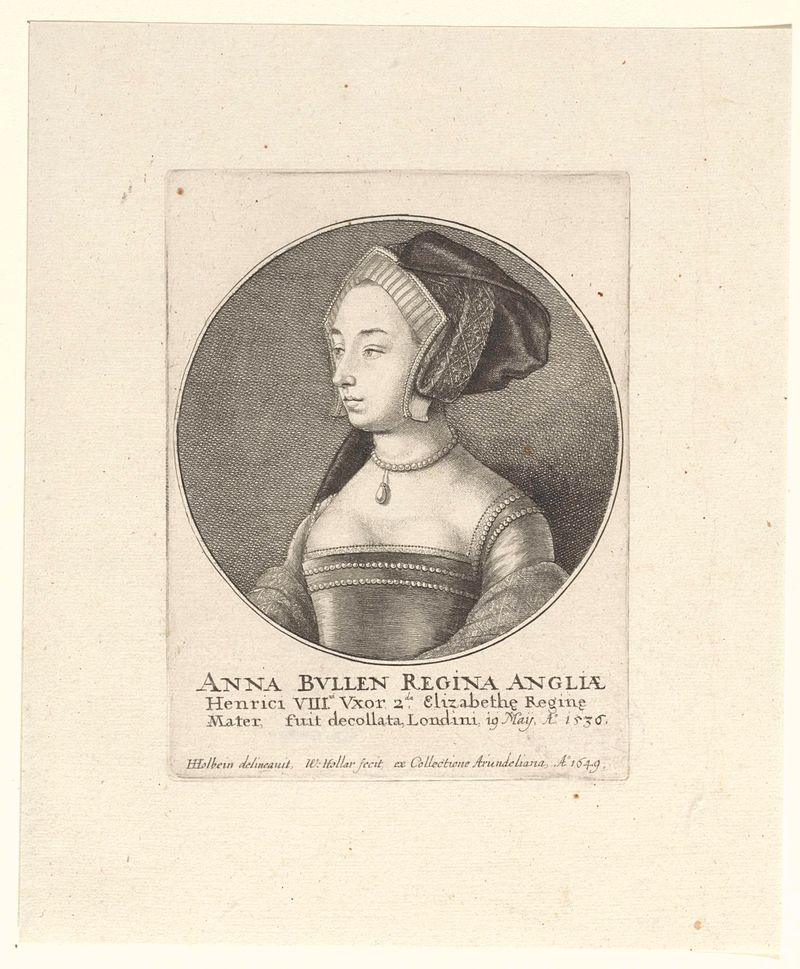
Portret van Anna Boleyn, koningin van Engeland
Wenceslaus Hollar
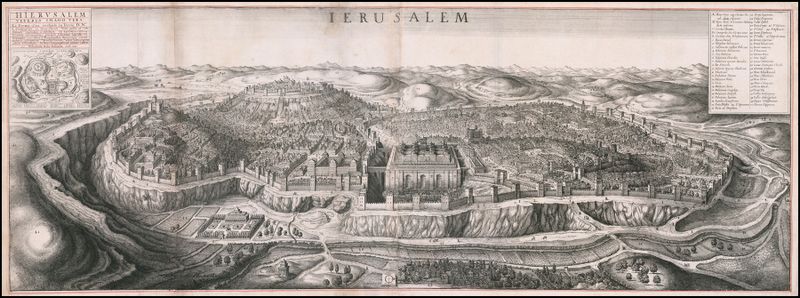
Bird’s eye view of Jerusalem
Wenceslaus Hollar
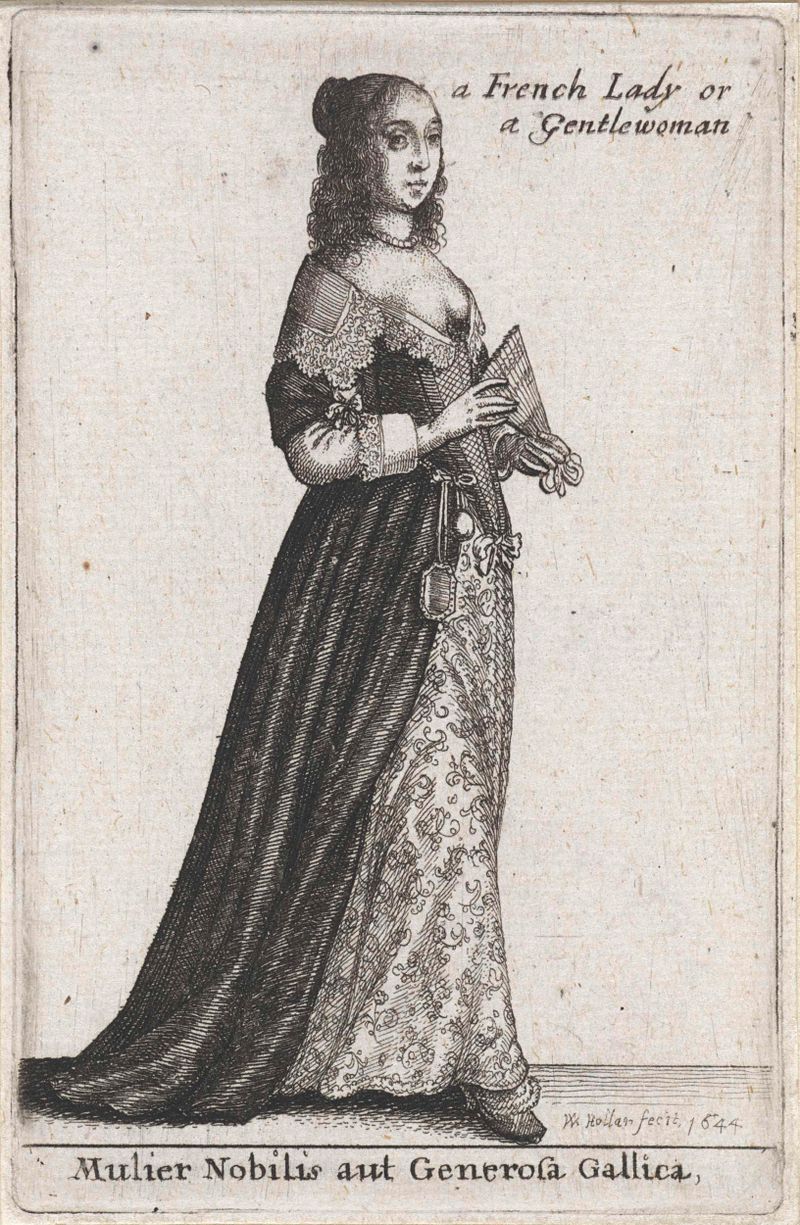
Mulier Nobilis aut Generosa Gallica / a French Lady or Gentlewoman
Wenceslaus Hollar
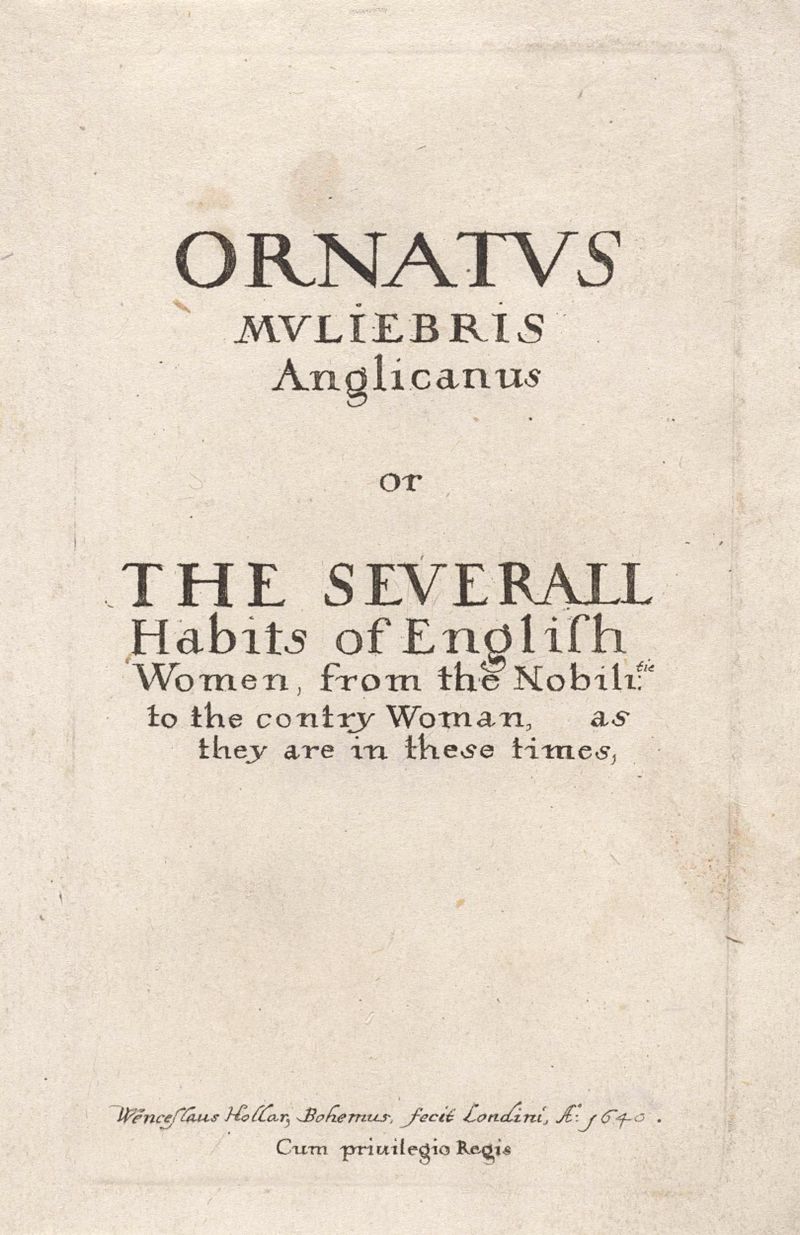
Titelprent voor: Ornatus Muliebris Anglicanus
Wenceslaus Hollar
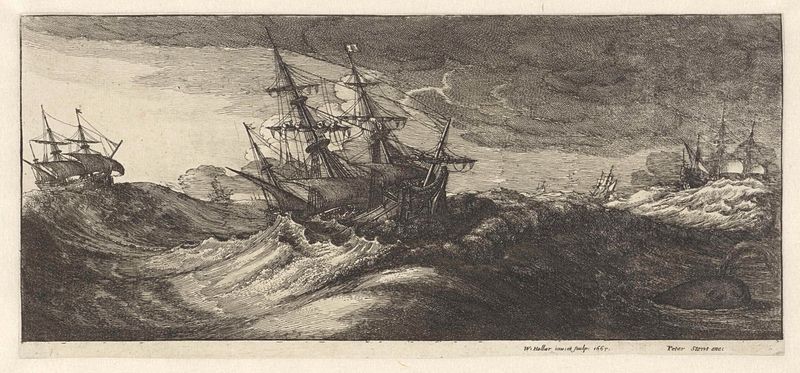
Oorlogsschepen en een walvis in een zeestorm
Wenceslaus Hollar
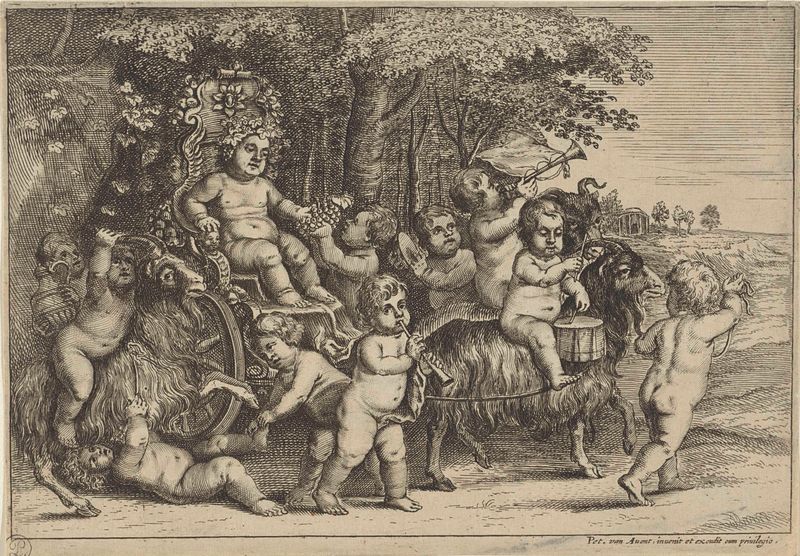
Optocht van bacchant en jongetjes op geiten
Wenceslaus Hollar
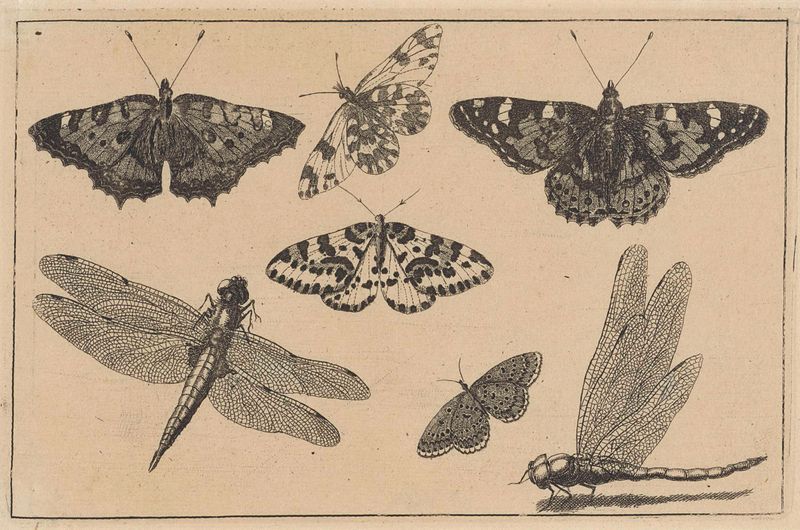
Twee libellen en vijf vlinders
Wenceslaus Hollar
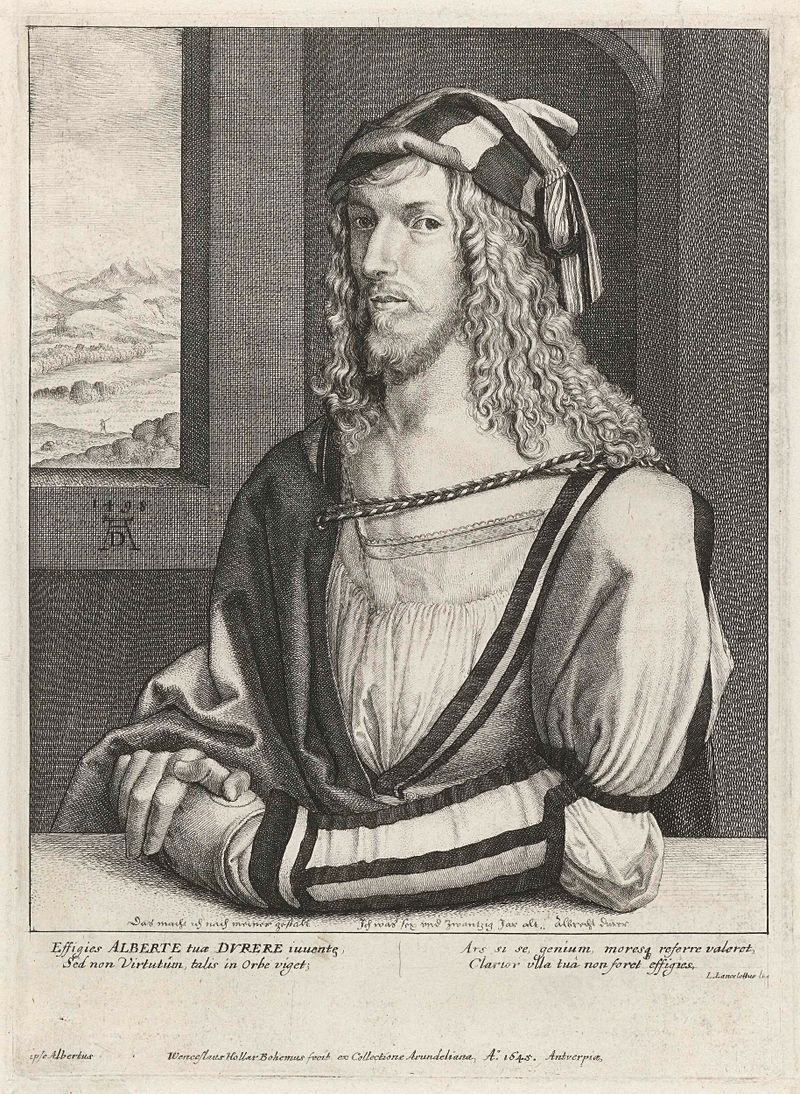
Portret van Albrecht Dürer
Wenceslaus Hollar
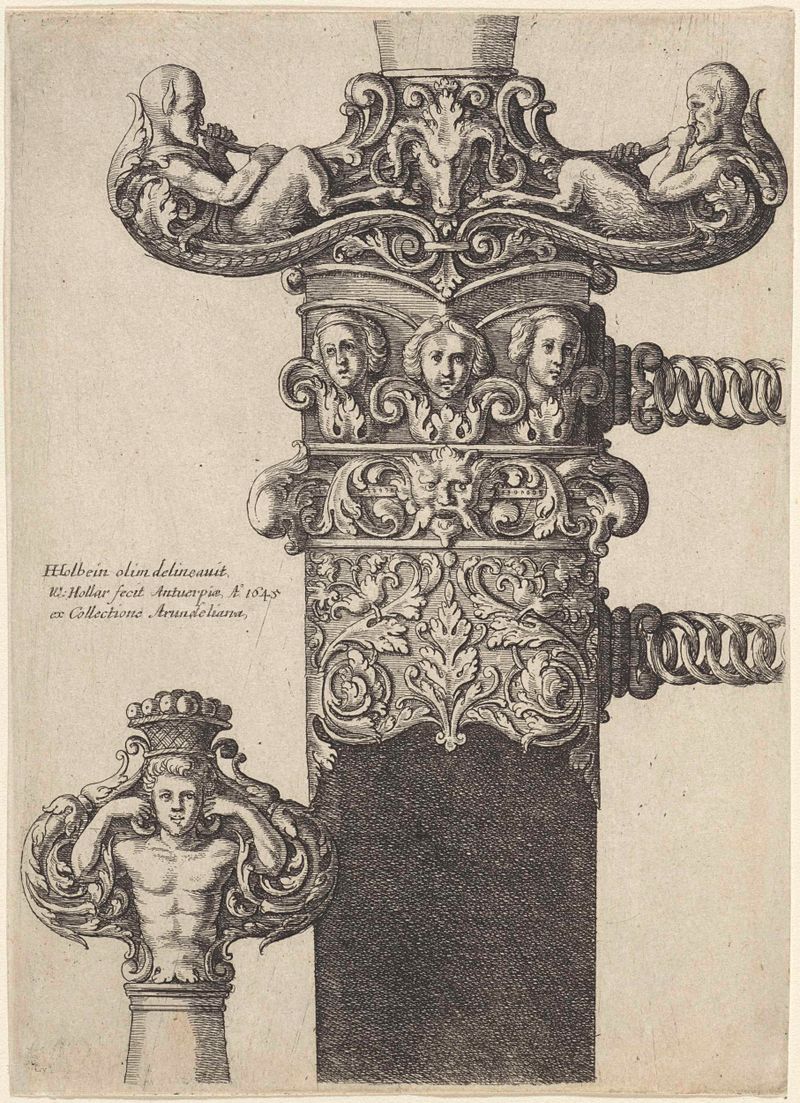
Ornamenteel ontwerp voor een dolk
Wenceslaus Hollar
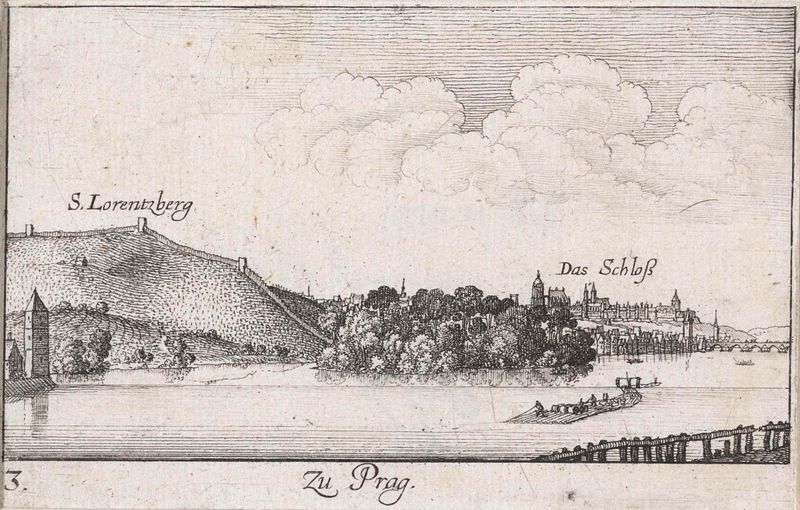
Gezicht op Praag vanaf de Moldau
Wenceslaus Hollar