Schelp, conus imperialis — History & Facts
When did color learn to lie? The vibrant hues of this piece mask a deeper sorrow, revealing the fragility of beauty in nature. Each stroke speaks of life, yet there lies an undercurrent of loss that tugs at the viewer's heart. Focus on the delicate shell at the center, the conus imperialis, rendered with meticulous detail and rich color. Look closely at the intricate patterns that swirl across its surface, inviting you to trace the contours and appreciate how light dances upon the curves.
The background, painted in soft pastels, creates a serene atmosphere that contrasts sharply with the tangible weight of the shell itself, emphasizing its isolation and the weight of memory it carries. There’s a poignant tension between vibrancy and decay here, as the radiant colors seem to celebrate what once thrived, yet also mourn its inevitable transience. The shell, a symbol of protection and beauty, serves as a vessel for grief, encapsulating the fleeting nature of life. Hollar’s choice to elevate this humble object elevates our understanding of mortality, urging us to confront the duality of existence—the beauty of creation and the sorrow of loss. Wenceslaus Hollar created this work between 1644 and 1652 while living in London after fleeing the devastation of the Thirty Years’ War in his native Bohemia.
His time in England saw him exploring the minutiae of the natural world, capturing the intricate beauty of shells and other forms. This piece reflects the artist’s keen observation and emotional complexity, indicative of a broader shift in art towards a deeper engagement with the themes of life, death, and the natural order.
More Artworks by Wenceslaus Hollar
Browse all →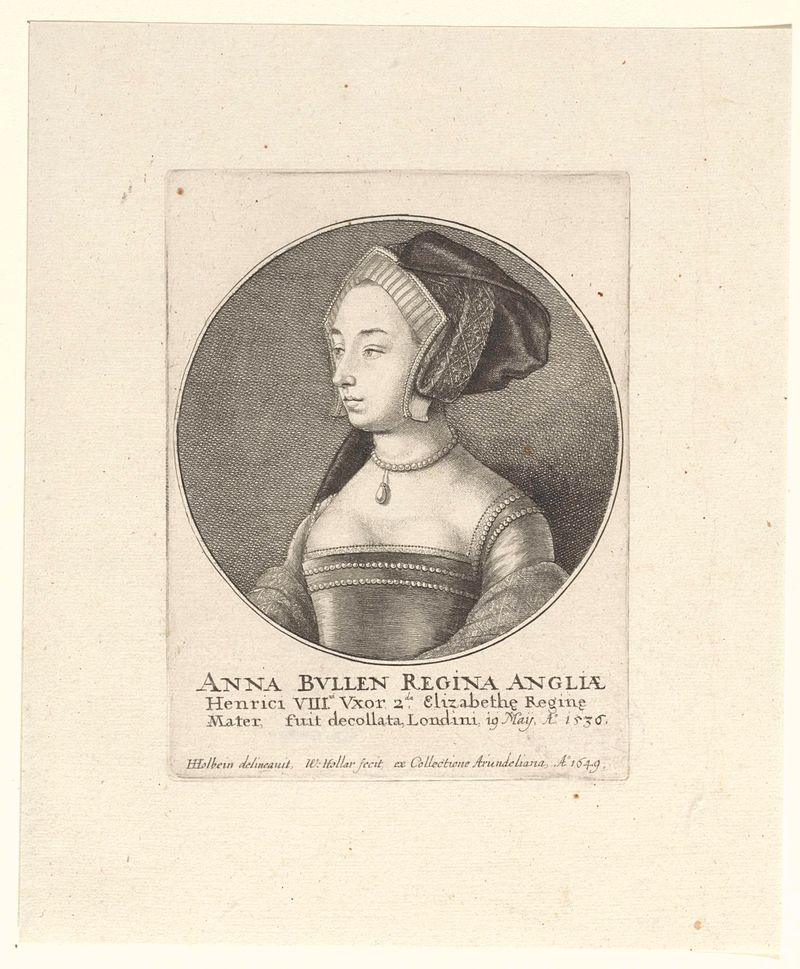
Portret van Anna Boleyn, koningin van Engeland
Wenceslaus Hollar
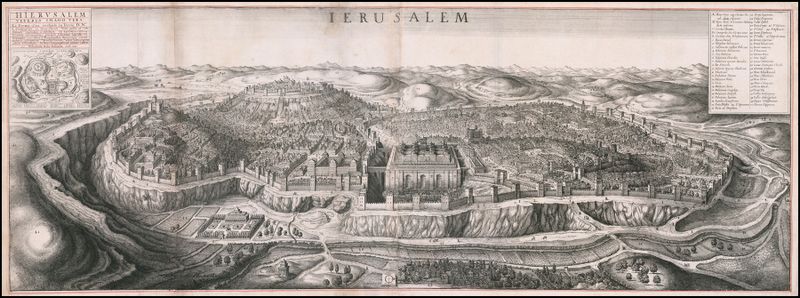
Bird’s eye view of Jerusalem
Wenceslaus Hollar
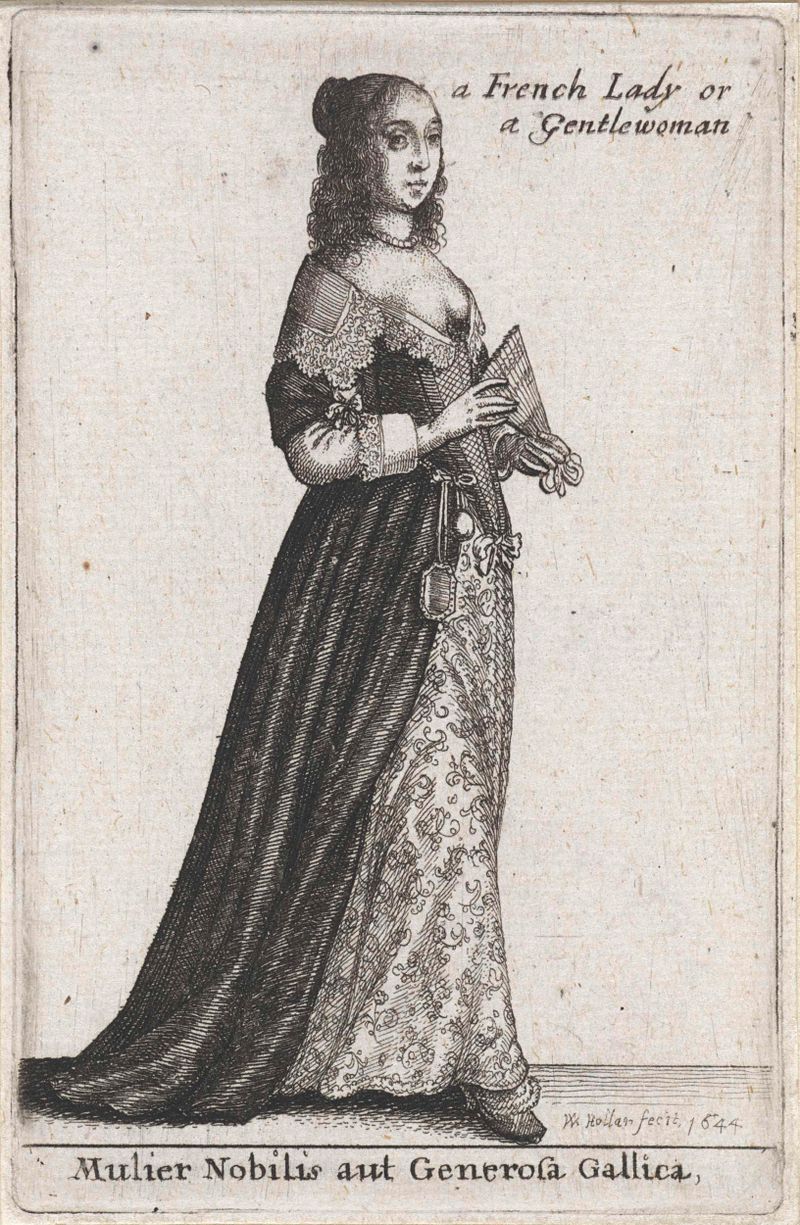
Mulier Nobilis aut Generosa Gallica / a French Lady or Gentlewoman
Wenceslaus Hollar
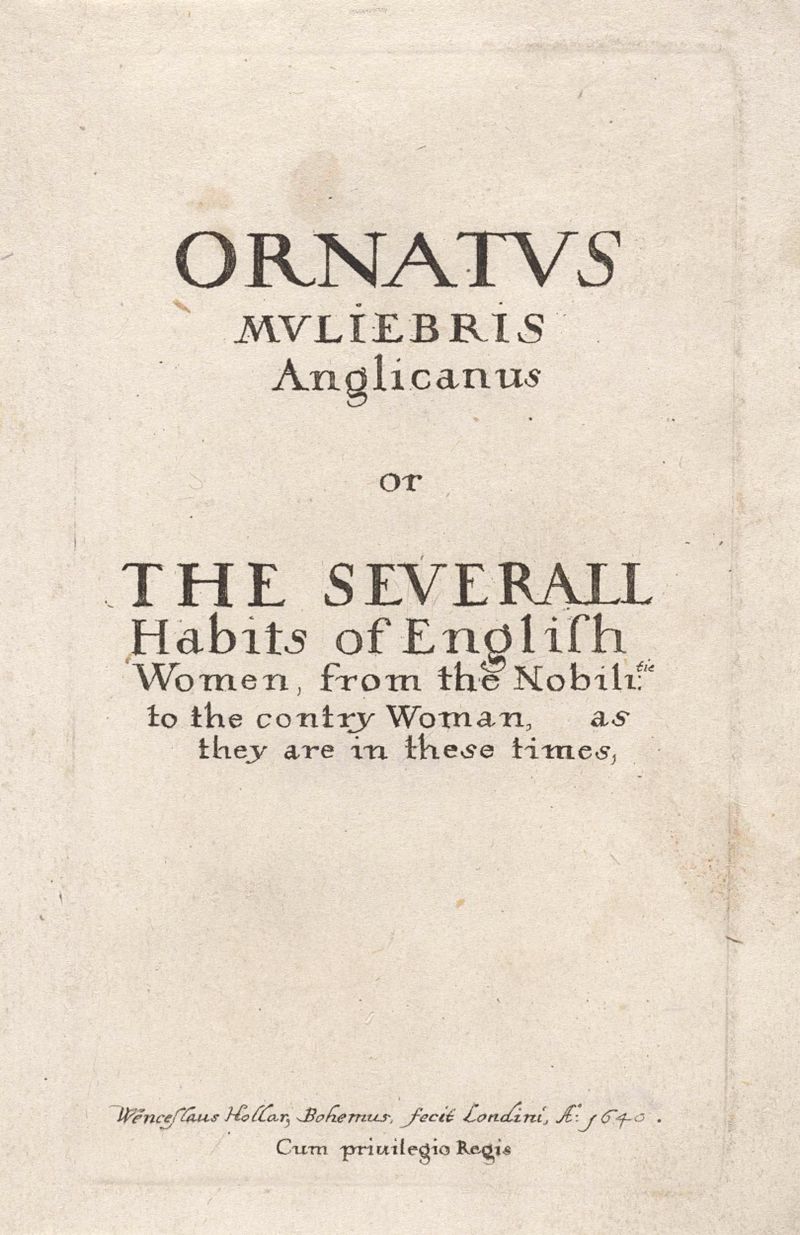
Titelprent voor: Ornatus Muliebris Anglicanus
Wenceslaus Hollar
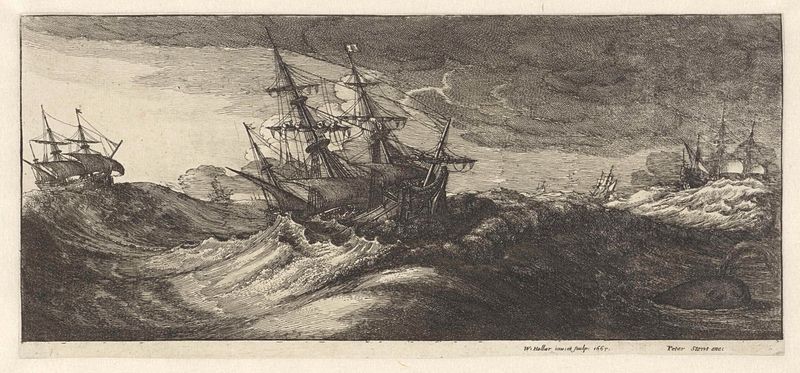
Oorlogsschepen en een walvis in een zeestorm
Wenceslaus Hollar
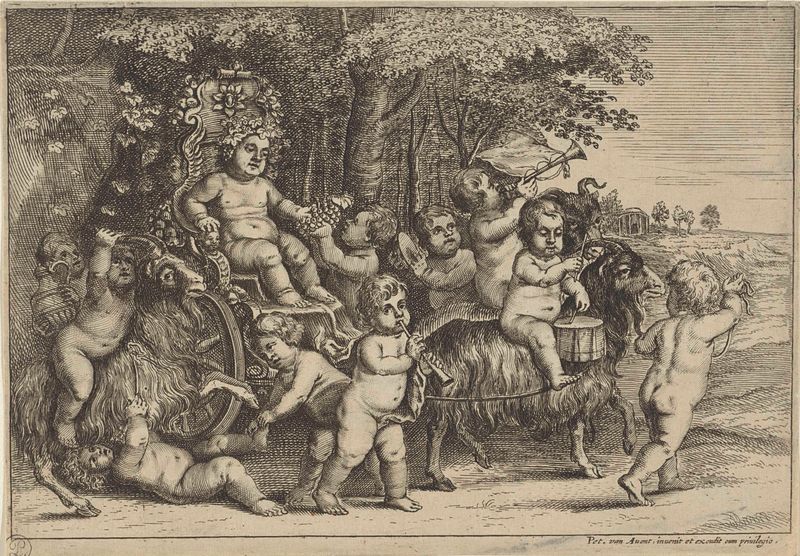
Optocht van bacchant en jongetjes op geiten
Wenceslaus Hollar
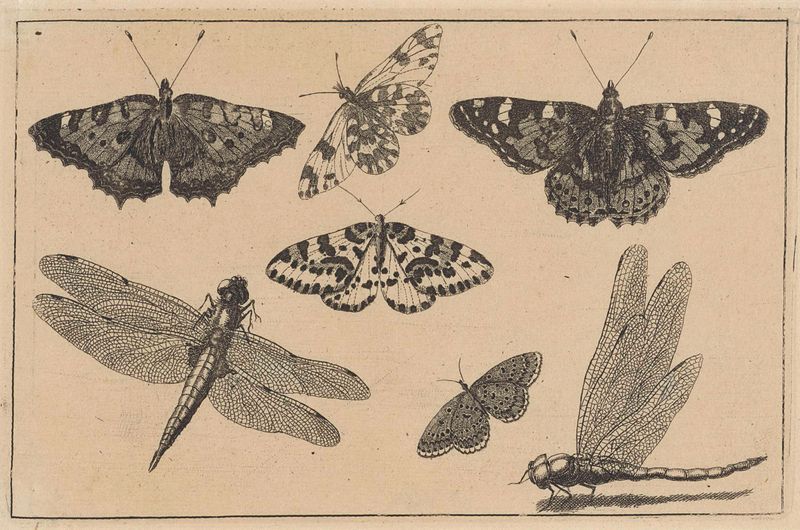
Twee libellen en vijf vlinders
Wenceslaus Hollar
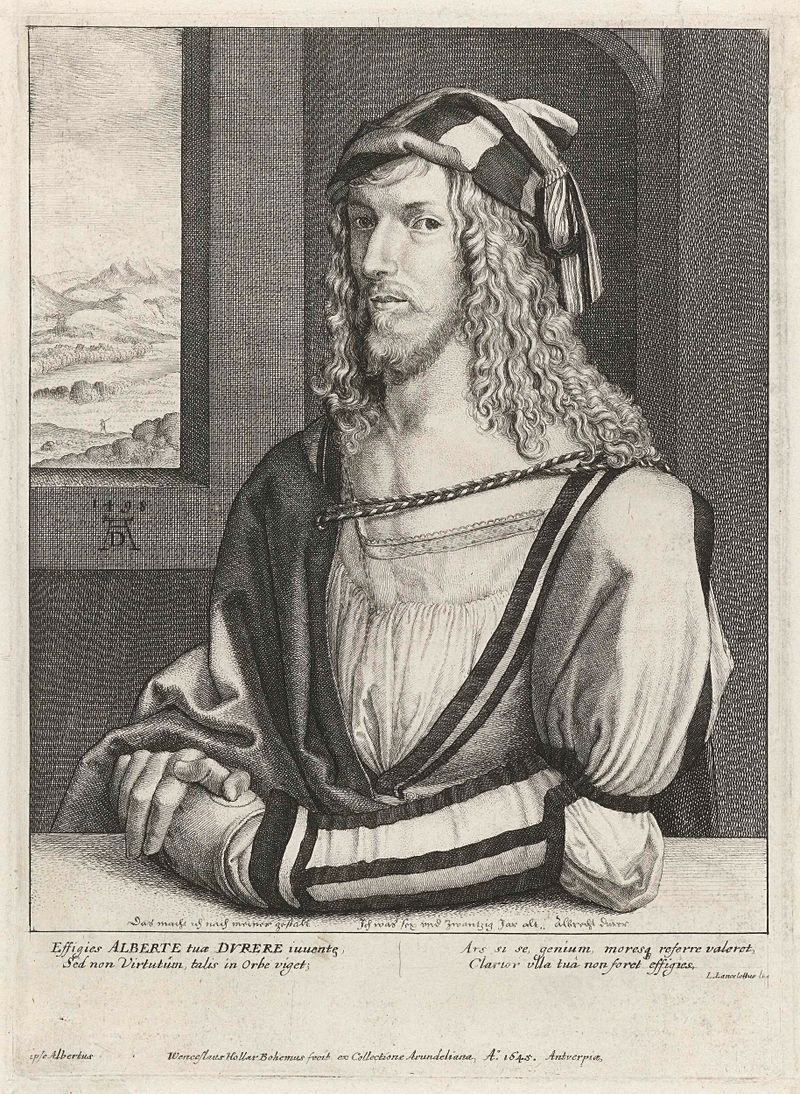
Portret van Albrecht Dürer
Wenceslaus Hollar
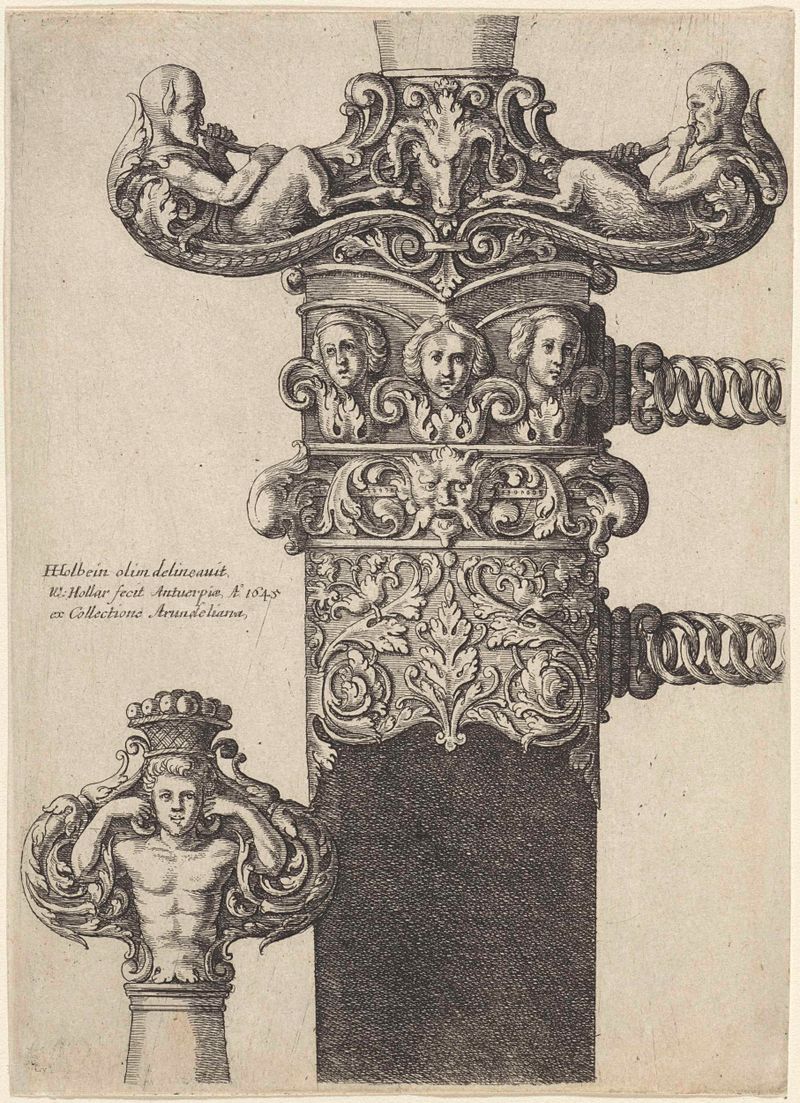
Ornamenteel ontwerp voor een dolk
Wenceslaus Hollar
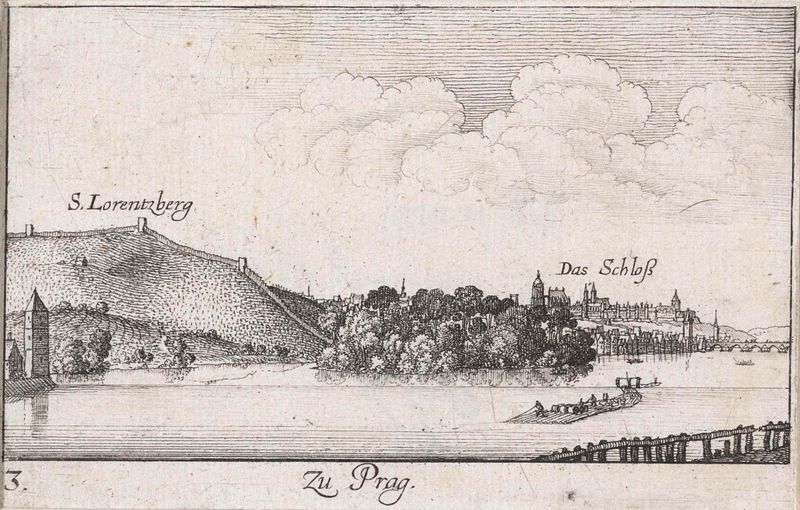
Gezicht op Praag vanaf de Moldau
Wenceslaus Hollar