Schelp, cymatium parthenopeum — History & Facts
In Schelp, cymatium parthenopeum, the artist captures a serene yet haunting moment, revealing the delicate balance between beauty and loss. The intricate details of the subject evoke a bittersweet reflection, inviting us to ponder the fragility of life and nature's ever-shifting existence. Look closely at the delicate lines that define the shell's curves, where each stroke suggests a narrative of time passing. Notice how the subtle gradations of color, from soft creams to muted greys, illuminate the shell's surface, enhancing its ethereal presence.
The composition is meticulously arranged, allowing the viewer to appreciate the craftsmanship while evoking a sense of solitude within the natural world. In this artwork, the interplay of light and shadow unfolds a deeper story of mortality and decay. The shell, a symbol of protection, stands alone—its beauty marred by the passage of time. This contrast between the vessel’s fragile elegance and its inherent impermanence speaks to a universal experience of loss, urging us to confront our own evanescent journeys. During the years 1644 to 1652, Wenceslaus Hollar worked in England, having escaped the political turmoil of his homeland, Bohemia.
This period was marked by significant artistic exploration, with an emphasis on detailed naturalism. Hollar's encounters with the burgeoning botanical sciences influenced his focus on minute details, reflecting both his love for nature and the somber contemplation of existence amidst a world in flux.
More Artworks by Wenceslaus Hollar
Browse all →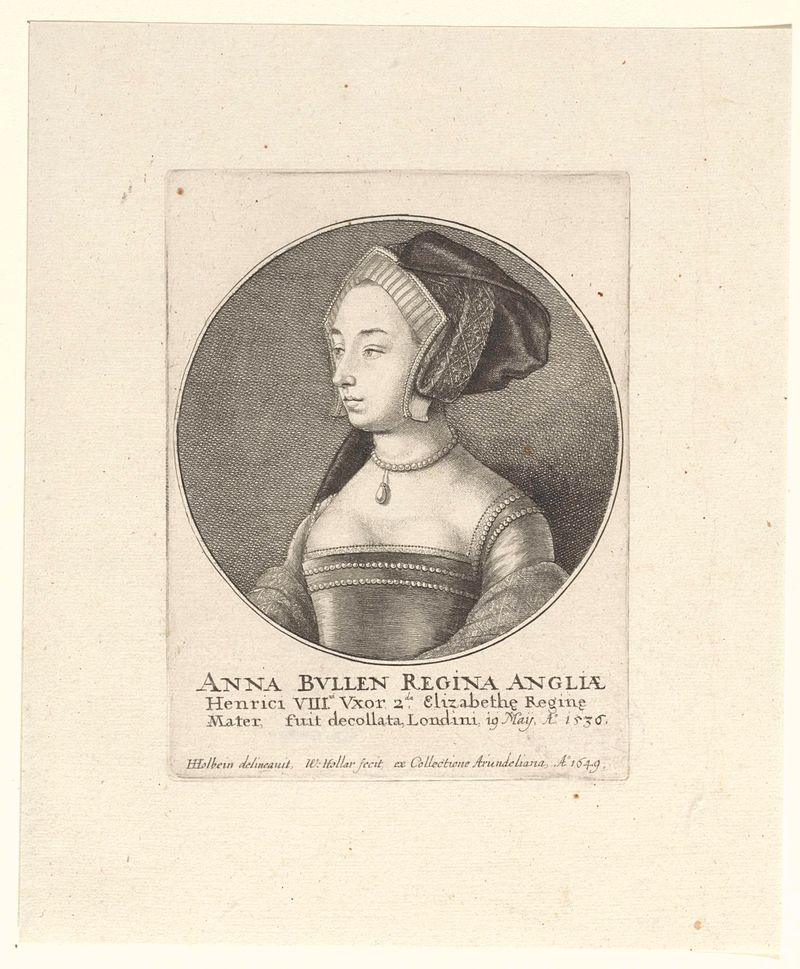
Portret van Anna Boleyn, koningin van Engeland
Wenceslaus Hollar
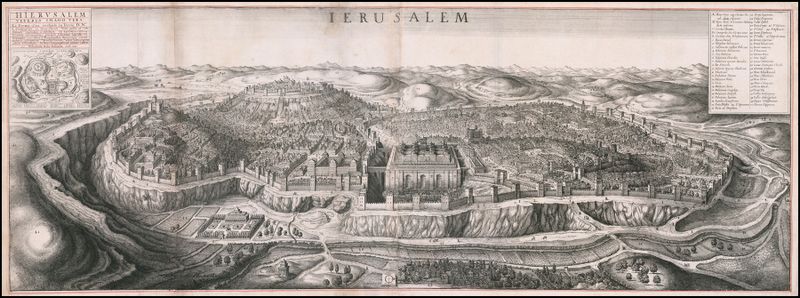
Bird’s eye view of Jerusalem
Wenceslaus Hollar
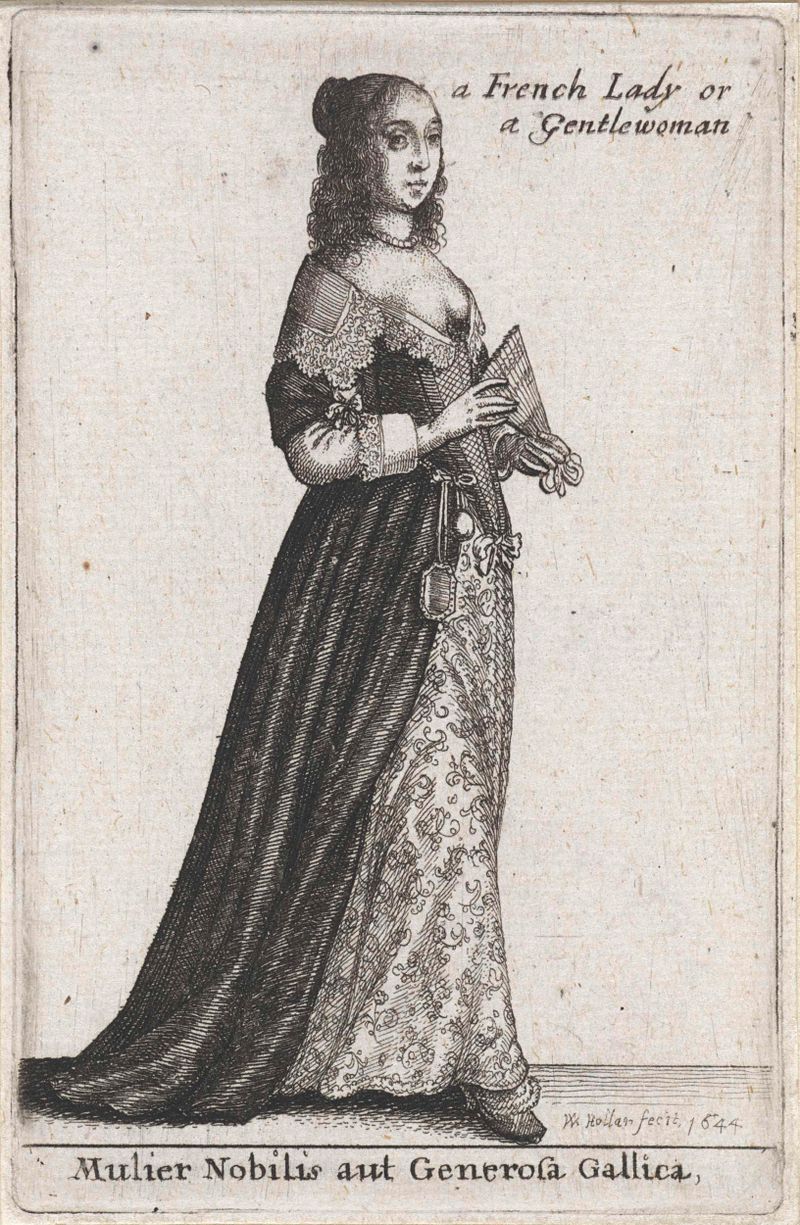
Mulier Nobilis aut Generosa Gallica / a French Lady or Gentlewoman
Wenceslaus Hollar
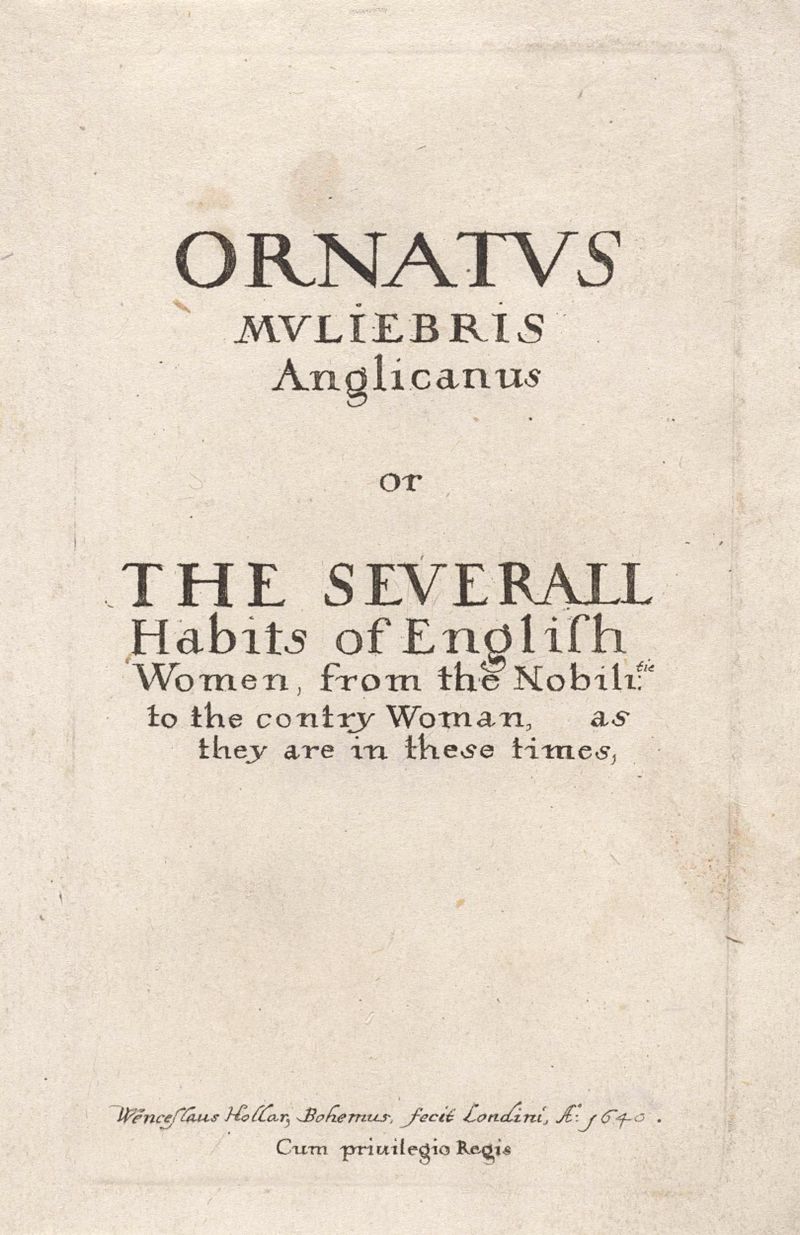
Titelprent voor: Ornatus Muliebris Anglicanus
Wenceslaus Hollar
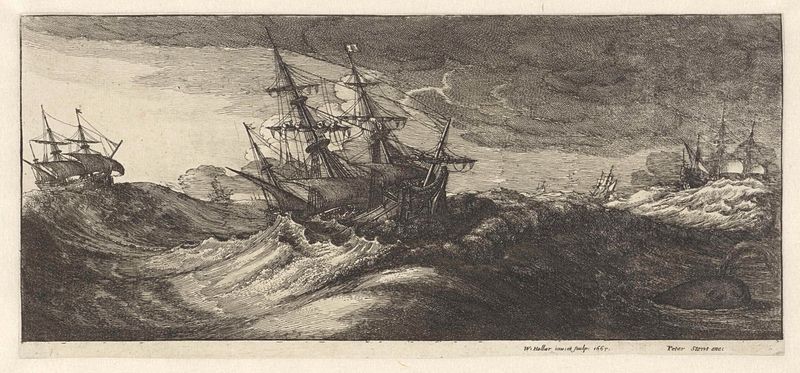
Oorlogsschepen en een walvis in een zeestorm
Wenceslaus Hollar
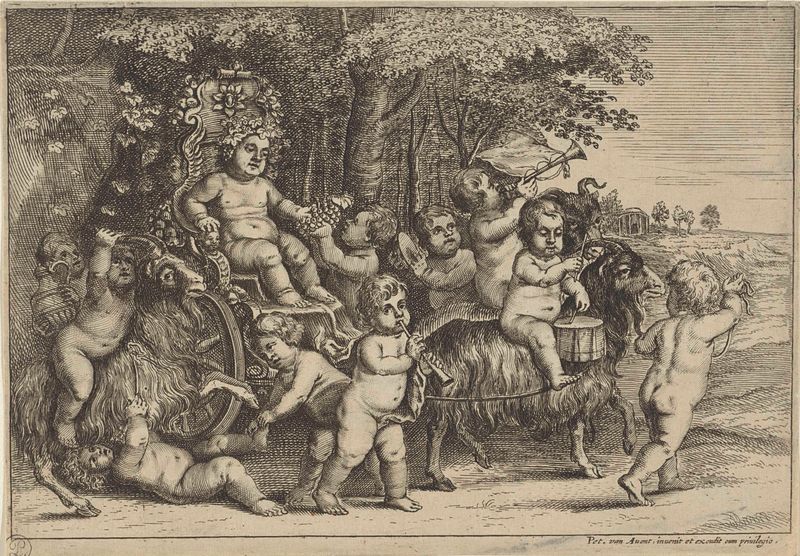
Optocht van bacchant en jongetjes op geiten
Wenceslaus Hollar
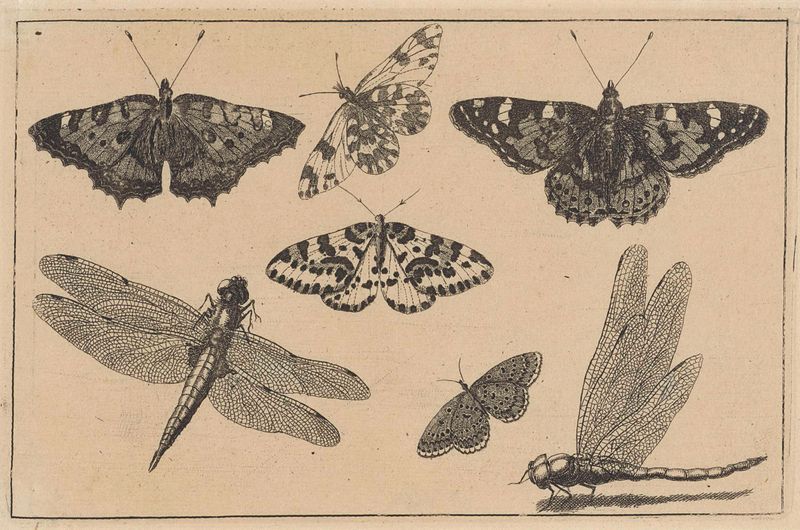
Twee libellen en vijf vlinders
Wenceslaus Hollar
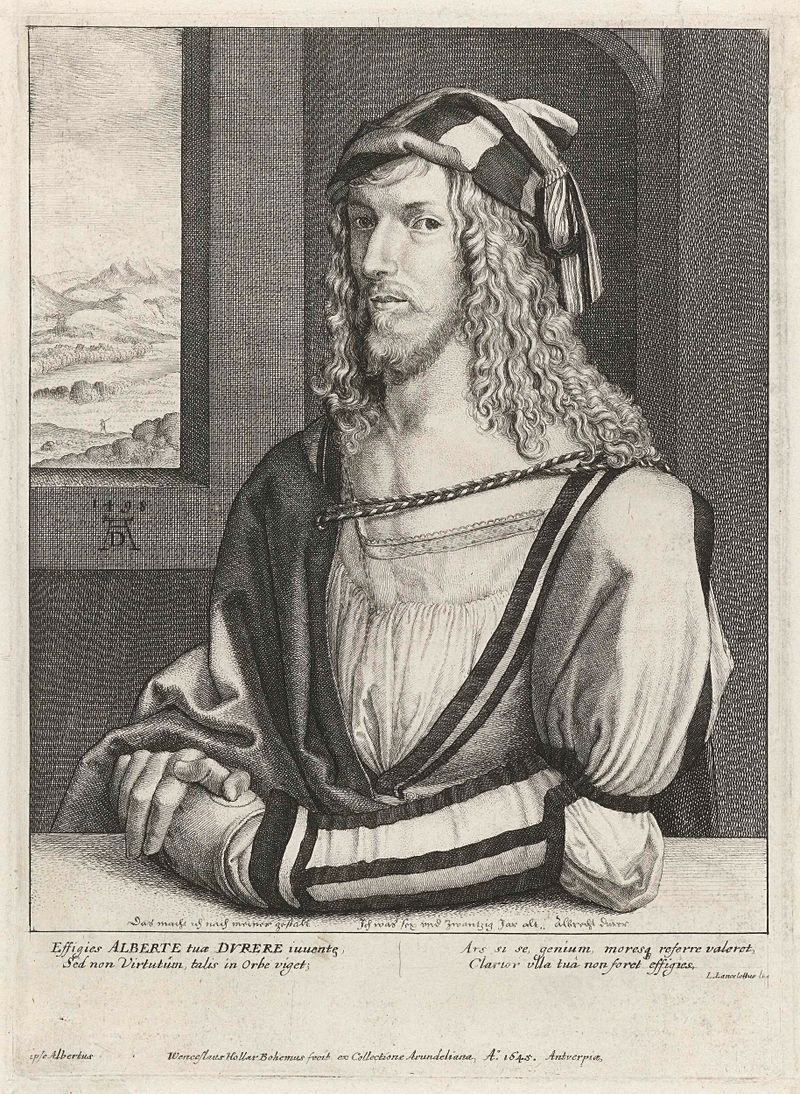
Portret van Albrecht Dürer
Wenceslaus Hollar
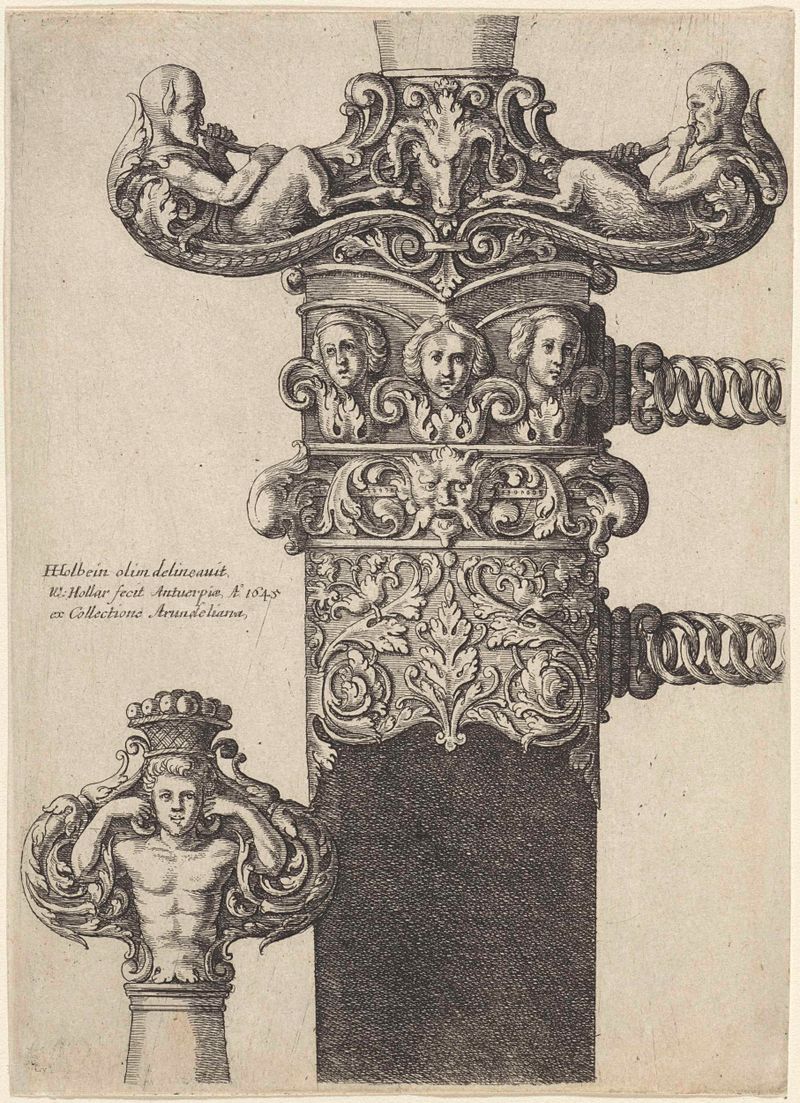
Ornamenteel ontwerp voor een dolk
Wenceslaus Hollar
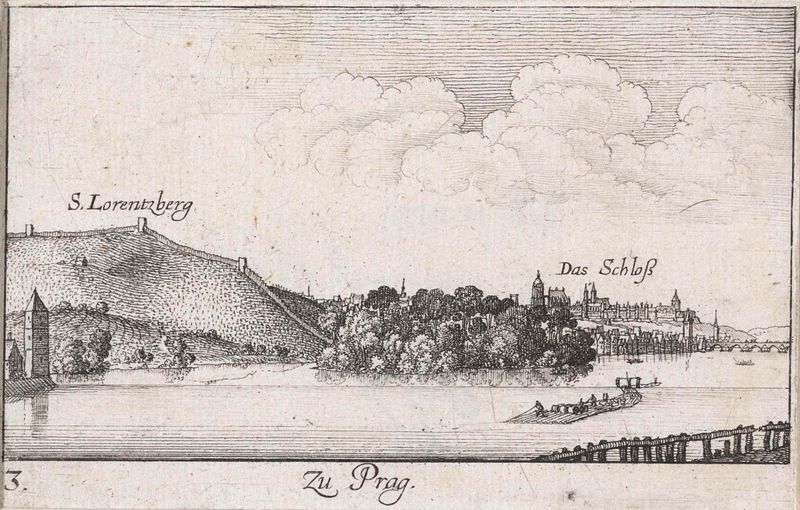
Gezicht op Praag vanaf de Moldau
Wenceslaus Hollar