Schelp, cypraea tigris — History & Facts
In Schelp, cypraea tigris, nature unfolds itself in an awe-inspiring display of intricacy, revealing the delicate balance of life and form. Look closely at the central figure, where the beautifully rendered tiger cowrie shell emerges from a backdrop of muted earth tones. Notice how the subtle play of light highlights its smooth, glossy surface, inviting a touch yet maintaining its enigmatic allure. The meticulous detailing of the shell's patterns, meticulously etched with a precision that seems alive, draws the viewer's gaze into a world where realism dances with the fantastical. Within this seemingly simple composition lies a rich tapestry of meanings.
The shell, a vessel of both beauty and fragility, speaks to the transient nature of existence, a reminder of life's impermanence. The artist's careful rendering contrasts the solid, tangible shell with the ethereal quality of the surrounding space, suggesting a dialogue between the earthly and the ephemeral. Each curve and spot encapsulates a story of survival and the elegance of life’s minutiae. Wenceslaus Hollar, in the early 1640s, found himself in a transformative period, having fled the Thirty Years’ War, which deeply impacted the art scene in Europe.
Settling in England, he embraced the burgeoning interest in natural history and scientific illustration, contributing to a growing appreciation for the beauty of the natural world. Schelp, cypraea tigris reflects this moment, blending meticulous observation with a deep reverence for life’s wonders, establishing Hollar as a significant figure in the realm of realism.
More Artworks by Wenceslaus Hollar
Browse all →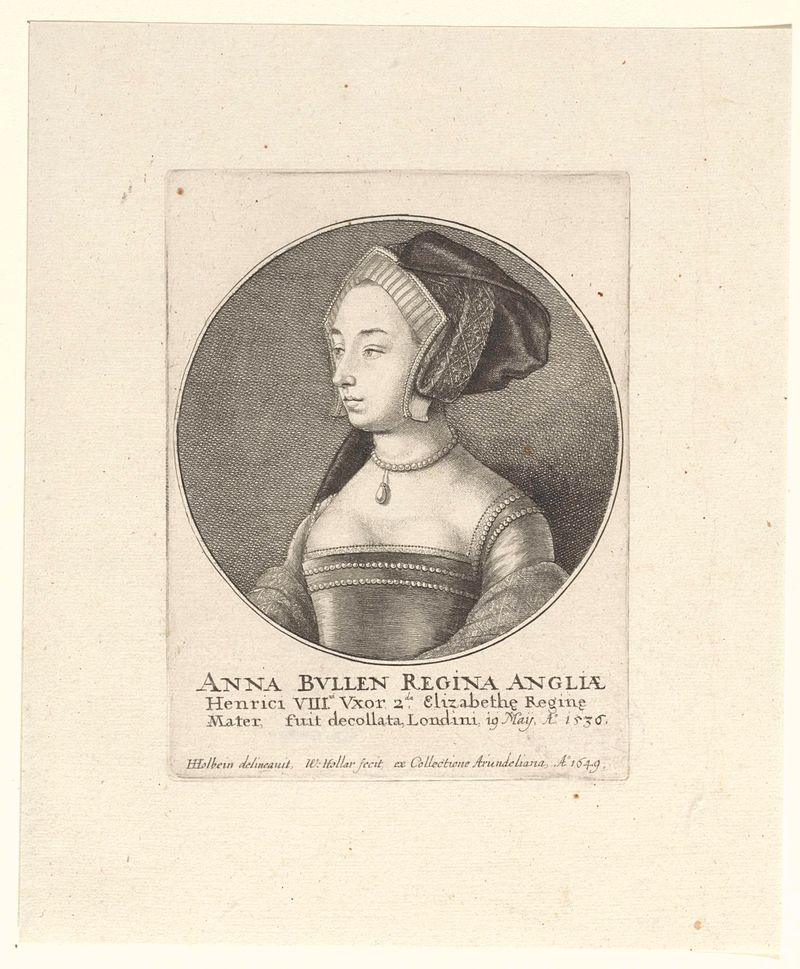
Portret van Anna Boleyn, koningin van Engeland
Wenceslaus Hollar
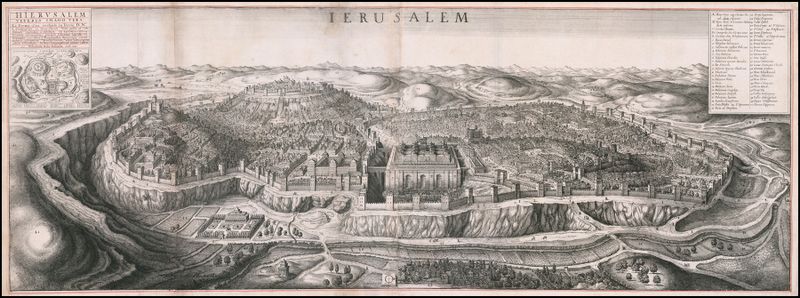
Bird’s eye view of Jerusalem
Wenceslaus Hollar
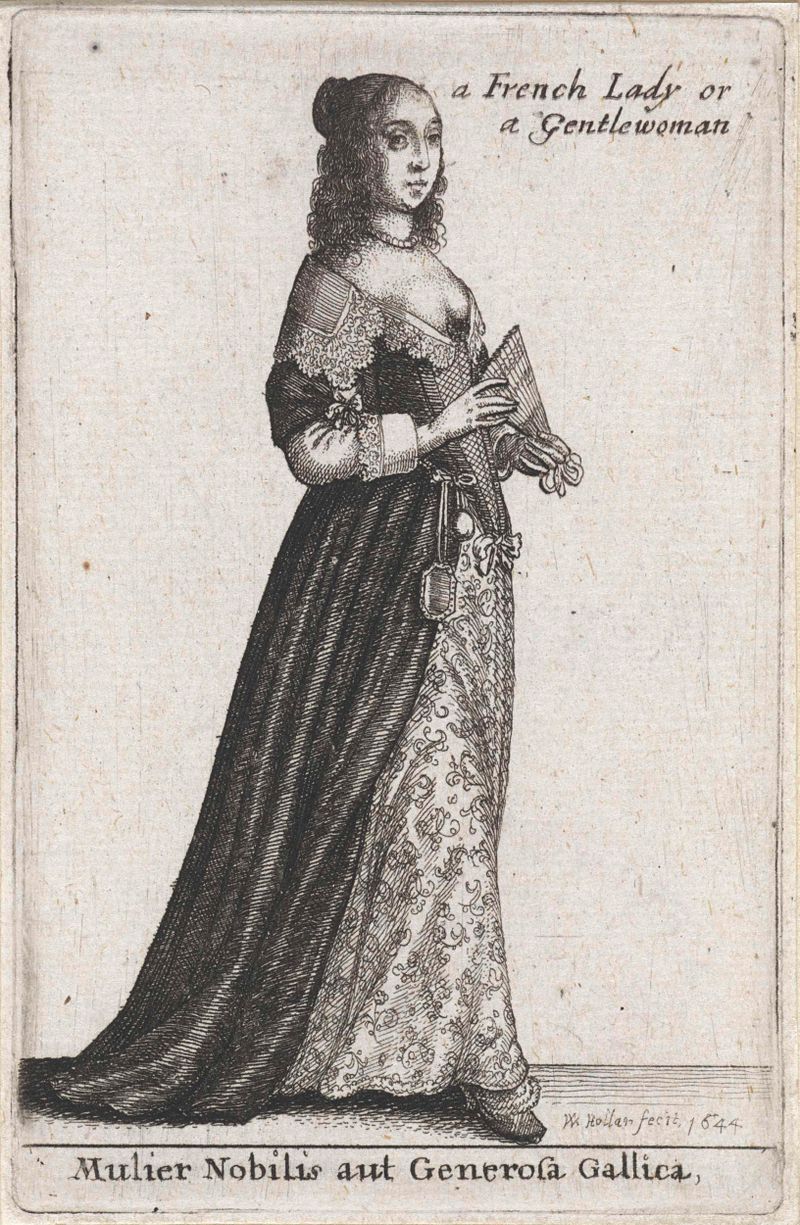
Mulier Nobilis aut Generosa Gallica / a French Lady or Gentlewoman
Wenceslaus Hollar
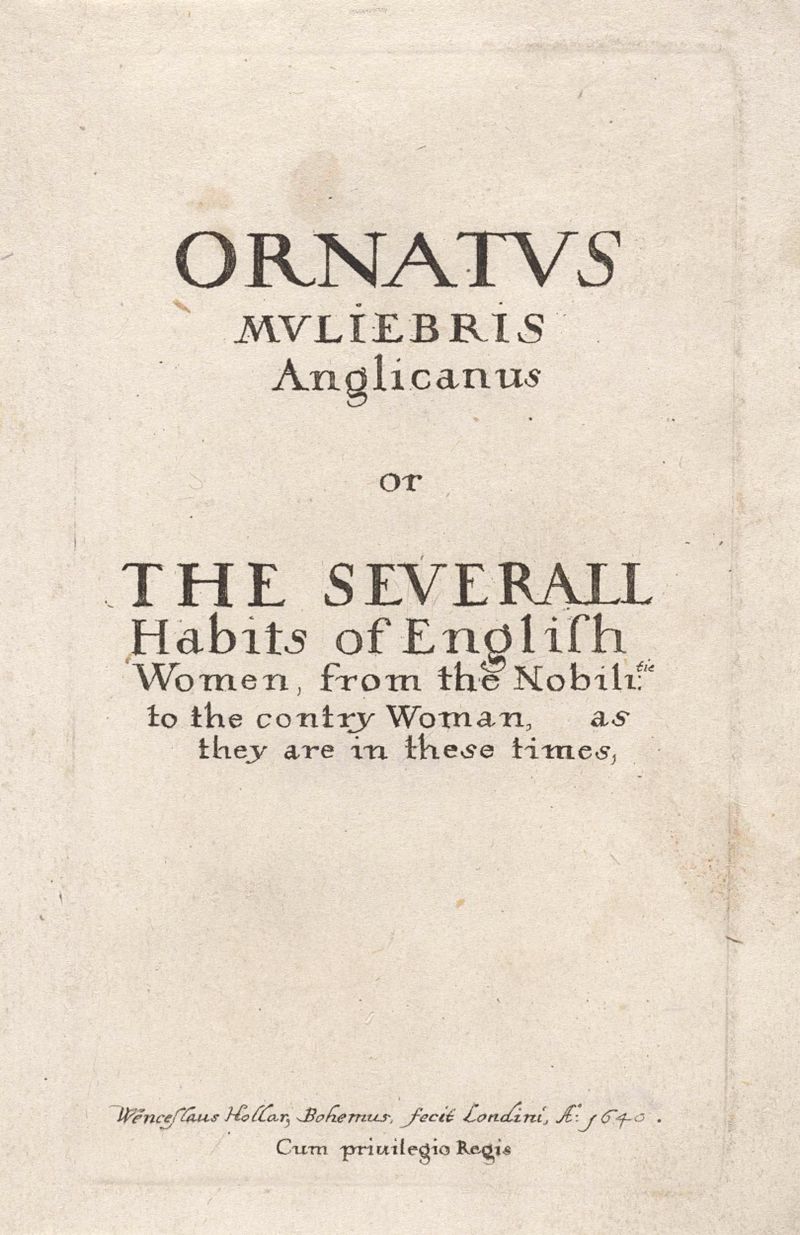
Titelprent voor: Ornatus Muliebris Anglicanus
Wenceslaus Hollar
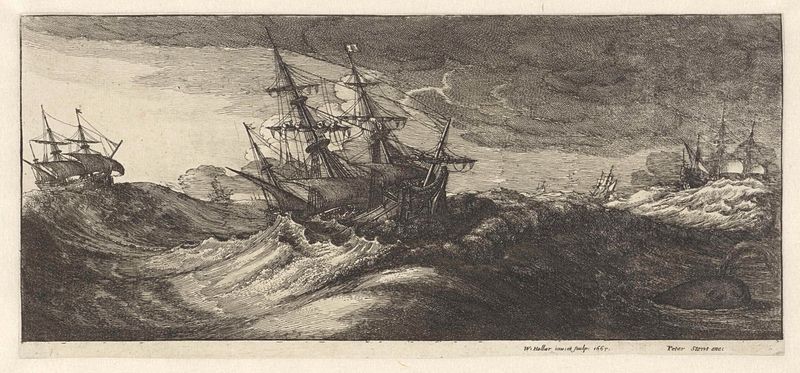
Oorlogsschepen en een walvis in een zeestorm
Wenceslaus Hollar
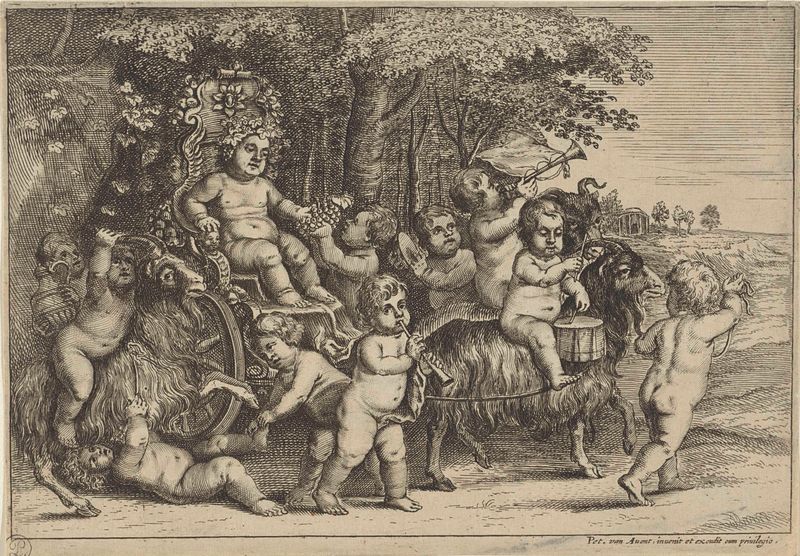
Optocht van bacchant en jongetjes op geiten
Wenceslaus Hollar
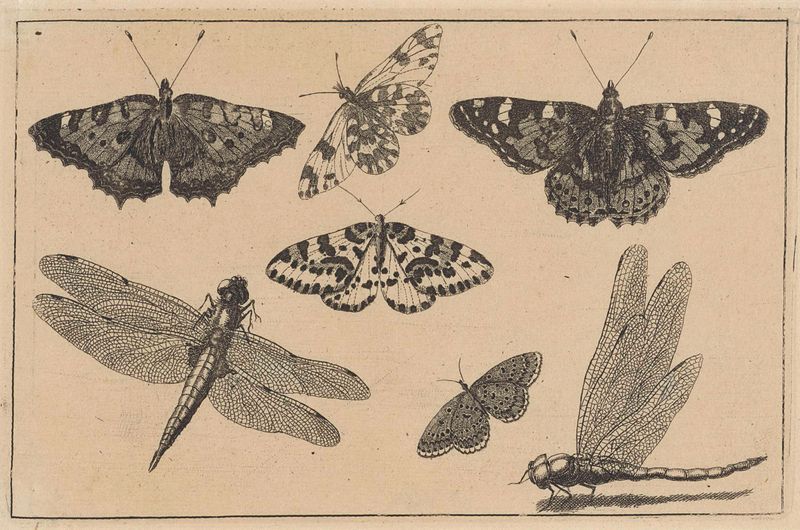
Twee libellen en vijf vlinders
Wenceslaus Hollar
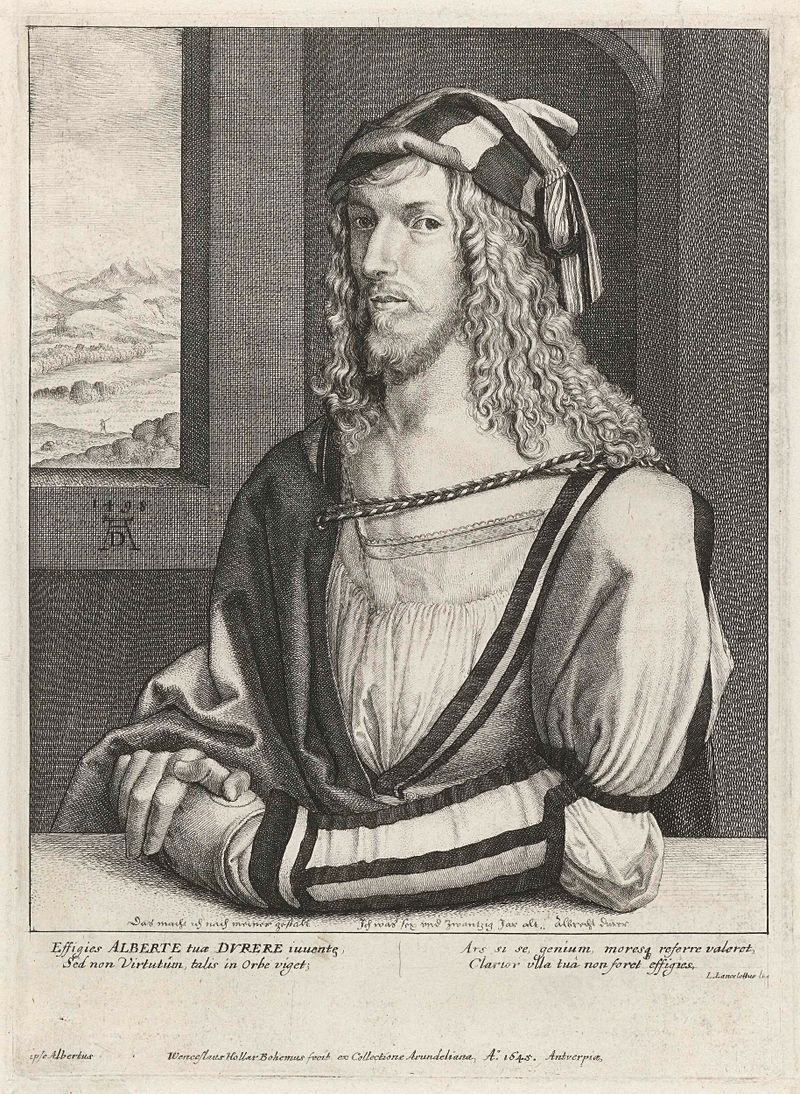
Portret van Albrecht Dürer
Wenceslaus Hollar
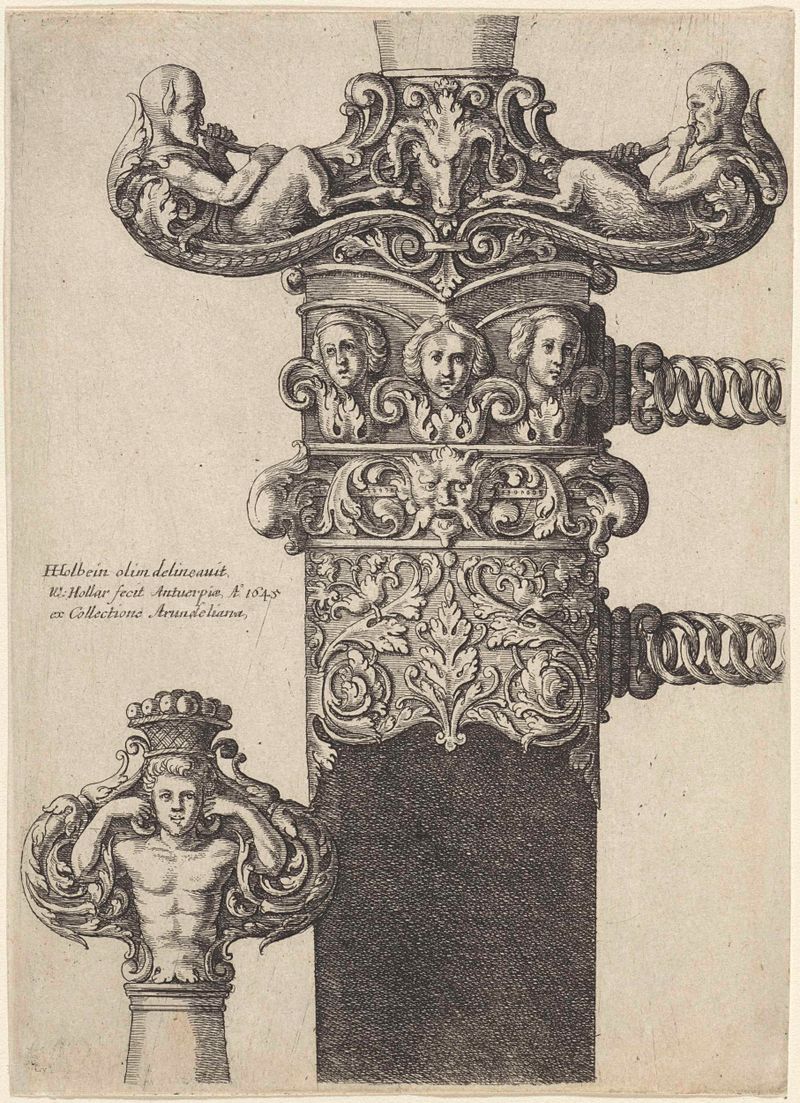
Ornamenteel ontwerp voor een dolk
Wenceslaus Hollar
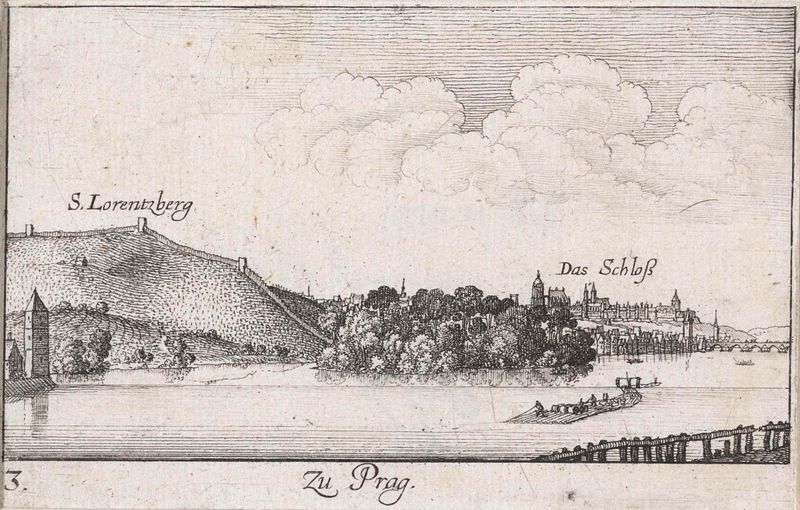
Gezicht op Praag vanaf de Moldau
Wenceslaus Hollar