Schelp, fasciolaria tulipa — History & Facts
The delicate layers of existence are captured in a mere moment of beauty, revealing the transcendence of nature encapsulated within art. Focus on the meticulous details in Schelp, fasciolaria tulipa. The shell, with its intricate spirals and soft, muted hues, draws your gaze immediately. Notice how the light gracefully illuminates its curves, creating gentle shadows that suggest both fragility and strength.
The gentle play of color, from soft creams to rich browns, evokes a warmth that invites deeper contemplation, urging viewers to explore the textures that narrate the shell’s journey through time. In this work, there exists a duality of permanence and transience. The shell, a symbol of life’s passage and the beauty of decay, contrasts with its own stillness in the picture. It embodies both the fleeting moments of nature's splendor and the enduring essence of artistry.
Hollar cleverly invites us to consider the layers of meaning behind the object; as we gaze at it, we are reminded of the ephemerality of life and the persistence of memory, transcending our immediate reality. Wenceslaus Hollar painted Schelp, fasciolaria tulipa between 1644 and 1652, during his time in England after fleeing the Thirty Years' War in his native Bohemia. This period was marked by a flourishing of printmaking and detailed natural studies, reflecting the prevailing curiosity of the era. His work meticulously documented the natural world, merging scientific observation with the artistry of representation, a testament to the intertwining of art and science in his life’s work.
More Artworks by Wenceslaus Hollar
Browse all →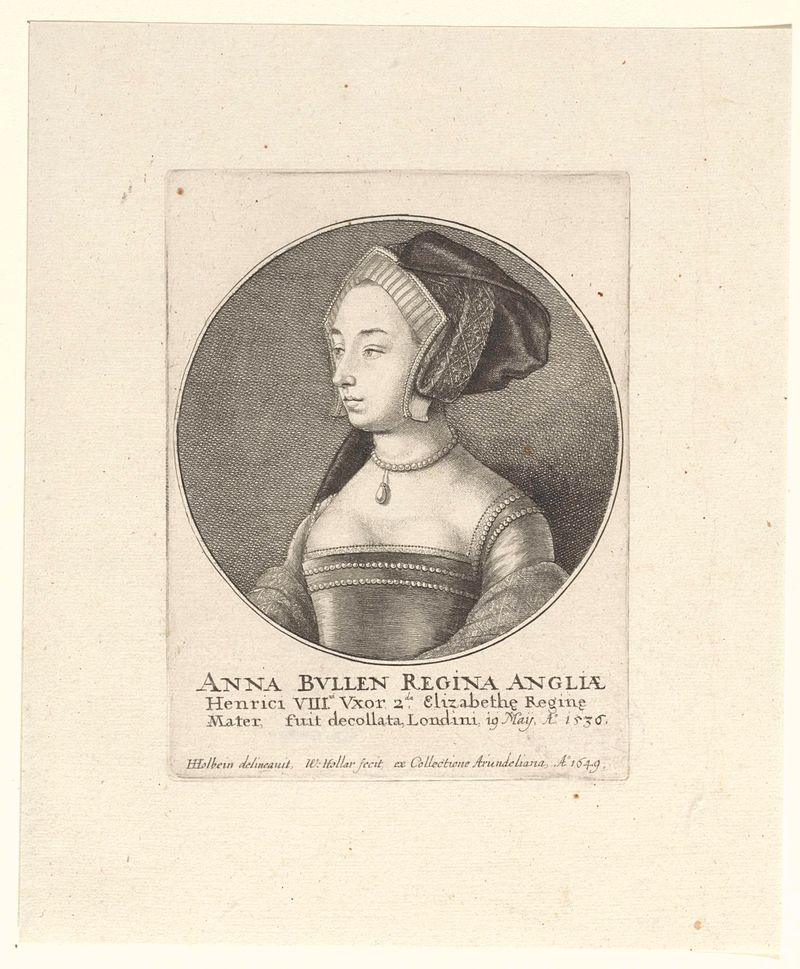
Portret van Anna Boleyn, koningin van Engeland
Wenceslaus Hollar
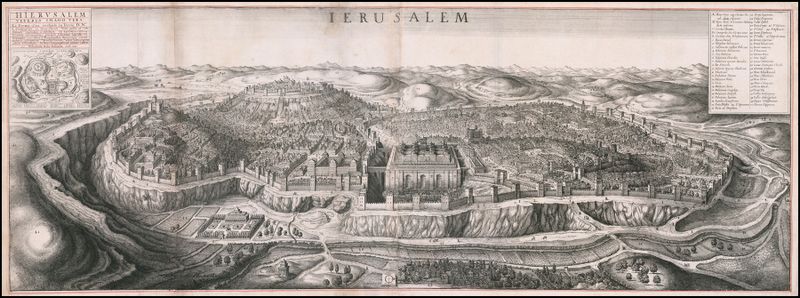
Bird’s eye view of Jerusalem
Wenceslaus Hollar
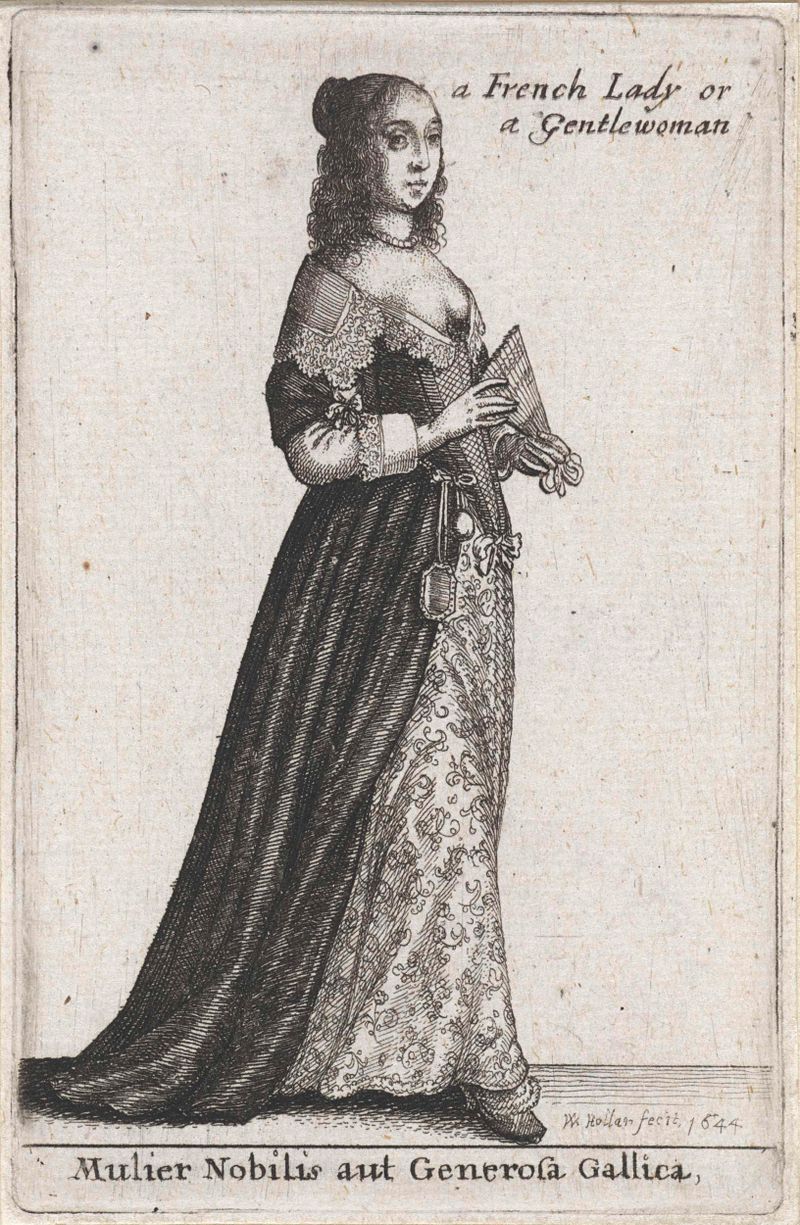
Mulier Nobilis aut Generosa Gallica / a French Lady or Gentlewoman
Wenceslaus Hollar
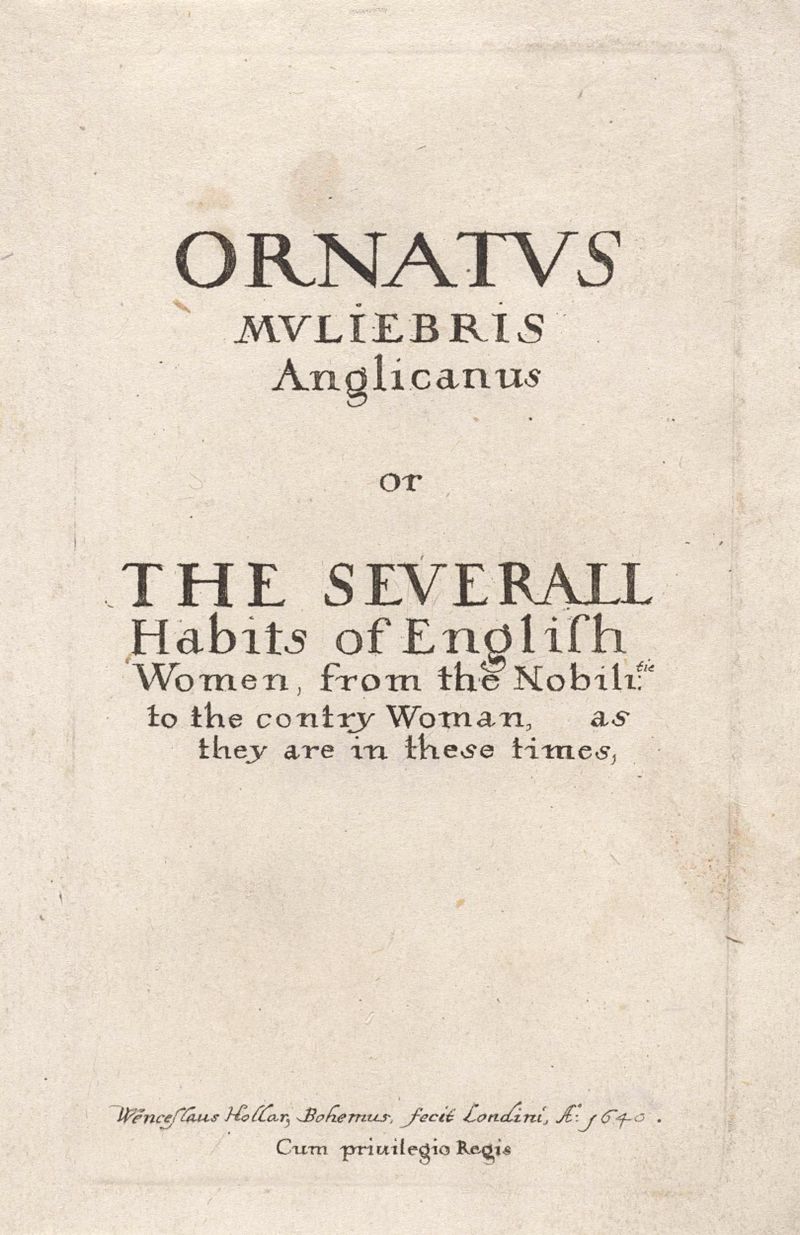
Titelprent voor: Ornatus Muliebris Anglicanus
Wenceslaus Hollar
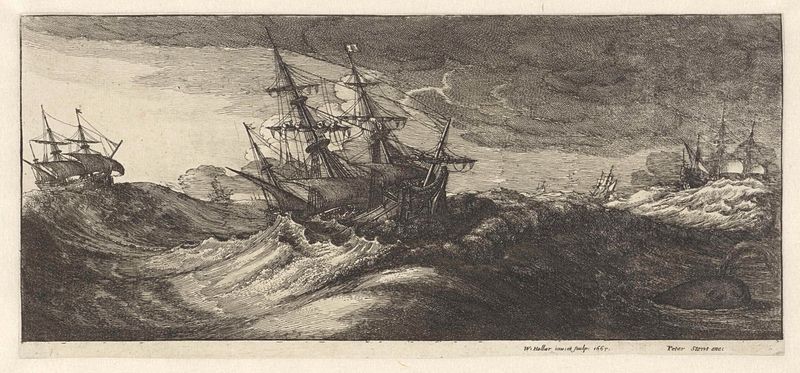
Oorlogsschepen en een walvis in een zeestorm
Wenceslaus Hollar
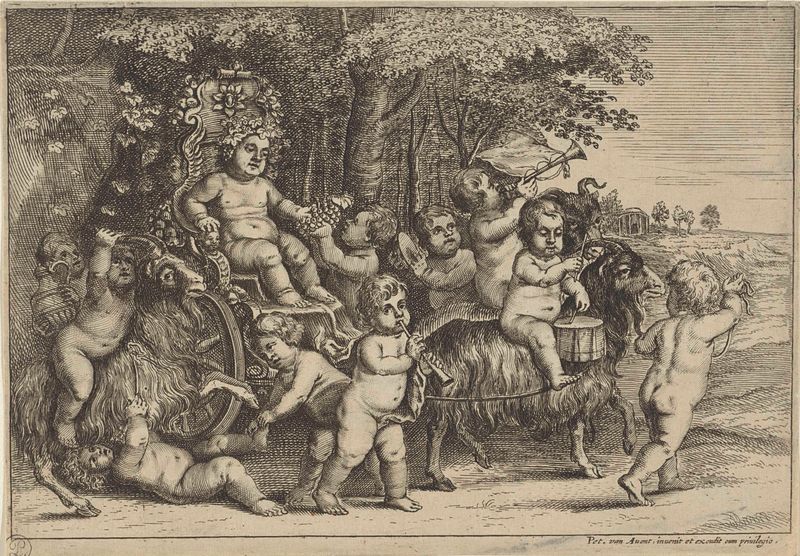
Optocht van bacchant en jongetjes op geiten
Wenceslaus Hollar
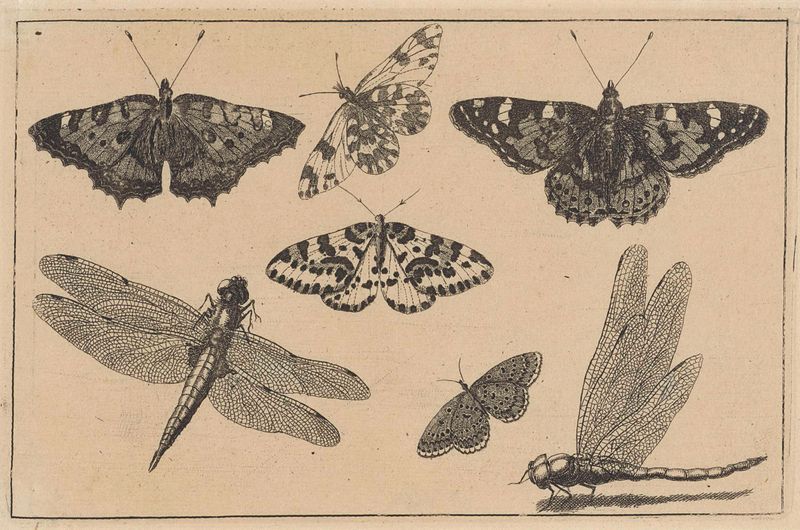
Twee libellen en vijf vlinders
Wenceslaus Hollar
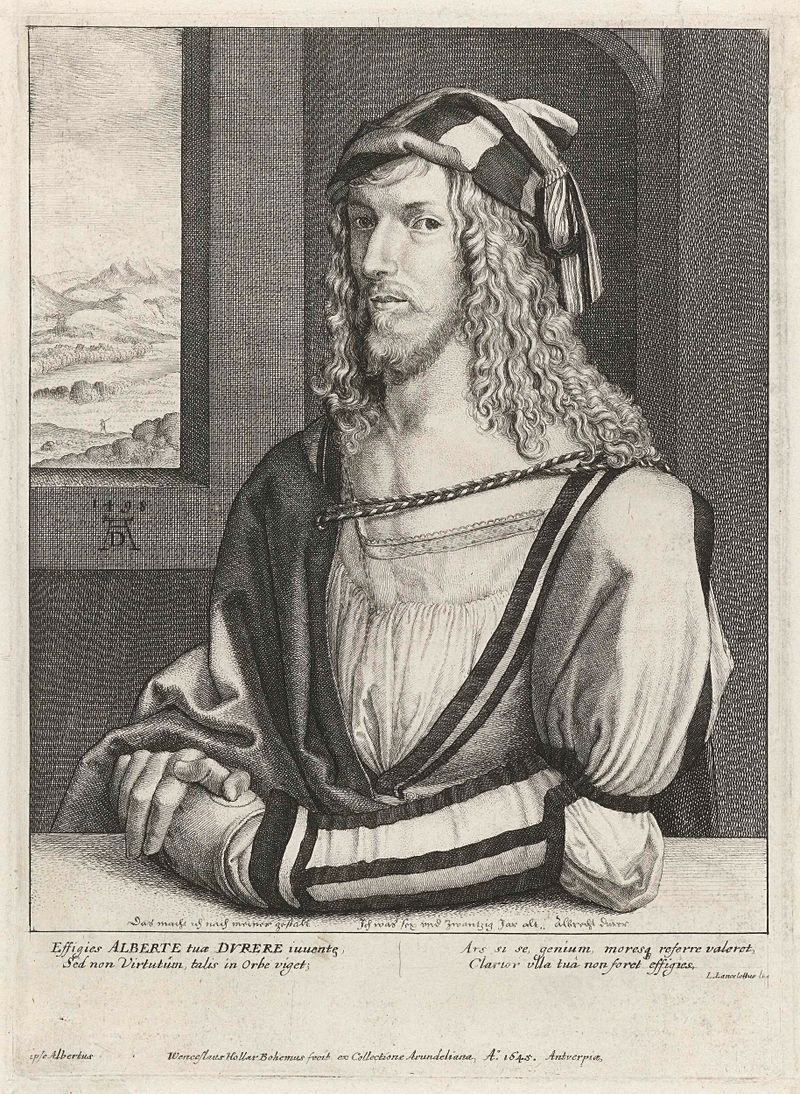
Portret van Albrecht Dürer
Wenceslaus Hollar
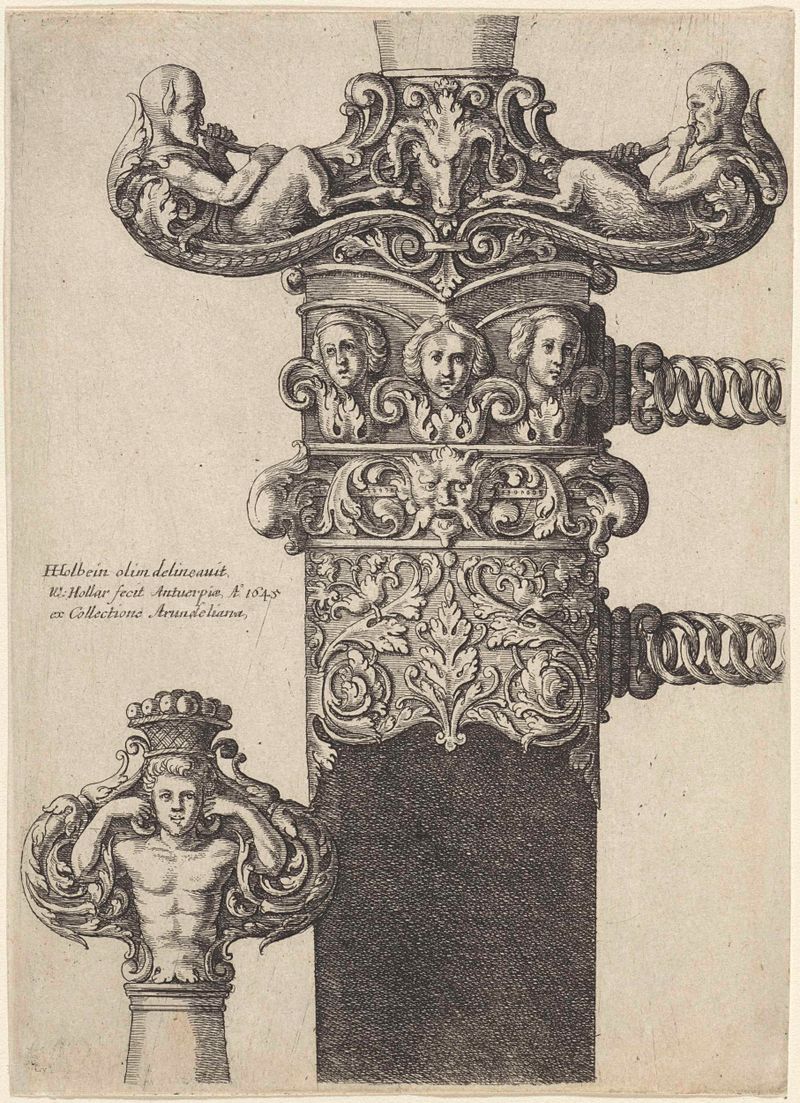
Ornamenteel ontwerp voor een dolk
Wenceslaus Hollar
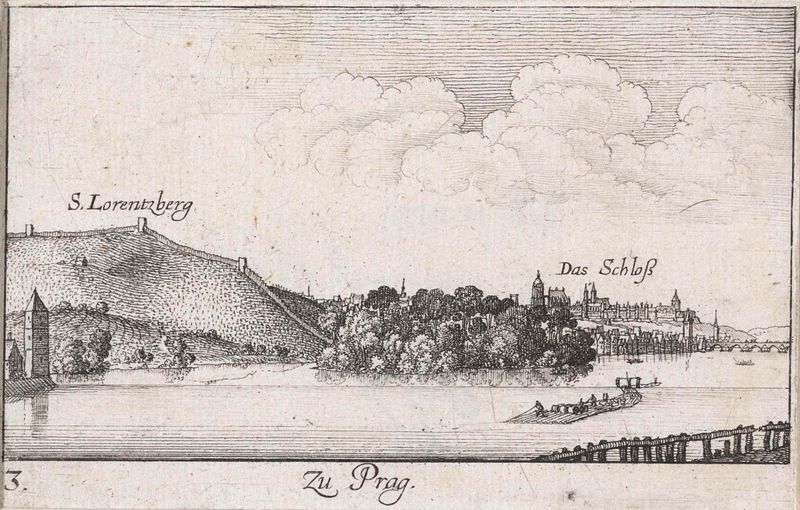
Gezicht op Praag vanaf de Moldau
Wenceslaus Hollar