Schelp, harpa major — History & Facts
In a moment of awakening, a visual symphony unfolds—a testament to the delicate balance between nature and human expression. Look to the left at the intricate details of the harpa major, where Wenceslaus Hollar meticulously captures each curve and contour. The interplay of light and shadow breathes life into the piece, allowing the viewer to appreciate the smooth texture of the instrument against the crisp, organic lines of the surrounding foliage. The muted earth tones contrast beautifully with the delicate silver hues, guiding your gaze across the composition with a gentle yet purposeful flow. As you delve deeper, note the subtle tension between the instrument and its natural surroundings.
The juxtaposition of man-made and organic forms suggests a dialogue between civilization and the wild—a reminder of the profound connection that binds them. Tiny details, such as the almost rhythmic placement of leaves and the soft whisper of the wind, evoke a sense of serenity, yet hint at an underlying restlessness, as if nature is poised for a melody yet to unfold. Hollar created this piece between 1644 and 1652 in Prague, a time of significant artistic exploration in Europe. Influenced by the Baroque movement, he sought to capture the essence of beauty in everyday subjects, exploring both detailed observation and imaginative representation.
As he painted, Europe was navigating the tumult of the Thirty Years' War, making his focus on nature and harmonious forms a poignant response to the chaos surrounding him.
More Artworks by Wenceslaus Hollar
Browse all →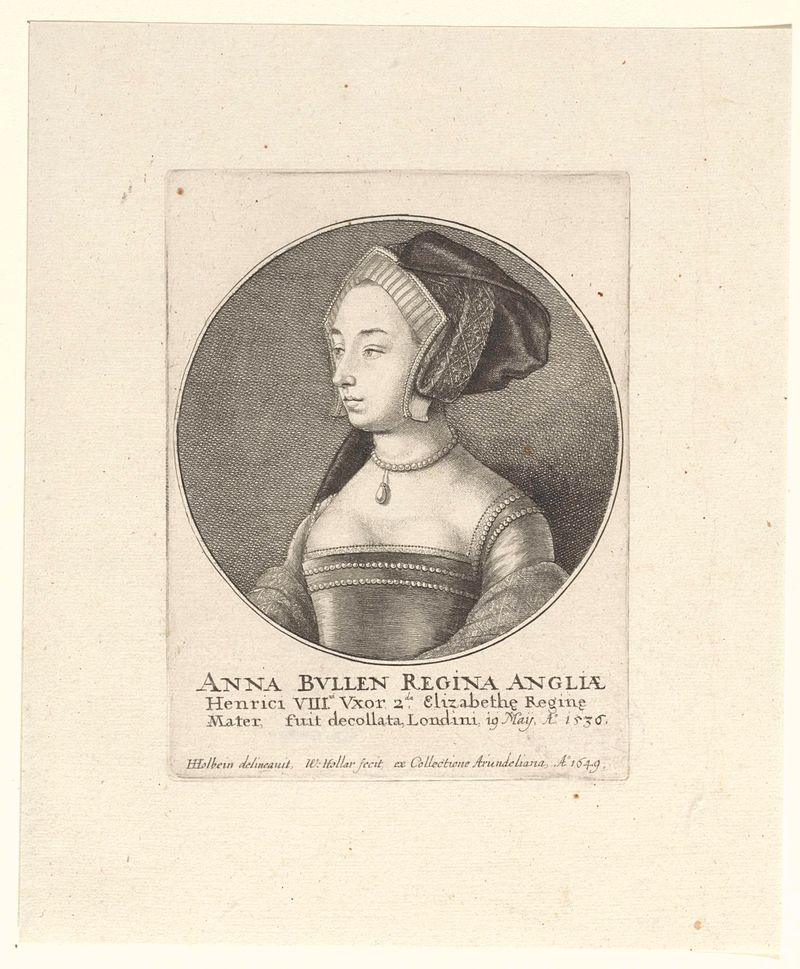
Portret van Anna Boleyn, koningin van Engeland
Wenceslaus Hollar
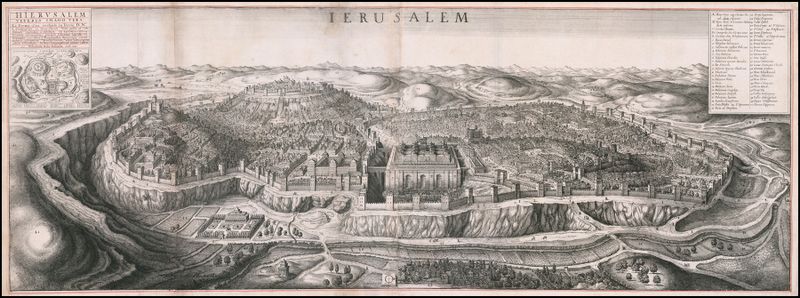
Bird’s eye view of Jerusalem
Wenceslaus Hollar
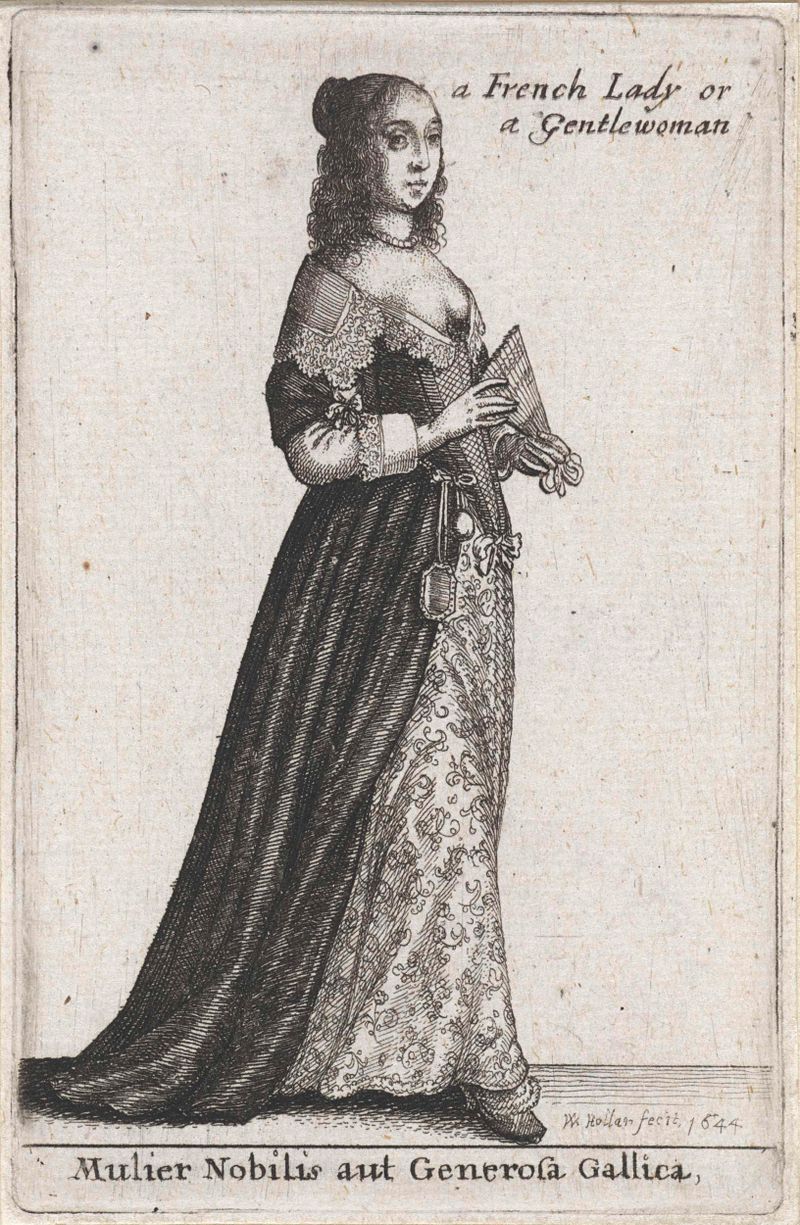
Mulier Nobilis aut Generosa Gallica / a French Lady or Gentlewoman
Wenceslaus Hollar
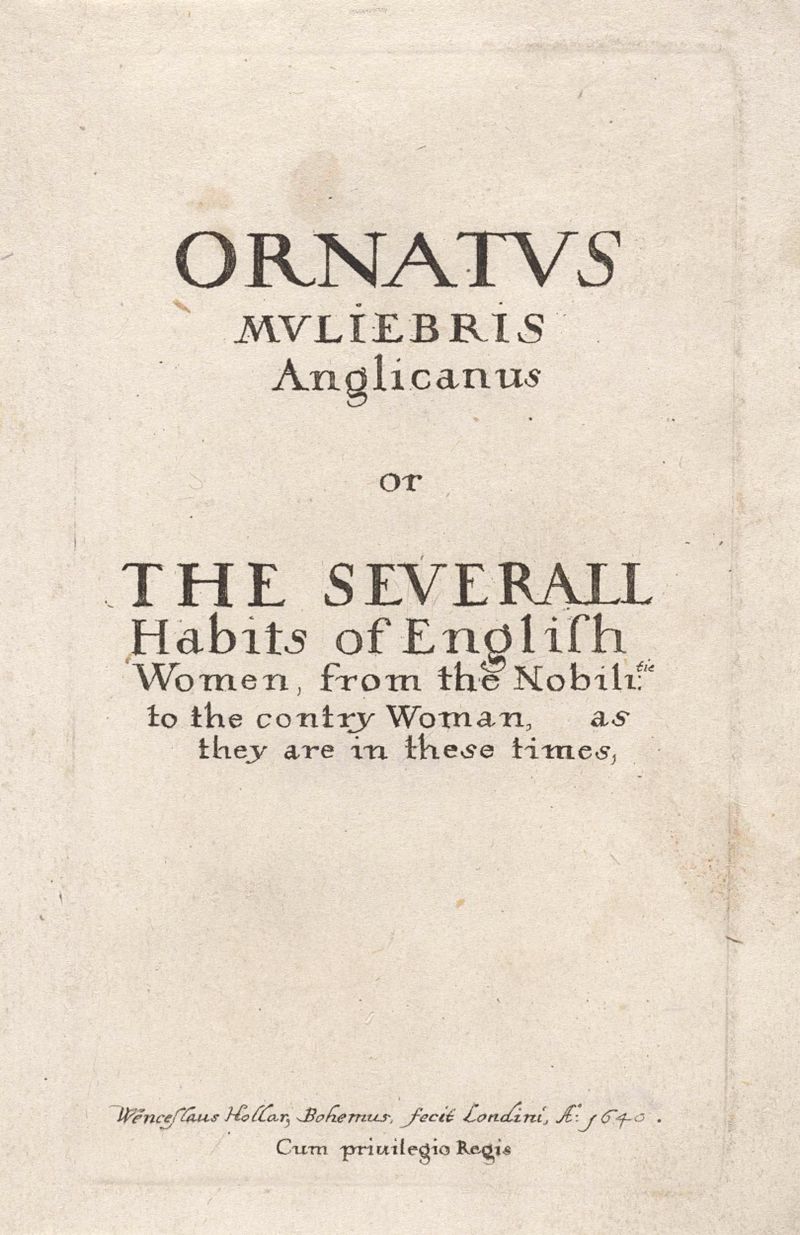
Titelprent voor: Ornatus Muliebris Anglicanus
Wenceslaus Hollar
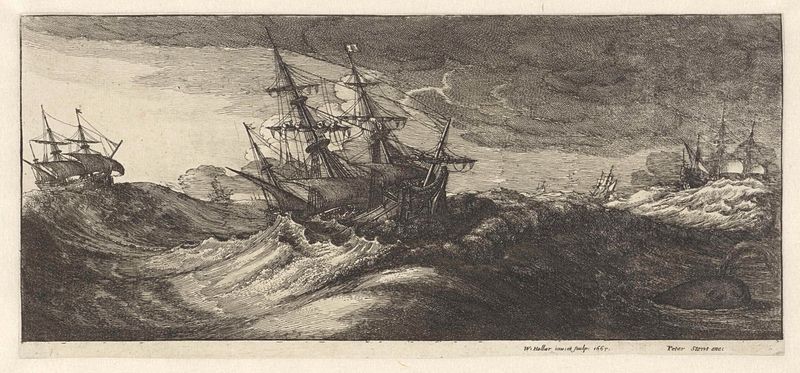
Oorlogsschepen en een walvis in een zeestorm
Wenceslaus Hollar
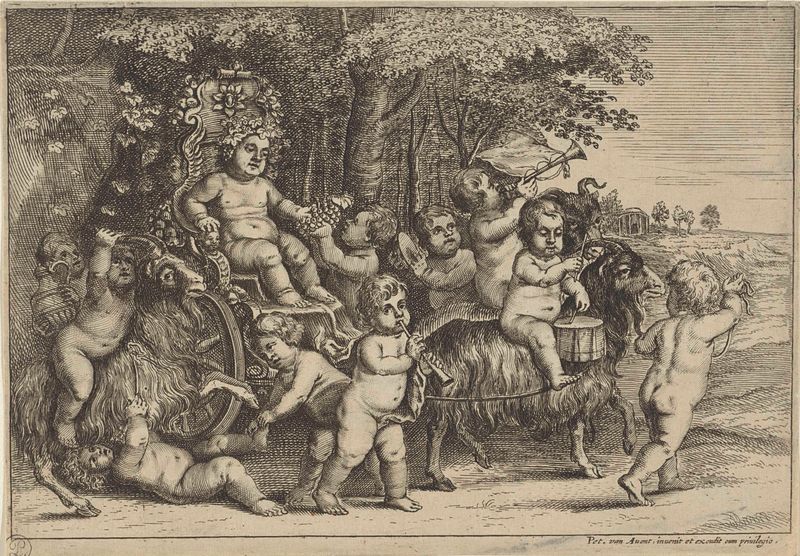
Optocht van bacchant en jongetjes op geiten
Wenceslaus Hollar
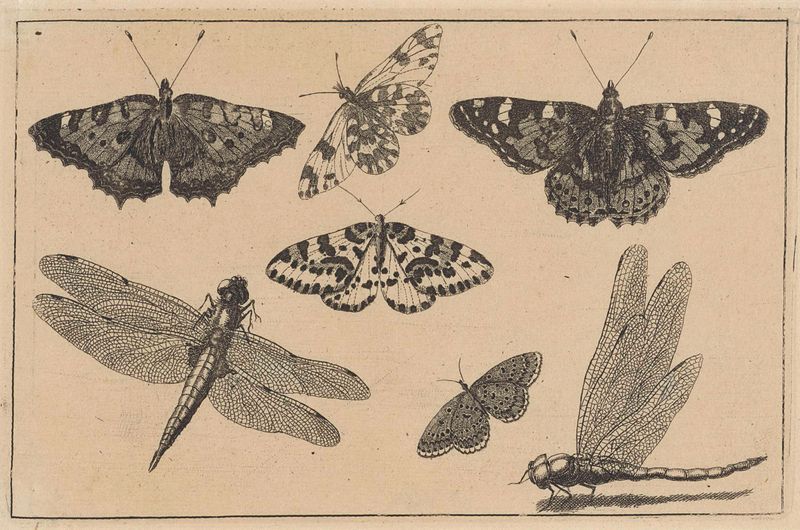
Twee libellen en vijf vlinders
Wenceslaus Hollar
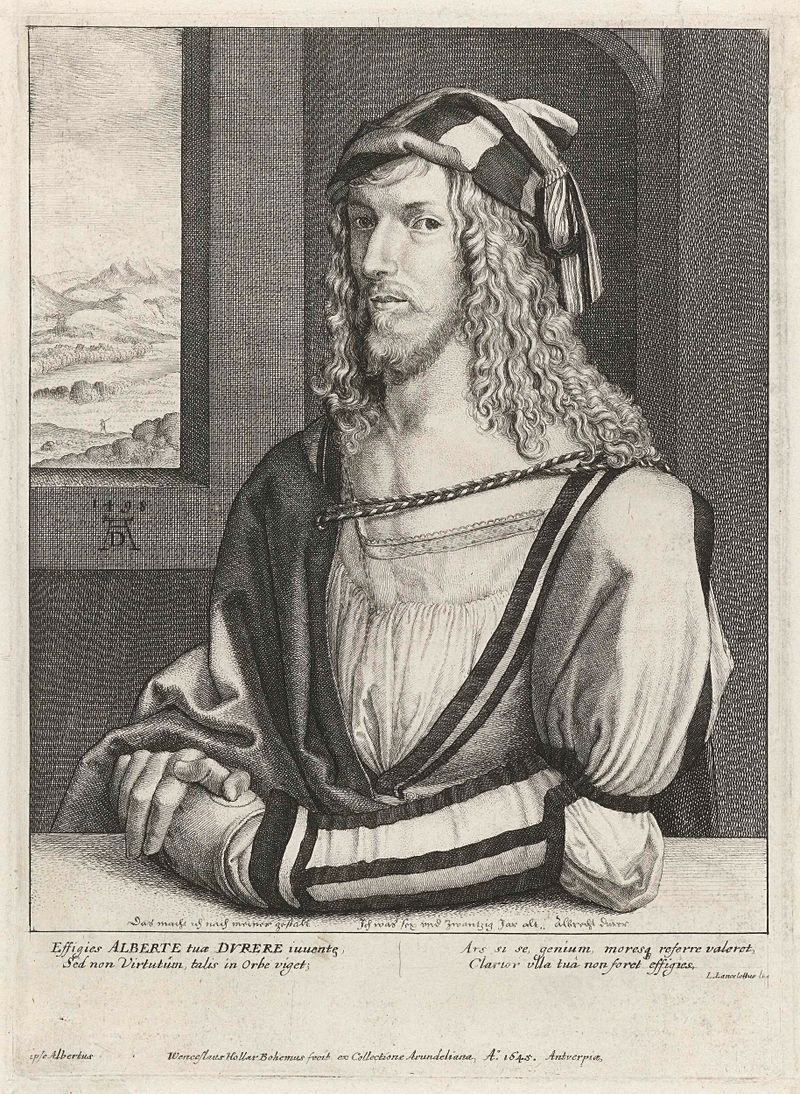
Portret van Albrecht Dürer
Wenceslaus Hollar
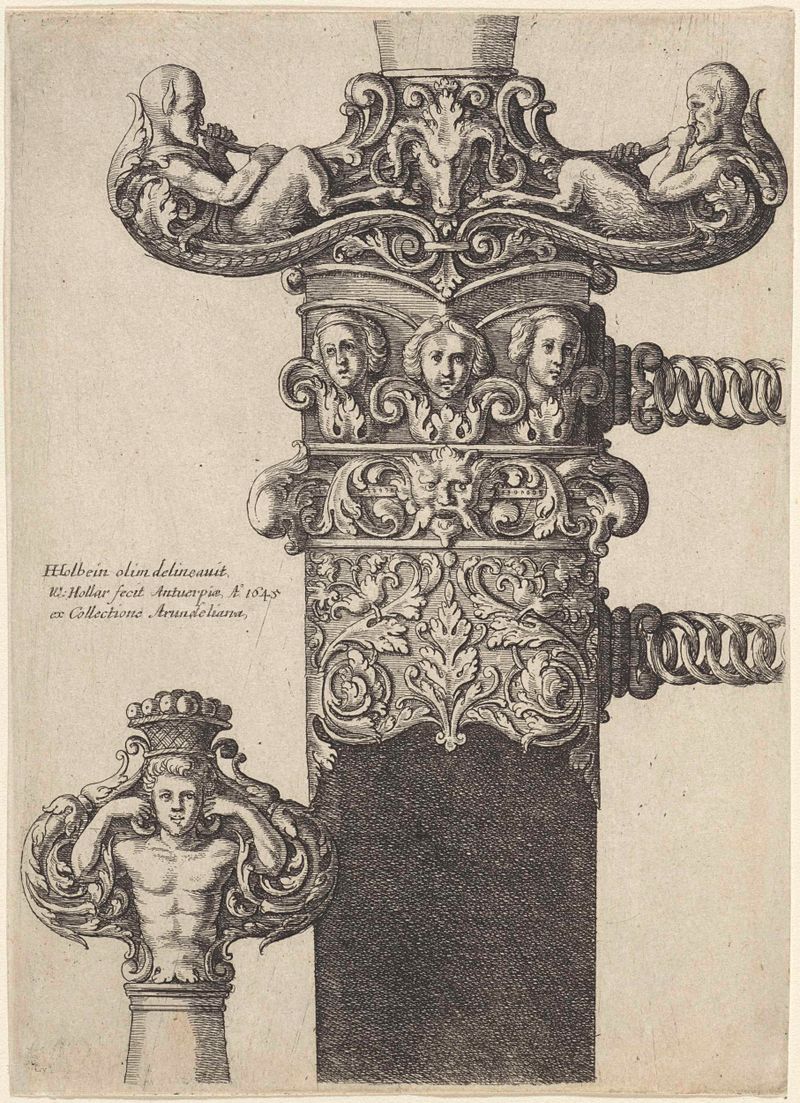
Ornamenteel ontwerp voor een dolk
Wenceslaus Hollar
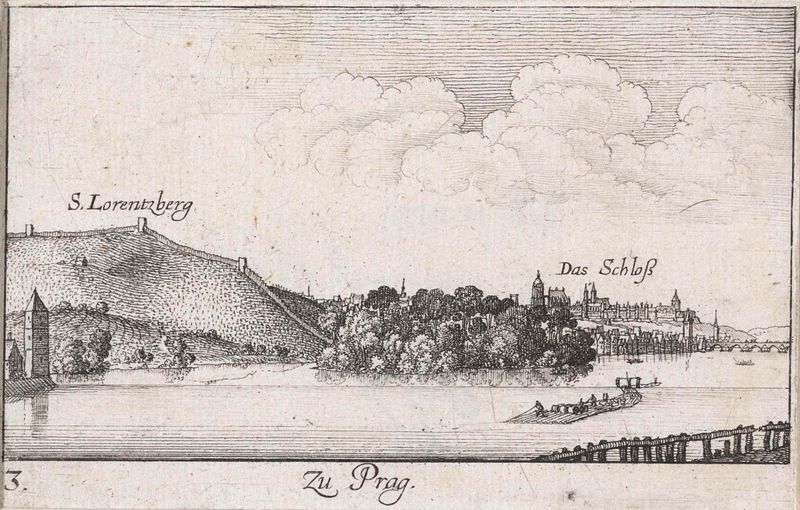
Gezicht op Praag vanaf de Moldau
Wenceslaus Hollar