Schelp, melongena melongena — History & Facts
What if silence could speak through light? In the delicate stillness of Schelp, melongena melongena, shadows and highlights entwine to whisper untold stories of fear and fragility. Look closely at the aubergine’s glistening skin, where the light caresses its curves, revealing a spectrum of rich purples and deep blacks. Notice how the backdrop, a soft, muted gray, enhances the vegetable's bold presence, making it the focal point of this intimate arrangement. The careful detailing of its texture draws your eyes to the ridges and dimples, while the play of light and shadow suggests a fragile vulnerability, as if the object might vanish at any moment. Beneath the surface beauty lies an exploration of fear, represented in the vegetable’s tense posture against its stark environment.
The tension between the vibrancy of the aubergine and its ghostly background evokes a sense of foreboding; it is not merely a study of form but a contemplation of mortality and the fleeting nature of existence. The contrast between the rich color and the muted tones amplifies this anxiety, serving as a reminder of the inevitable decay that shadows even the most robust of creations. During the years 1644 to 1652, Hollar created this work while in Amsterdam, a period marked by significant artistic exploration and innovation. Immersed in a vibrant community of artists, he focused on the intricate details of still life, reflecting the Baroque fascination with texture and realism.
This precise rendering of a humble subject encapsulates the era's duality—celebration of beauty coupled with an awareness of life’s transience.
More Artworks by Wenceslaus Hollar
Browse all →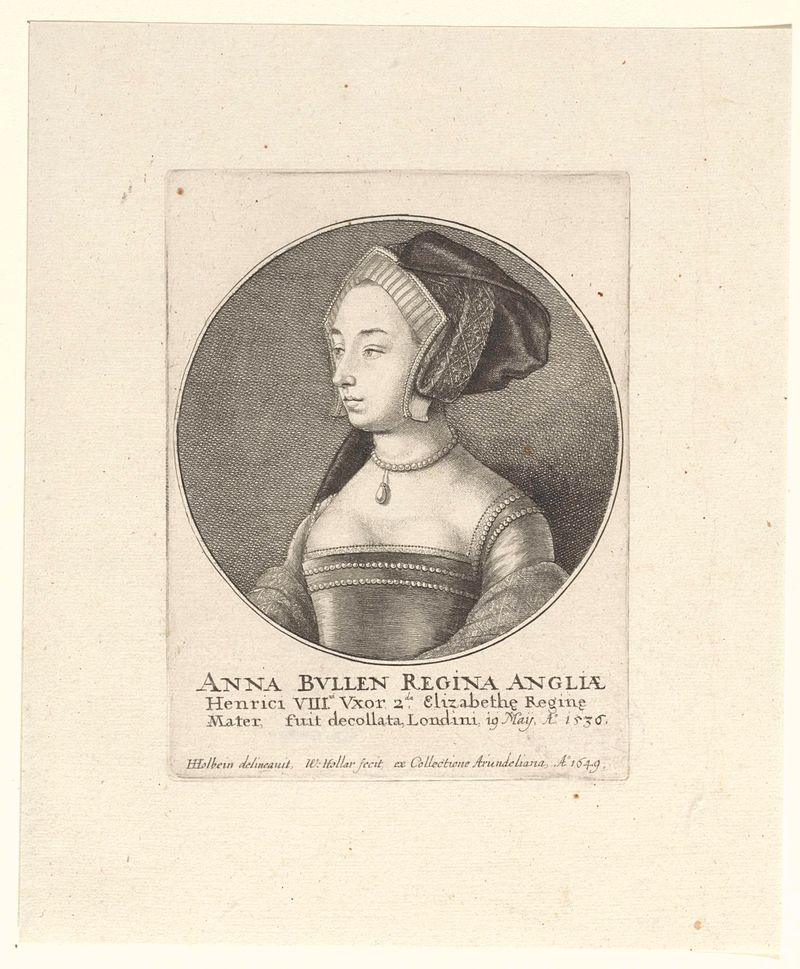
Portret van Anna Boleyn, koningin van Engeland
Wenceslaus Hollar
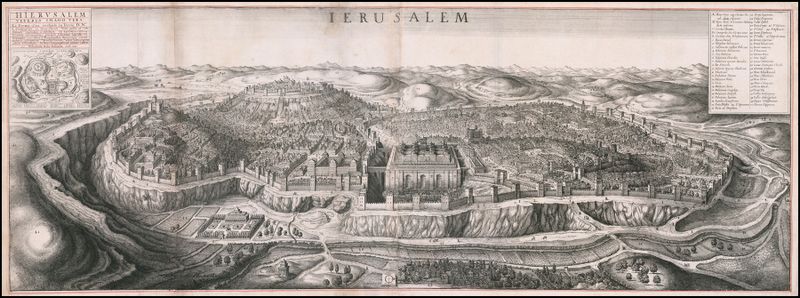
Bird’s eye view of Jerusalem
Wenceslaus Hollar
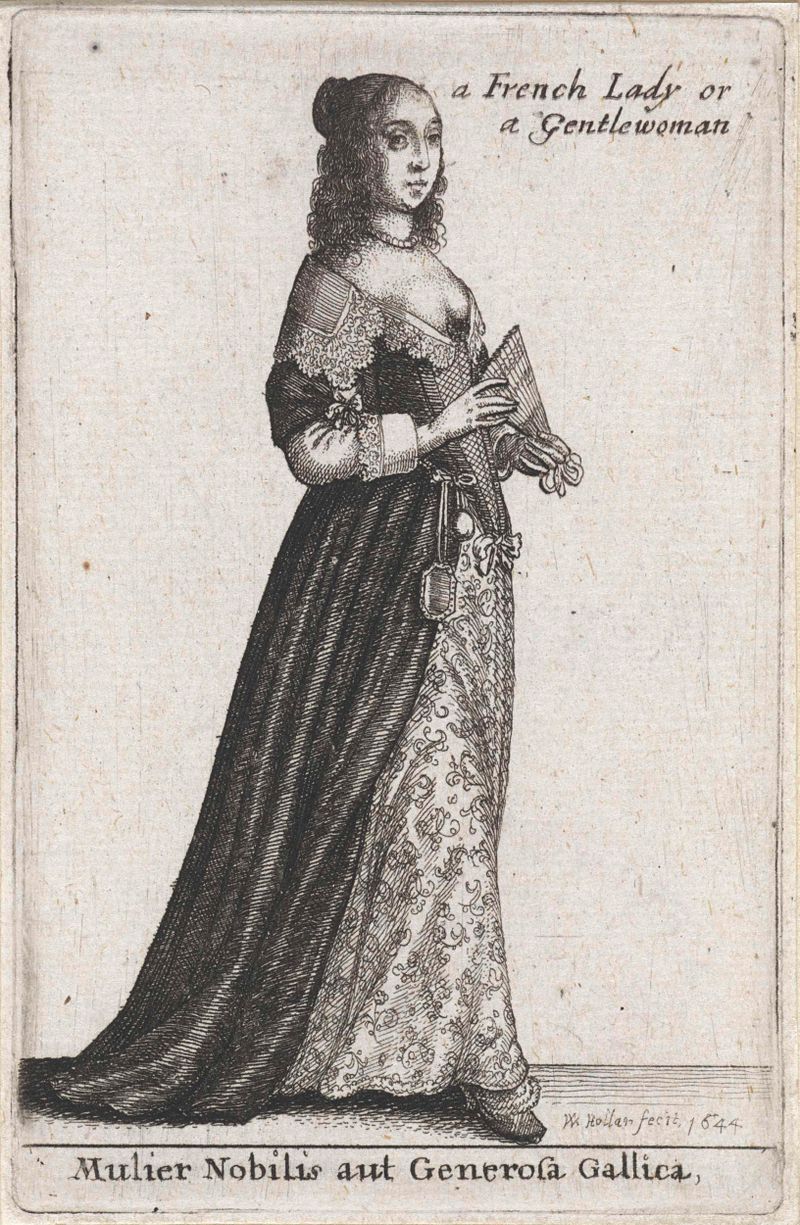
Mulier Nobilis aut Generosa Gallica / a French Lady or Gentlewoman
Wenceslaus Hollar
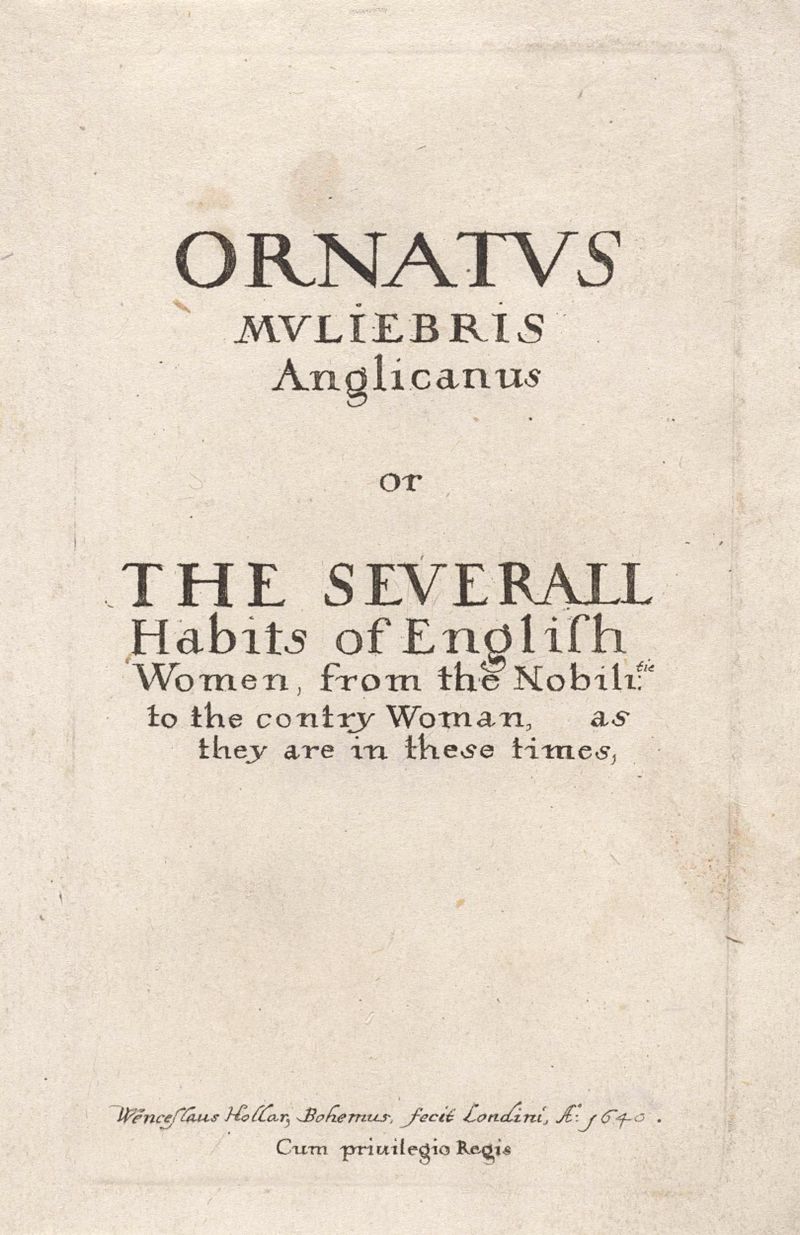
Titelprent voor: Ornatus Muliebris Anglicanus
Wenceslaus Hollar
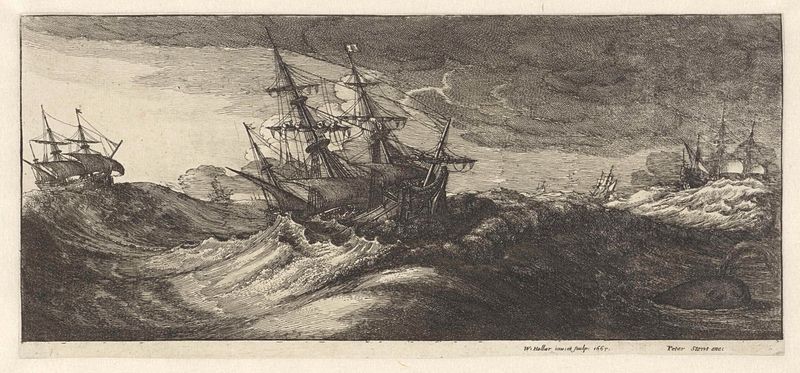
Oorlogsschepen en een walvis in een zeestorm
Wenceslaus Hollar
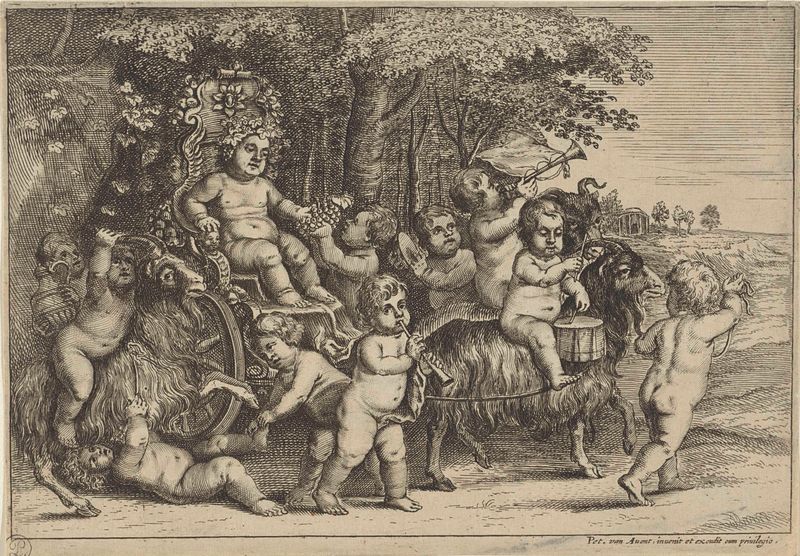
Optocht van bacchant en jongetjes op geiten
Wenceslaus Hollar
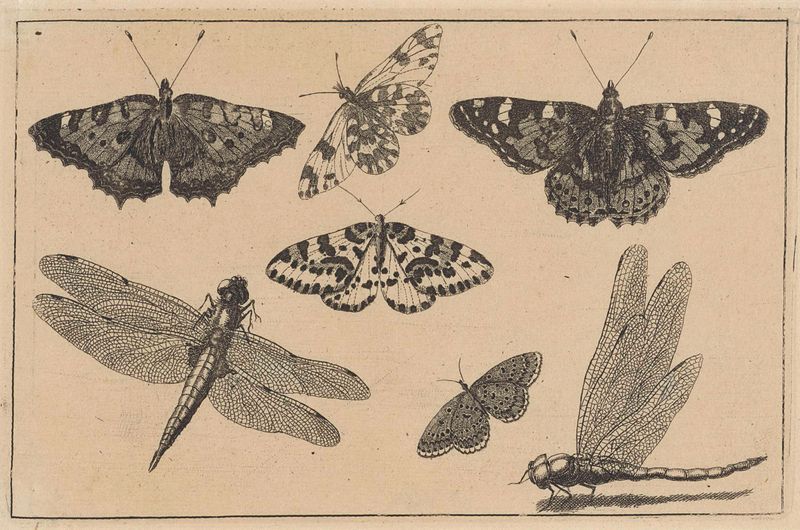
Twee libellen en vijf vlinders
Wenceslaus Hollar
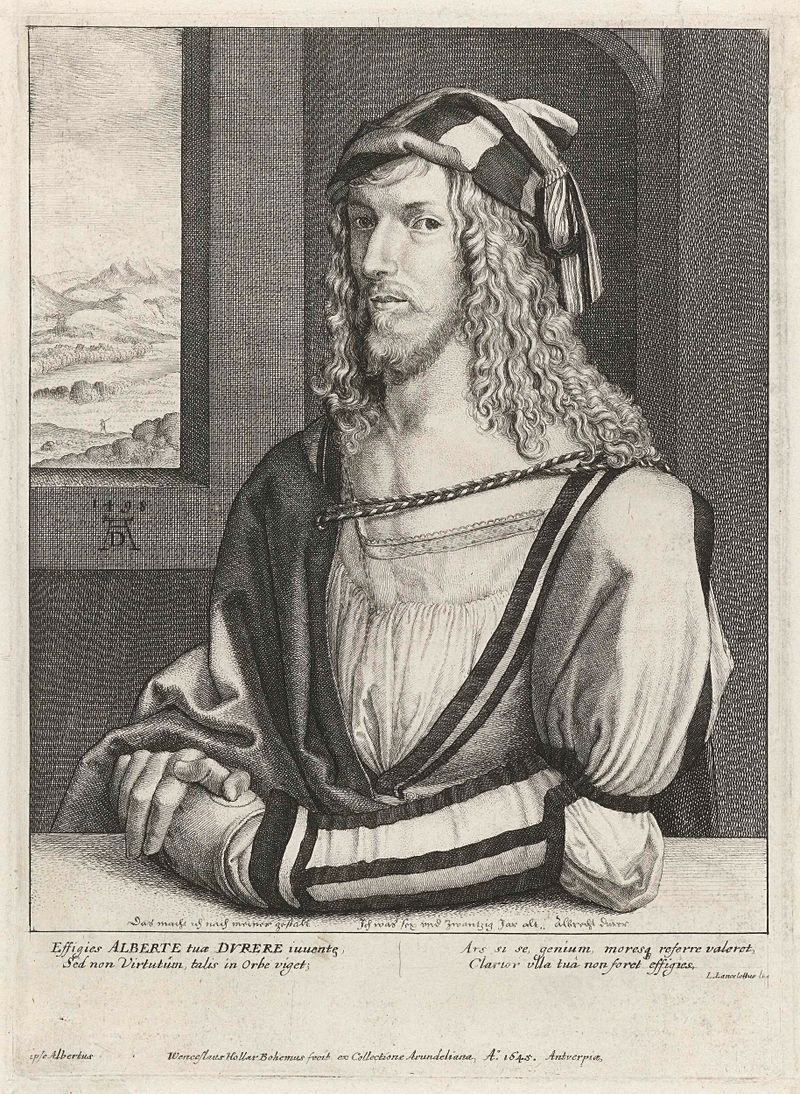
Portret van Albrecht Dürer
Wenceslaus Hollar
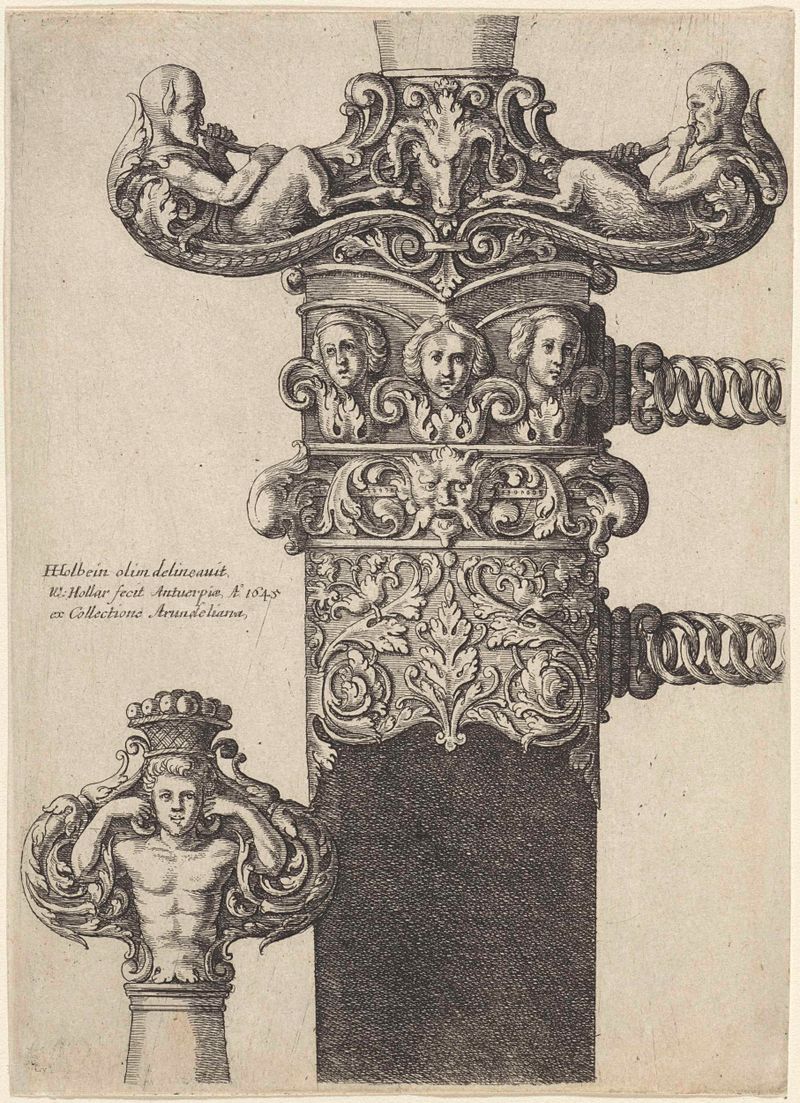
Ornamenteel ontwerp voor een dolk
Wenceslaus Hollar
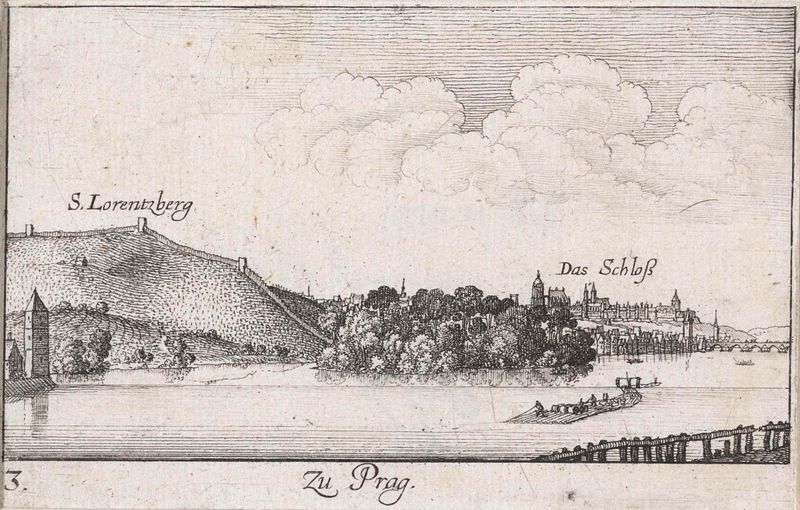
Gezicht op Praag vanaf de Moldau
Wenceslaus Hollar