Schelp, melongena melongena — History & Facts
This reflection echoes through Schelp, melongena melongena, a work that captures the subtle revelation of nature’s bounty through its stillness. Look closely at the exquisite eggplant, set against a muted background that allows the rich purples and deep greens to shine. Notice how the light subtly caresses its glossy skin, revealing every curve and contour, elevating an everyday vegetable to an object of contemplation. The delicate brushstrokes create a texture that feels tangible, urging the viewer to reach out and feel the smooth surface, while the carefully chosen palette draws the eye inward, inviting a deeper connection. As you linger on the eggplant, consider the contrast between its vibrant color and the understated setting that surrounds it.
This interplay suggests not only the beauty of simplicity but also the vulnerability of life itself, a theme gently underscored by the isolation of the subject. The careful attention to detail hints at an underlying reverence for nature’s forms, reflecting a broader contemplation of existence in a moment frozen in time. Created between 1644 and 1652, this piece represents a significant phase in Wenceslaus Hollar's artistic journey while he resided in England, navigating a world reshaped by the tumult of the English Civil War. During this period, the artist produced numerous still lifes, reflecting both a personal quest for stability and the shifting values in the art world, where the beauty of nature began to garner newfound appreciation among collectors and patrons.
More Artworks by Wenceslaus Hollar
Browse all →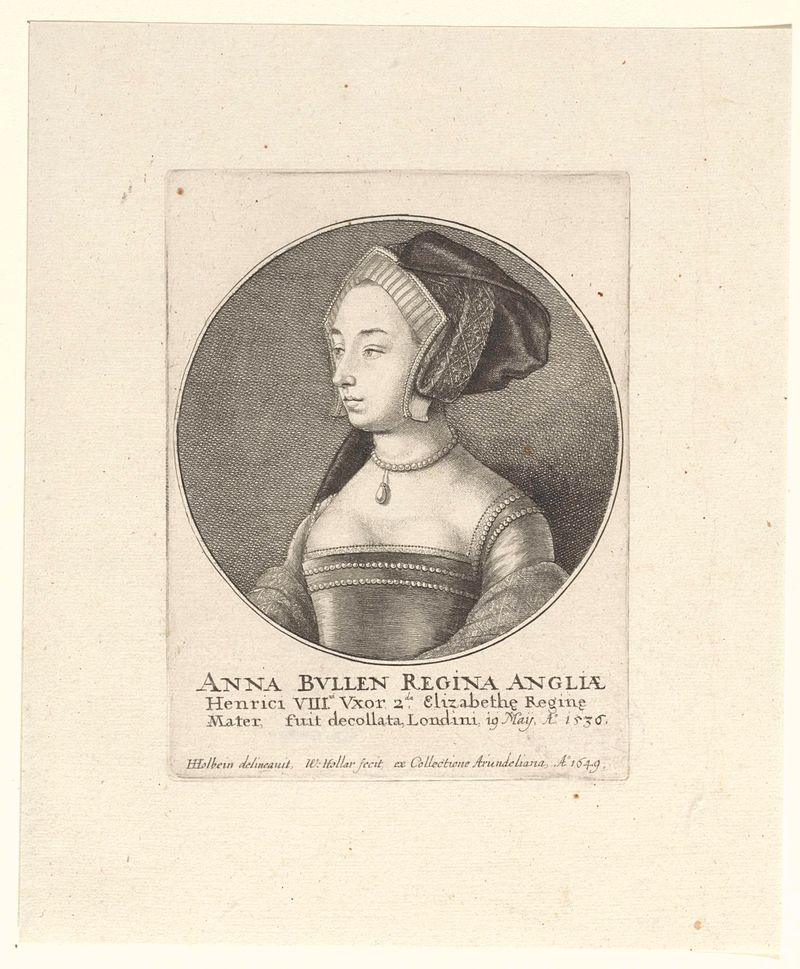
Portret van Anna Boleyn, koningin van Engeland
Wenceslaus Hollar
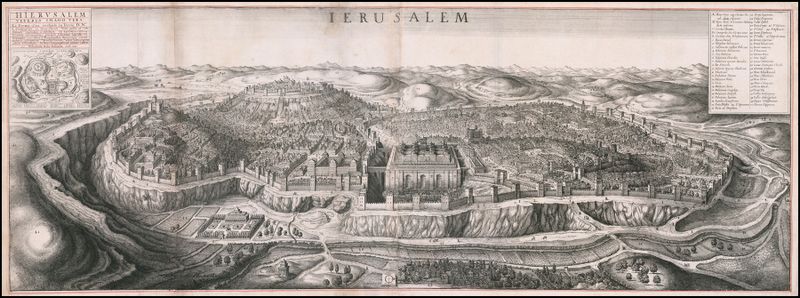
Bird’s eye view of Jerusalem
Wenceslaus Hollar
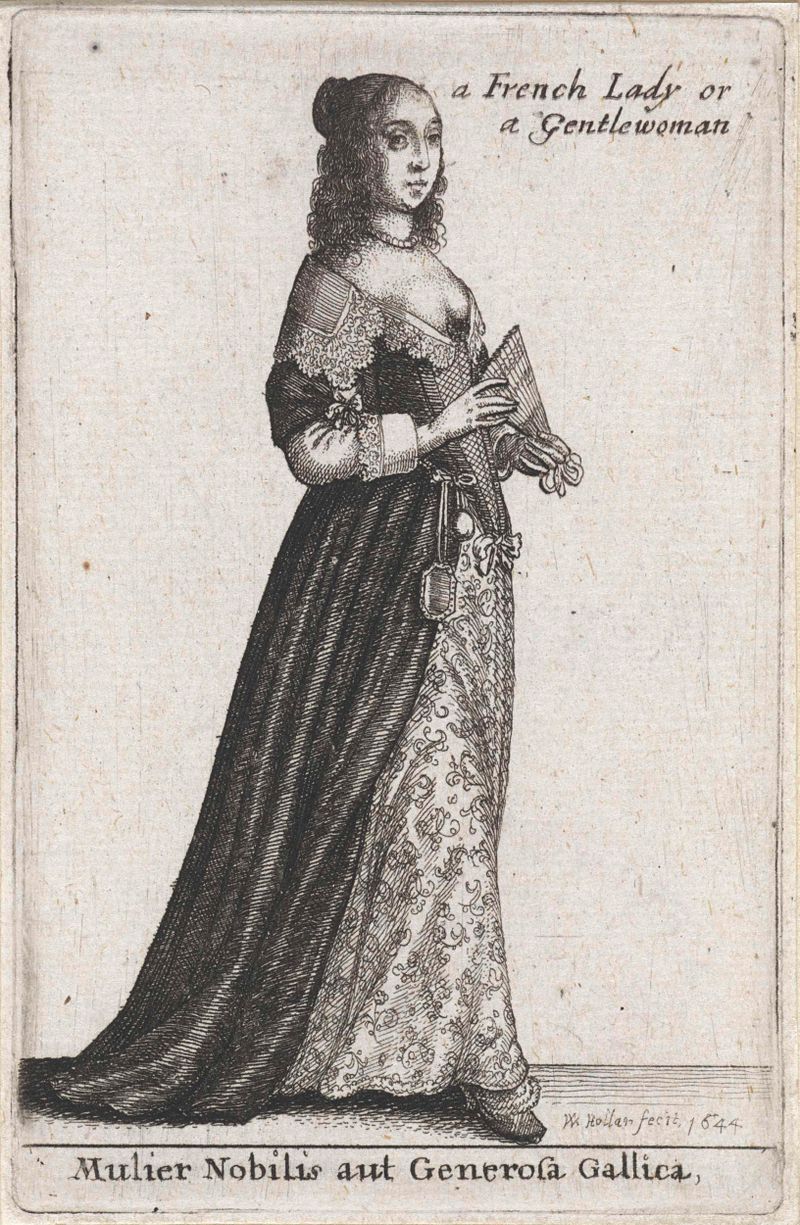
Mulier Nobilis aut Generosa Gallica / a French Lady or Gentlewoman
Wenceslaus Hollar
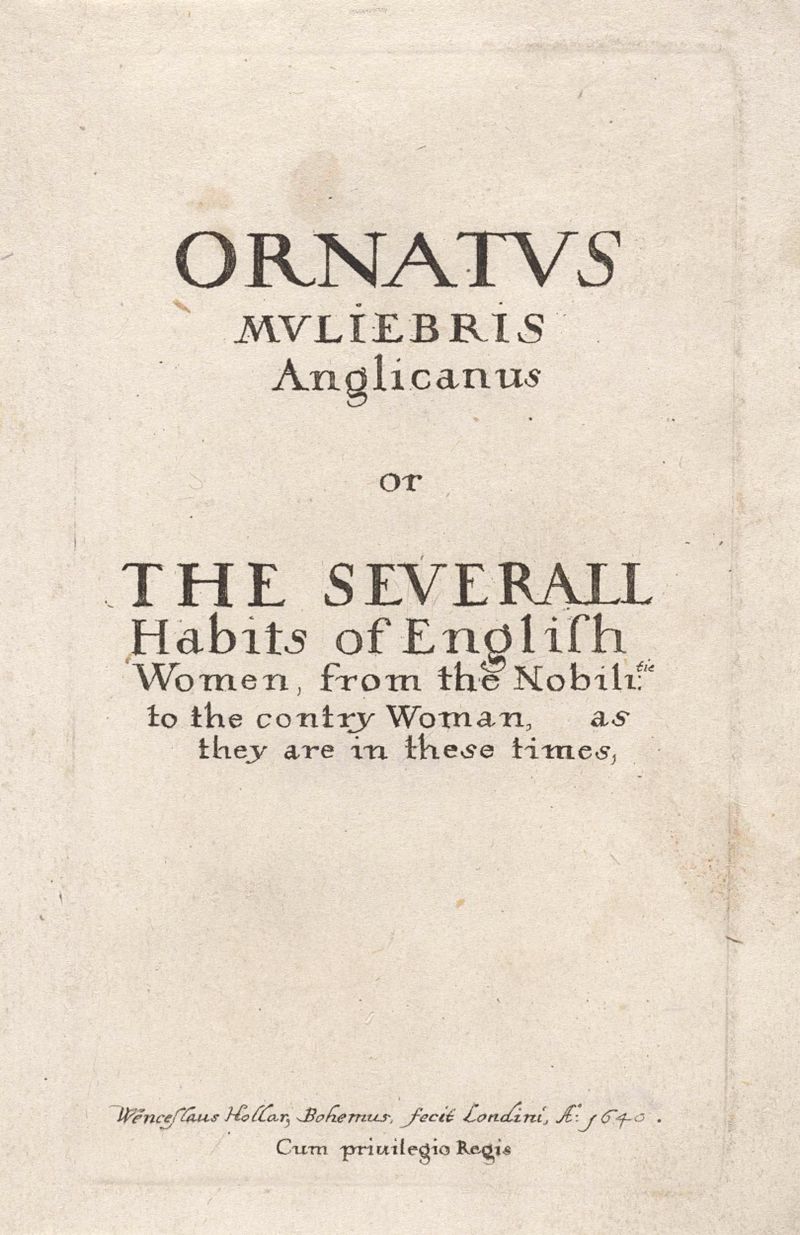
Titelprent voor: Ornatus Muliebris Anglicanus
Wenceslaus Hollar
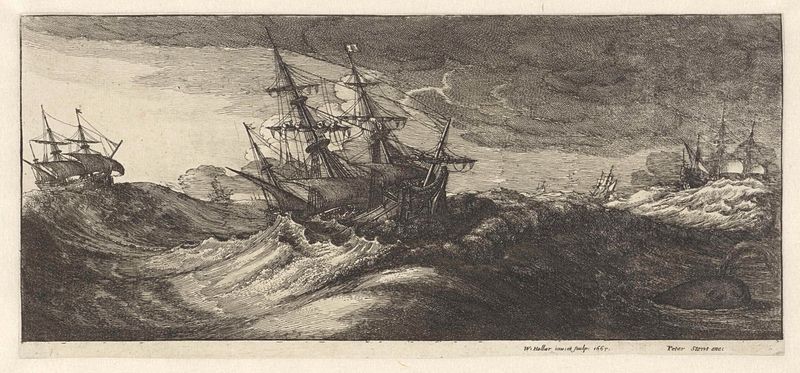
Oorlogsschepen en een walvis in een zeestorm
Wenceslaus Hollar
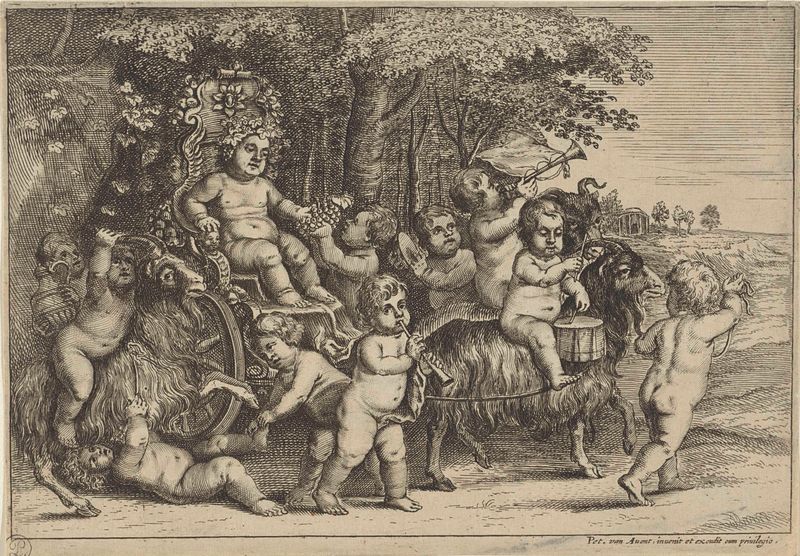
Optocht van bacchant en jongetjes op geiten
Wenceslaus Hollar
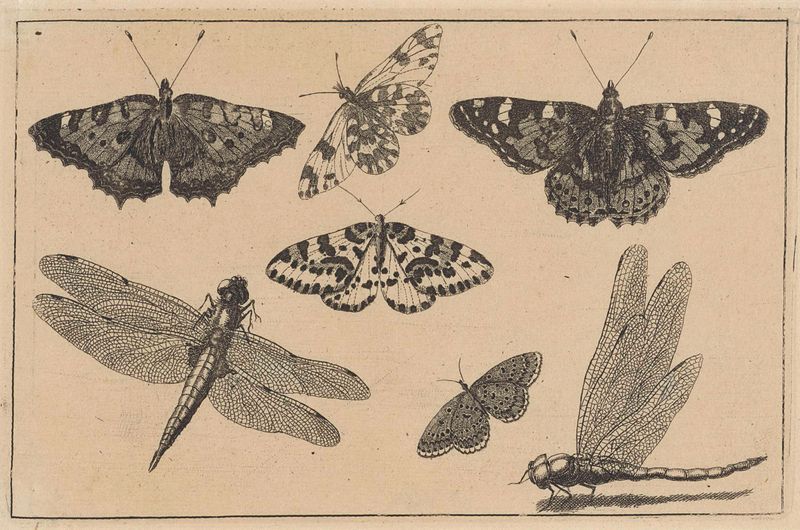
Twee libellen en vijf vlinders
Wenceslaus Hollar
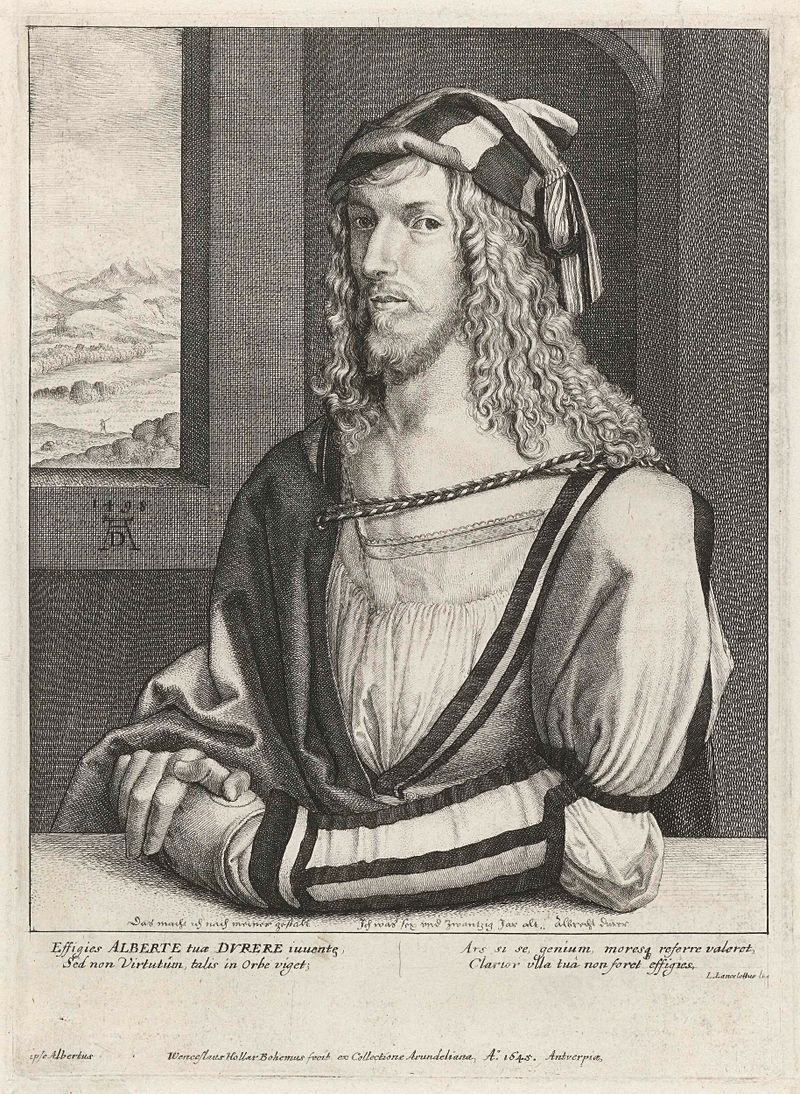
Portret van Albrecht Dürer
Wenceslaus Hollar
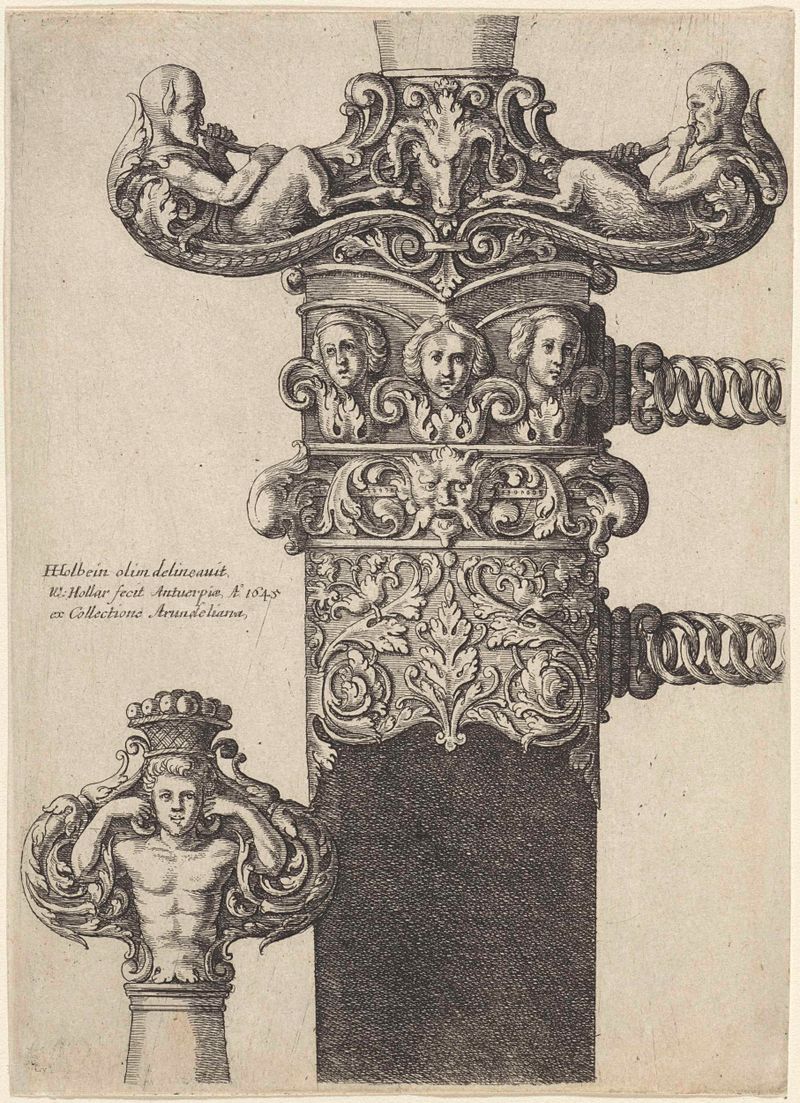
Ornamenteel ontwerp voor een dolk
Wenceslaus Hollar
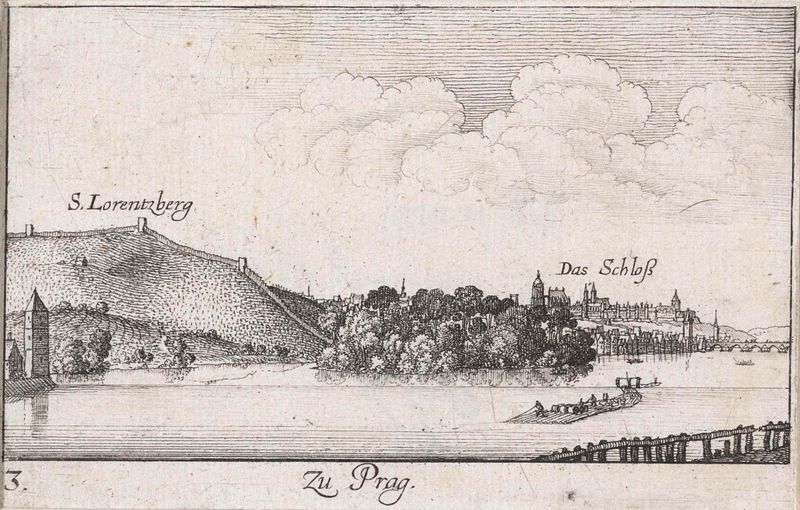
Gezicht op Praag vanaf de Moldau
Wenceslaus Hollar