Schelp, nautilus pompilius — History & Facts
What secret hides in the quiet of the canvas? In Schelp, nautilus pompilius, a delicate balance of life and mortality unfolds, inviting contemplation on the ephemeral nature of existence. Look to the right at the intricately detailed shell, its swirling patterns mesmerizing in their complexity. Notice how the artist employs subtle shades of cream and brown, allowing the light to dance across the surface, revealing its glossy texture. The shadow beneath suggests a world beyond the confines of the shell, while the backdrop remains a muted, almost ethereal gray, enhancing the subject’s prominence and emphasizing its solitude. Within this exquisite representation lies a deeper meditation on life’s transient beauty and inevitability.
The nautilus, a creature often linked to the passage of time, reflects the duality of growth and decay. Its perfect spirals resonate with notions of continuity, yet the shell's presence evokes a poignant reminder of mortality, the silent whispers of what has come before. The contrast between the vibrant life of the nautilus and the inevitability of its eventual stillness permeates the atmosphere, urging the viewer to reflect on their own temporality. Wenceslaus Hollar created this work between 1644 and 1652, during a time when still-life and natural history subjects were gaining prominence in European art.
Living in the tumultuous period of the Thirty Years' War and experiencing the shifting tides of artistic influences, Hollar’s meticulous attention to detail reflects both his personal circumstances and the broader aesthetic movements of his time. The nautilus serves not only as a subject of fascination but as a thoughtful exploration of existence in a world fraught with uncertainty.
More Artworks by Wenceslaus Hollar
Browse all →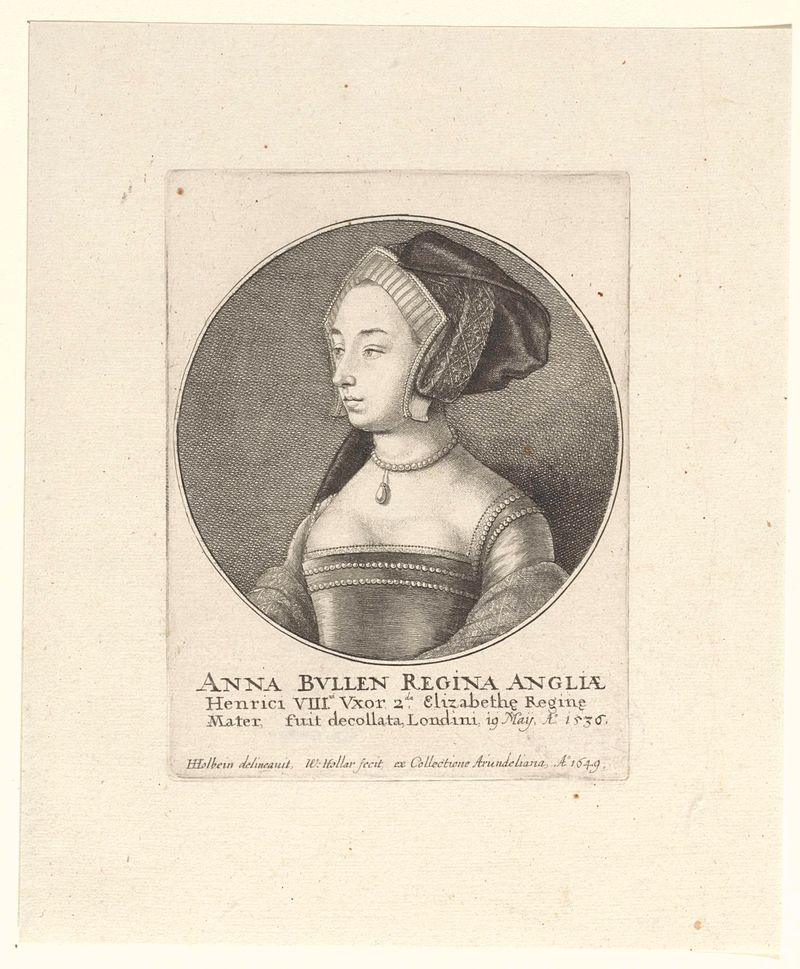
Portret van Anna Boleyn, koningin van Engeland
Wenceslaus Hollar
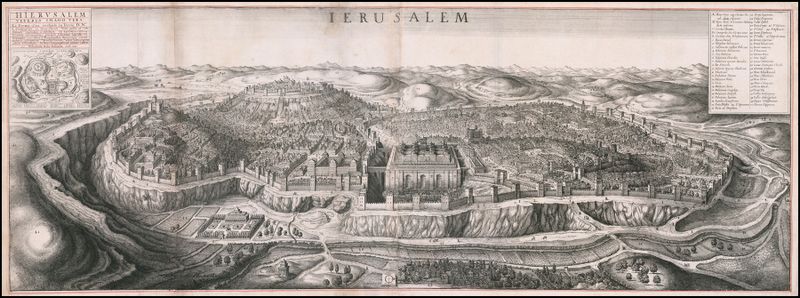
Bird’s eye view of Jerusalem
Wenceslaus Hollar
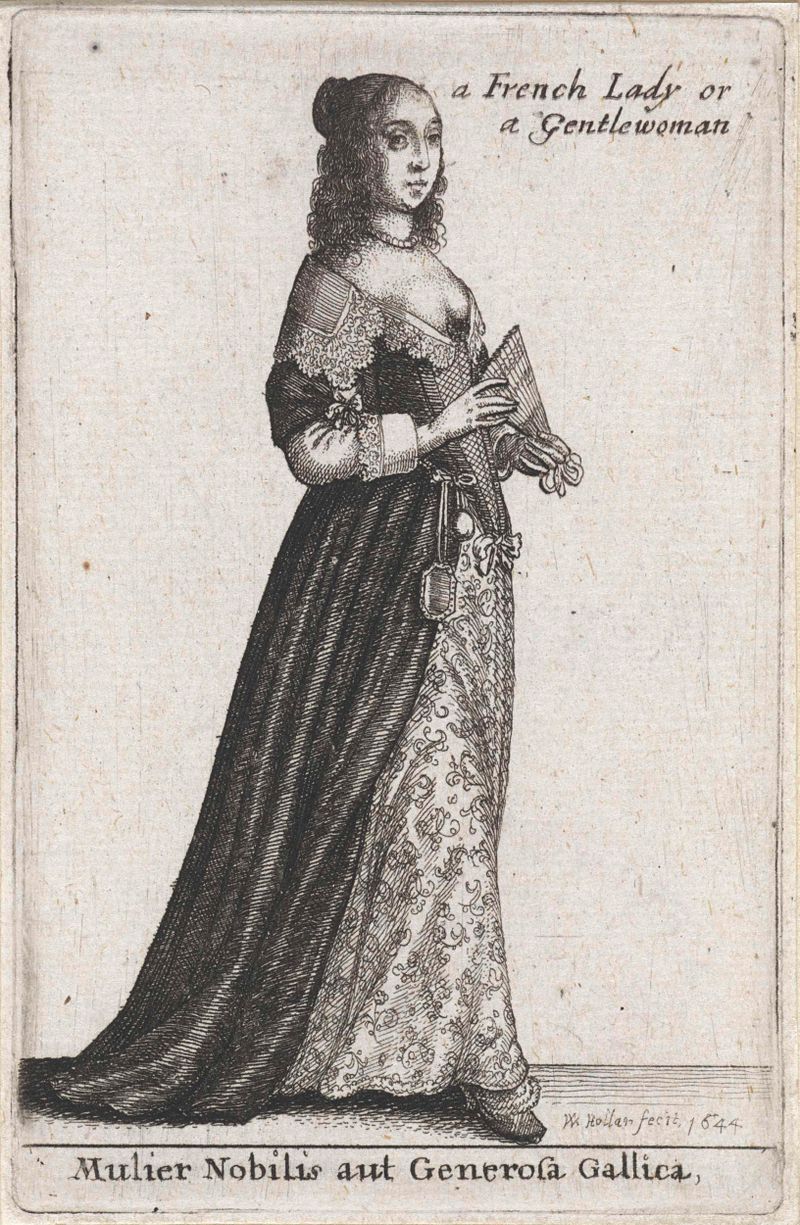
Mulier Nobilis aut Generosa Gallica / a French Lady or Gentlewoman
Wenceslaus Hollar
Titelprent voor: Ornatus Muliebris Anglicanus
Wenceslaus Hollar
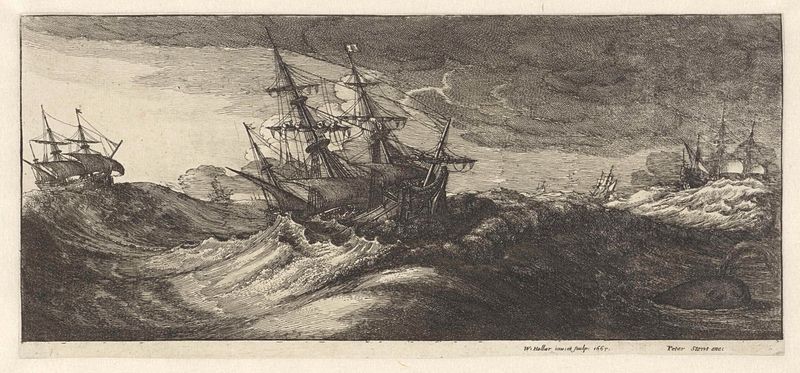
Oorlogsschepen en een walvis in een zeestorm
Wenceslaus Hollar
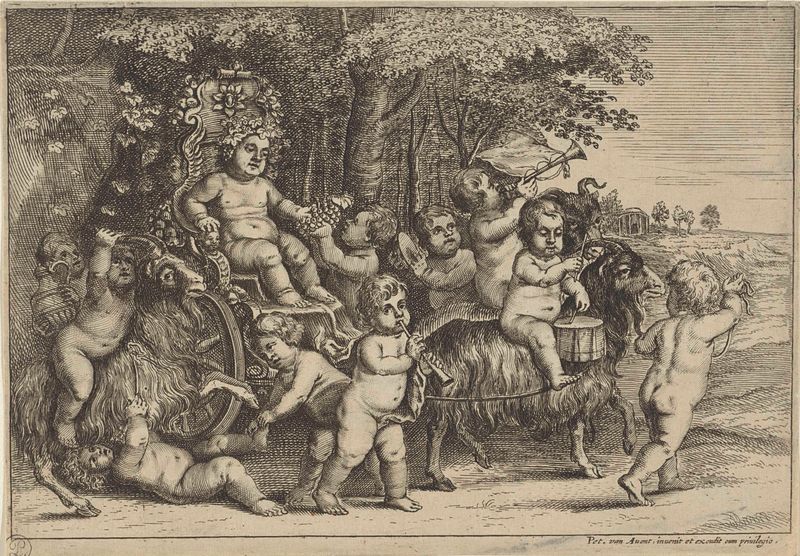
Optocht van bacchant en jongetjes op geiten
Wenceslaus Hollar
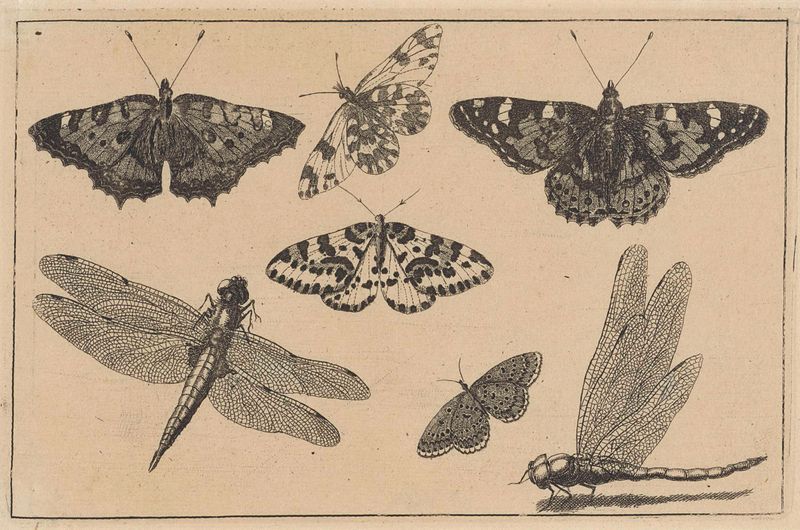
Twee libellen en vijf vlinders
Wenceslaus Hollar
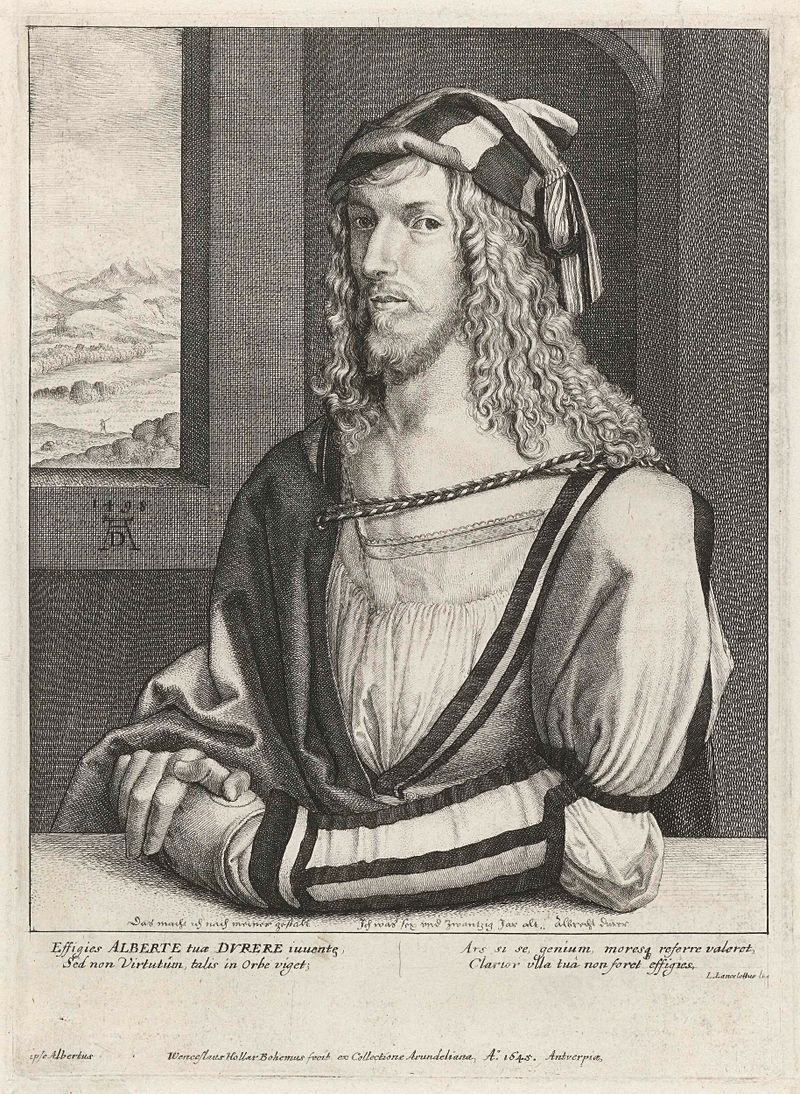
Portret van Albrecht Dürer
Wenceslaus Hollar
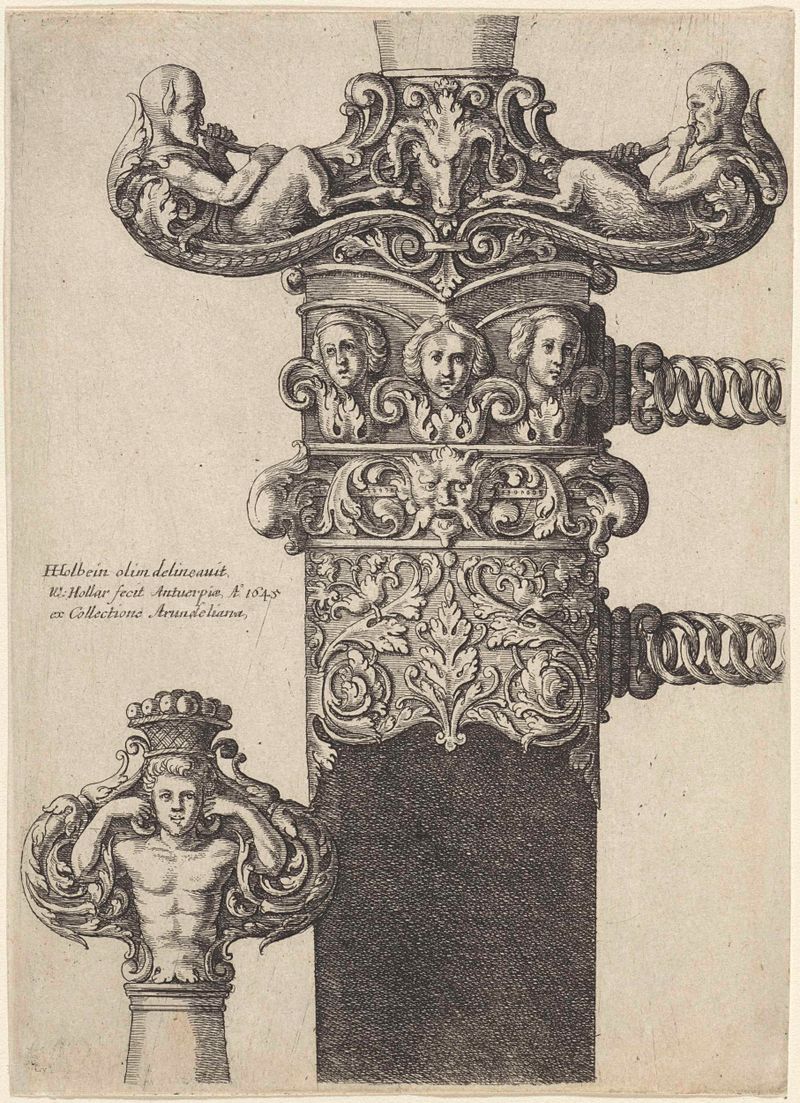
Ornamenteel ontwerp voor een dolk
Wenceslaus Hollar
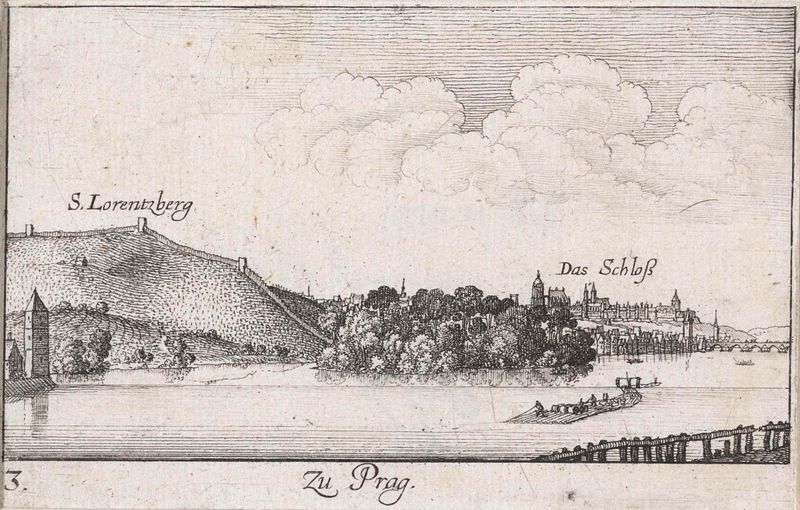
Gezicht op Praag vanaf de Moldau
Wenceslaus Hollar