Schelp, pleuroploca trapezium — History & Facts
What if silence could speak through light? In Wenceslaus Hollar's Schelp, pleuroploca trapezium, color dances delicately across the canvas, creating a dialogue that transcends the visible. Each hue, a whisper of nature's complexity, invites the viewer to pause and reflect on the beauty of an unassuming subject. Look to the left at the vibrant shell, its intricate ridges cascading like waves frozen in time. Notice how Hollar's meticulous attention to detail accentuates the depth of the shell's curves, drawing your gaze across the iridescent surface that seems to shimmer under an unseen light source.
The soft gradients of earth tones—rich browns, muted yellows, and creamy whites—contrast with the stark backdrop, alluding to the quiet elegance of marine life. Within this stillness lies a profound exploration of contrast. The shell's exquisite form highlights the tension between fragility and resilience, a reminder of nature's duality. The play of light against the textured surface evokes a sense of intimacy, suggesting that each curve and shadow tells a story of its journey through the sea, while the simplicity of the composition invites contemplation of the larger world beyond. Created between 1644 and 1652, this work emerged during Hollar's time in London, where he contributed to the burgeoning genre of still life.
The artist, originally from Prague, experienced a significant shift in the art world, as he adapted his techniques to appeal to the tastes of a new audience. In this period, the meticulous study of natural forms became a hallmark of his style, reflecting both his keen observation and the broader Baroque fascination with the wonders of nature.
More Artworks by Wenceslaus Hollar
Browse all →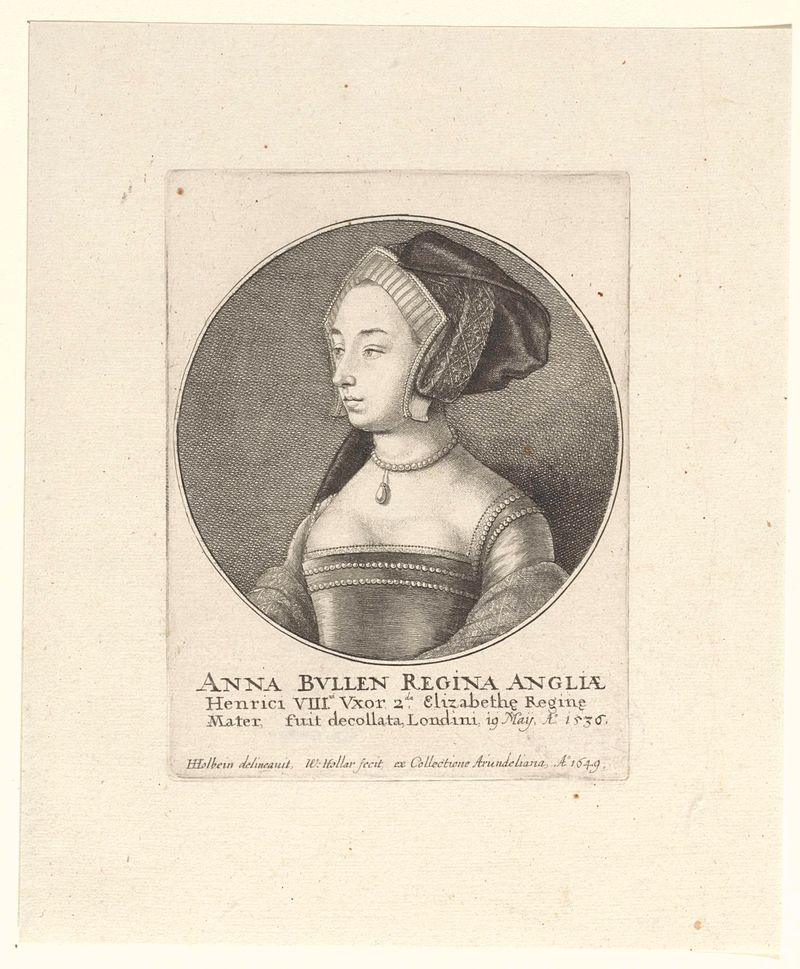
Portret van Anna Boleyn, koningin van Engeland
Wenceslaus Hollar
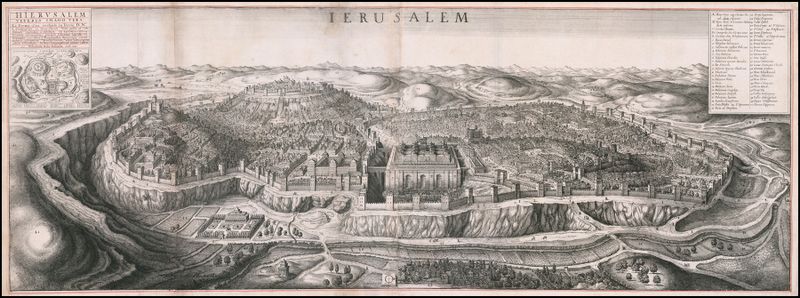
Bird’s eye view of Jerusalem
Wenceslaus Hollar
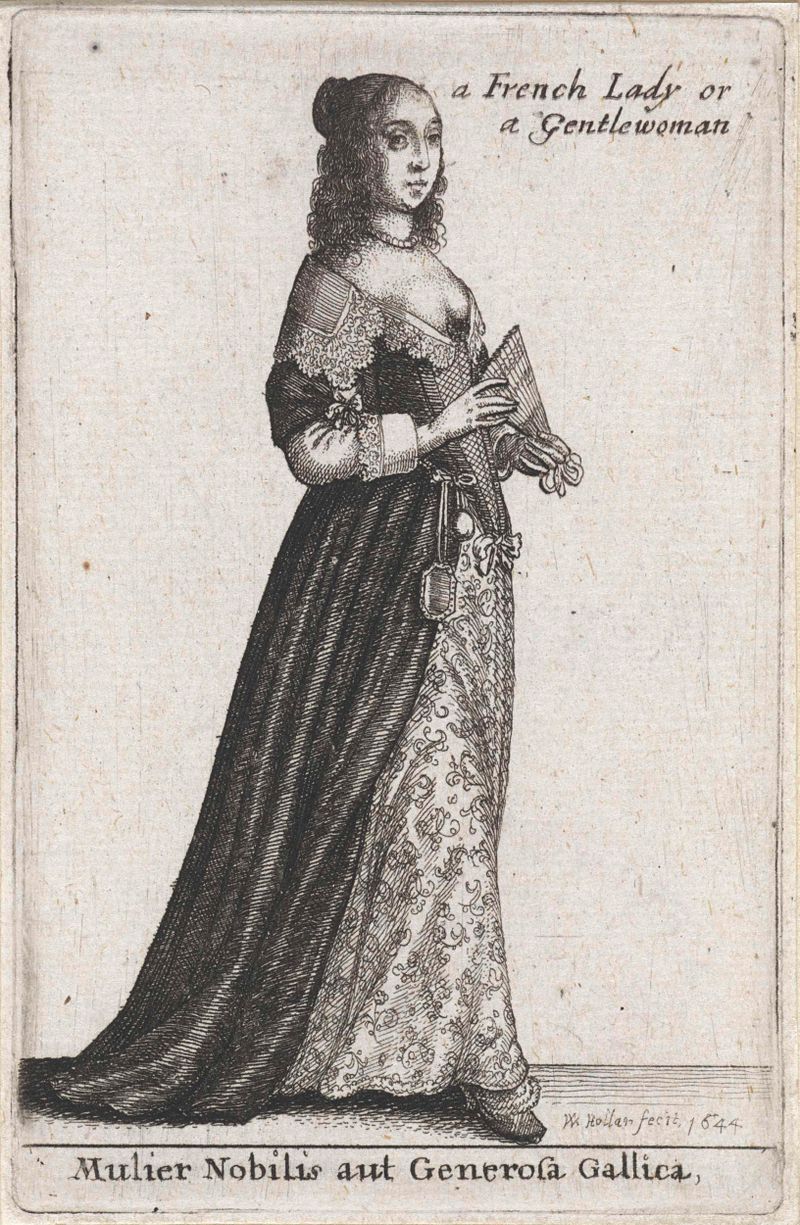
Mulier Nobilis aut Generosa Gallica / a French Lady or Gentlewoman
Wenceslaus Hollar
Titelprent voor: Ornatus Muliebris Anglicanus
Wenceslaus Hollar
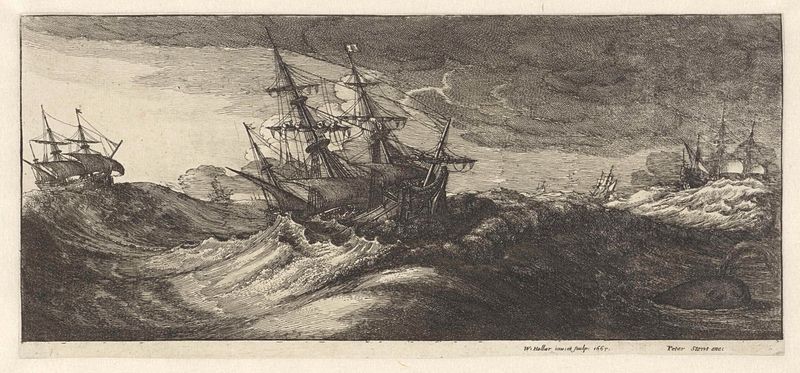
Oorlogsschepen en een walvis in een zeestorm
Wenceslaus Hollar
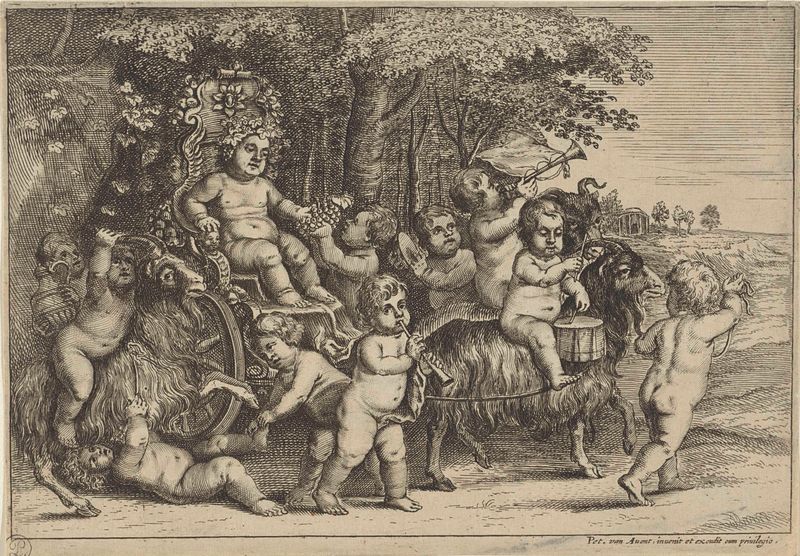
Optocht van bacchant en jongetjes op geiten
Wenceslaus Hollar
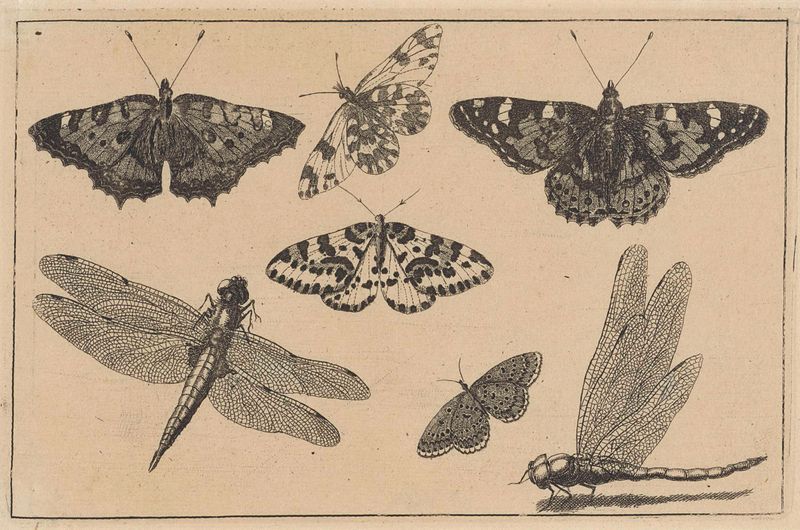
Twee libellen en vijf vlinders
Wenceslaus Hollar
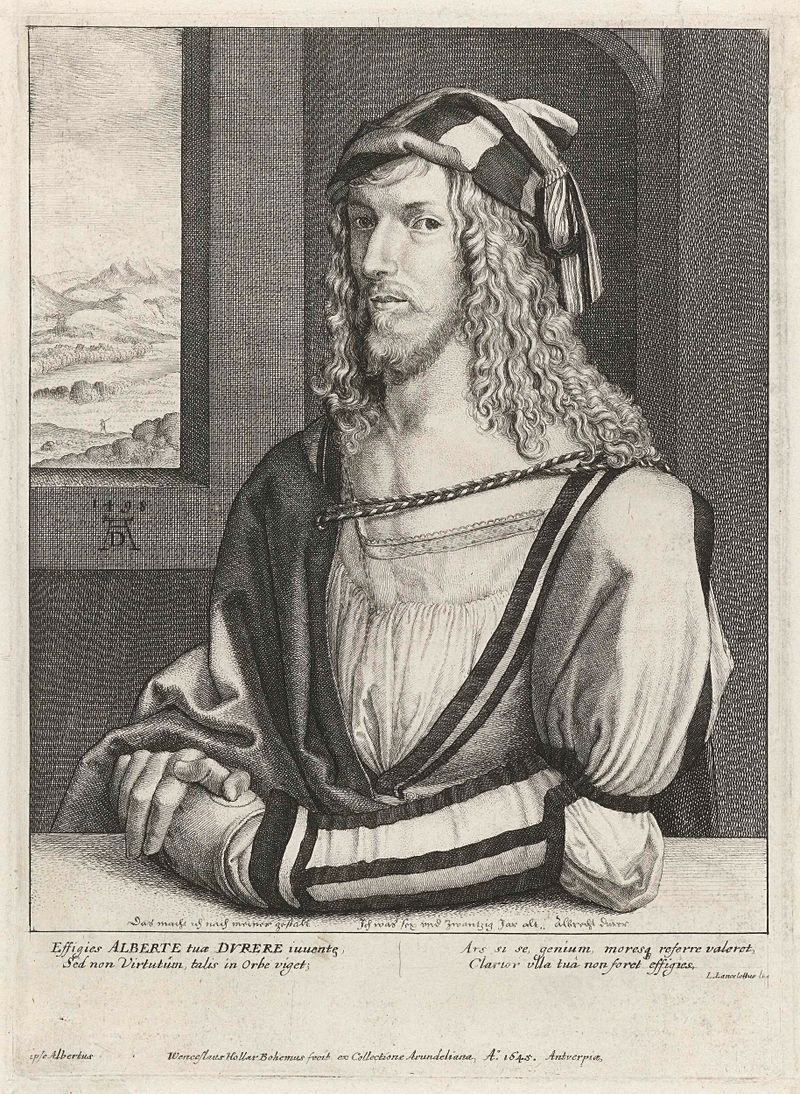
Portret van Albrecht Dürer
Wenceslaus Hollar
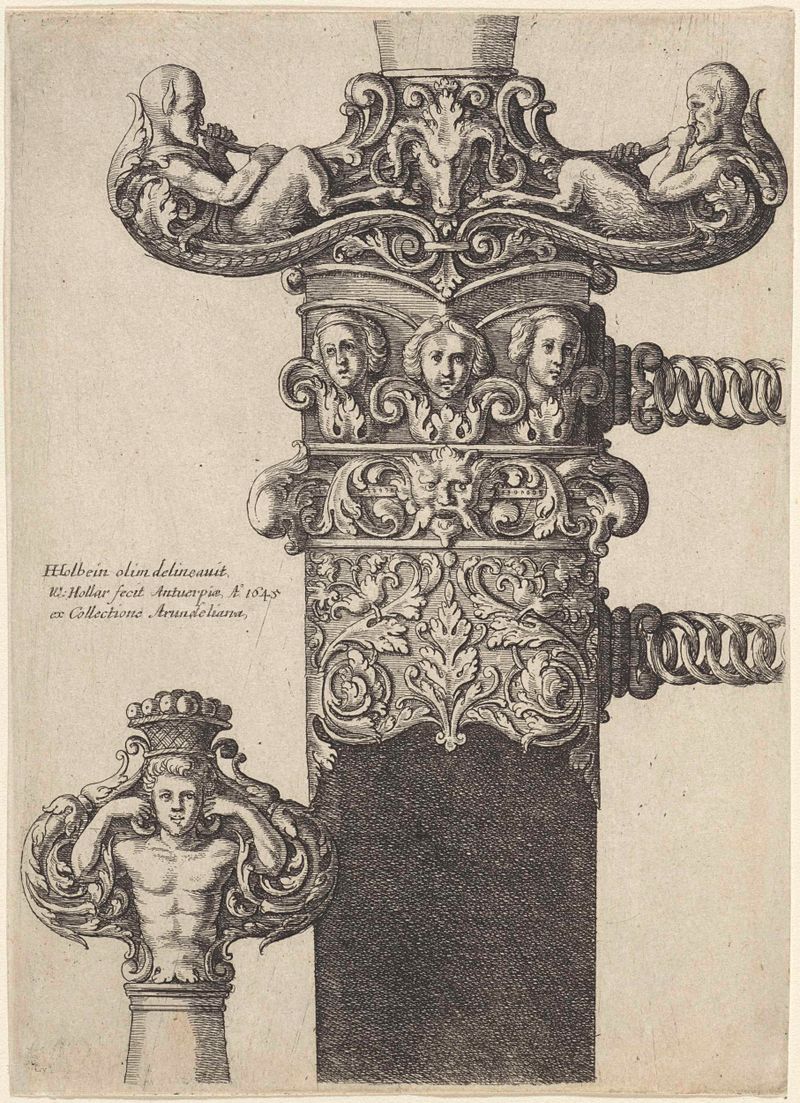
Ornamenteel ontwerp voor een dolk
Wenceslaus Hollar
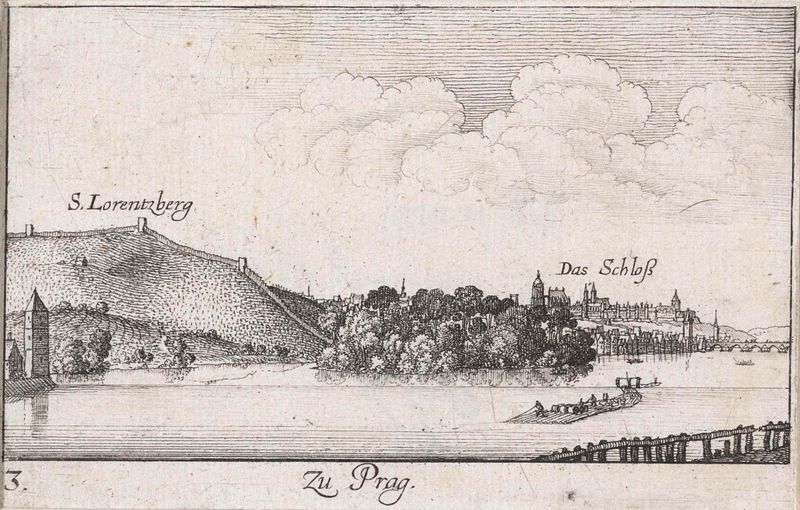
Gezicht op Praag vanaf de Moldau
Wenceslaus Hollar