Schelp, tonna perdix — History & Facts
In the delicate interplay of light and shadow, the essence of life stirs awake, captured in intricate detail by an artist who understood the profound connections between nature and humanity. Each stroke, each line, evokes the quiet awakening of the world around us—a reminder that beauty exists in the most unexpected moments. Look to the central figure of the composition, where the bird emerges with an elegance that demands attention. Notice how the artist meticulously outlines the plumage, with delicate hatching that adds depth and texture, guiding the viewer’s gaze around the canvas.
The muted tones of earth and feather blend harmoniously, with soft highlights that suggest the warmth of morning light, inviting contemplation of the serene life being portrayed. Within this seemingly simple depiction lies a rich tapestry of meanings. The bird represents not only the awakening of nature but symbolizes the fragility of life itself, reflecting the transient beauty of existence. The subtle yet profound contrast between the detailed figure and the sparse backdrop evokes a sense of solitude, prompting viewers to ponder the relationship between the observer and the observed.
This tension highlights a moment frozen in time—a reminder of the delicate balance of life and the cycles of renewal. During the years 1644 to 1652, Wenceslaus Hollar worked in England, having fled his native Bohemia due to the Thirty Years' War. This period marked a significant evolution in his artistry as he embraced the natural world and its intricate details, drawing from both scientific observation and emotional resonance. Amidst a tumultuous backdrop in Europe, Hollar's work thrived, reflecting a keen awareness of beauty and the intimate connections found within the realm of nature.
More Artworks by Wenceslaus Hollar
Browse all →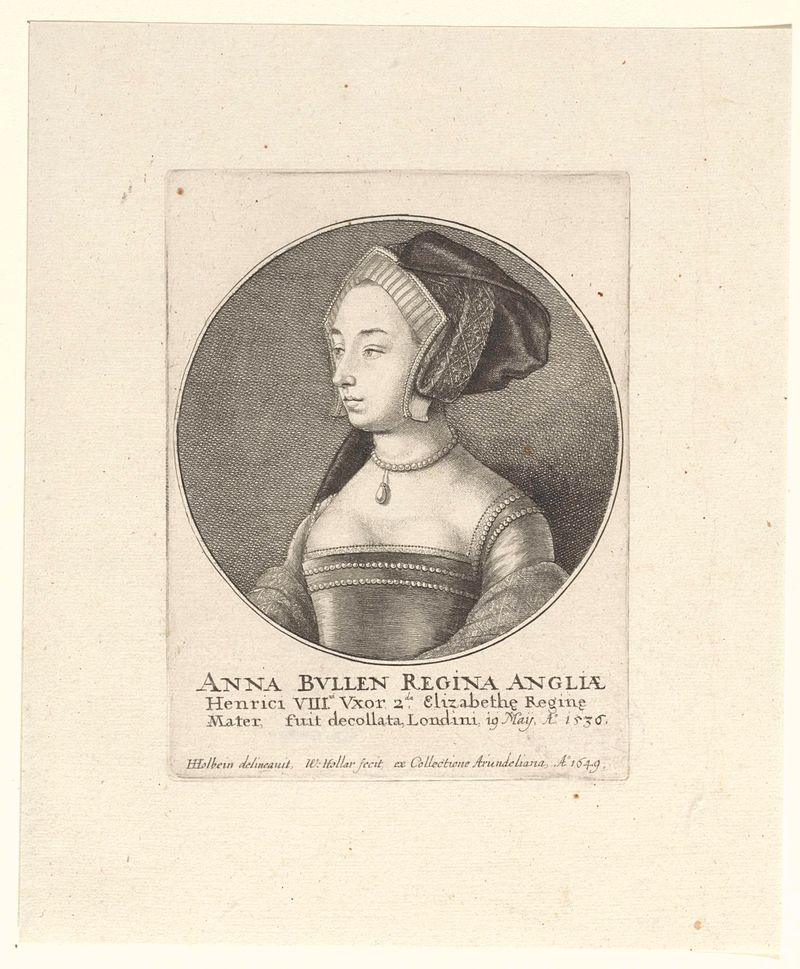
Portret van Anna Boleyn, koningin van Engeland
Wenceslaus Hollar
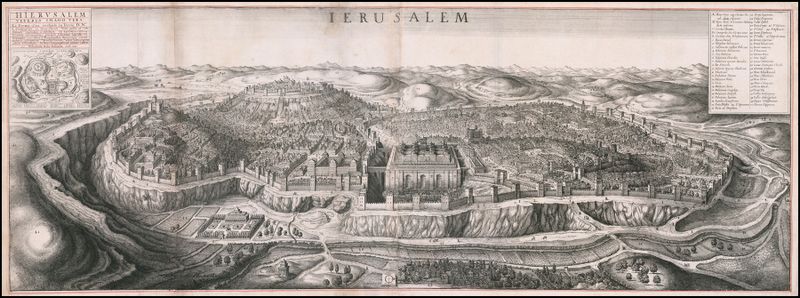
Bird’s eye view of Jerusalem
Wenceslaus Hollar
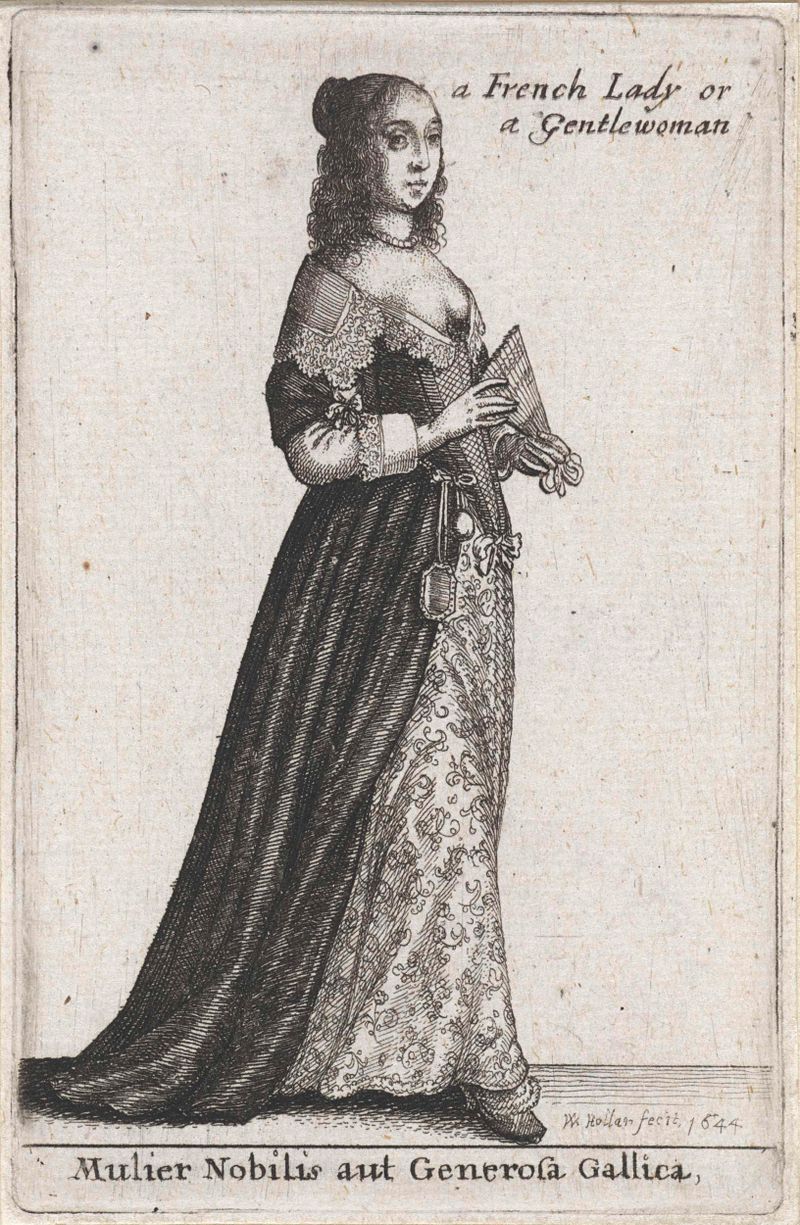
Mulier Nobilis aut Generosa Gallica / a French Lady or Gentlewoman
Wenceslaus Hollar
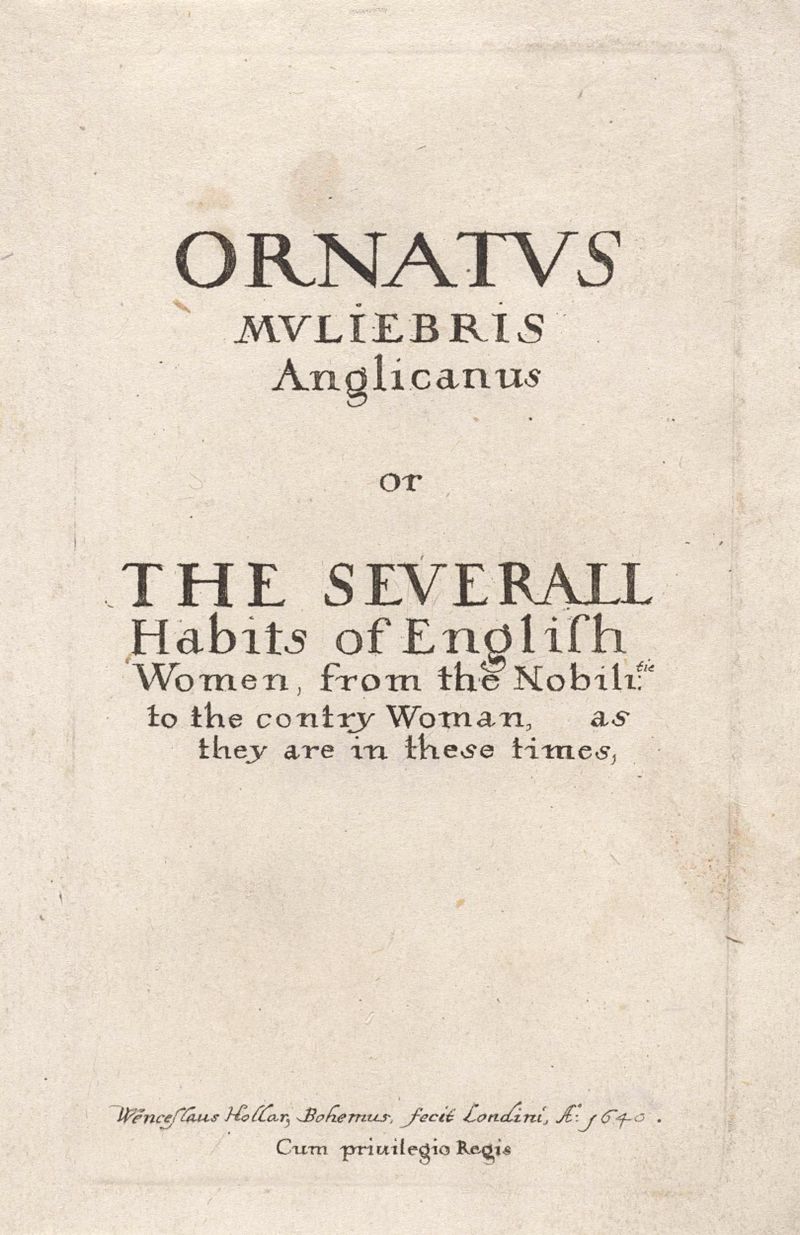
Titelprent voor: Ornatus Muliebris Anglicanus
Wenceslaus Hollar
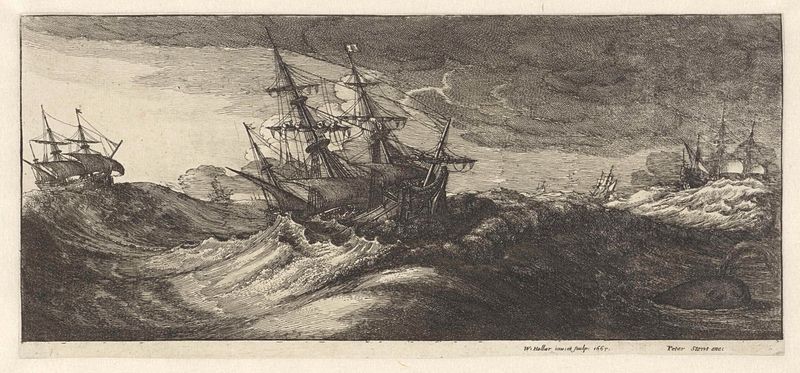
Oorlogsschepen en een walvis in een zeestorm
Wenceslaus Hollar
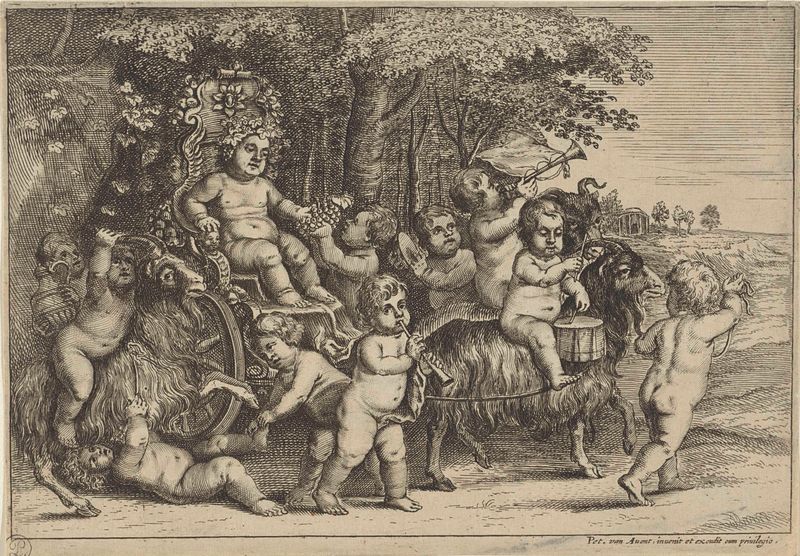
Optocht van bacchant en jongetjes op geiten
Wenceslaus Hollar
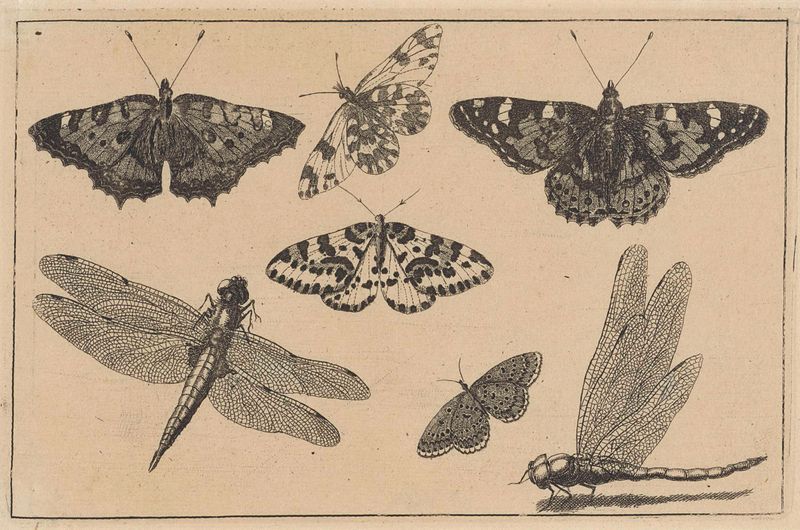
Twee libellen en vijf vlinders
Wenceslaus Hollar
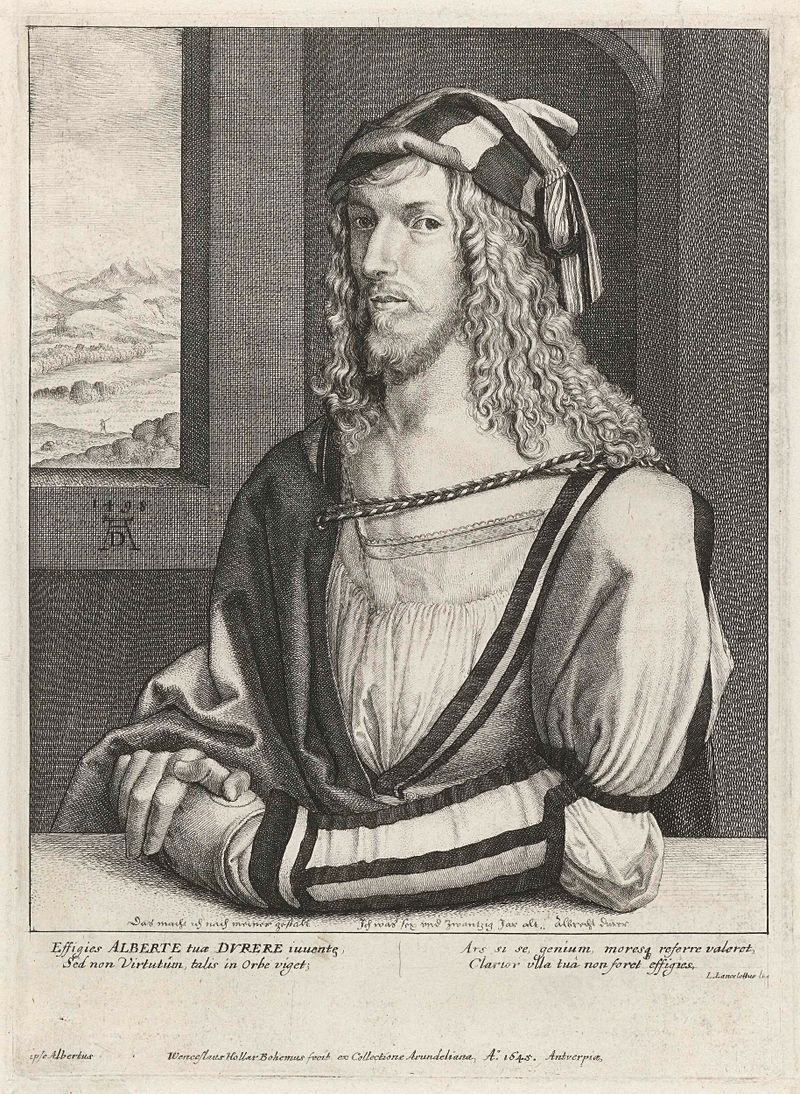
Portret van Albrecht Dürer
Wenceslaus Hollar
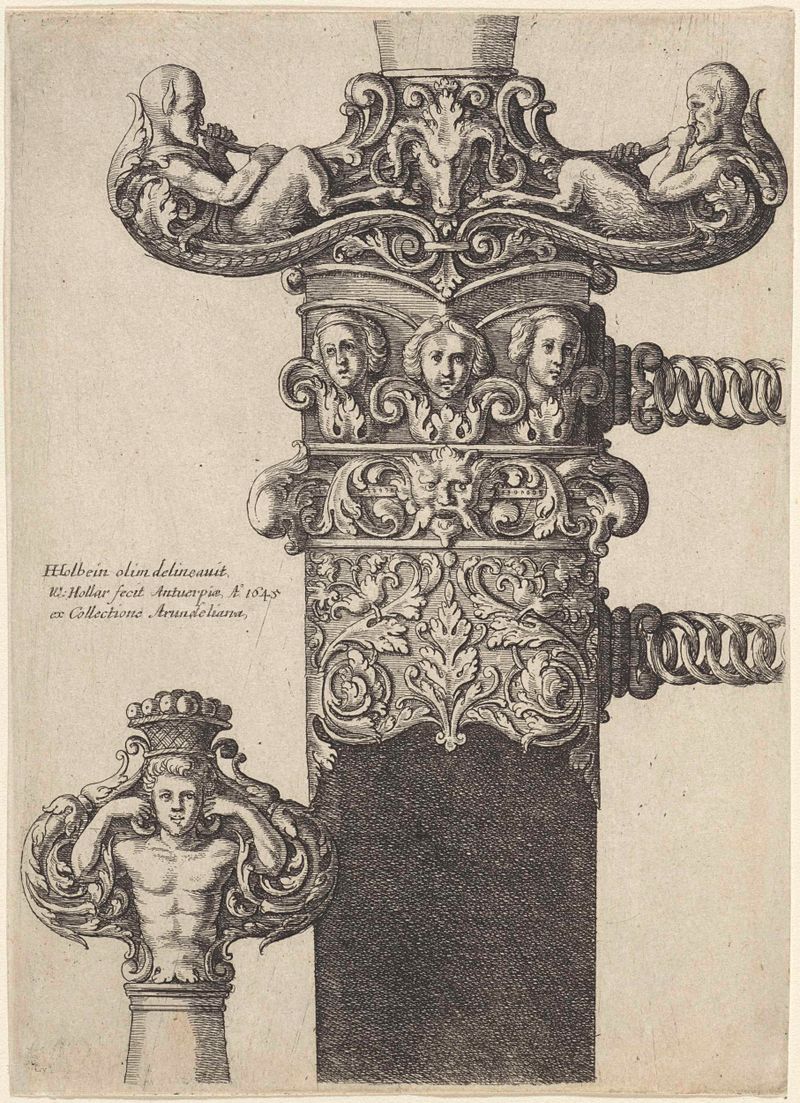
Ornamenteel ontwerp voor een dolk
Wenceslaus Hollar
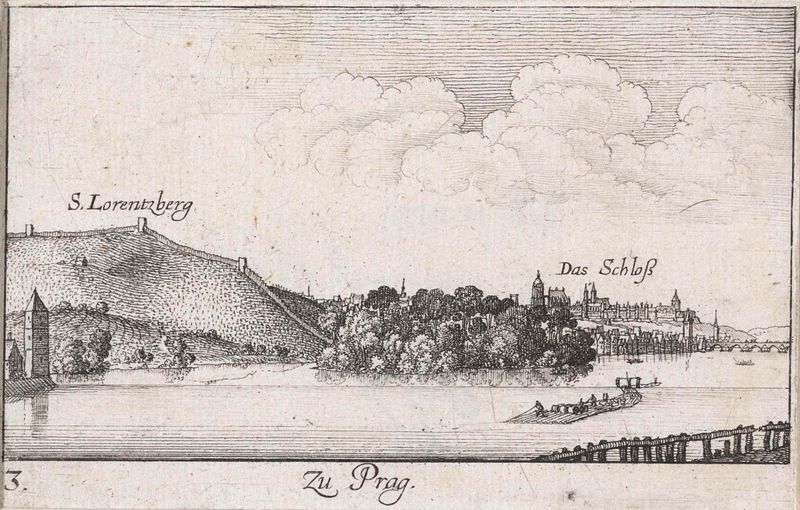
Gezicht op Praag vanaf de Moldau
Wenceslaus Hollar