Schelp, trochus niloticus — History & Facts
In the hush of an artful gathering, viewers encounter a moment suspended in time, where nature’s wonders are captured with reverent detail. Each brushstroke invites awe, echoing a world brimming with intricate beauty and unexpected revelations. Look closely at the delicate shell placed against a soft, muted background that both highlights and cradles its form. Notice the gentle play of light reflecting off the shell’s surface, revealing subtle gradations of color.
The artist's meticulous attention to texture draws you in, allowing you to almost feel the cool, smooth contours of the object, as if it could be lifted from the canvas at any moment. This composition, with its serene simplicity, underscores the profound connection between art and the natural world. Underneath this seemingly straightforward depiction lies a rich tapestry of meaning. The shell, a remnant of life, symbolizes both beauty and transience, a reminder of nature’s ephemeral gifts.
Moreover, the minimalist backdrop emphasizes the shell’s intricate details, inviting contemplation on themes of existence and the passage of time. It subtly whispers the relationship between humanity and the environment — an awe-inspiring dialogue marked by fragility and strength. Wenceslaus Hollar created Schelp during the years 1644 to 1652, a period marked by his relocation to England after fleeing the turmoil of the Thirty Years' War in his native Bohemia. Immersed in the vibrant artistic circles of London, he sought to capture the natural beauty around him, reflecting the growing interest in science and observation of the natural world characteristic of the time.
This piece exemplifies his dedication to meticulous detail and the celebration of nature's wonders, revealing an artist deeply engaged with both art and life.
More Artworks by Wenceslaus Hollar
Browse all →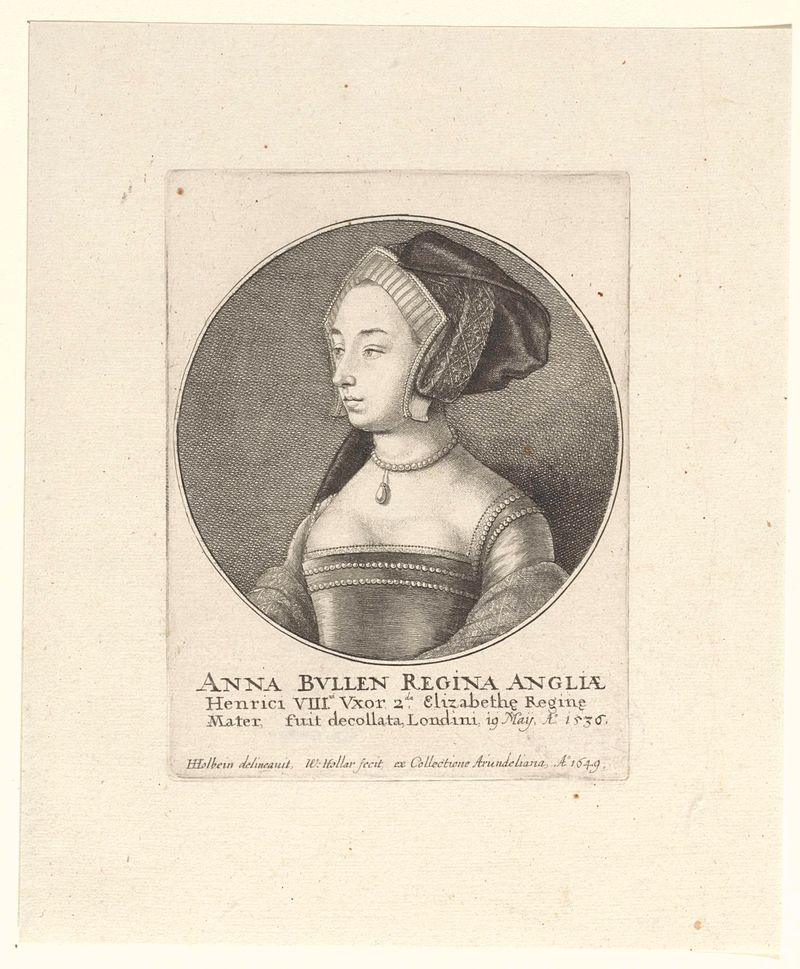
Portret van Anna Boleyn, koningin van Engeland
Wenceslaus Hollar
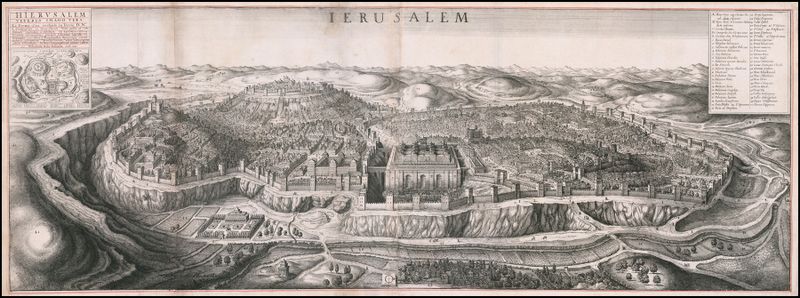
Bird’s eye view of Jerusalem
Wenceslaus Hollar
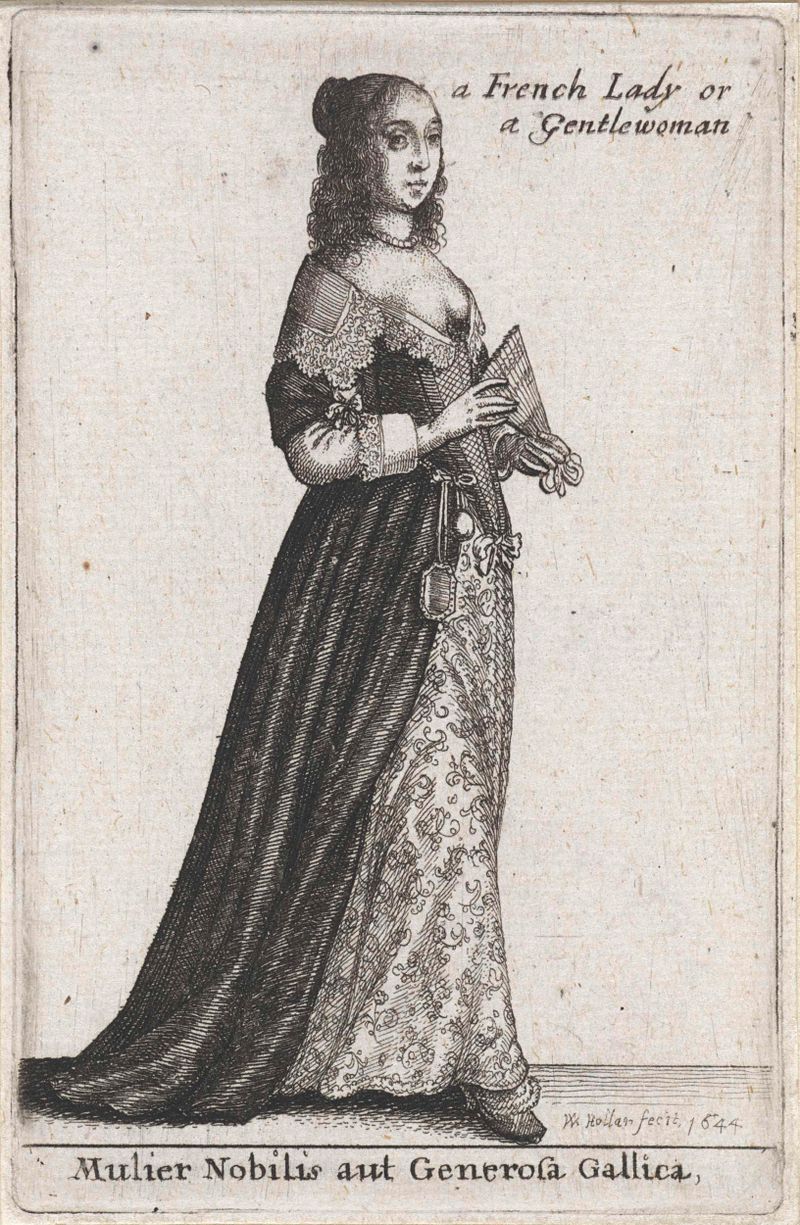
Mulier Nobilis aut Generosa Gallica / a French Lady or Gentlewoman
Wenceslaus Hollar
Titelprent voor: Ornatus Muliebris Anglicanus
Wenceslaus Hollar
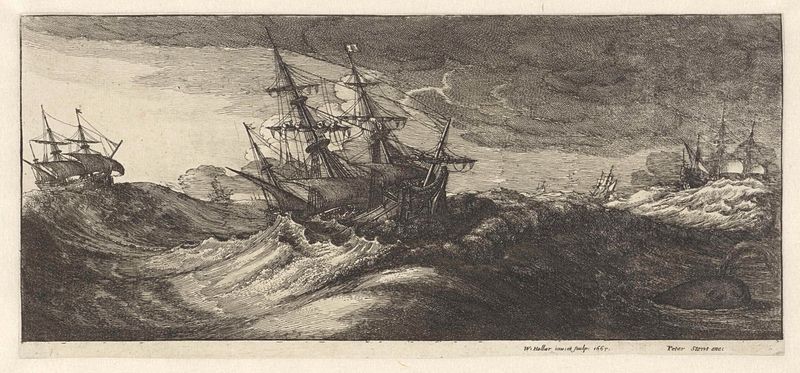
Oorlogsschepen en een walvis in een zeestorm
Wenceslaus Hollar
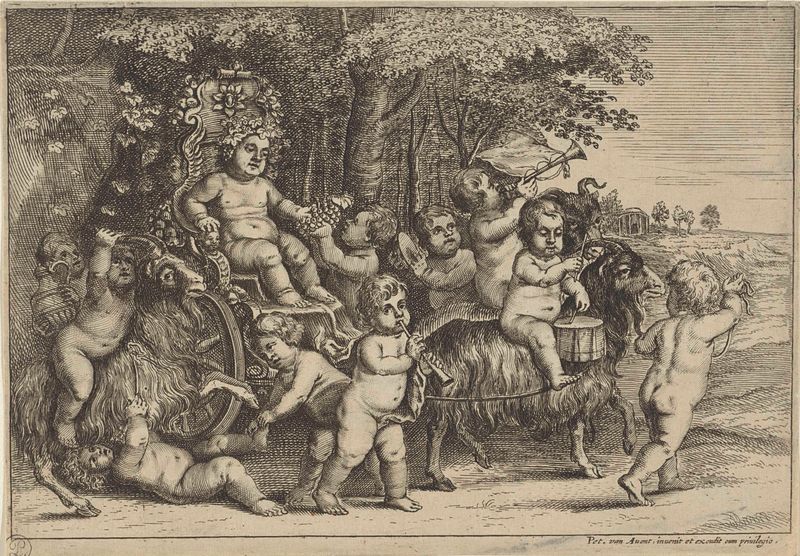
Optocht van bacchant en jongetjes op geiten
Wenceslaus Hollar
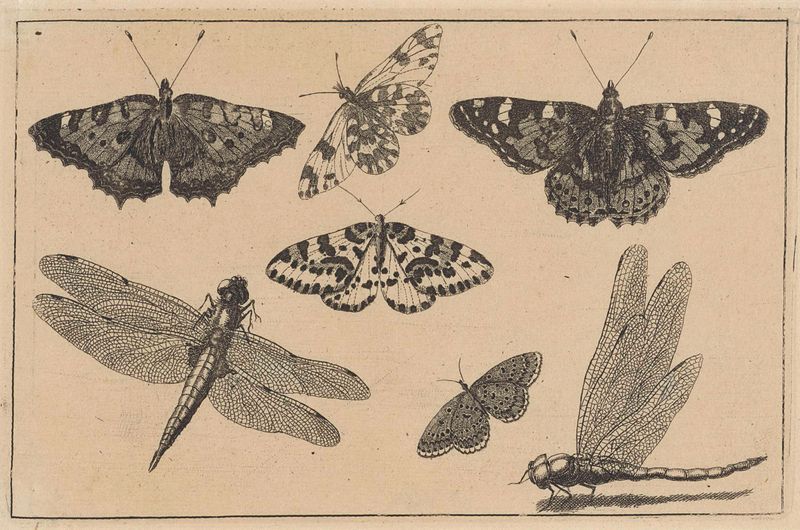
Twee libellen en vijf vlinders
Wenceslaus Hollar
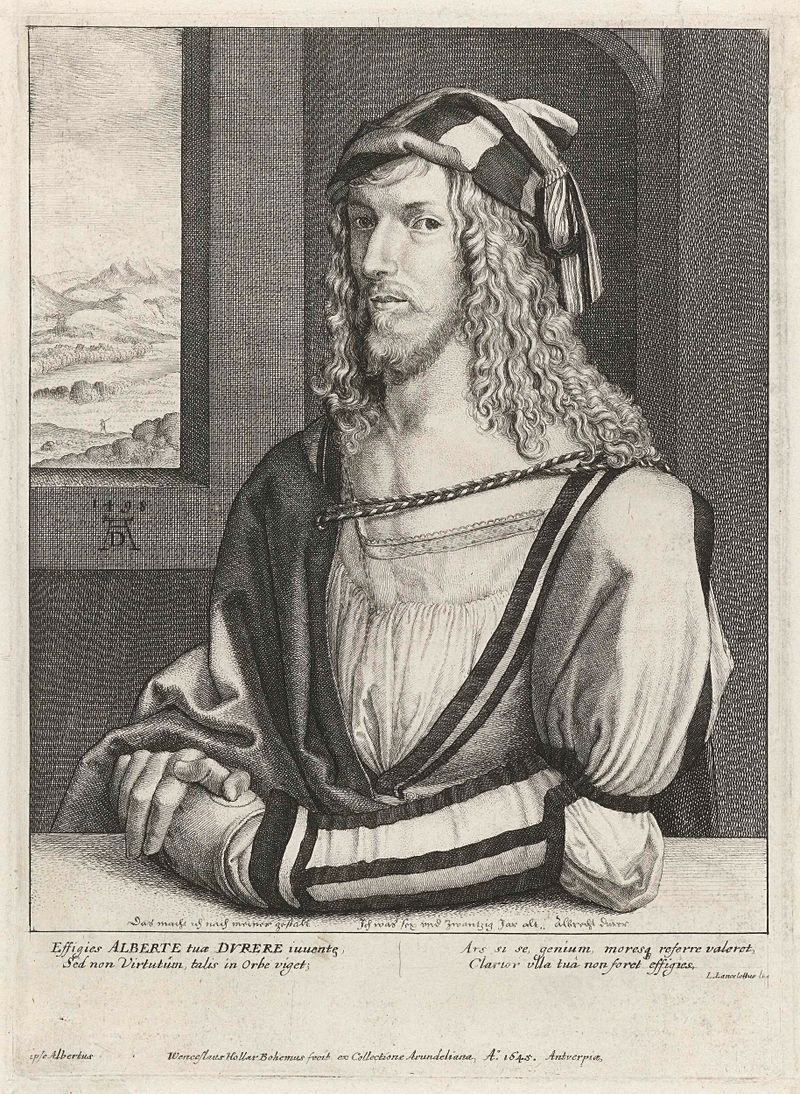
Portret van Albrecht Dürer
Wenceslaus Hollar
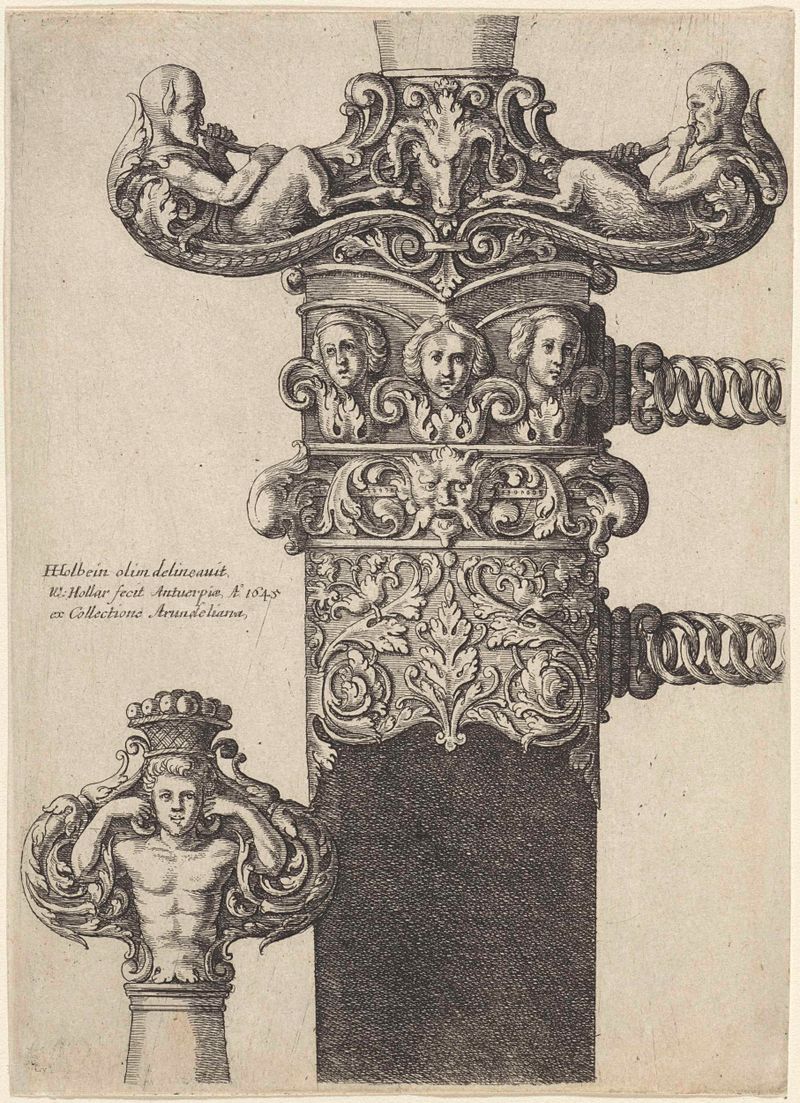
Ornamenteel ontwerp voor een dolk
Wenceslaus Hollar
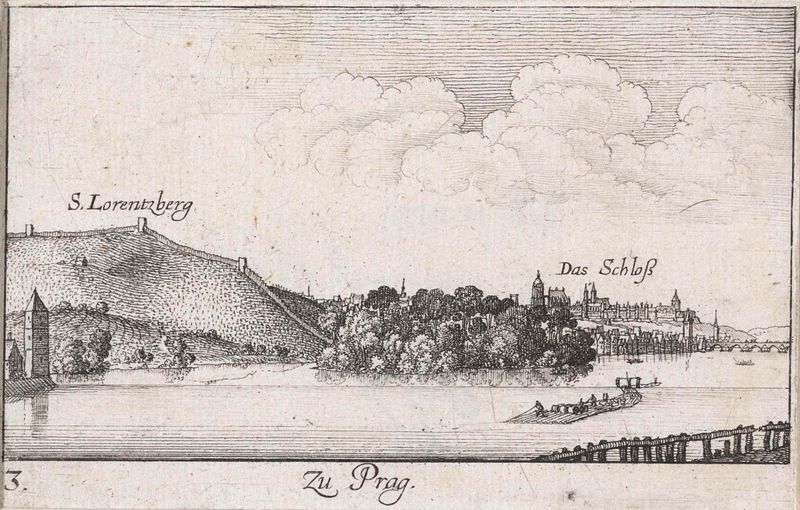
Gezicht op Praag vanaf de Moldau
Wenceslaus Hollar