Schelp, vasum ceramicum — History & Facts
When did color learn to lie? What if the vibrant hues we cherish mask deeper truths, hiding the ecstasy of existence beneath a surface of illusion? Look closely at the porcelain vessel, positioned with such grace at the center of the composition. Notice how the delicate blues and whites intertwine, a symphony of cool tones that beckons the eye. The artist employs meticulous line work, capturing every curve and glaze of the ceramic with an almost reverent precision.
The intricate patterns dance around the face of the vessel, each swirling detail inviting contemplation of both beauty and fragility. Yet, within this apparent harmony lies a tension that speaks to the viewer's emotions. The juxtaposition of the vessel's polished surface against the rough, textured backdrop suggests a conflict between the ideal and the real. This contrast invites a deeper introspection: are we truly able to embrace the ecstasy of life, or do we often find ourselves trapped in a facade? The nimble play of light across the ceramic hints at a fleeting nature, a reminder that even the most exquisite beauty is temporary. Painted between 1644 and 1652, this work emerged during a period of shifting artistic ideologies for Wenceslaus Hollar.
Living in the vibrant cultural milieu of 17th-century Europe, he navigated the intersection of Baroque excess and emerging realism. As he crafted Schelp, vasum ceramicum, the artist sought to capture not just the object before him, but the complex emotions that accompany the delicate beauty of life itself.
More Artworks by Wenceslaus Hollar
Browse all →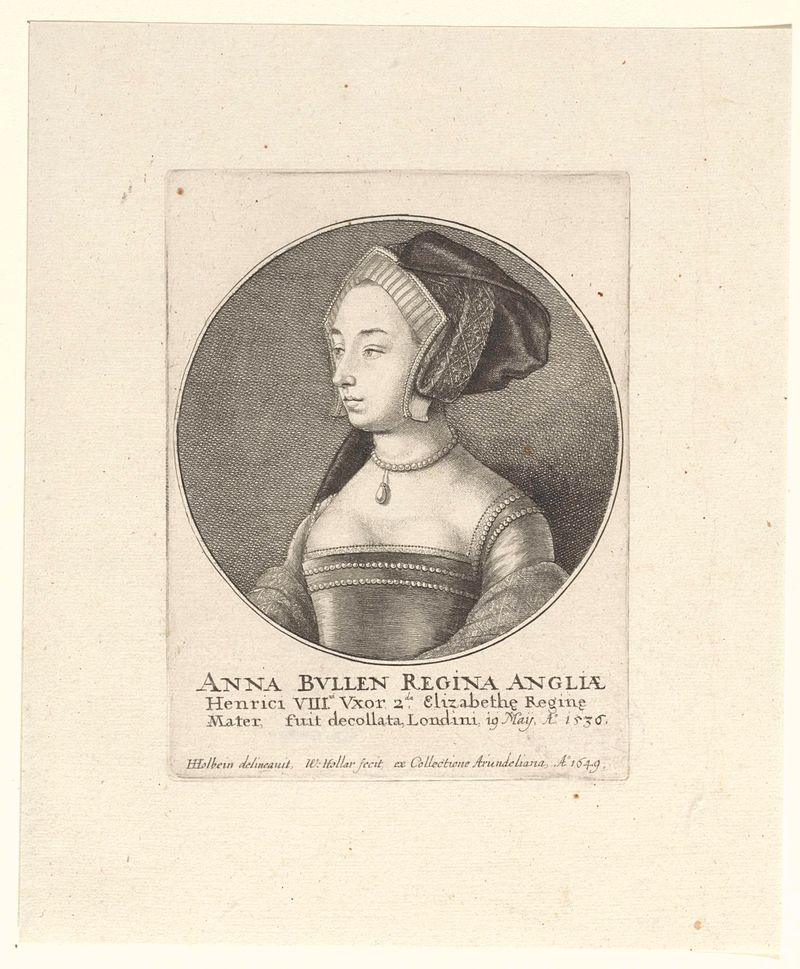
Portret van Anna Boleyn, koningin van Engeland
Wenceslaus Hollar
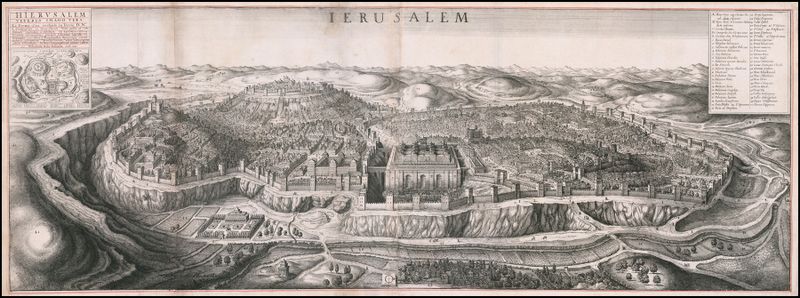
Bird’s eye view of Jerusalem
Wenceslaus Hollar
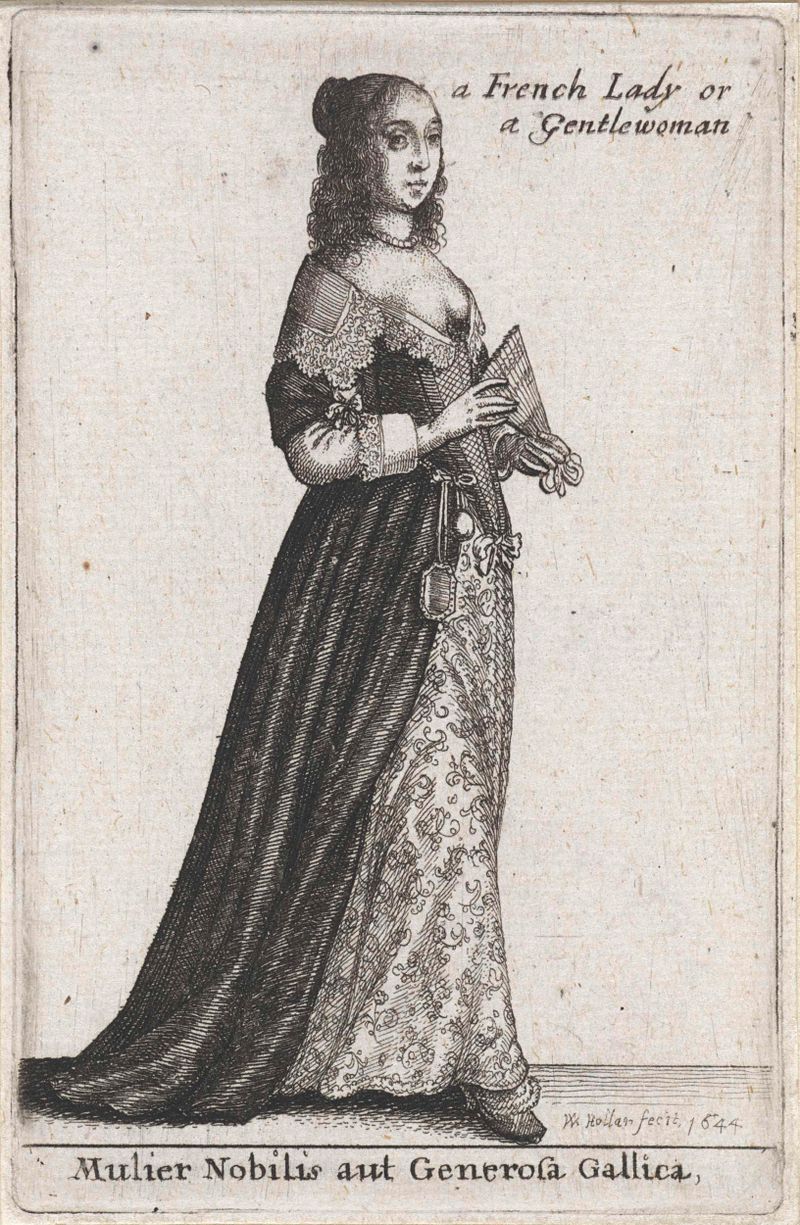
Mulier Nobilis aut Generosa Gallica / a French Lady or Gentlewoman
Wenceslaus Hollar
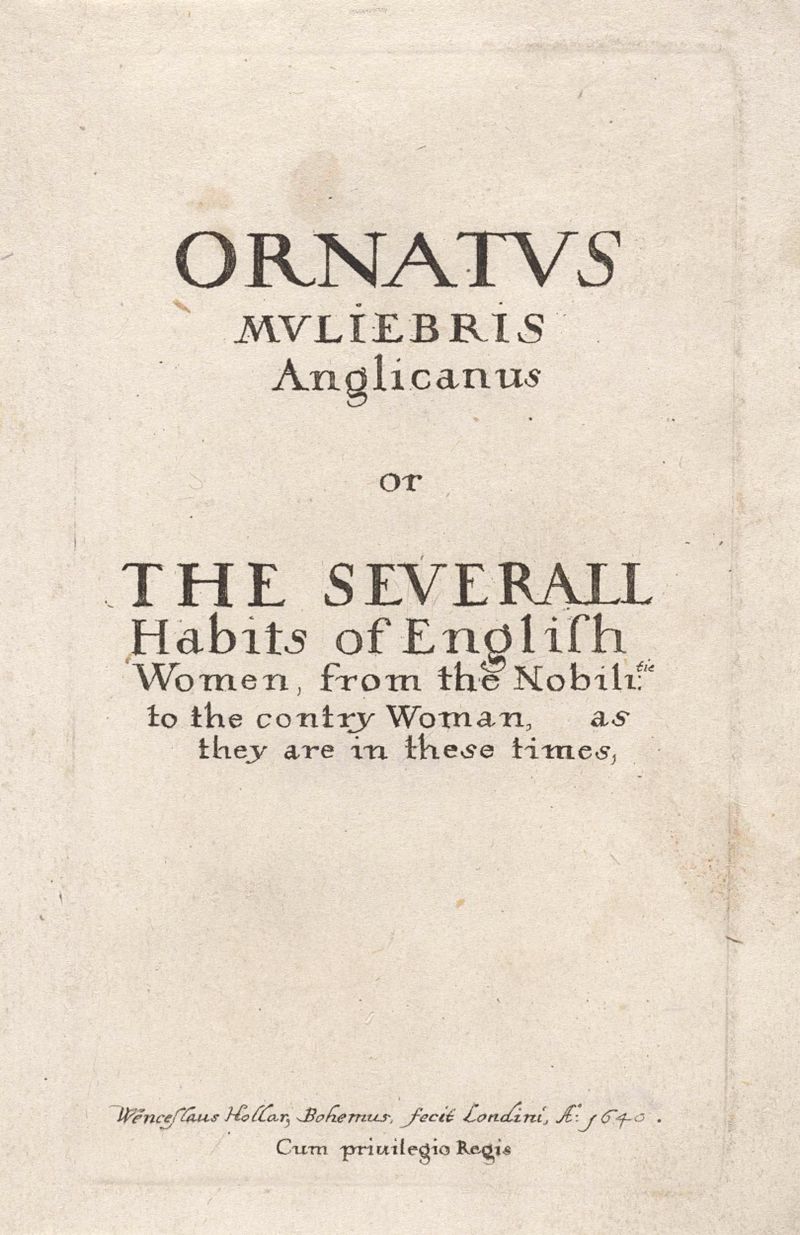
Titelprent voor: Ornatus Muliebris Anglicanus
Wenceslaus Hollar
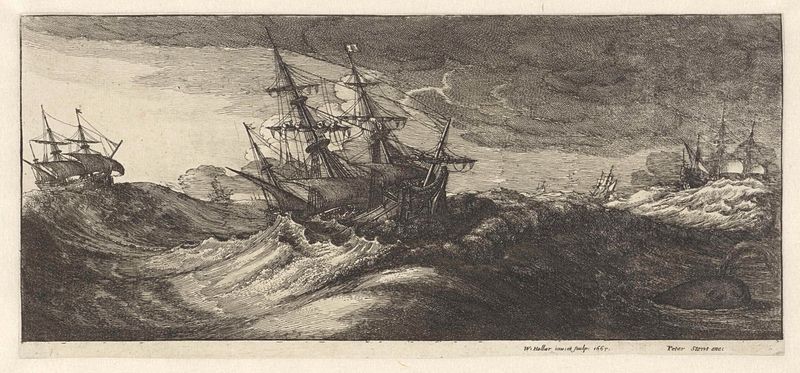
Oorlogsschepen en een walvis in een zeestorm
Wenceslaus Hollar
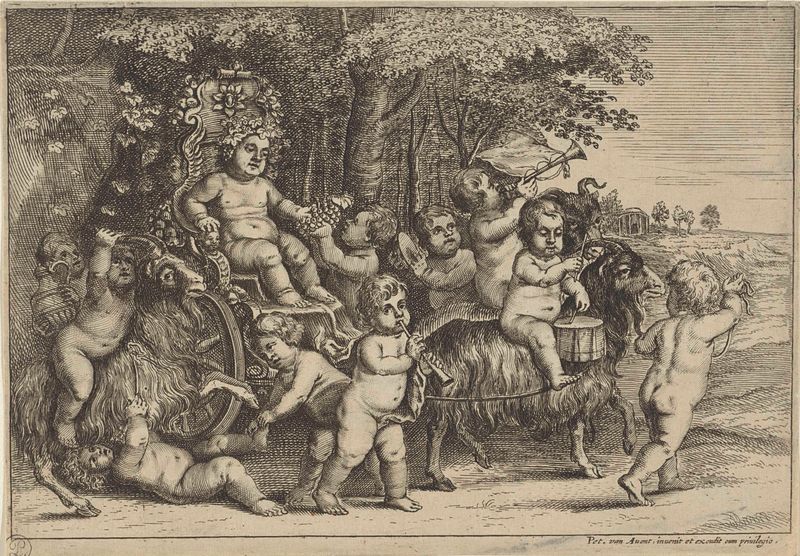
Optocht van bacchant en jongetjes op geiten
Wenceslaus Hollar
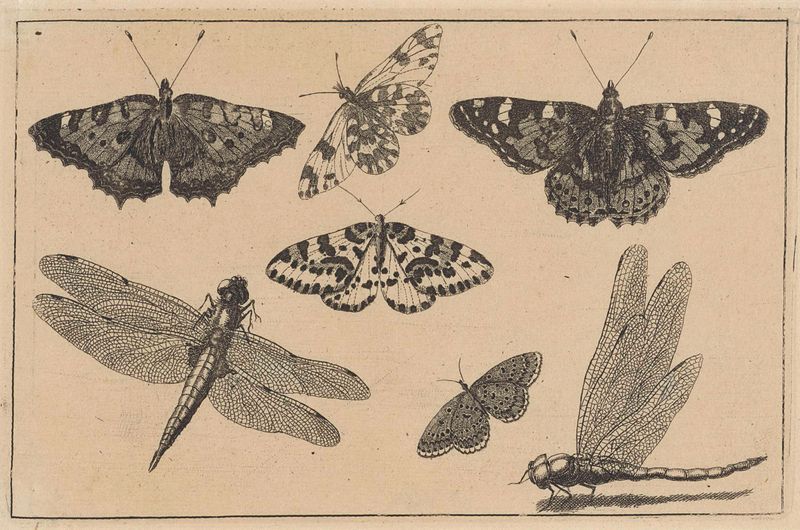
Twee libellen en vijf vlinders
Wenceslaus Hollar
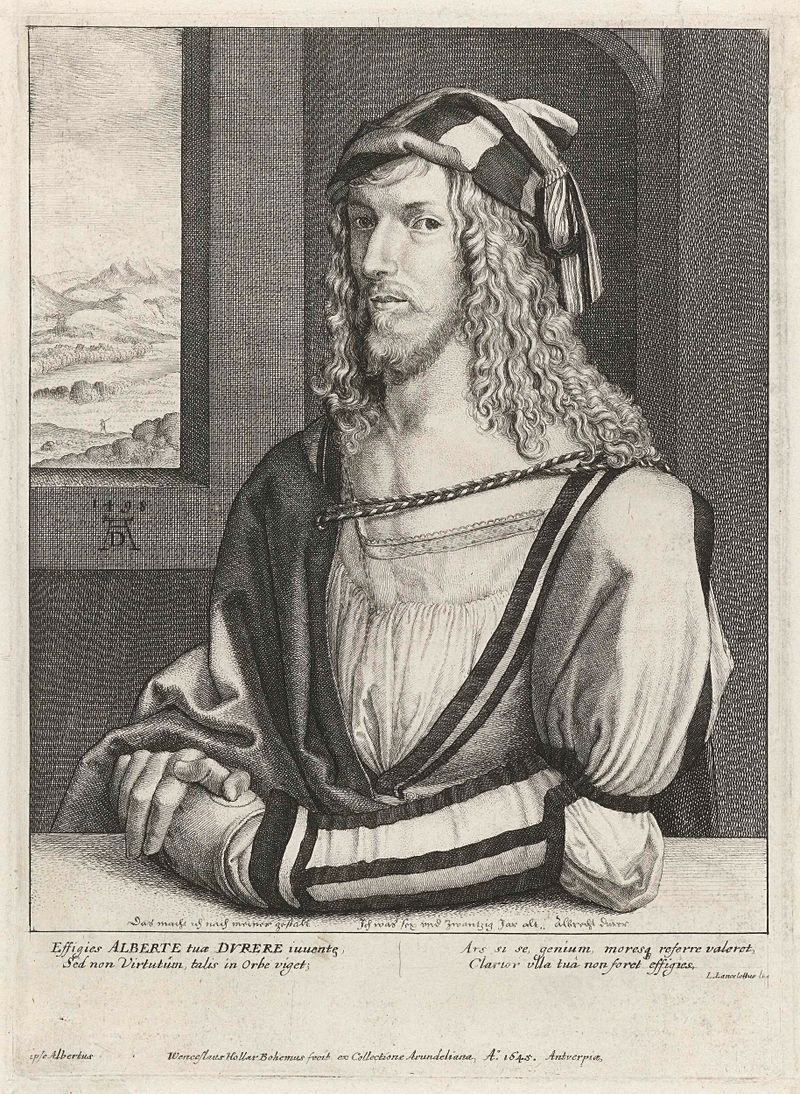
Portret van Albrecht Dürer
Wenceslaus Hollar
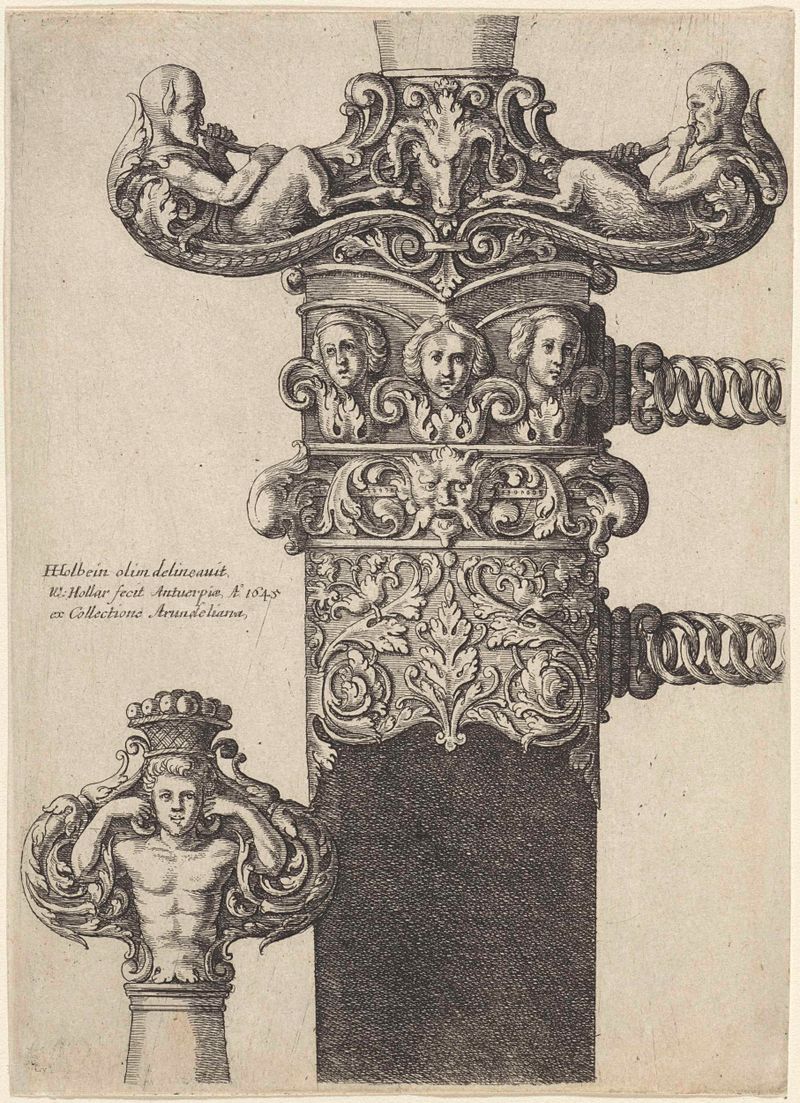
Ornamenteel ontwerp voor een dolk
Wenceslaus Hollar
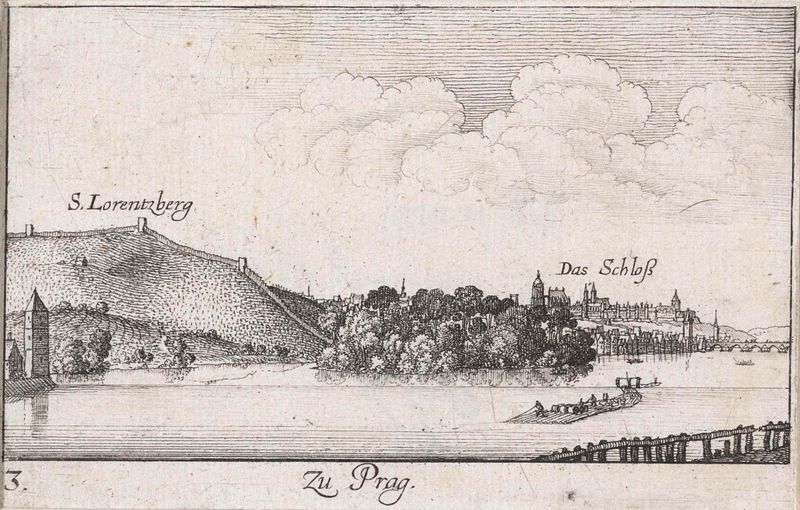
Gezicht op Praag vanaf de Moldau
Wenceslaus Hollar