Schelp, vasum ceramicum — History & Facts
In the stillness of the canvas, a singular ceramic vase stands as a monument to what once was, the echoes of loss lingering in its form. Look closely at the vase's surface, where the delicate interplay of shadows and highlights reveals the artist's mastery of light. Notice how the muted palette of earth tones draws your gaze, inviting you to explore the intricate patterns that weave across its body. The subtle gradations evoke a sense of depth, suggesting not just a physical object but the weight of memory it carries. As you delve deeper, consider the vase's position—centered yet solitary—symbolizing a fragment of a larger narrative now obscured by time.
The absence of floral adornment highlights a stark contrast between potential beauty and the emptiness that surrounds it. This tension between fullness and void speaks to the impermanence of life and the inevitability of loss, urging viewers to confront their own emotional connections to what is cherished and departed. In the years between 1644 and 1652, Wenceslaus Hollar navigated a world marked by artistic exploration and personal upheaval. Living in the midst of the Thirty Years' War, the artist sought refuge in his work, capturing everyday objects with an eye for detail that transcended mere representation.
This period of his life was defined by both creative fervor and the whispers of grief, evident in the somber yet poignant nature of his still lifes, such as this compelling piece.
More Artworks by Wenceslaus Hollar
Browse all →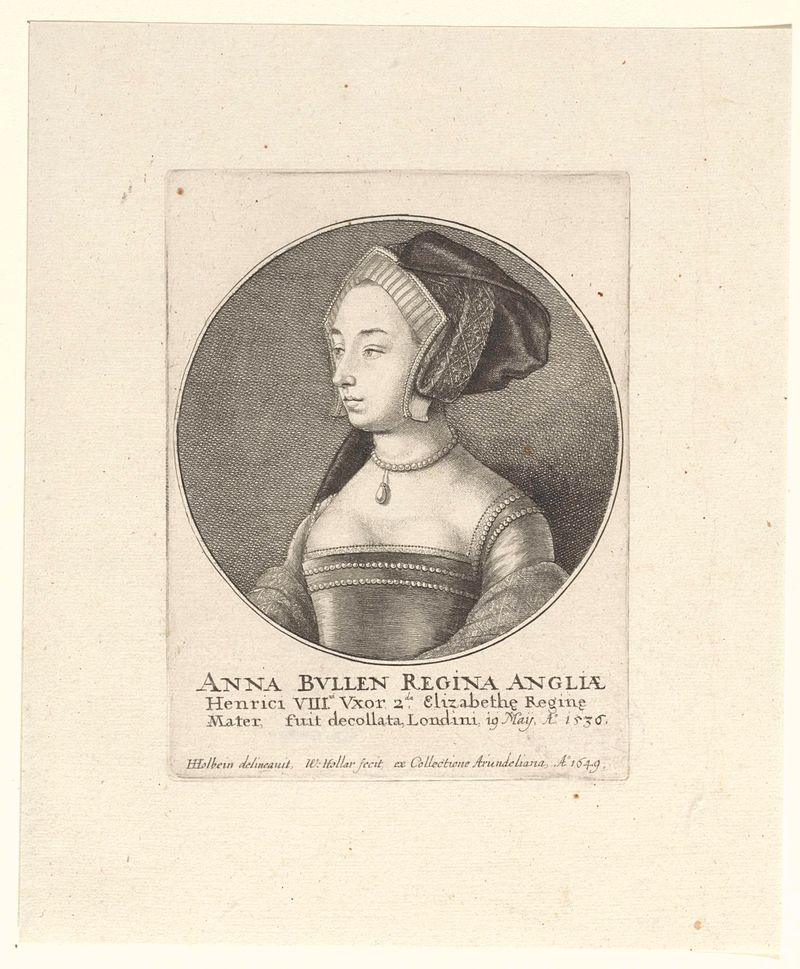
Portret van Anna Boleyn, koningin van Engeland
Wenceslaus Hollar
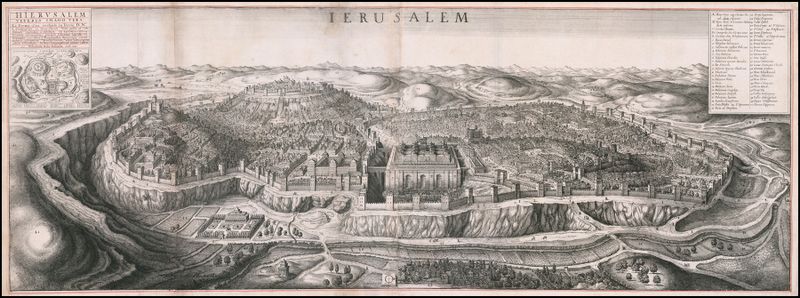
Bird’s eye view of Jerusalem
Wenceslaus Hollar
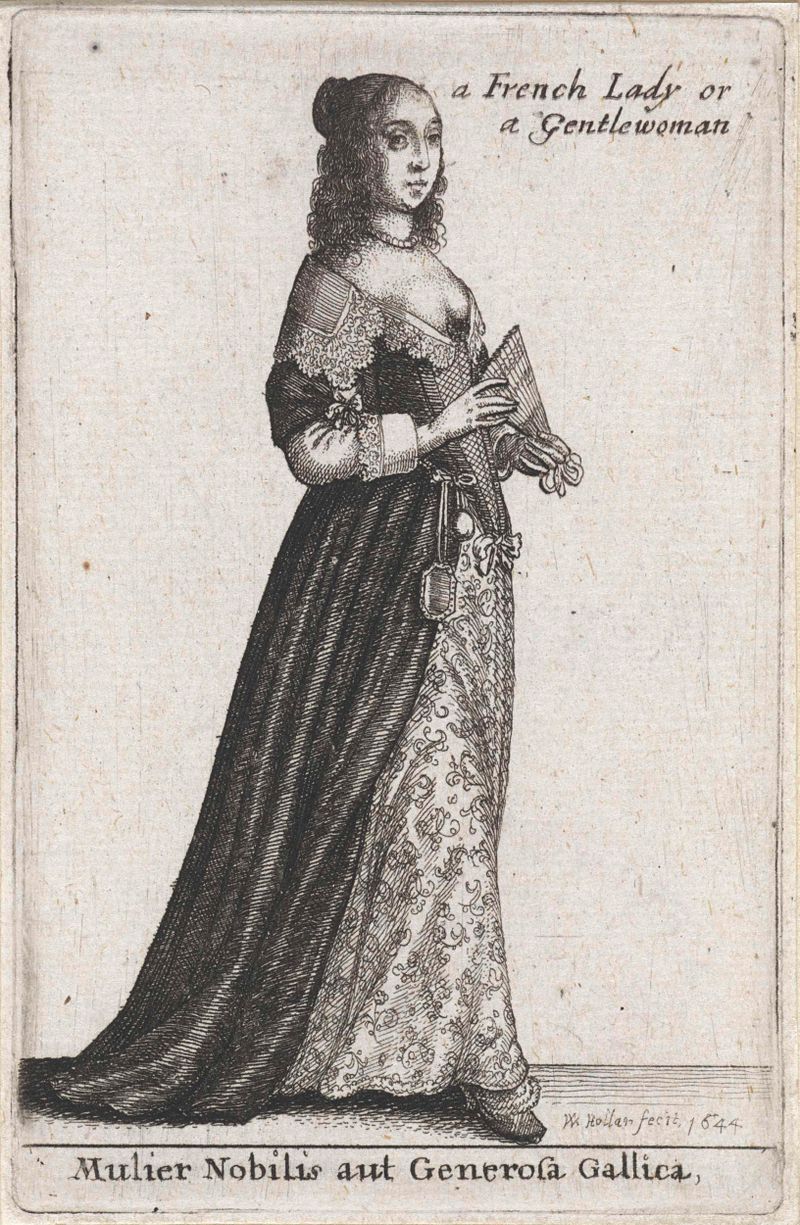
Mulier Nobilis aut Generosa Gallica / a French Lady or Gentlewoman
Wenceslaus Hollar
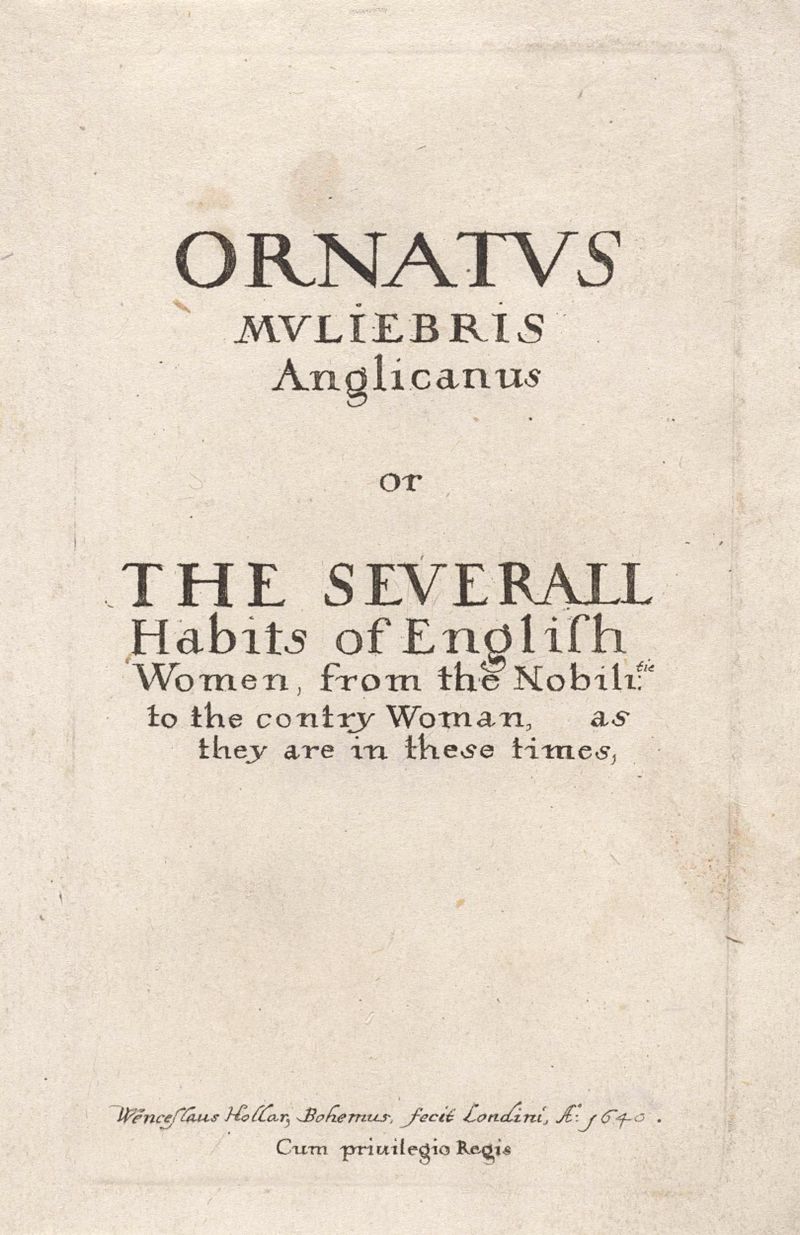
Titelprent voor: Ornatus Muliebris Anglicanus
Wenceslaus Hollar
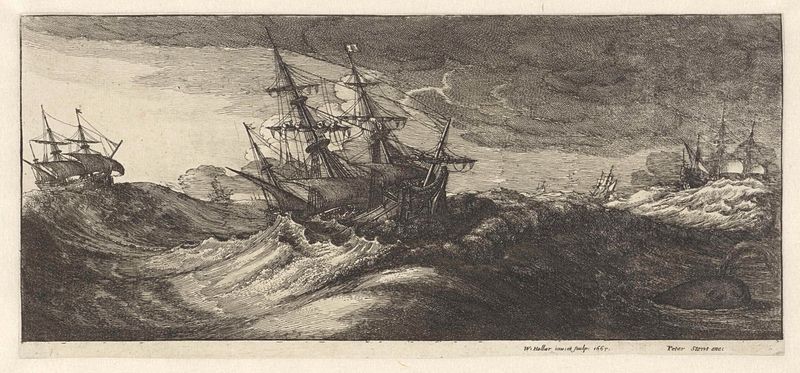
Oorlogsschepen en een walvis in een zeestorm
Wenceslaus Hollar
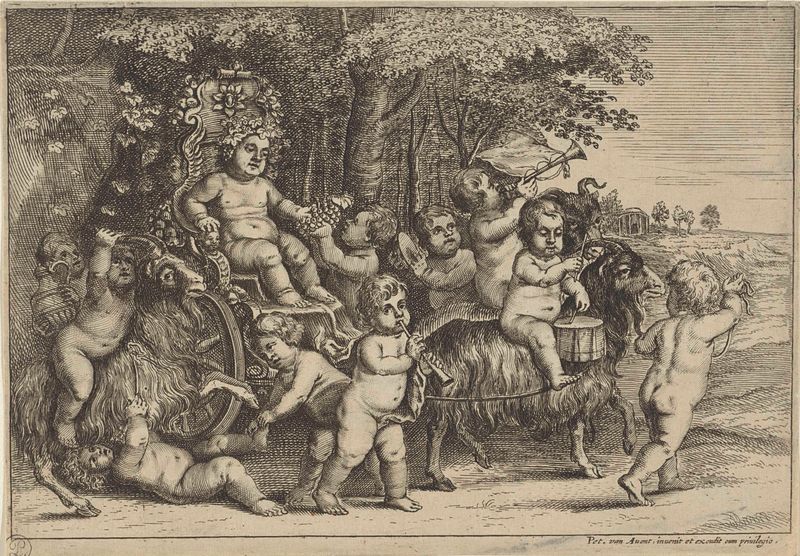
Optocht van bacchant en jongetjes op geiten
Wenceslaus Hollar
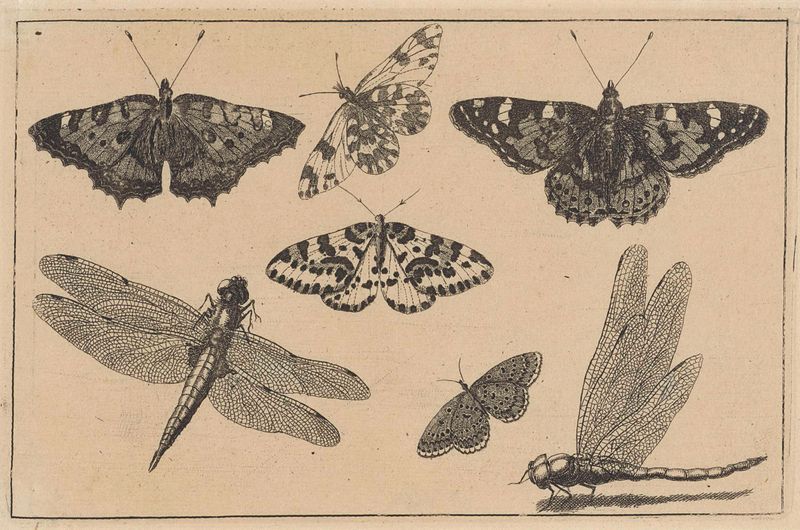
Twee libellen en vijf vlinders
Wenceslaus Hollar
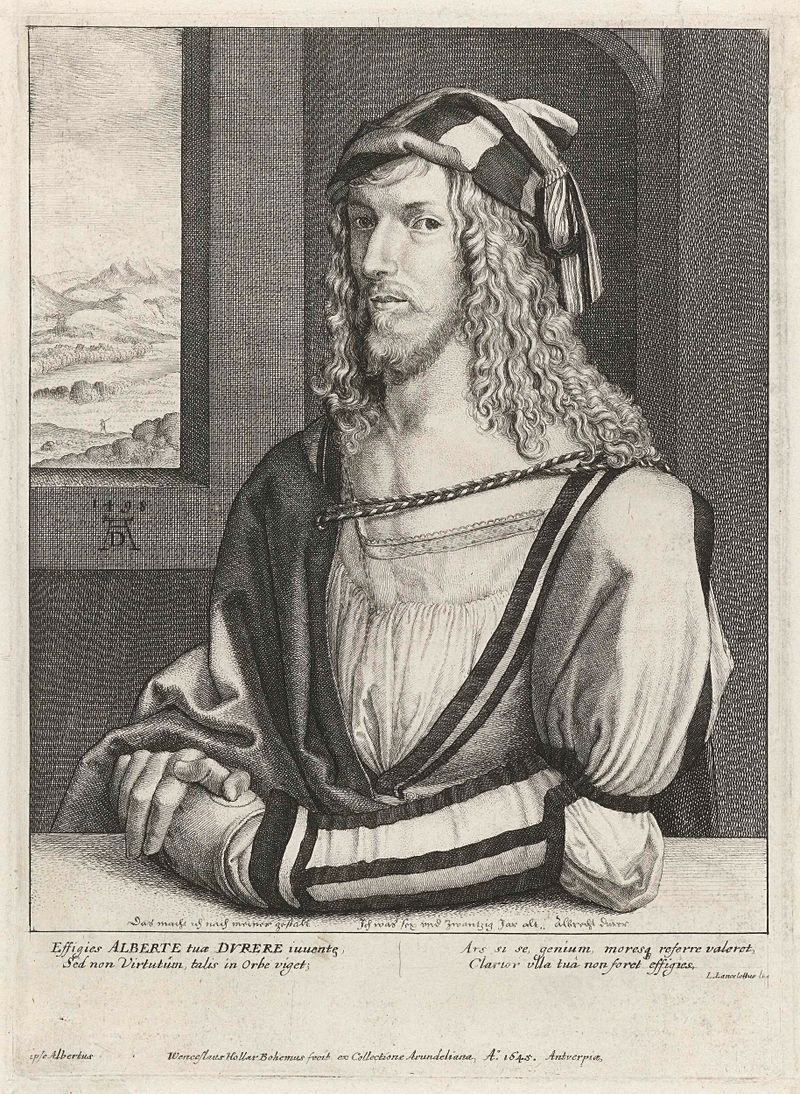
Portret van Albrecht Dürer
Wenceslaus Hollar
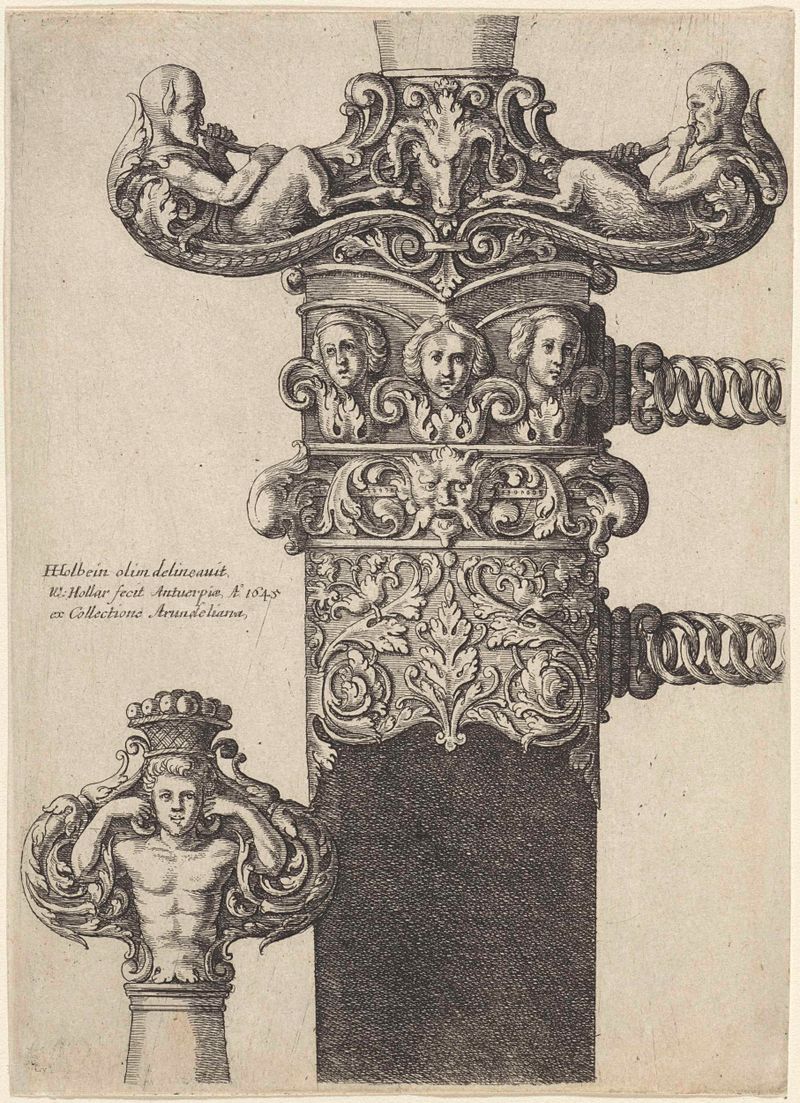
Ornamenteel ontwerp voor een dolk
Wenceslaus Hollar
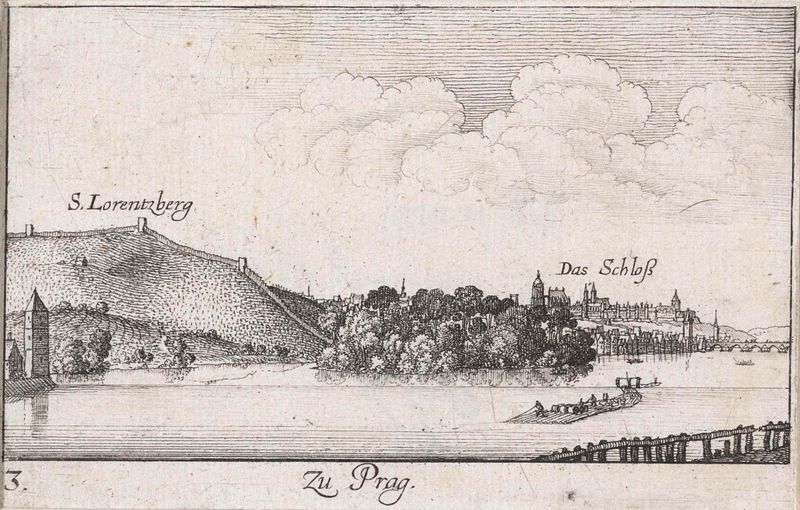
Gezicht op Praag vanaf de Moldau
Wenceslaus Hollar