Schelp, vasum muricatum born — History & Facts
In the stillness of Schelp, vasum muricatum born, a void whispers, inviting contemplation of the delicate balance between existence and absence. The empty space surrounding the shell starkly contrasts its detailed form, compelling the viewer to ponder what is left unsaid in the interplay of life and death. Look closely at the textured surface of the shell, where light dances across its ridges, illuminating the subtle variations in color. Notice how Hollar’s meticulous cross-hatching creates shadows that breathe life into this inanimate object, guiding your gaze from the graceful curves of the shell to the fine details etched into its surface.
The background remains unadorned, enhancing the shell's prominence and evoking a sense of isolation that draws you inward. Here lies a poignant reflection on nature's fragility, as the shell, once a protective home, now stands alone, stripped of its vitality. This emptiness suggests deeper layers of meaning about what remains after life departs. The tension between the shell’s intricate beauty and its solitude illustrates the contrast between existence and the void, prompting questions about purpose and loss. In the years between 1644 and 1652, Hollar worked in various European cities, capturing the world around him with exceptional precision.
Life during this period was marked by both hardship and innovation, as the art world began shifting towards more personal, introspective subjects. This piece serves as a testament to Hollar’s ability to find significance in the simple, the empty, and the overlooked amidst a rapidly changing cultural landscape.
More Artworks by Wenceslaus Hollar
Browse all →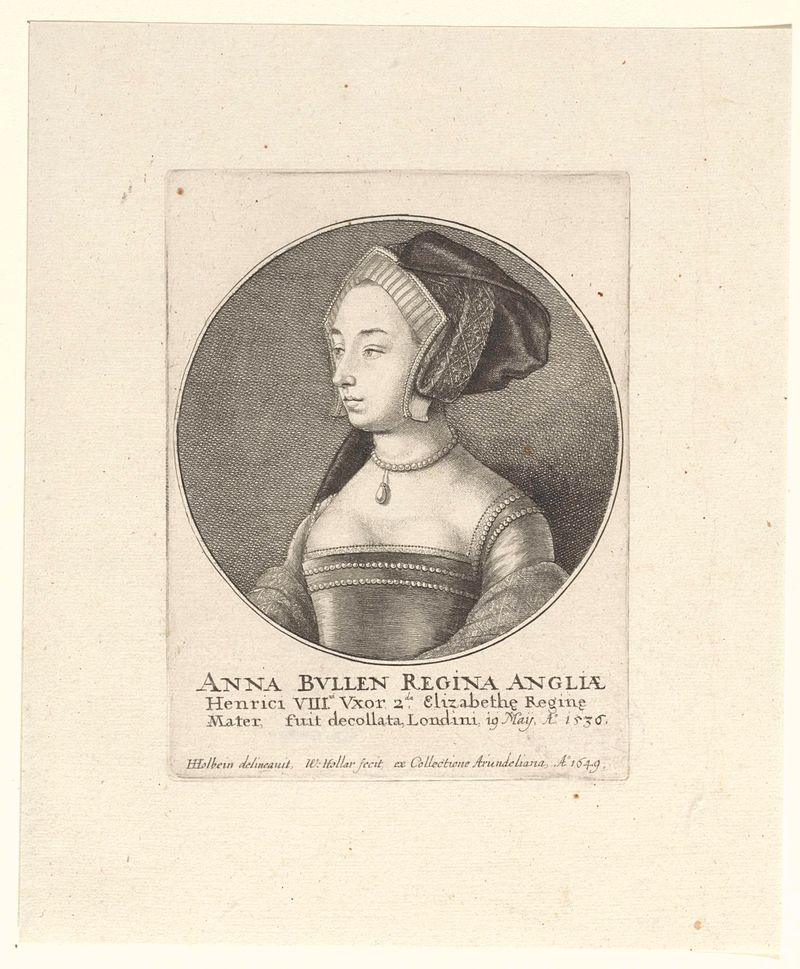
Portret van Anna Boleyn, koningin van Engeland
Wenceslaus Hollar
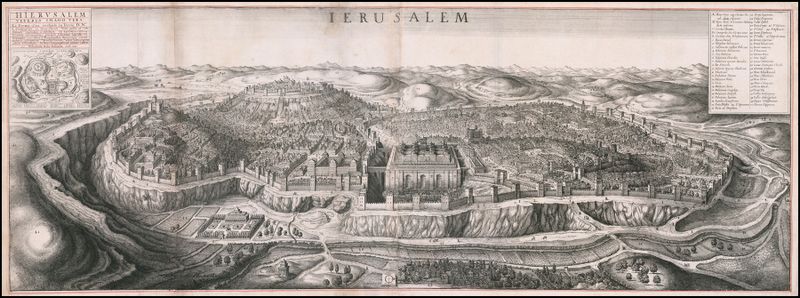
Bird’s eye view of Jerusalem
Wenceslaus Hollar
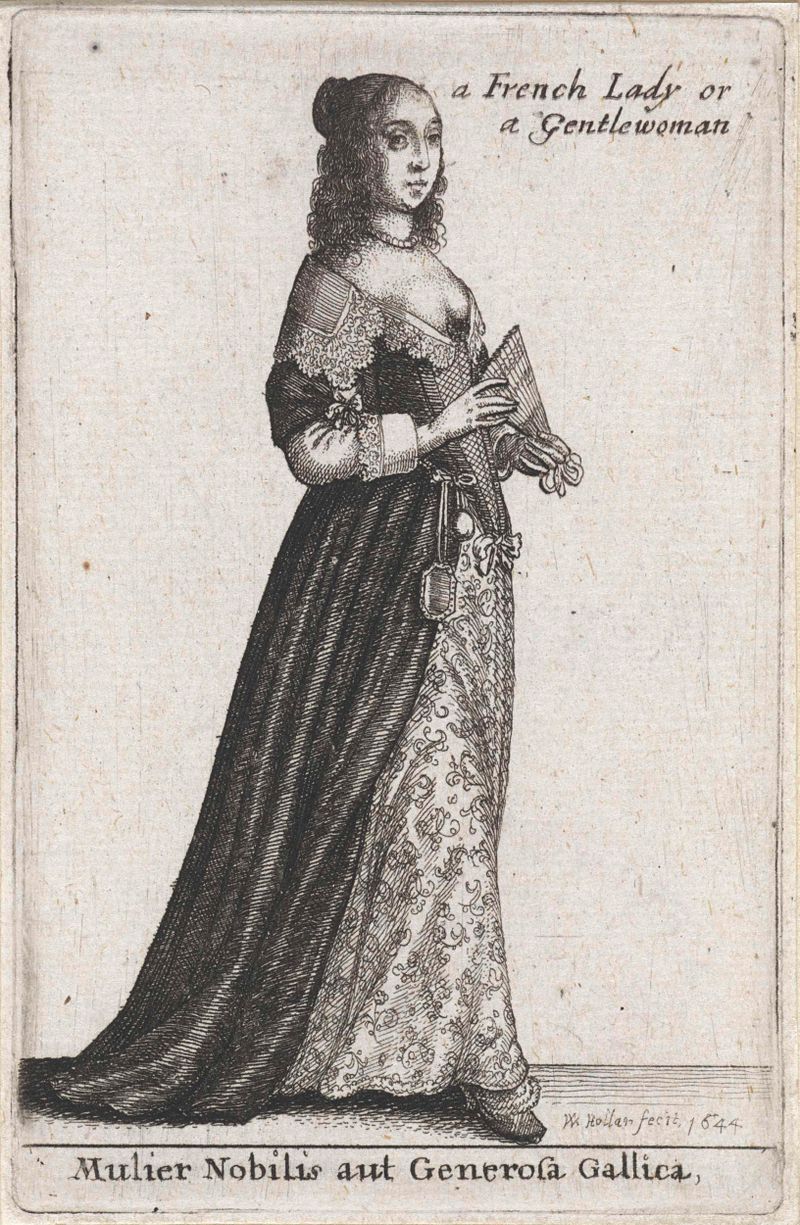
Mulier Nobilis aut Generosa Gallica / a French Lady or Gentlewoman
Wenceslaus Hollar
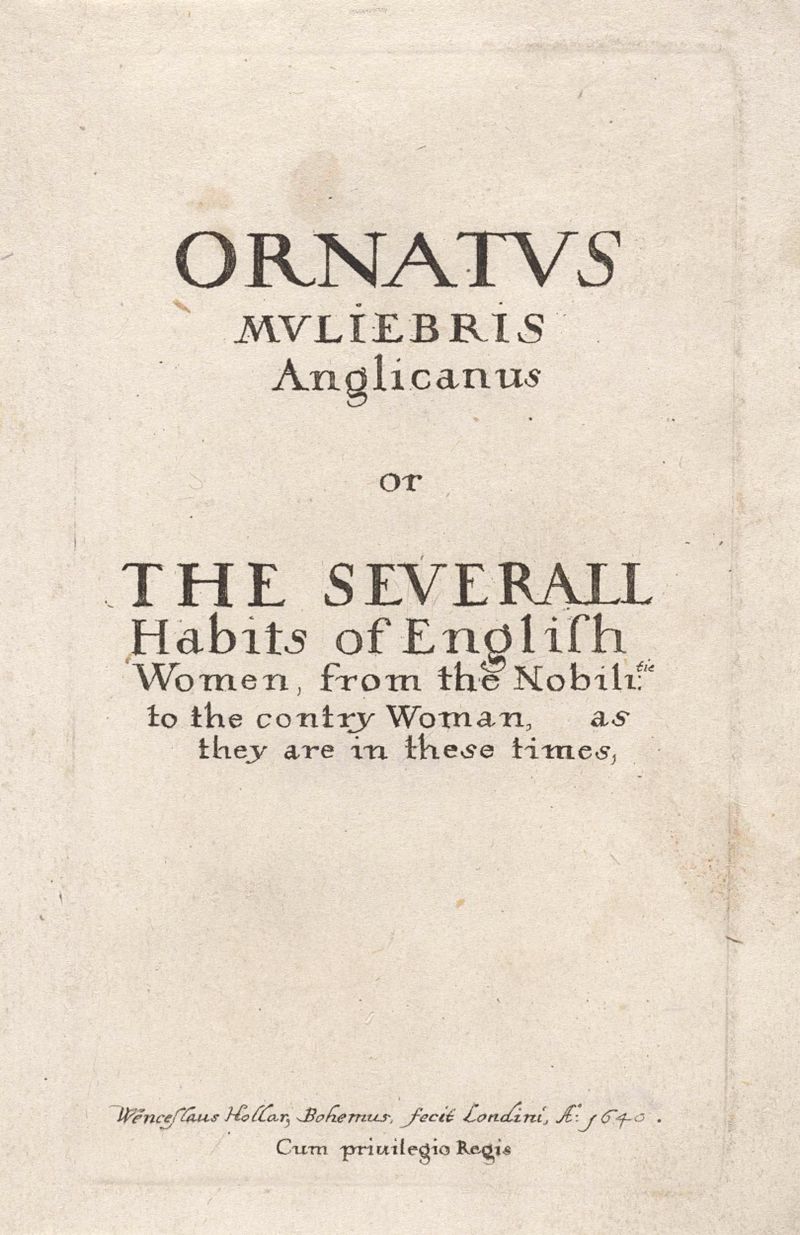
Titelprent voor: Ornatus Muliebris Anglicanus
Wenceslaus Hollar
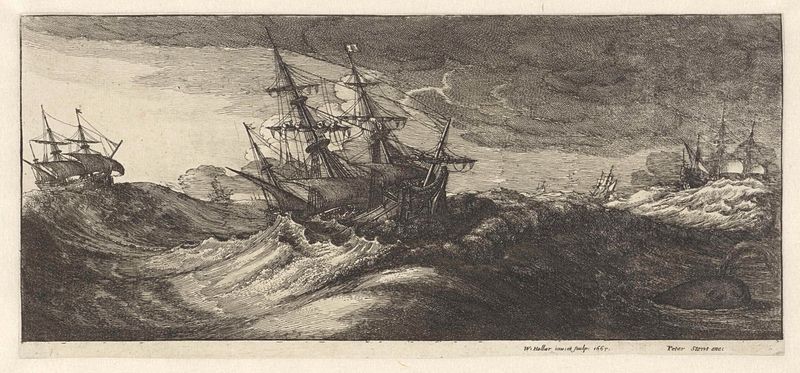
Oorlogsschepen en een walvis in een zeestorm
Wenceslaus Hollar
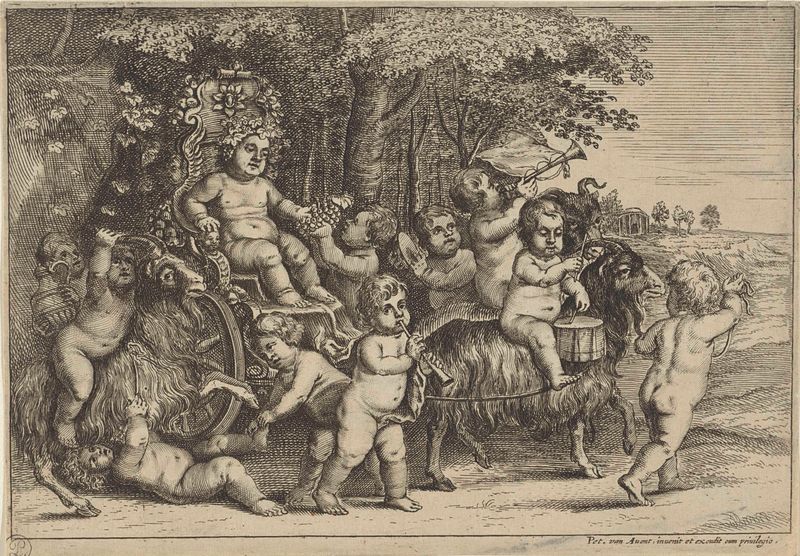
Optocht van bacchant en jongetjes op geiten
Wenceslaus Hollar
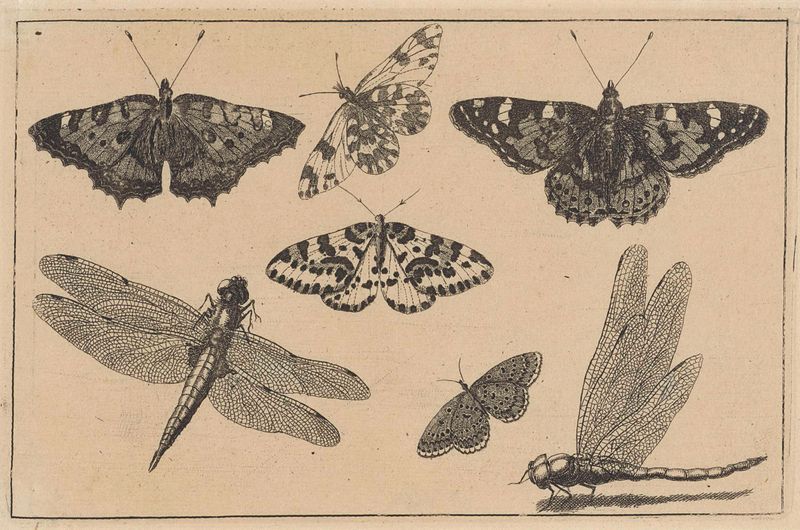
Twee libellen en vijf vlinders
Wenceslaus Hollar
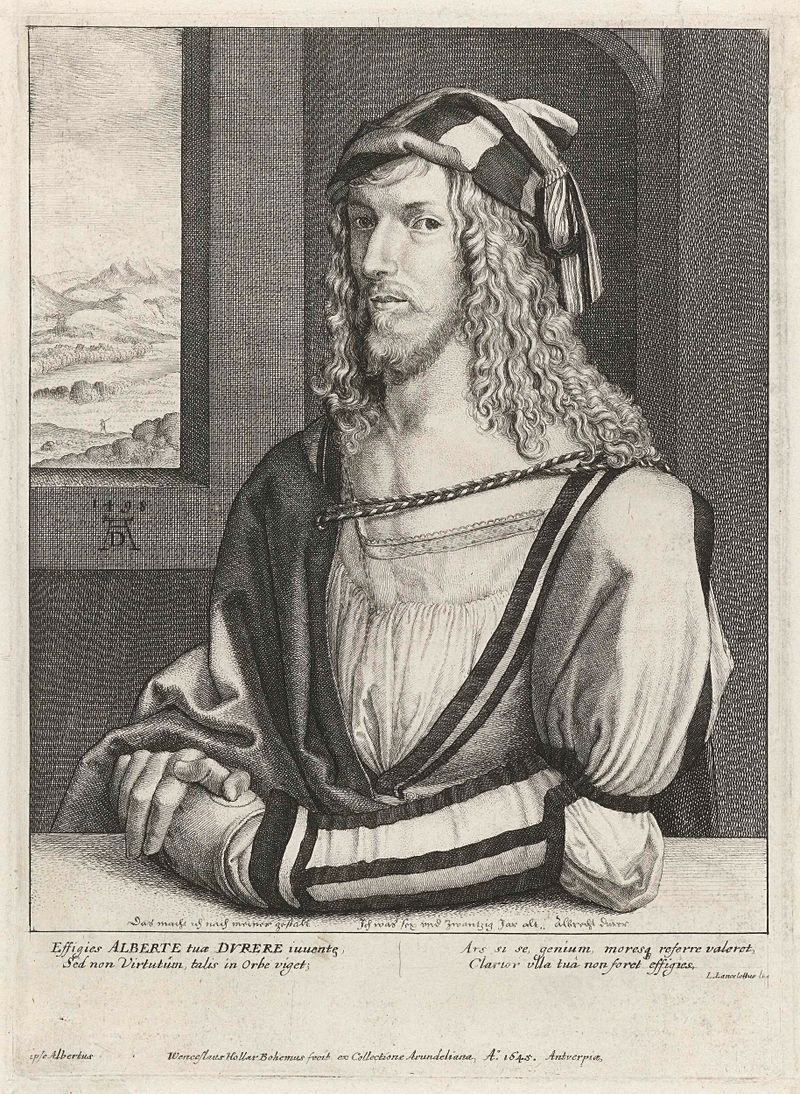
Portret van Albrecht Dürer
Wenceslaus Hollar
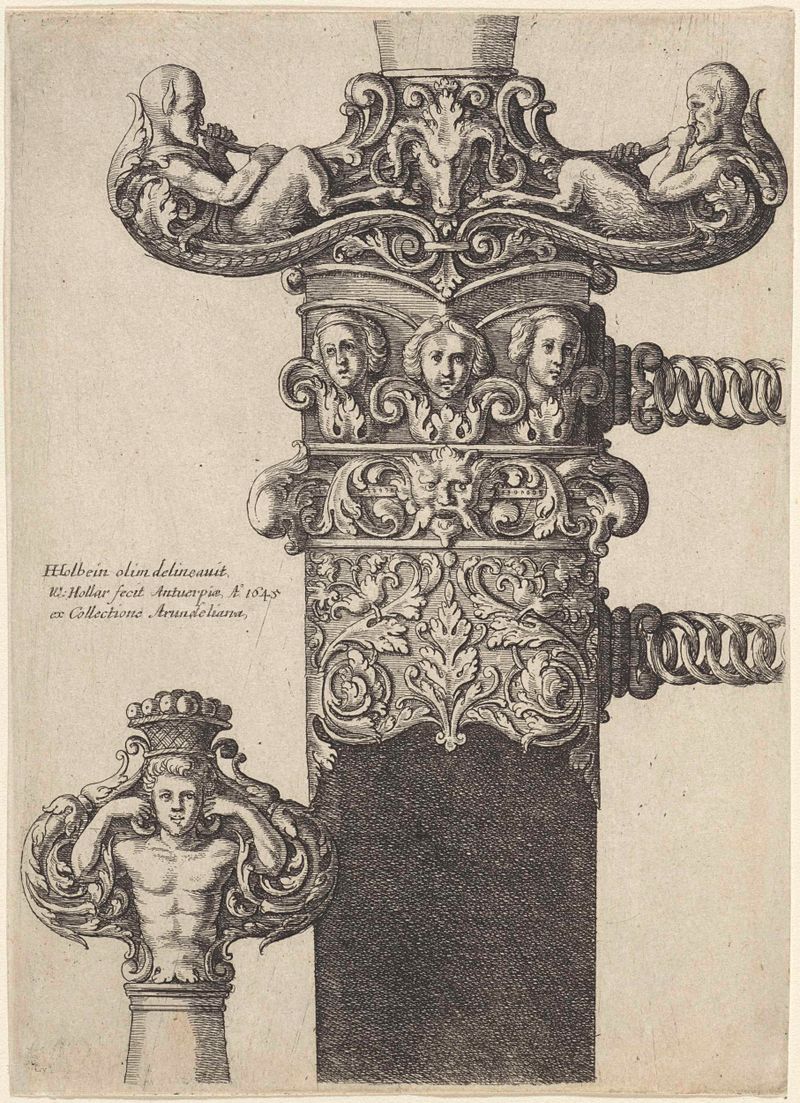
Ornamenteel ontwerp voor een dolk
Wenceslaus Hollar
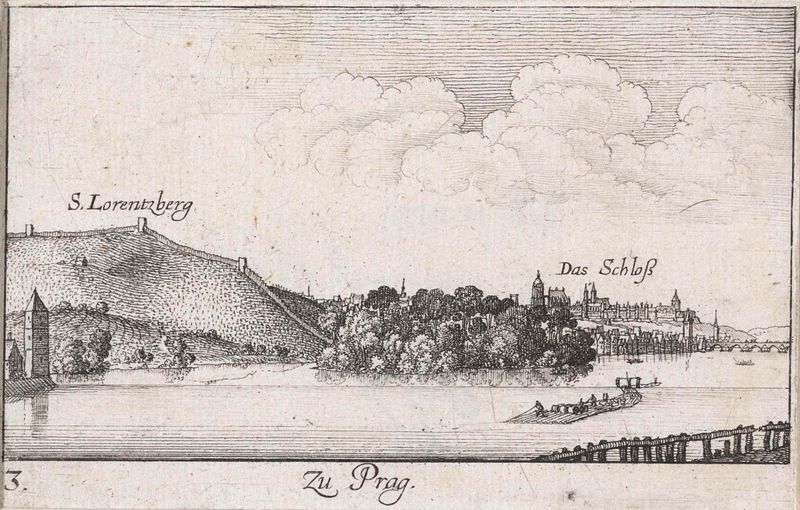
Gezicht op Praag vanaf de Moldau
Wenceslaus Hollar