Schelpen, mitra cardinalis (A) en terebra subulata (B) — History & Facts
In the delicate world of still life, motion pulsates beneath each meticulous stroke, inviting the viewer to explore the dance of nature's forms. Look to the right at the elegantly spiraled shell, its surface a tapestry of muted hues that blend seamlessly into soft shadows. Focus on the intricate lines and textures that Wenceslaus Hollar so expertly captures, allowing each shell to emerge from the canvas with a lifelike presence. The careful arrangement of the shells against a subtly grayed background enhances their vibrant forms, showcasing Hollar's mastery of chiaroscuro and precision in detail that invites an intimate gaze. Beneath the surface, the painting whispers of contrasts: the hard, rigid shells stand in striking opposition to the fluidity of their surrounding space, suggesting the interplay between life and stillness.
These two marine specimens, mitra cardinalis and terebra subulata, resonate with a sense of purpose, echoing the transient beauty of life in their polished exteriors yet hinting at the fragility that lies within. Each curve and shadow tells a story of movement caught in a moment, a snapshot of nature's transient wonders. Created between 1644 and 1652, this piece reflects Hollar's meticulous approach during his years in the Netherlands, where he was involved in the burgeoning tradition of naturalism in art. Amidst the European art scene, marked by a thirst for realism and detail, Hollar's work encapsulated the era's fascination with the natural world, revealing his deep appreciation for both beauty and precision at a time when such exploration was burgeoning.
More Artworks by Wenceslaus Hollar
Browse all →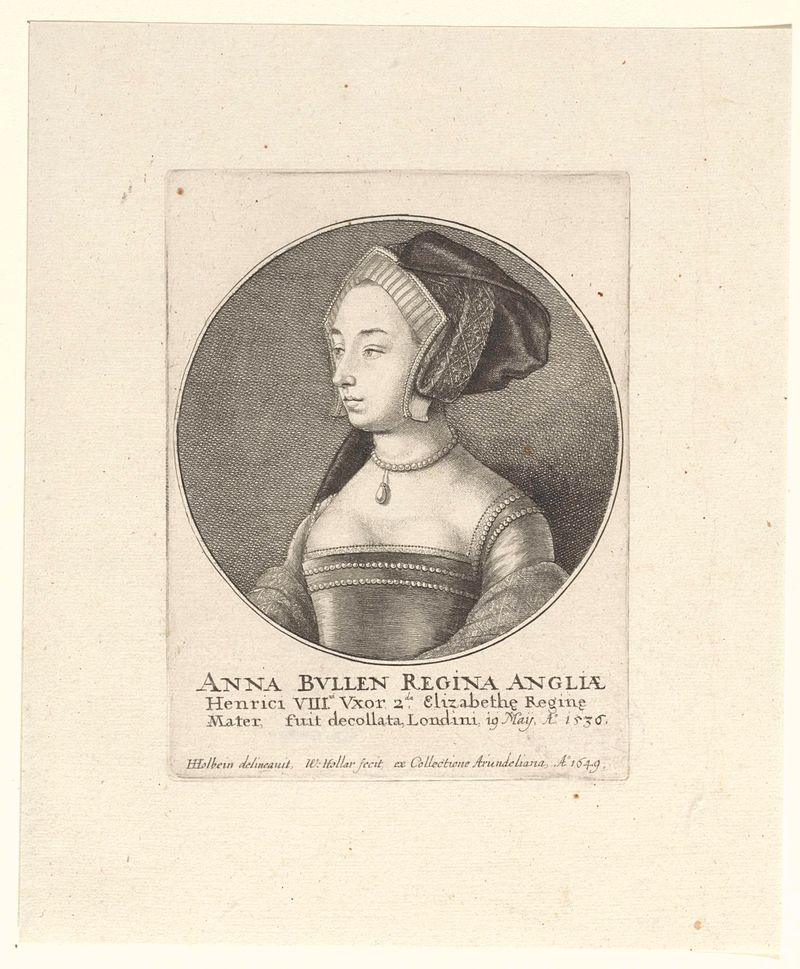
Portret van Anna Boleyn, koningin van Engeland
Wenceslaus Hollar
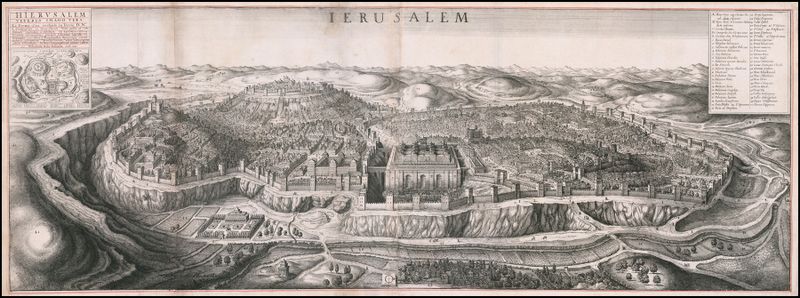
Bird’s eye view of Jerusalem
Wenceslaus Hollar
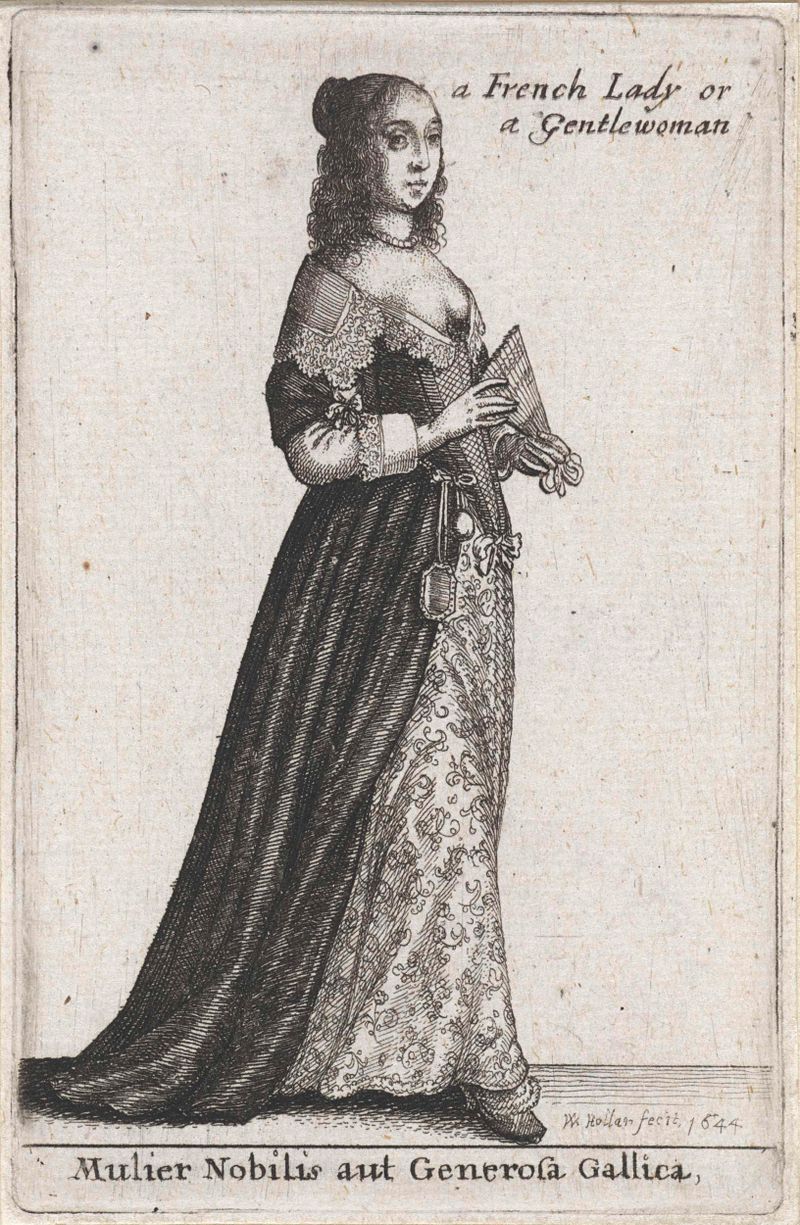
Mulier Nobilis aut Generosa Gallica / a French Lady or Gentlewoman
Wenceslaus Hollar
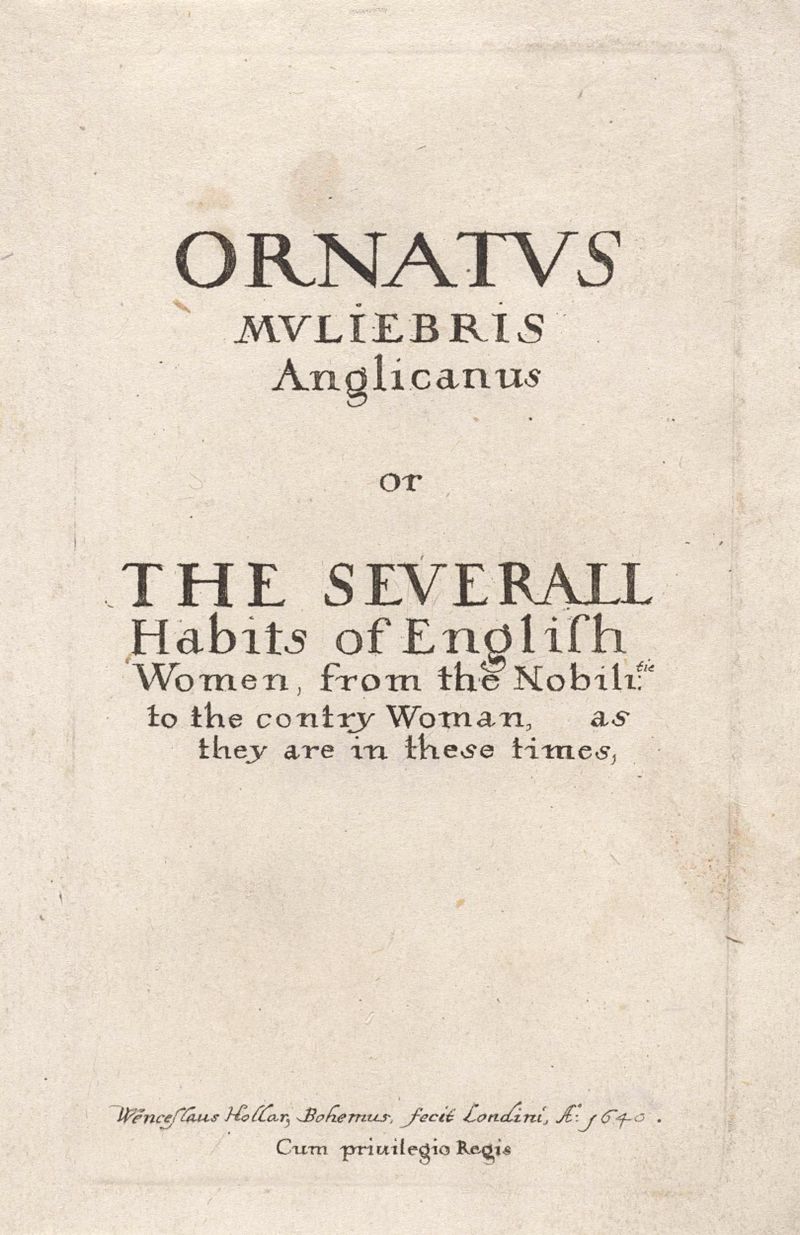
Titelprent voor: Ornatus Muliebris Anglicanus
Wenceslaus Hollar
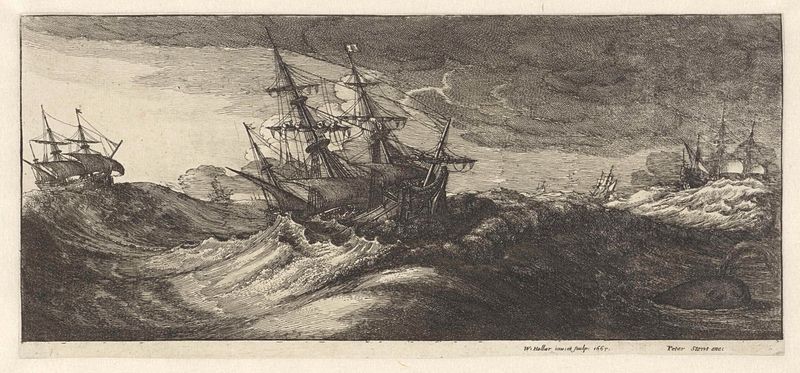
Oorlogsschepen en een walvis in een zeestorm
Wenceslaus Hollar
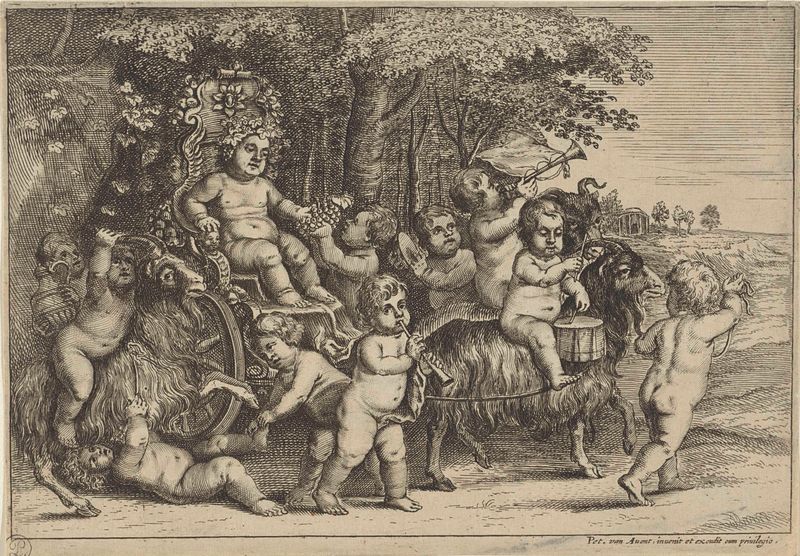
Optocht van bacchant en jongetjes op geiten
Wenceslaus Hollar
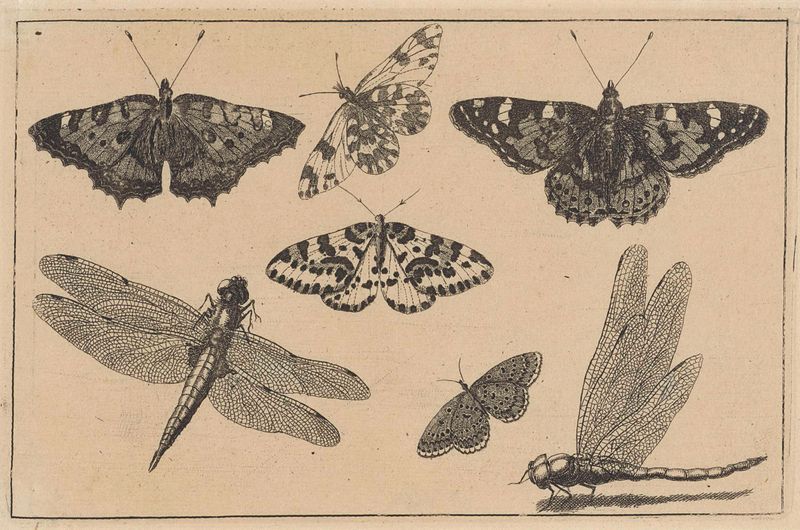
Twee libellen en vijf vlinders
Wenceslaus Hollar
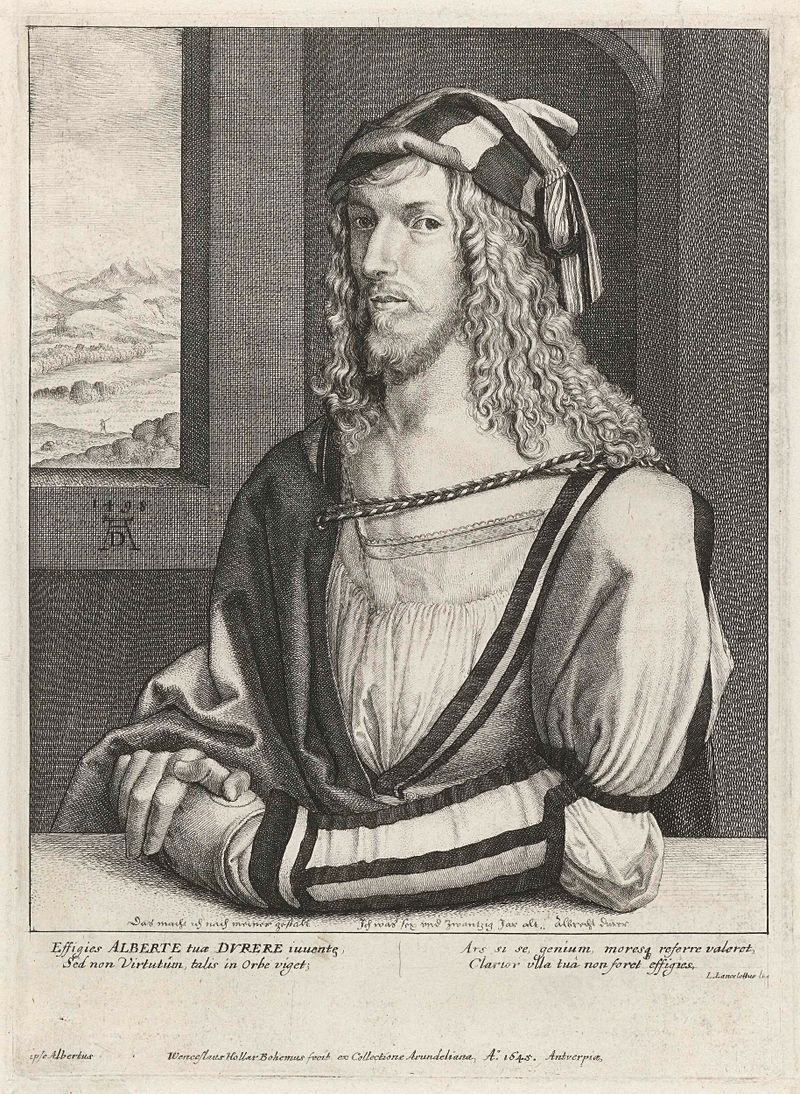
Portret van Albrecht Dürer
Wenceslaus Hollar
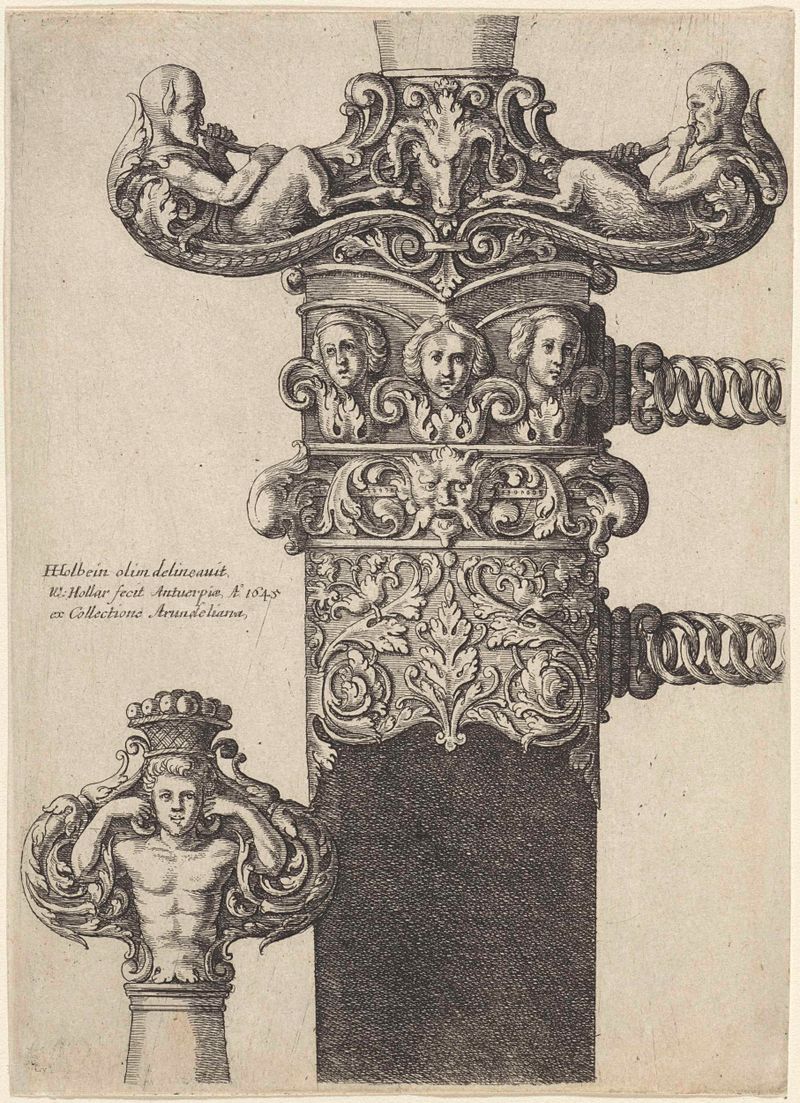
Ornamenteel ontwerp voor een dolk
Wenceslaus Hollar
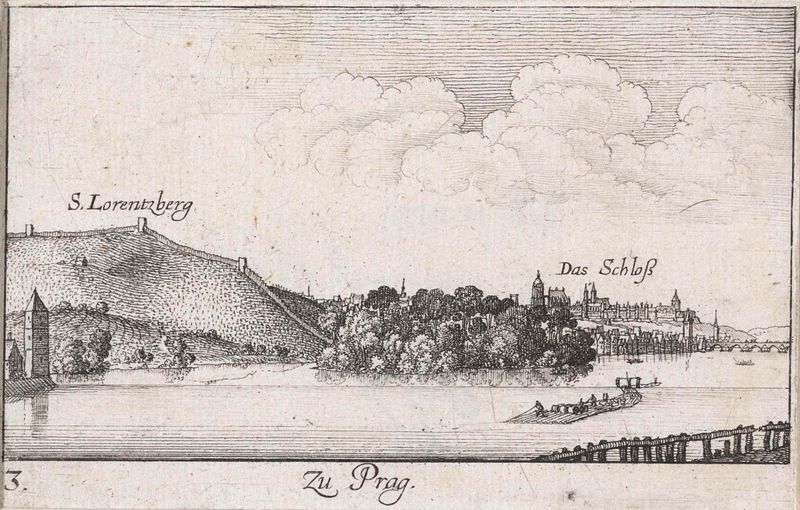
Gezicht op Praag vanaf de Moldau
Wenceslaus Hollar