Schelpen, turritella terebra (A) en turritella duplicata (B) — History & Facts
In the delicate interplay of shells, a quiet melancholy envelops the viewer, inviting contemplation of the treasures hidden within the depths of the ocean and time itself. Focus on the intricate details of the turritella shells, where every line and curve reveals a history etched by nature. Notice how the soft, muted tones of ivory and beige contrast against the starkness of their backdrop, suggesting both fragility and permanence. The smooth surface beckons the eye to wander, while shadows play in the crevices, creating a dance between light and dark that speaks to the passage of life. The juxtaposition of these two species—turritella terebra and turritella duplicata—echoes a deeper narrative of unity and solitude.
Each shell tells its own story, yet they are bound together in this still moment, hinting at a silent companionship. The careful arrangement prompts reflections on nature’s cycles, the beauty of impermanence, and the melancholy that often accompanies the quest for understanding our place within the larger tapestry of existence. Wenceslaus Hollar created this work between 1644 and 1652, during a time of significant transition in the art world and his life. Having settled in London after fleeing from the Thirty Years' War in Bohemia, he found solace in the meticulous study of nature.
His attention to detail and skill in engraving reflected the growing interest in scientific observation, as well as a burgeoning appreciation for the natural world in the early modern period.
More Artworks by Wenceslaus Hollar
Browse all →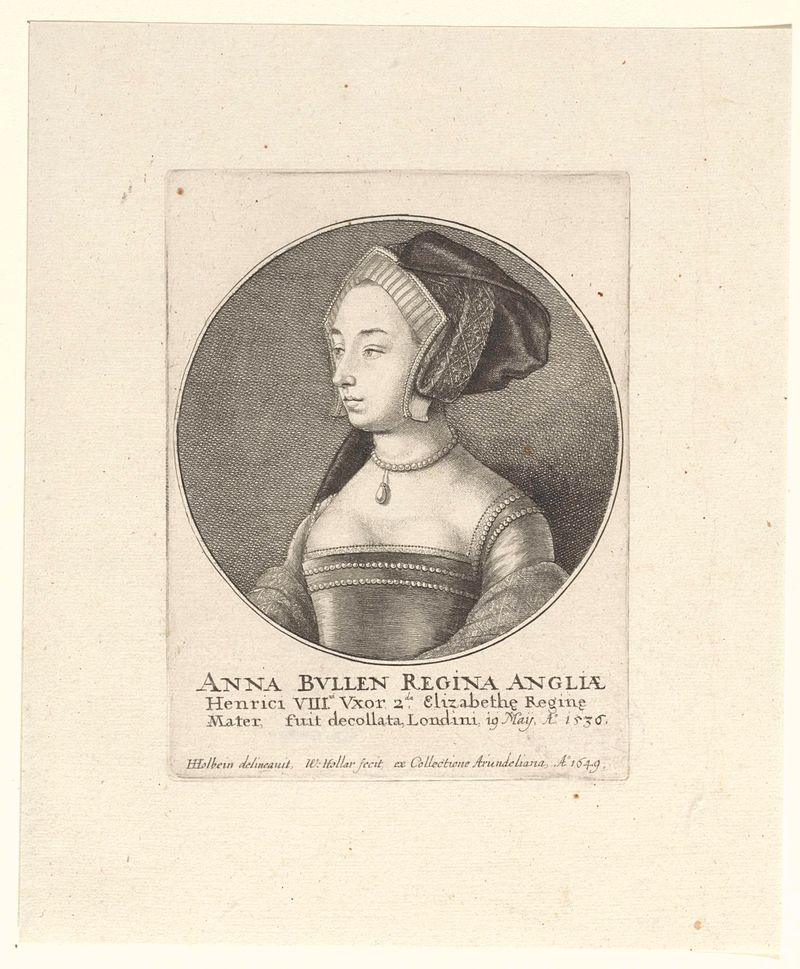
Portret van Anna Boleyn, koningin van Engeland
Wenceslaus Hollar
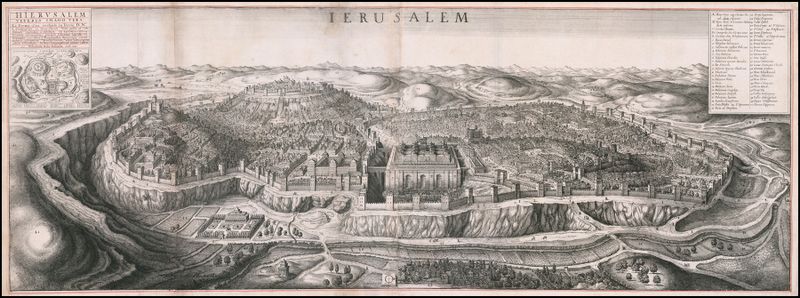
Bird’s eye view of Jerusalem
Wenceslaus Hollar
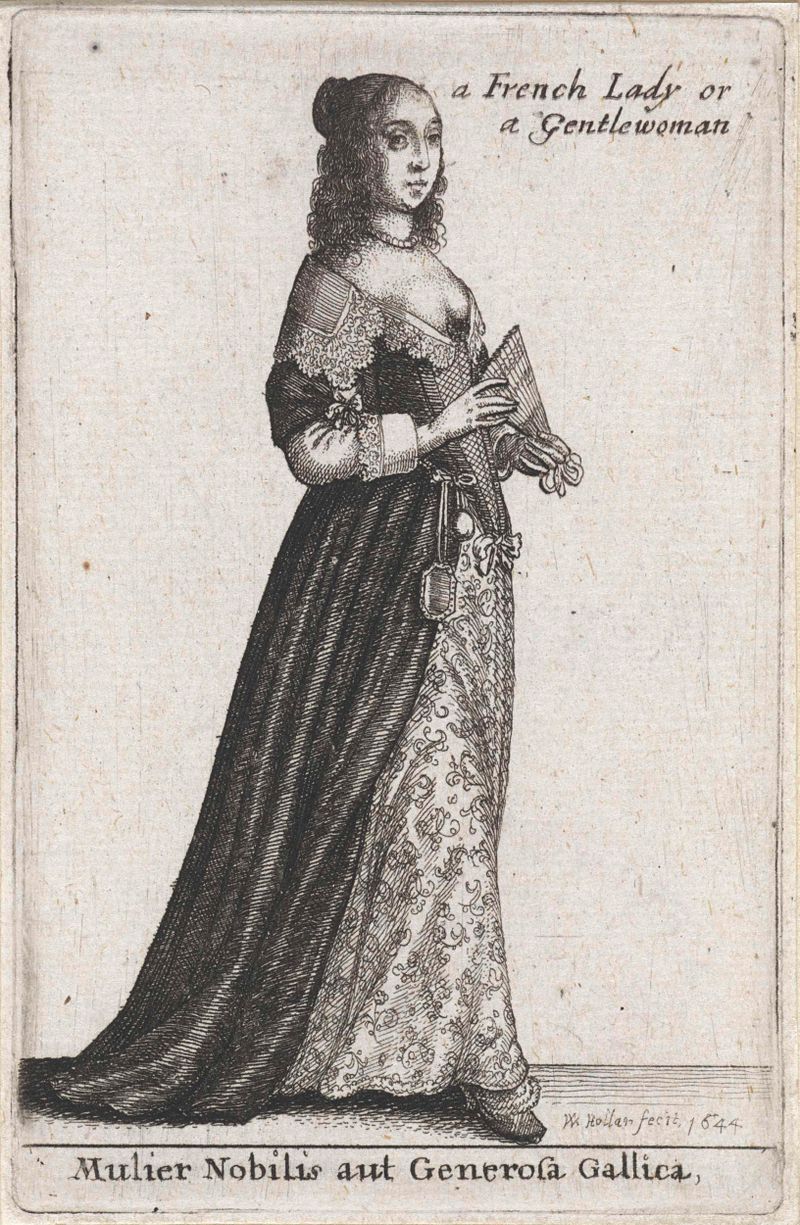
Mulier Nobilis aut Generosa Gallica / a French Lady or Gentlewoman
Wenceslaus Hollar
Titelprent voor: Ornatus Muliebris Anglicanus
Wenceslaus Hollar
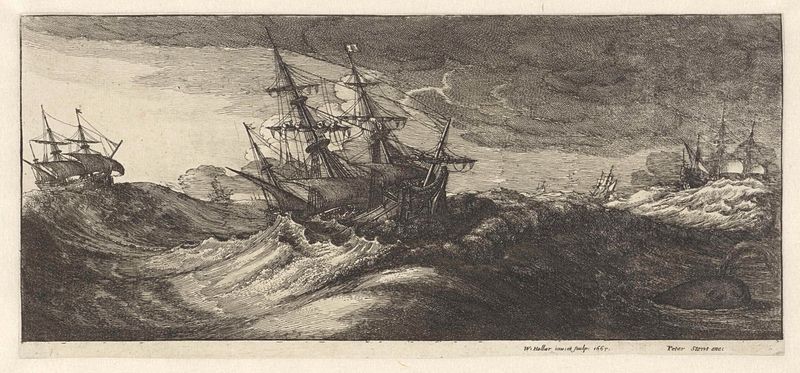
Oorlogsschepen en een walvis in een zeestorm
Wenceslaus Hollar
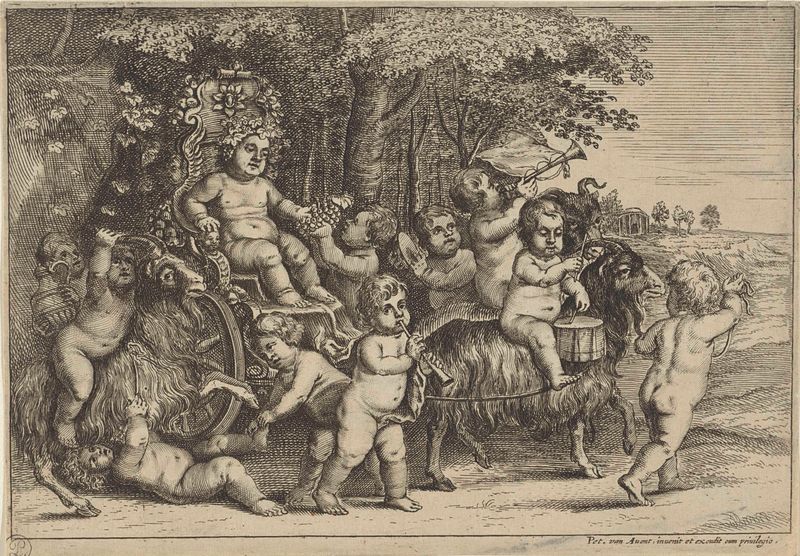
Optocht van bacchant en jongetjes op geiten
Wenceslaus Hollar
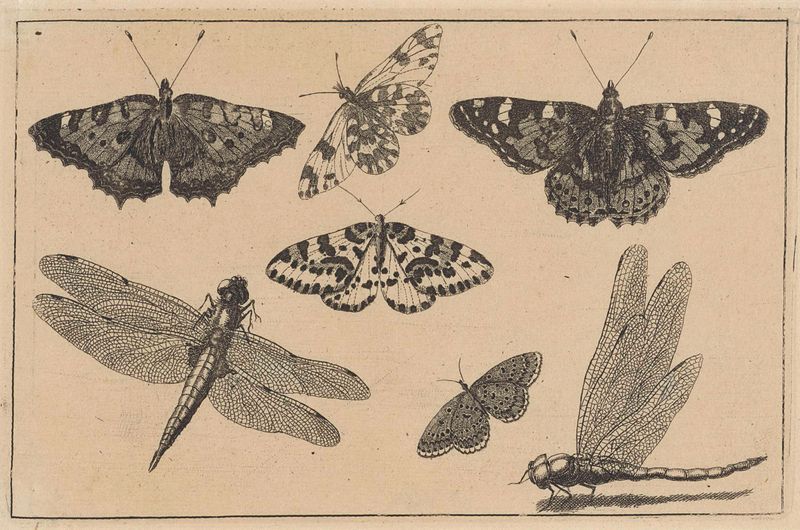
Twee libellen en vijf vlinders
Wenceslaus Hollar
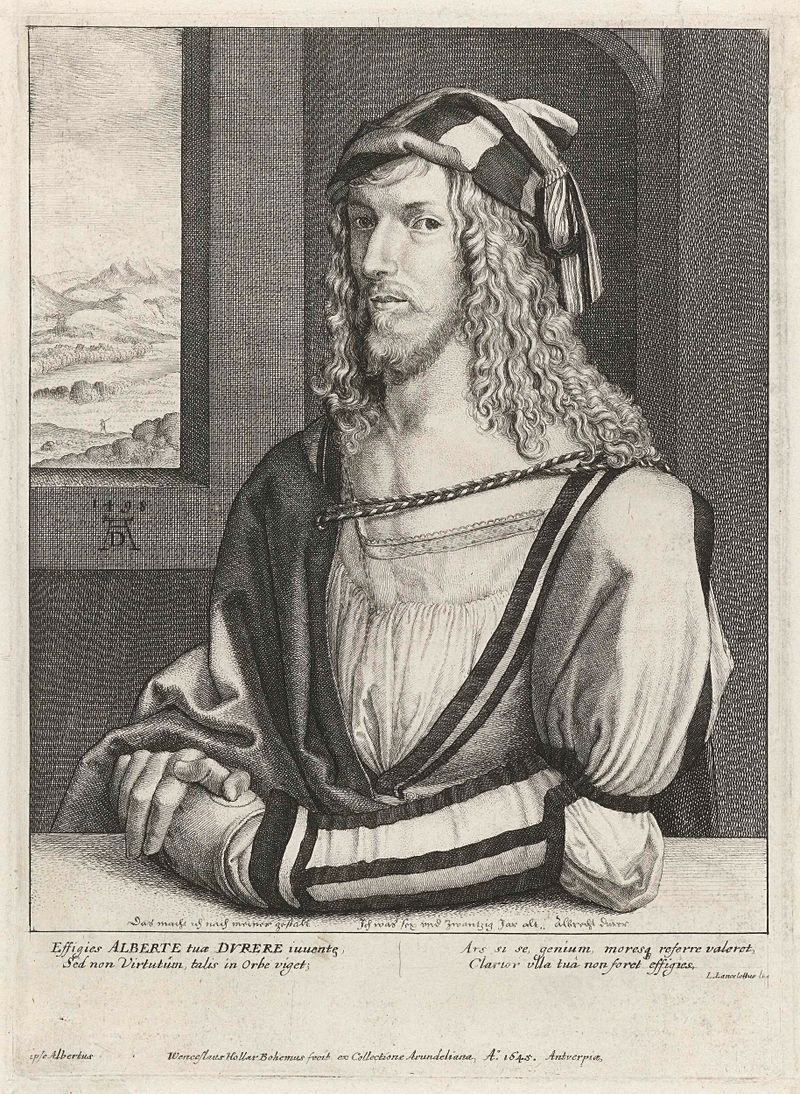
Portret van Albrecht Dürer
Wenceslaus Hollar
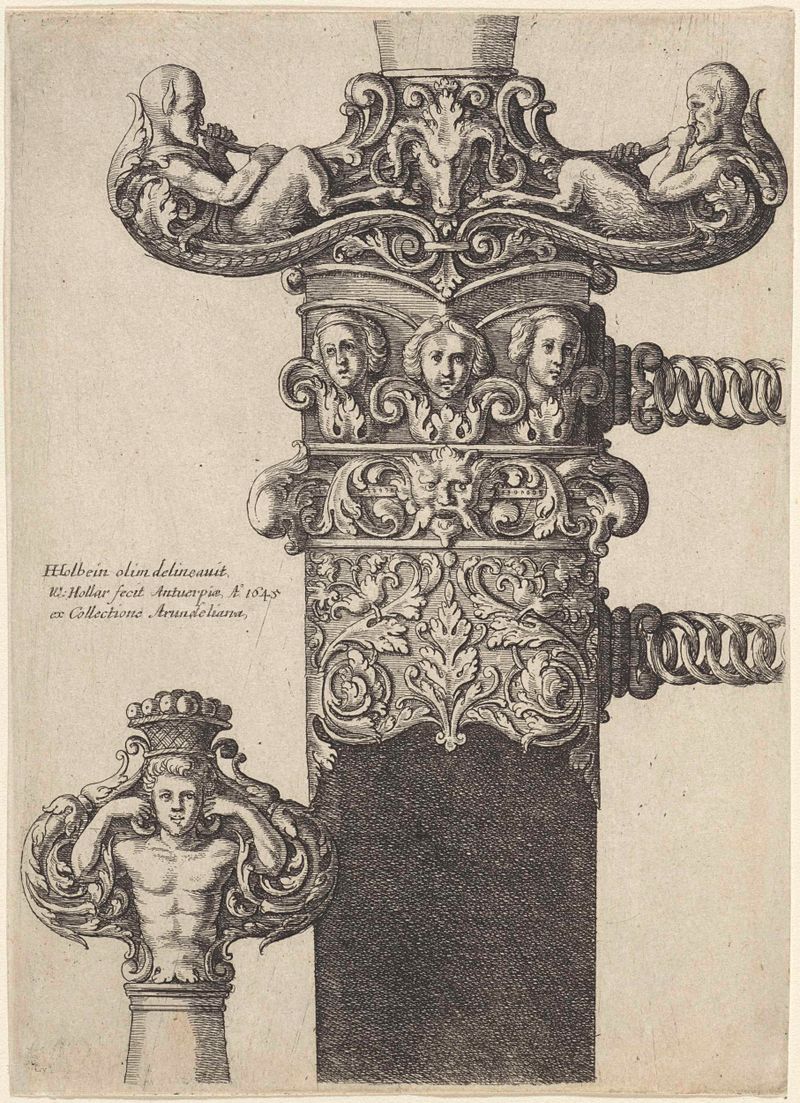
Ornamenteel ontwerp voor een dolk
Wenceslaus Hollar
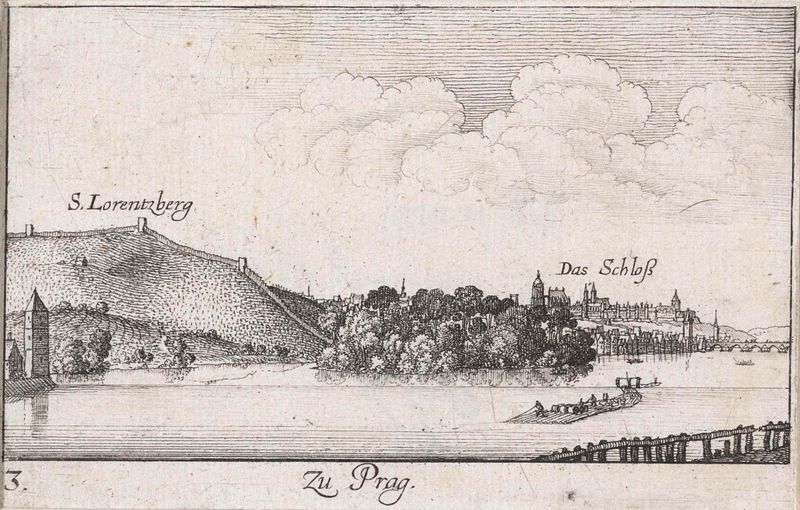
Gezicht op Praag vanaf de Moldau
Wenceslaus Hollar