Schelpen, turritella terebra (A) en turritella duplicata (B) — History & Facts
What if silence could speak through light? In the delicate interplay of shadows and hues, the essence of rebirth unfolds in Wenceslaus Hollar’s intricate work. Look closely at the exquisite detail of the turritella shells, where every curve and spiral draws the eye. Notice how the light caresses their surfaces, illuminating their natural textures while casting soft shadows that evoke a sense of depth. The meticulous rendering reveals Hollar's mastery of printmaking, as he captures not just the form but the very spirit of these marine treasures.
The stark contrast between the dark, rich background and the luminous shells accentuates their ethereal beauty. Beneath the surface, these shells symbolize more than mere objects; they encapsulate life’s cyclical nature, inviting thoughts of renewal and transformation. The juxtaposition of the two species—turritella terebra and turritella duplicata—highlights diversity within uniformity, suggesting a complex narrative of existence. Each shell, distinct yet similar, reflects the idea of rebirth, echoing the resilience of life in its myriad forms. Hollar created this artwork between 1644 and 1652, a time when he was residing in London after fleeing the Thirty Years' War in his native Bohemia.
This period marked a significant shift in the world of art, as the scientific study of nature began to flourish alongside the artistic endeavors of the time. Hollar's work stands as a testament to both his skill and the broader cultural movement towards observation and representation in the natural world.
More Artworks by Wenceslaus Hollar
Browse all →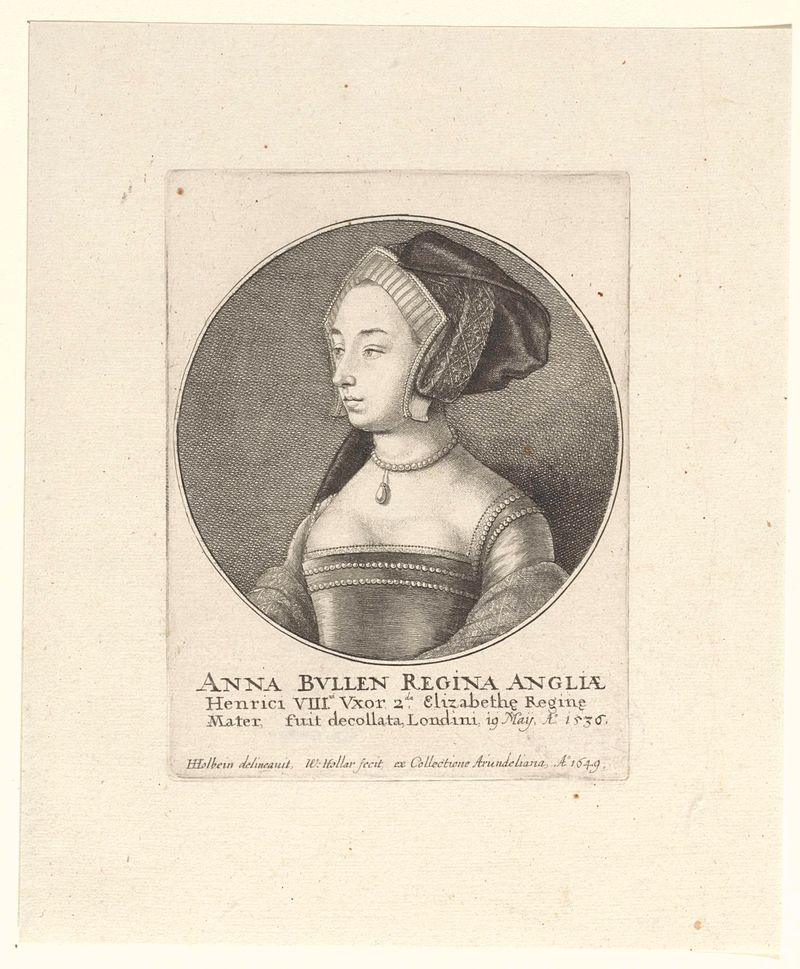
Portret van Anna Boleyn, koningin van Engeland
Wenceslaus Hollar
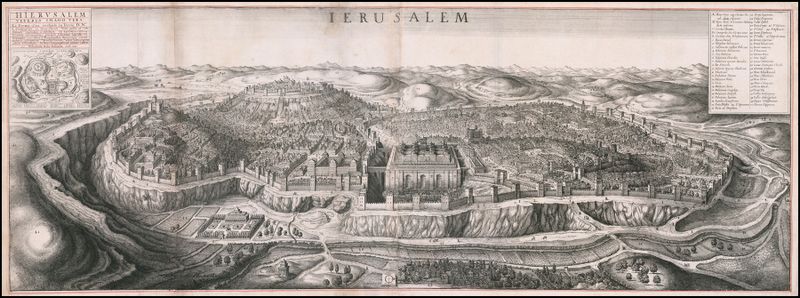
Bird’s eye view of Jerusalem
Wenceslaus Hollar
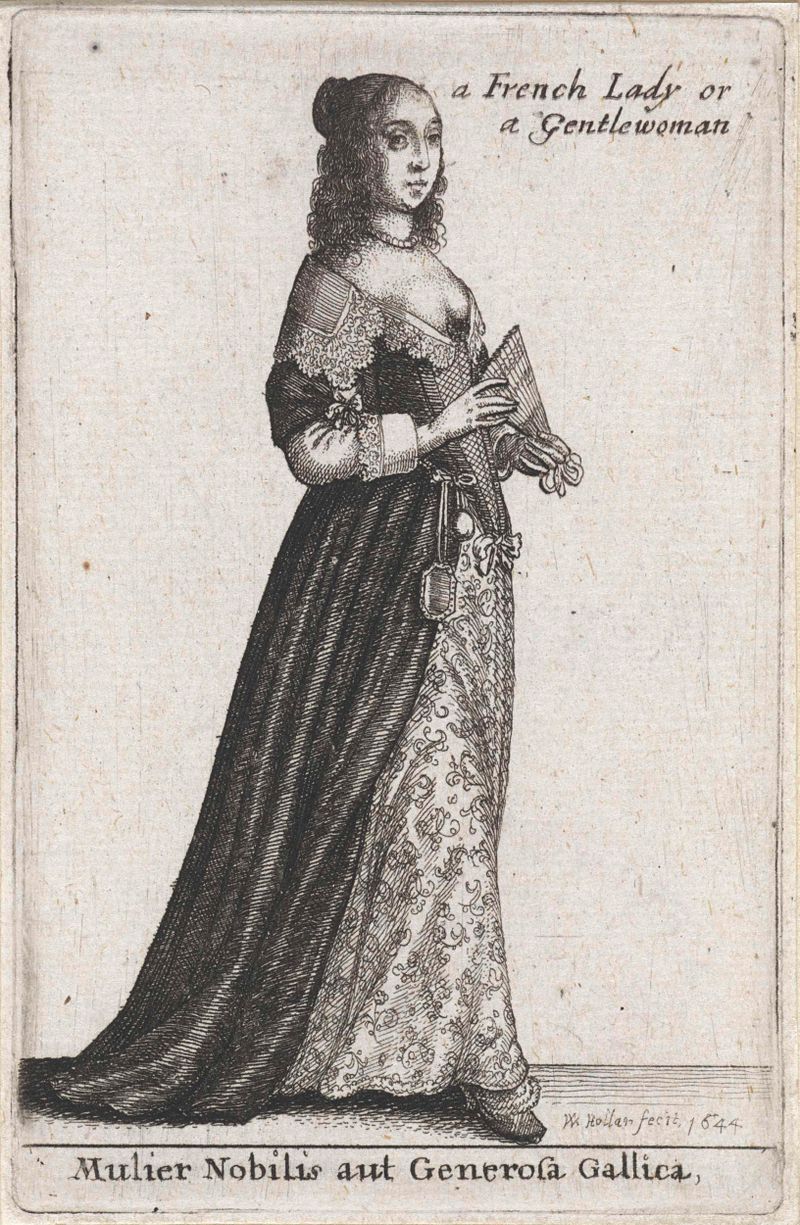
Mulier Nobilis aut Generosa Gallica / a French Lady or Gentlewoman
Wenceslaus Hollar
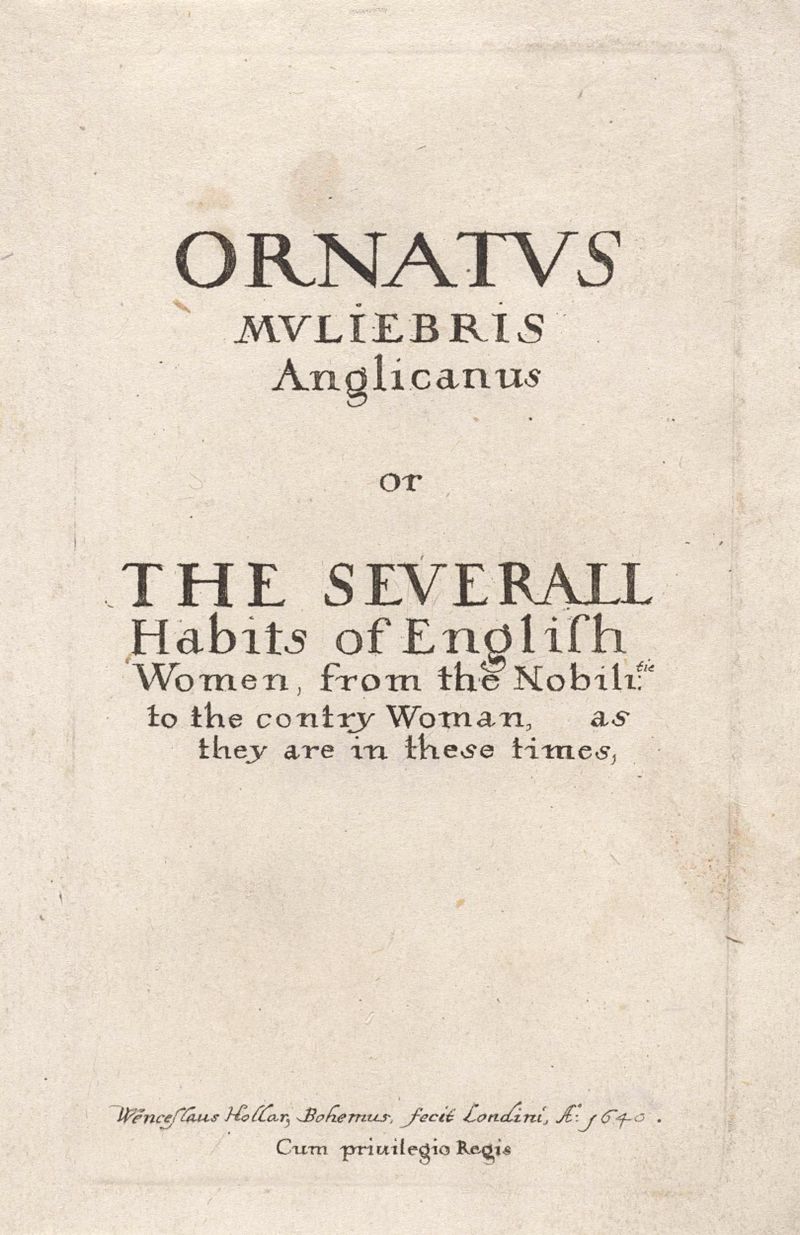
Titelprent voor: Ornatus Muliebris Anglicanus
Wenceslaus Hollar
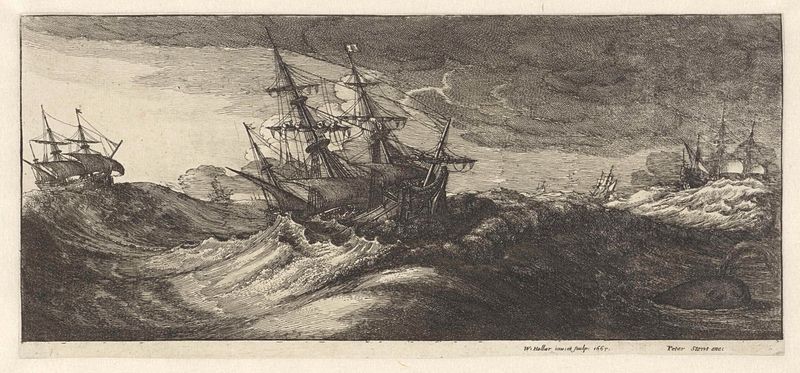
Oorlogsschepen en een walvis in een zeestorm
Wenceslaus Hollar
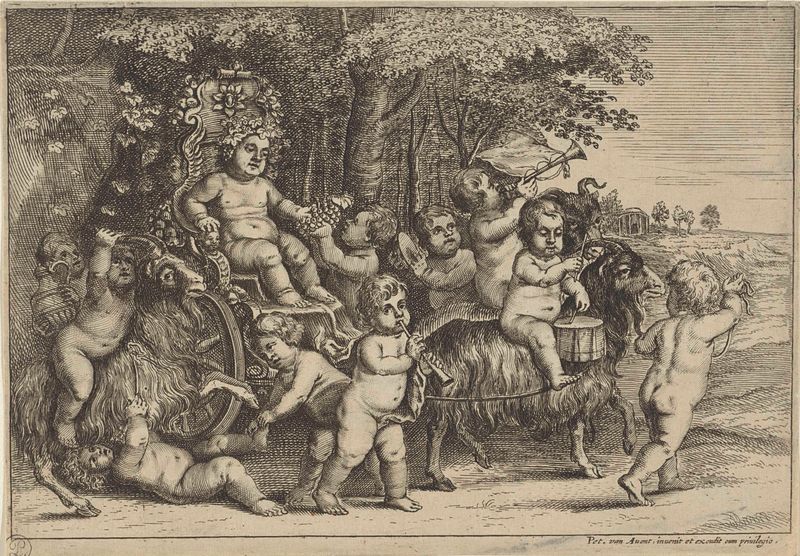
Optocht van bacchant en jongetjes op geiten
Wenceslaus Hollar
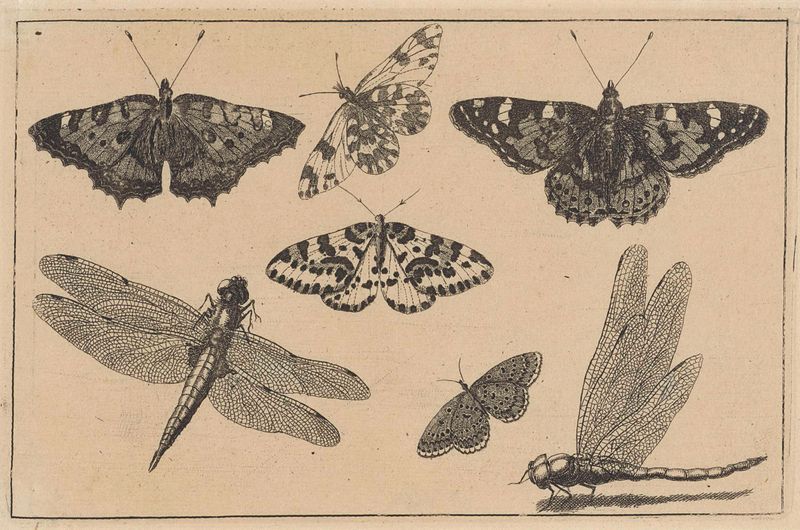
Twee libellen en vijf vlinders
Wenceslaus Hollar
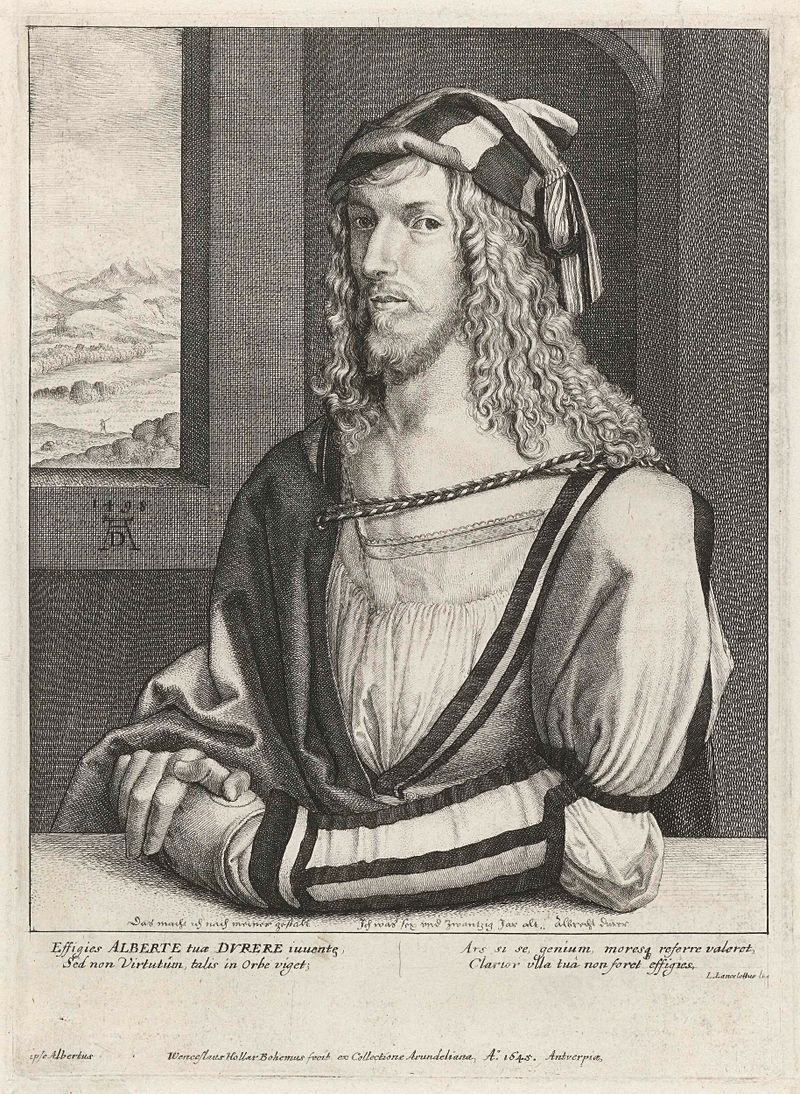
Portret van Albrecht Dürer
Wenceslaus Hollar
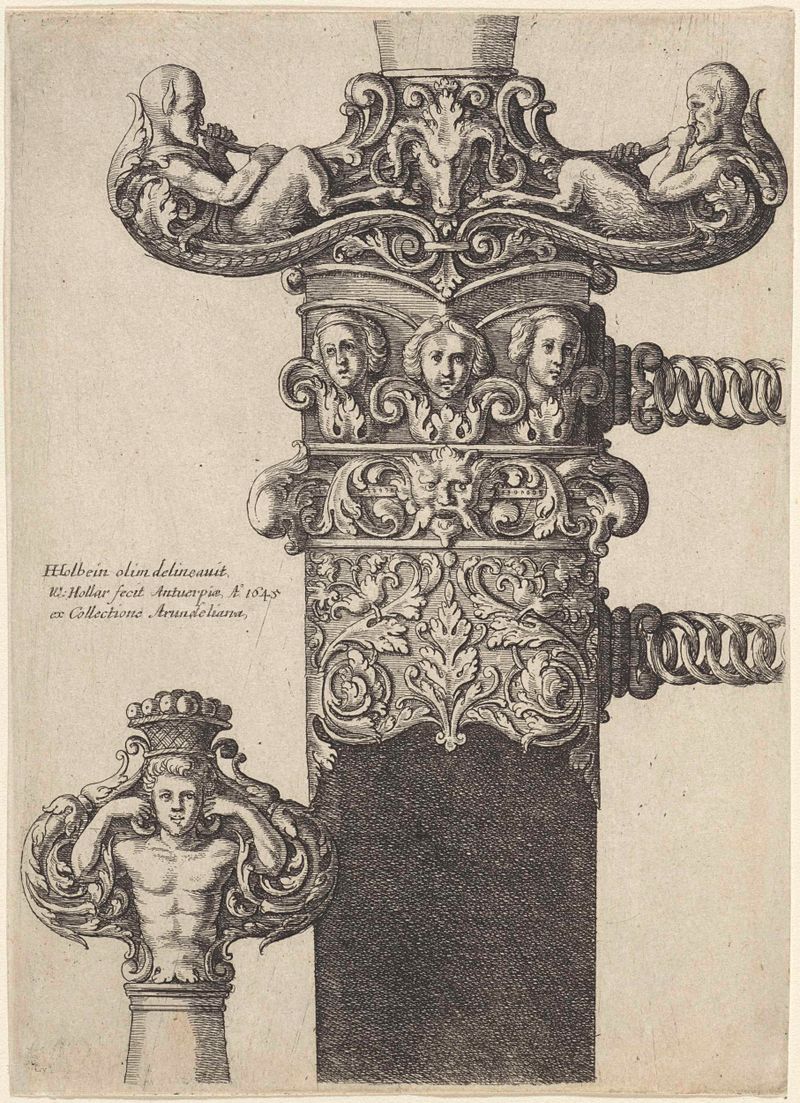
Ornamenteel ontwerp voor een dolk
Wenceslaus Hollar
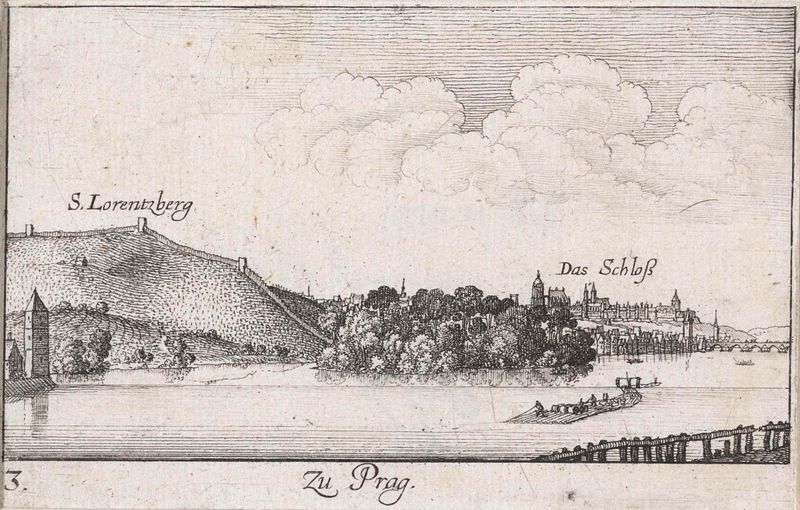
Gezicht op Praag vanaf de Moldau
Wenceslaus Hollar