
Schepping van Eva — History & Facts
What secret hides in the quiet of the canvas? In Schepping van Eva, the stillness of the moment invites contemplation, revealing layers of truth concealed within the art. Look to the center of the piece, where the figure of Eve emerges from the left side, bathed in a soft, ethereal glow. The flowing contours of her form contrast sharply with the surrounding darkness, creating an almost celestial presence. Notice how Holbein’s delicate brushwork renders the intricate details of her skin and hair, emphasizing the purity and potential of creation that lies before her.
The muted palette, punctuated by the warm tones of her flesh against the darker background, accentuates the tension between light and shadow, life and void. Beneath the surface, the painting grapples with the duality of human existence—innocence and knowledge, beauty and vulnerability. Eve, poised and serene, embodies the promise of life, yet her isolation hints at the loneliness that accompanies such profound existence. The faint, almost spectral visage of Adam lingers in the background, a reminder of the inevitable interplay between companionship and solitude, fate and free will.
It speaks to the paradox of creation; the gift of life is entwined with the shadow of consequence. Hans Holbein (II) created this work in 1538 during a period of immense change in Europe. Settled in England, he was at the height of his career, gaining prominence as court painter to Henry VIII. The work reflects the Renaissance fascination with humanism and biblical narratives, capturing not only the sacred moment of creation but also the emerging complexities of human nature and morality in a rapidly evolving world.
More Artworks by Hans Holbein (II)
Browse all →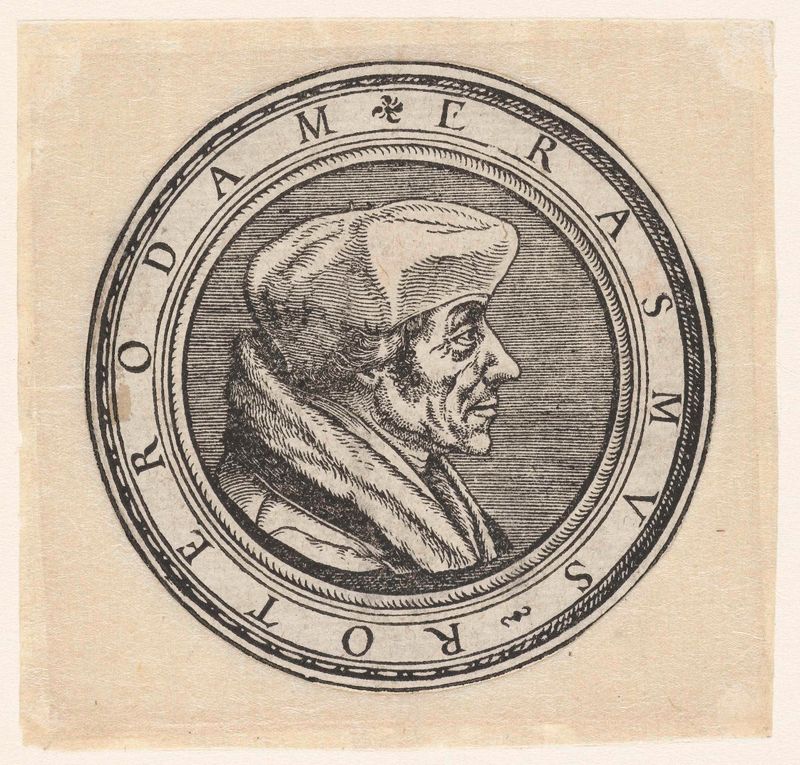
Portret van Erasmus
Hans Holbein (II)
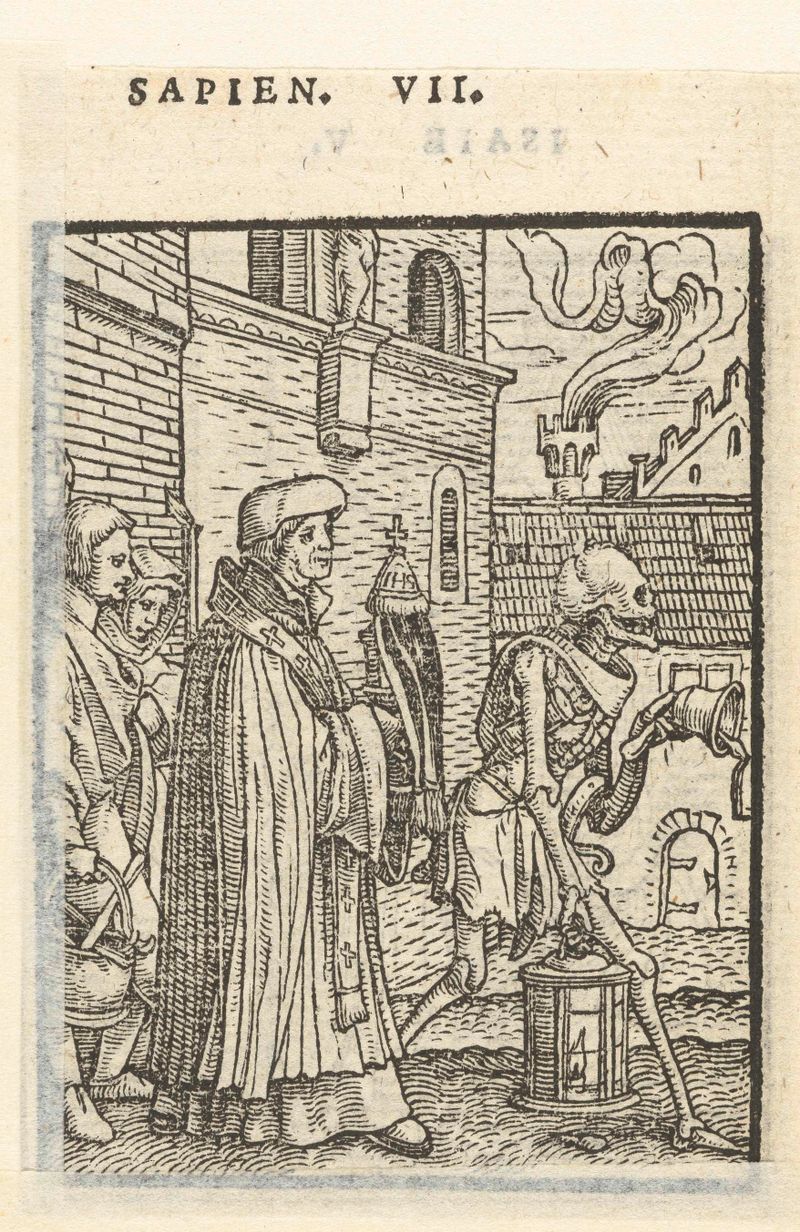
Priester en de Dood
Hans Holbein (II)
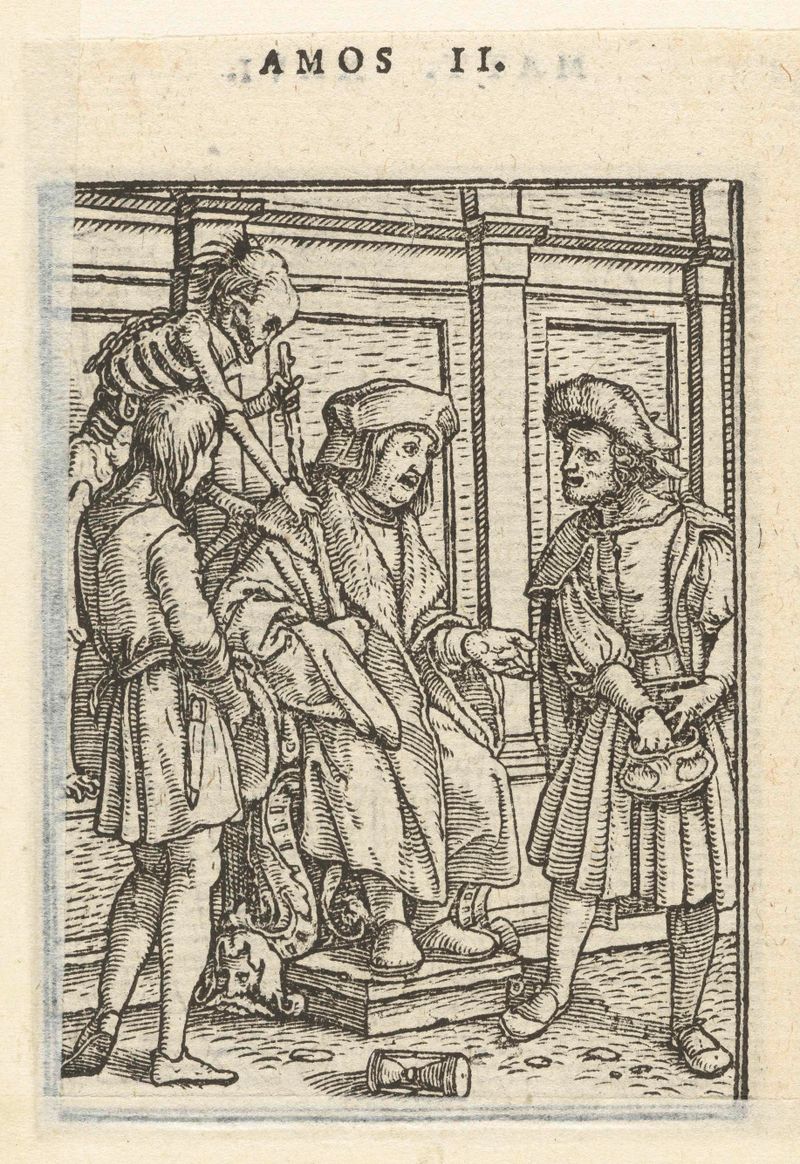
Rechter en de Dood
Hans Holbein (II)
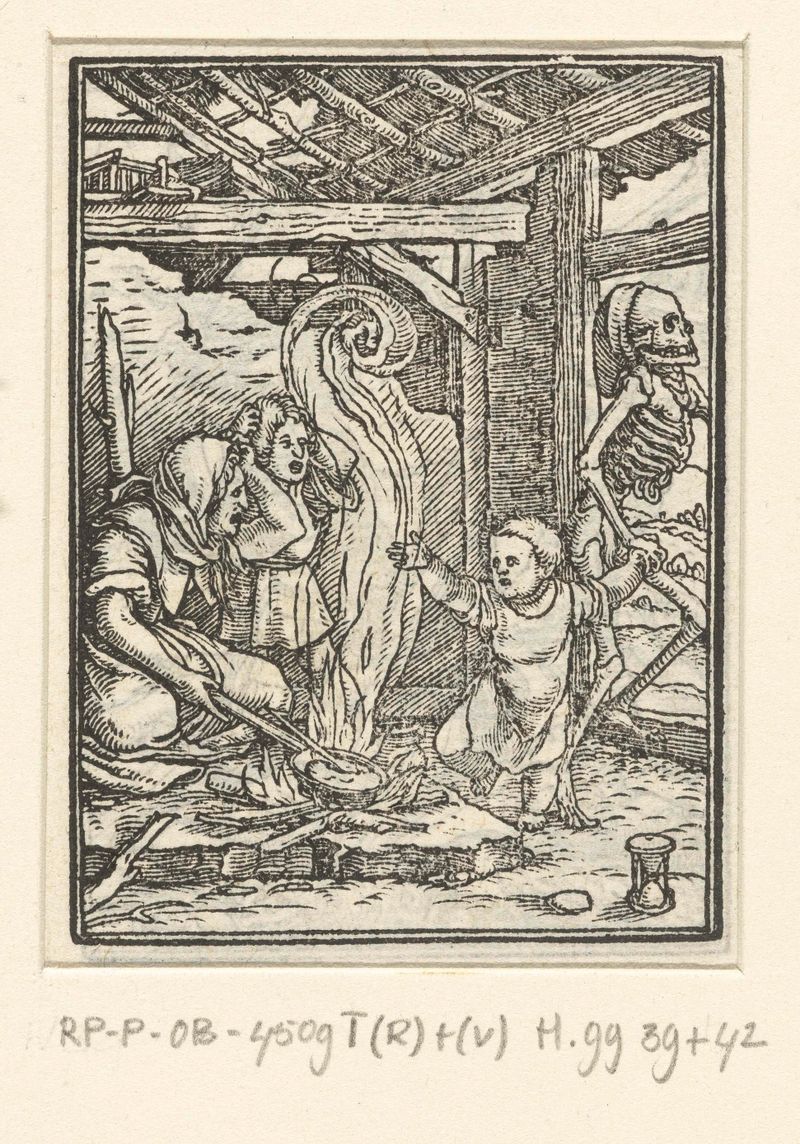
Kind en de Dood
Hans Holbein (II)
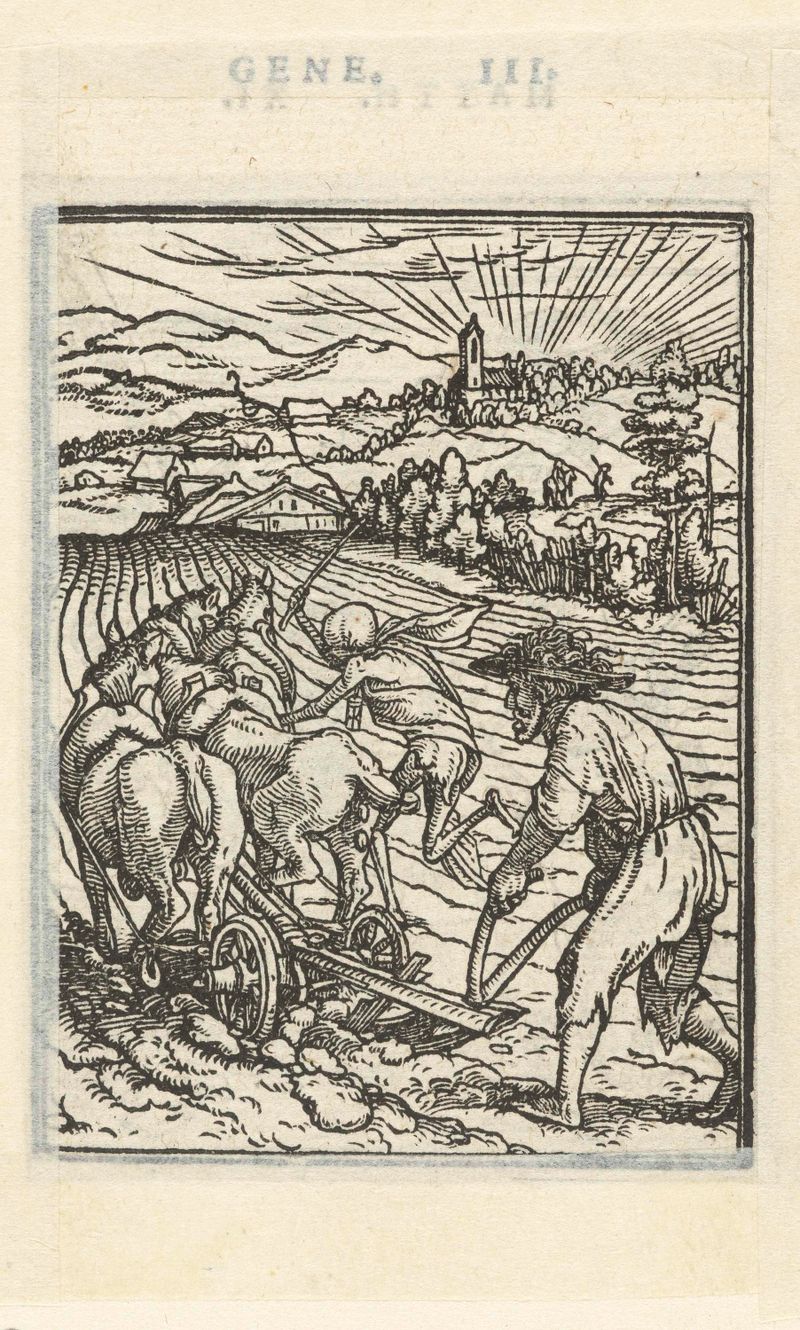
Boer en de Dood
Hans Holbein (II)
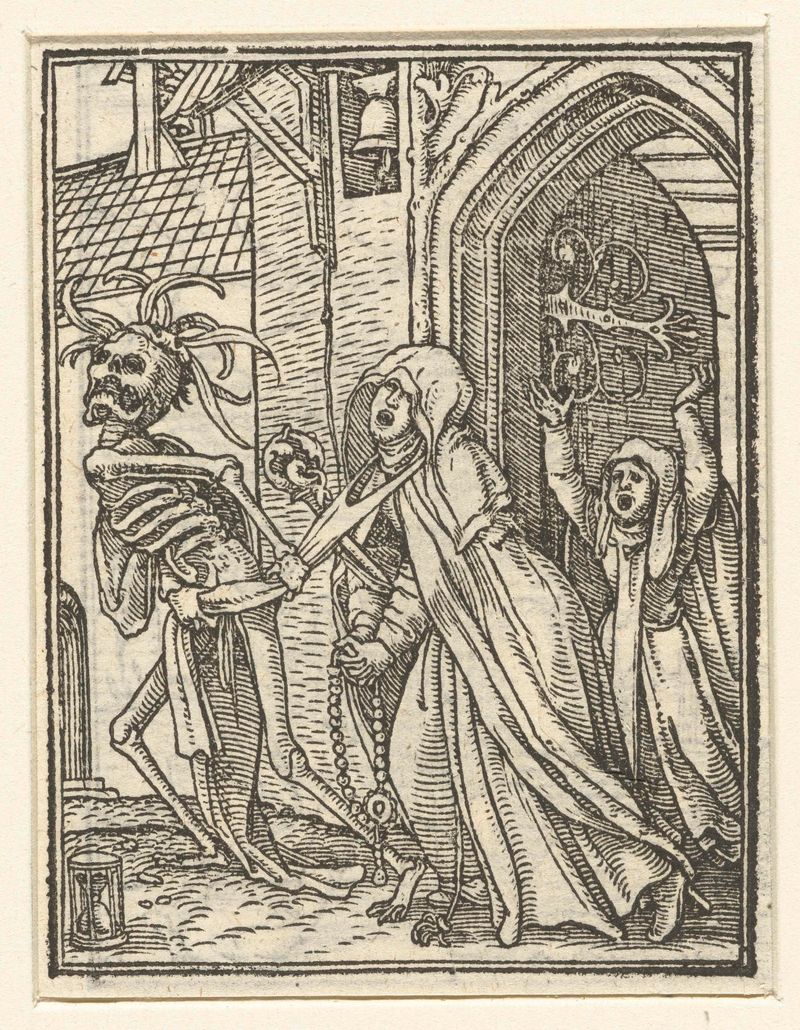
Abdis en de Dood
Hans Holbein (II)
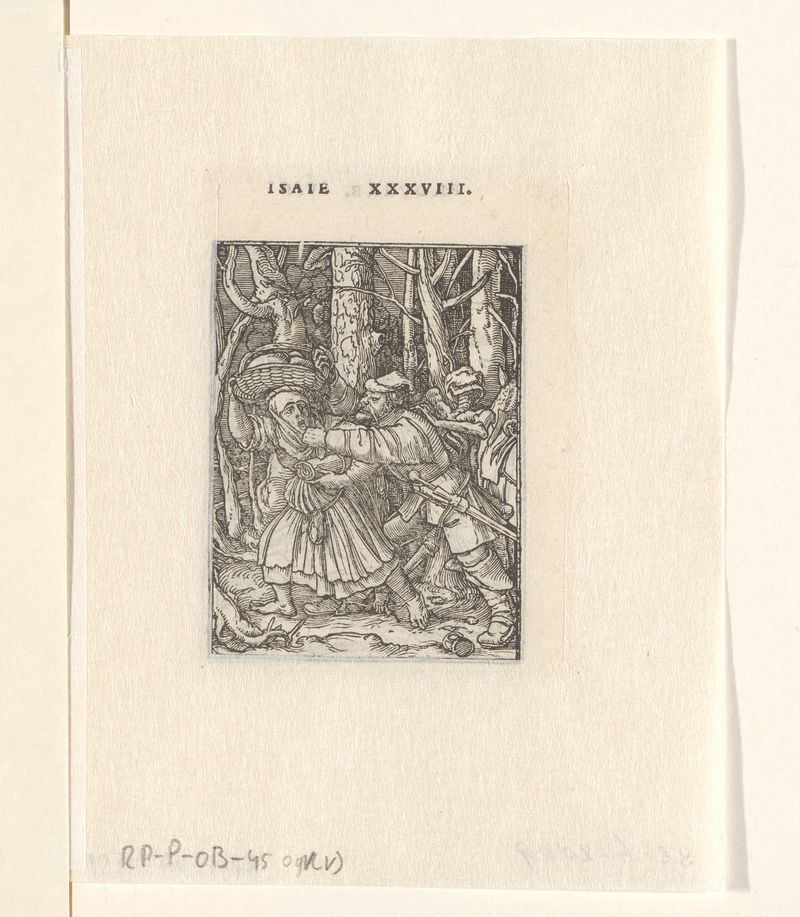
Dief en de Dood
Hans Holbein (II)
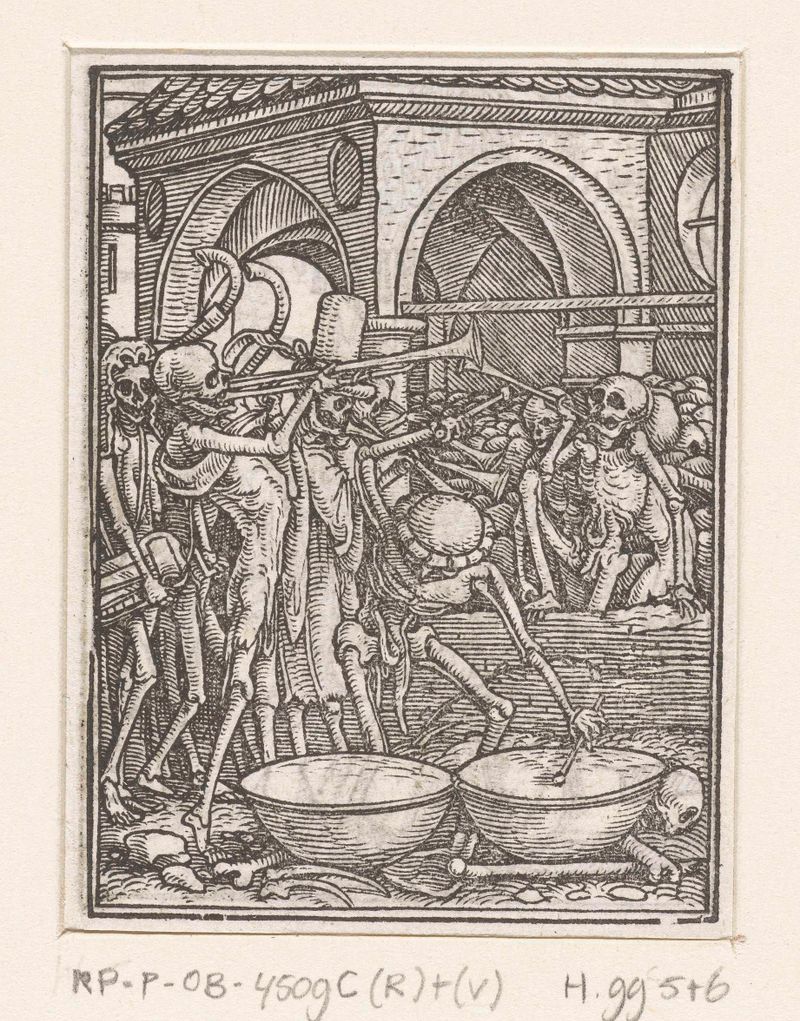
Skeletons Making Music from Dance of the Dead
Hans Holbein (II)
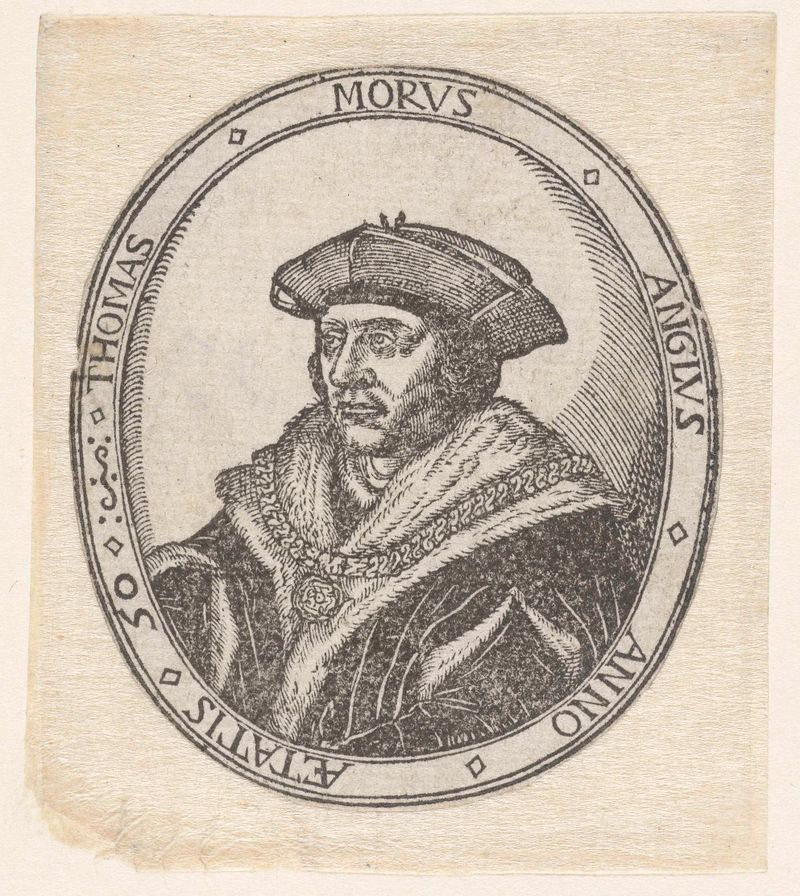
Portret van Thomas More
Hans Holbein (II)
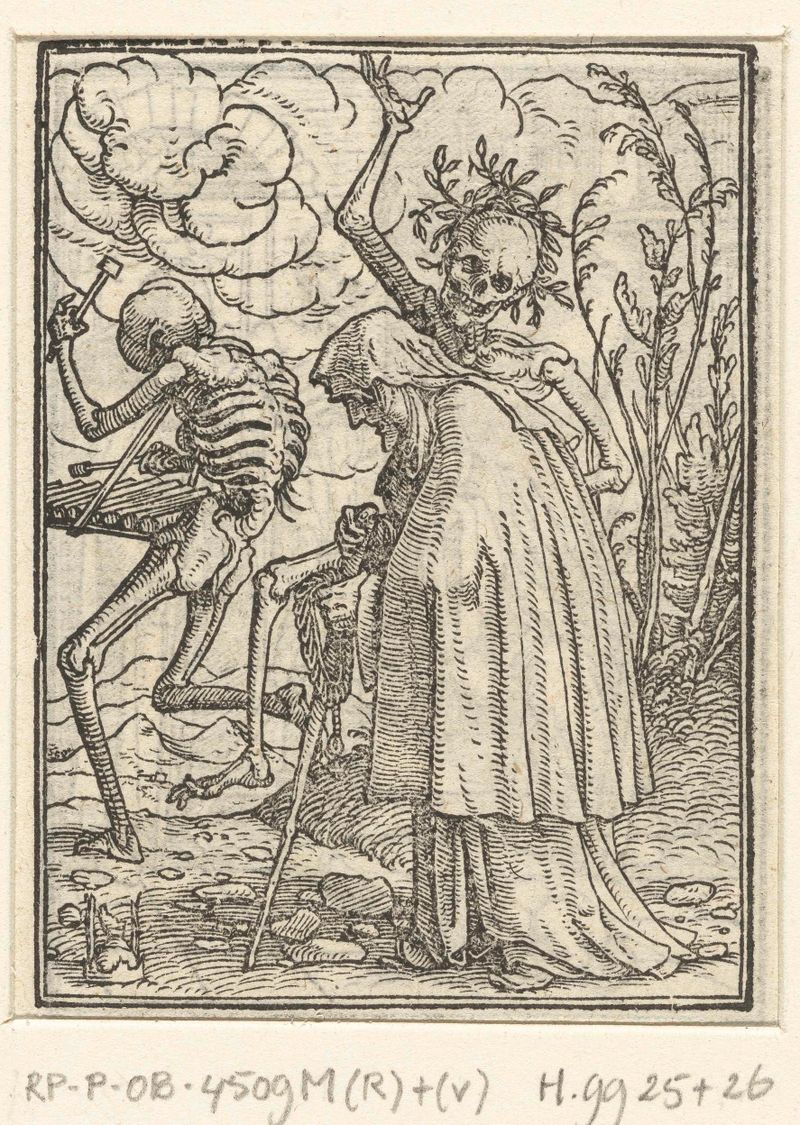
Oude vrouw en de Dood
Hans Holbein (II)
More Religious Art
Browse all →
The Return of the Prodigal Son
Rembrandt van Rijn

The Garden of Earthly Delights
El Bosco

Count Orgaz’ funeral
El Greco

The Hundred Guilder Print: the central piece with Christ preaching, the plate arched
Rembrandt van Rijn

The Descent from the Cross
Rogier van der Weyden

The return of the prodigal son
Rembrandt van Rijn