Schlussbild einer Tragikomödie — History & Facts
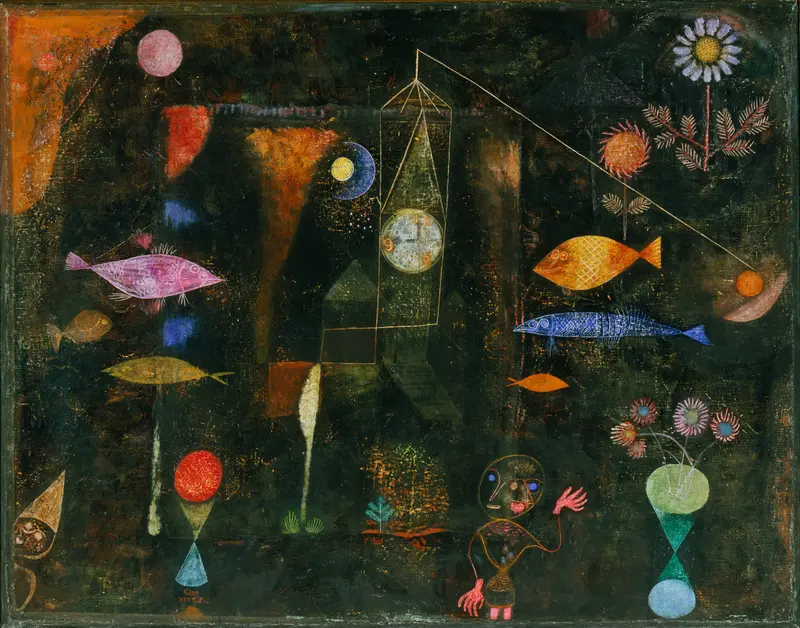
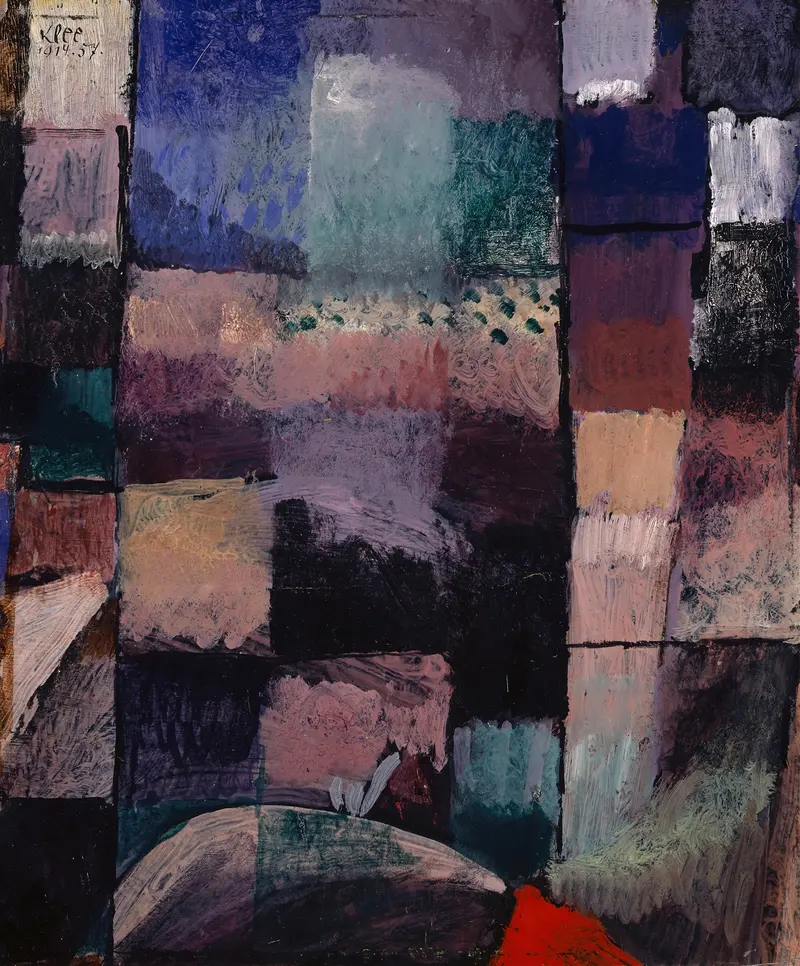
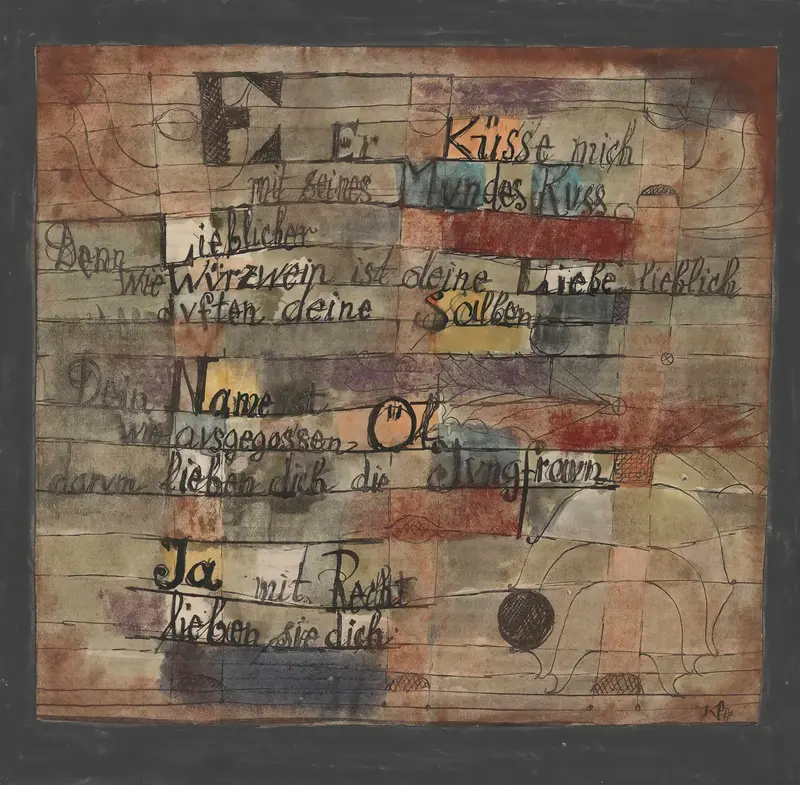
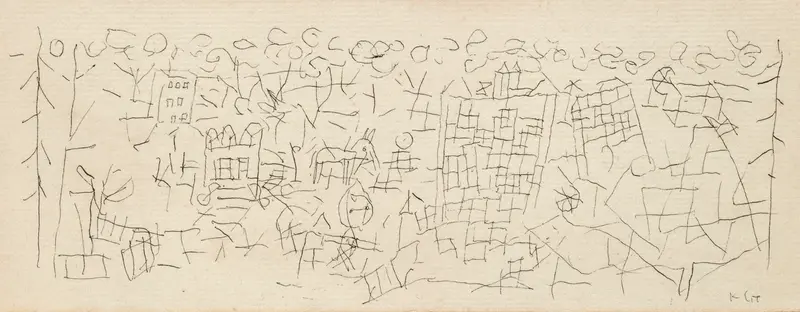
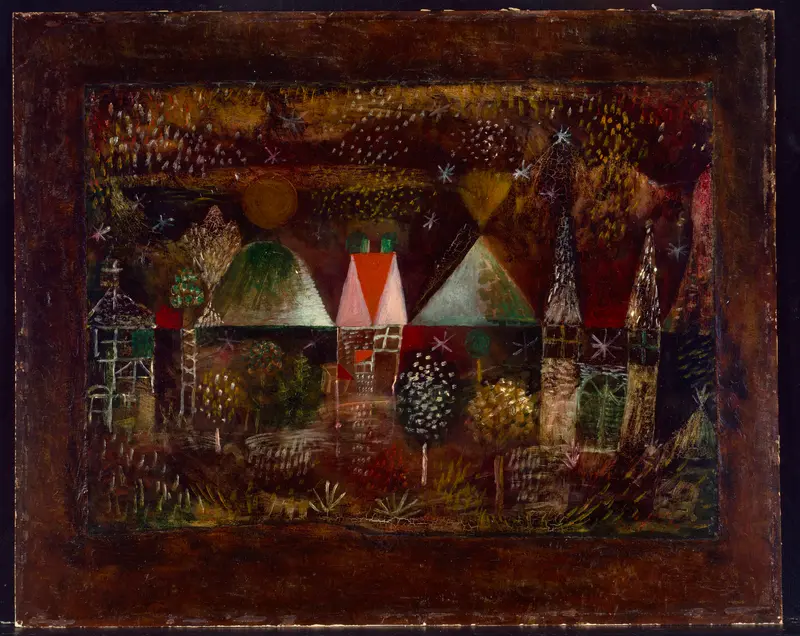
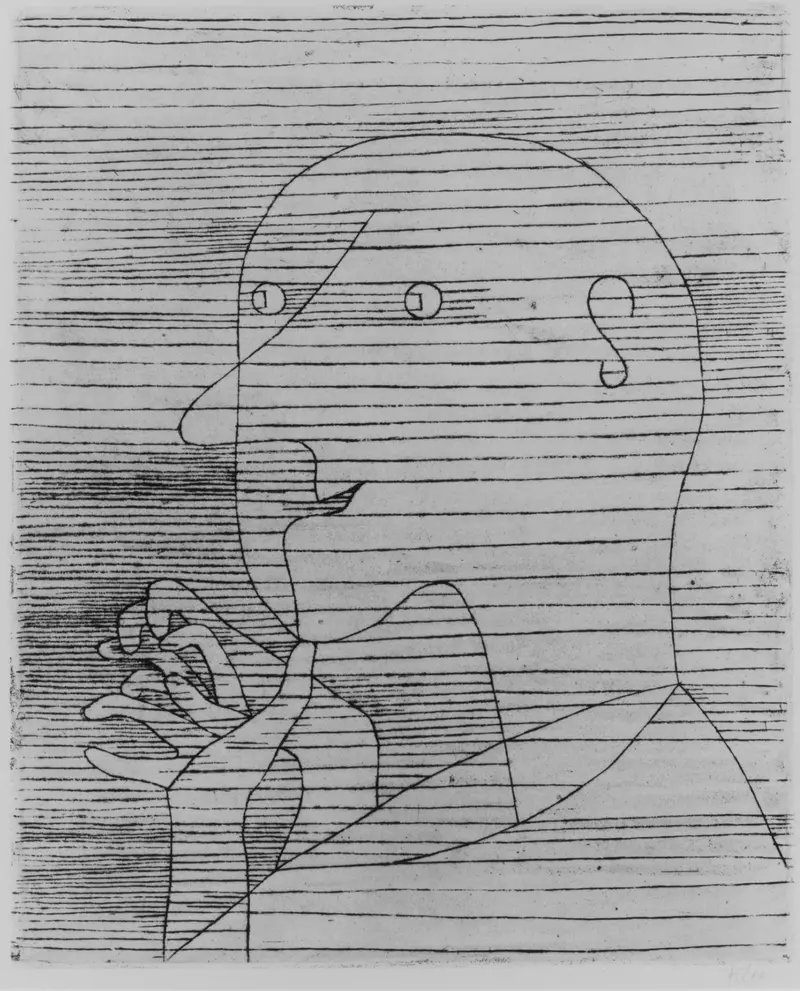
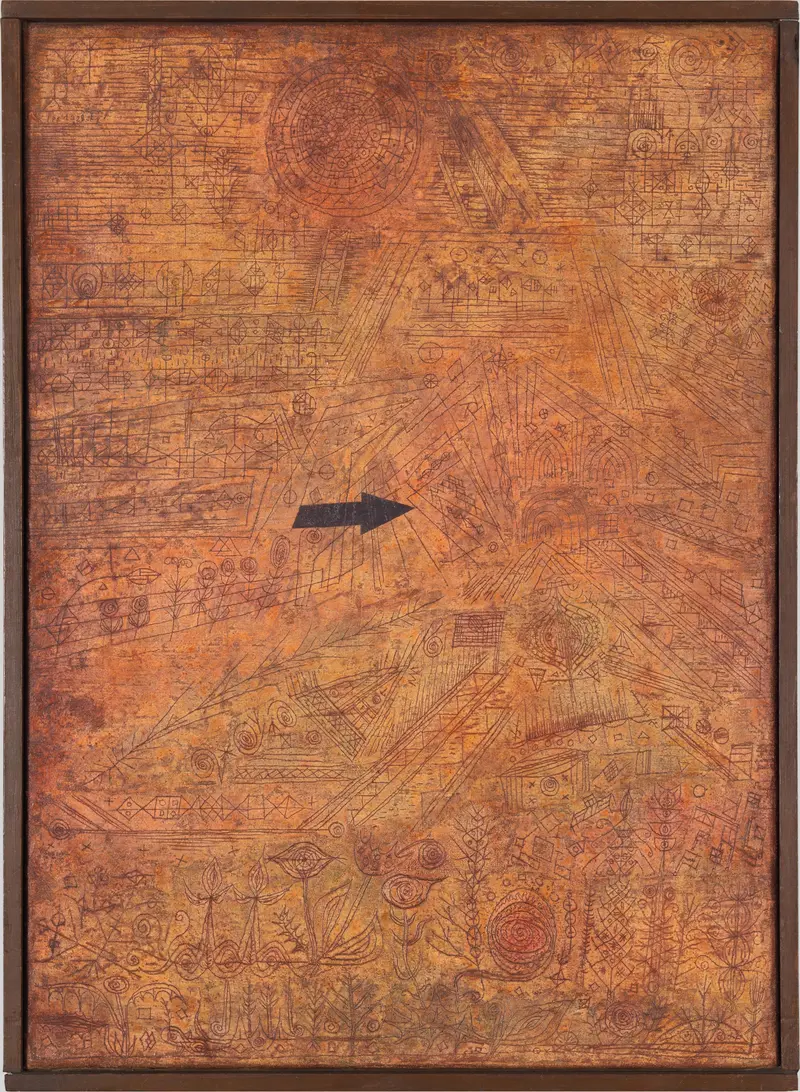
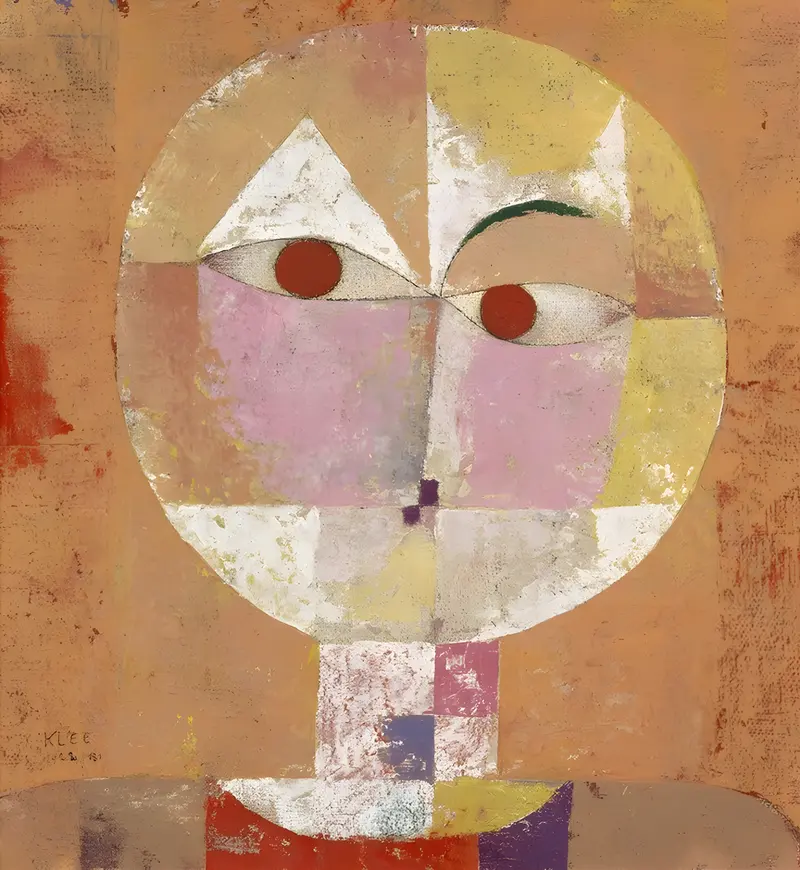
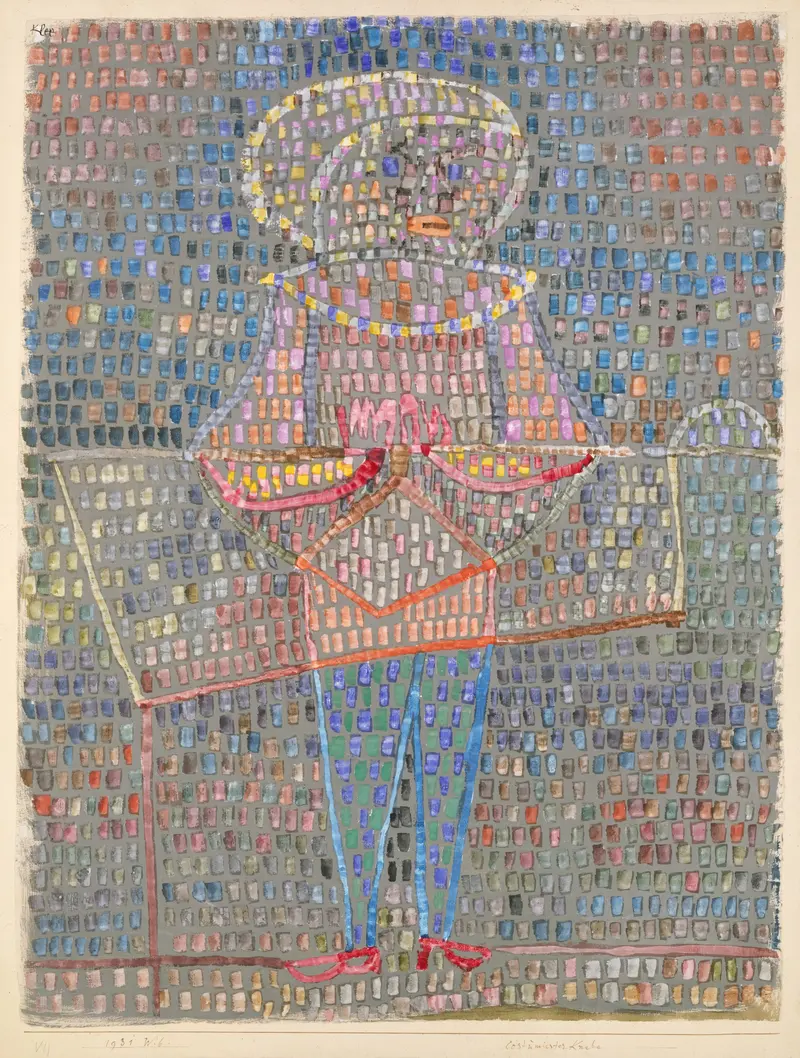
In Schlussbild einer Tragikomödie, Paul Klee uses a vibrant palette filled with reds, yellows, and blues. The painting features whimsical figures that appear to dance across the canvas. These figures are abstract and playful, set against a dynamic background that adds to the overall sense of movement.
The work evokes a feeling of both joy and melancholy, reflecting the dual nature of a tragicomedy. The painting is characterized by Klee's distinctive use of line and color. He employs a mix of geometric shapes and organic forms, creating a sense of depth and complexity. The brushwork is loose and expressive, typical of Klee's style during this period.
Viewers can appreciate the intricate details that invite closer inspection, revealing layers of meaning. Paul Klee was a key figure in the development of modern art, often blending elements of abstraction and figuration. Schlussbild einer Tragikomödie reflects his interest in theater and the interplay of light and shadow. An interesting fact about this work is that it was created during a time when Klee was exploring themes of humor and tragedy in his art.
This painting serves as a visual representation of the complexities of human emotion.