
Scène de bateau — History & Facts
Who listens when art speaks of silence? Within the stillness of Scène de bateau, a profound grief lingers, embodied in the gentle sway of a lone boat cradled by muted waters. Look to the left at the soft strokes of blue and gray that define the water, revealing a reflective surface that mirrors a cloudy sky. Notice how the brushwork is both fluid and deliberate, drawing your eye toward the boat, its sails caught in a whisper of wind. The subtle interplay of light and shadow creates an atmosphere of quiet contemplation, enveloping the scene in a dreamlike haze, inviting you to pause and reflect. Beneath the tranquil exterior lies a tension of solitude and longing.
The solitary boat suggests isolation, while the expansive backdrop hints at a world just beyond reach. The colors chosen evoke a sense of melancholy, as if the artist captures not just a moment, but the essence of loss—a momentary escape from the weight of existence. Each brushstroke resonates with emotions unspoken, allowing the viewer to engage in a dialogue with their own experiences of grief. During the years 1940 to 1945, Montézin painted Scène de bateau amidst the tumult of World War II.
Living in France, he confronted the profound disruptions of war, which influenced countless artists of his time. In this period of uncertainty and sorrow, Montézin turned to nature and the sea, crafting works that reflected both the beauty and fragility of life, revealing the emotional depth that art can convey.
More Artworks by Pierre-Eugène Montézin
Browse all →
Chaumières aux fenêtres et volets tourquoises
Pierre-Eugène Montézin

Quai à Saint-Mammes
Pierre-Eugène Montézin
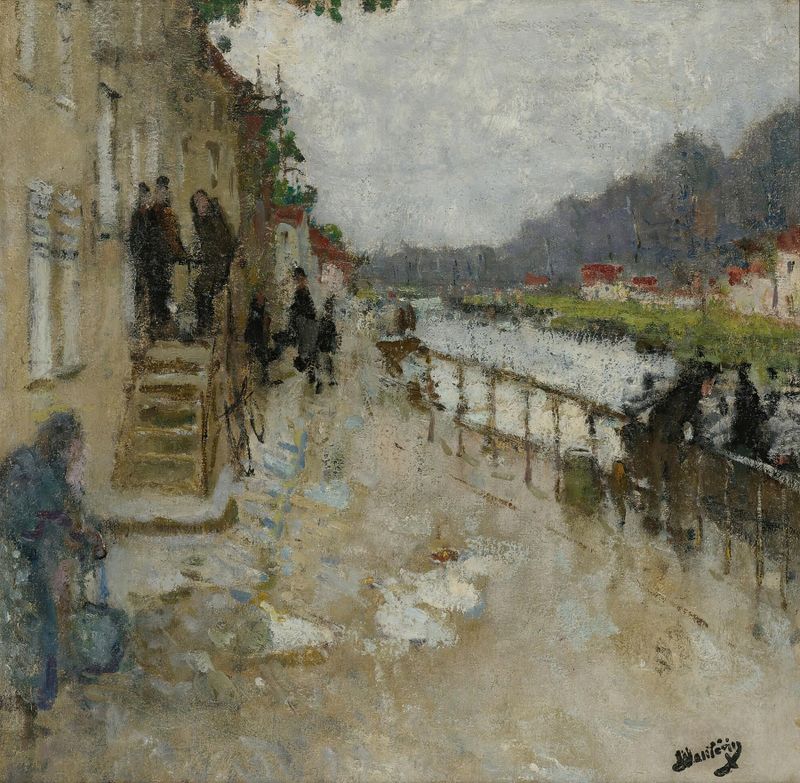
Bord De Canal À Saint-Mammès
Pierre-Eugène Montézin
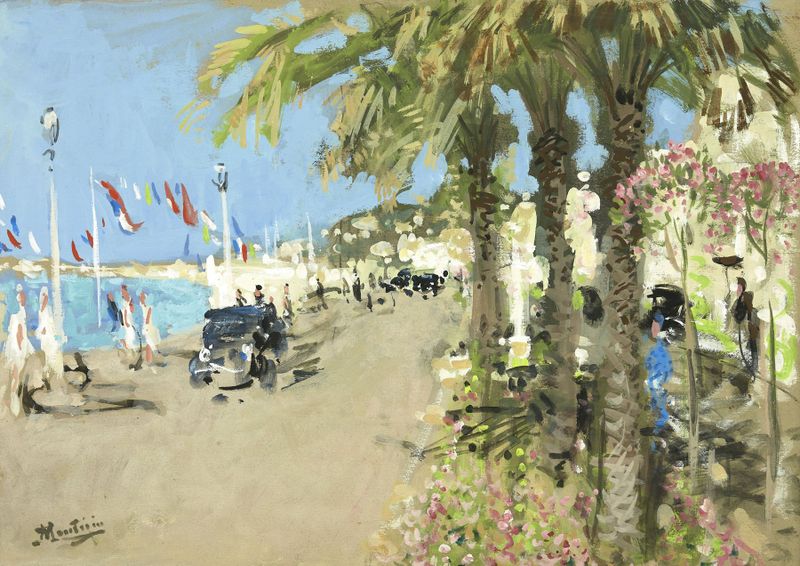
La promenade des Anglais, Nice
Pierre-Eugène Montézin
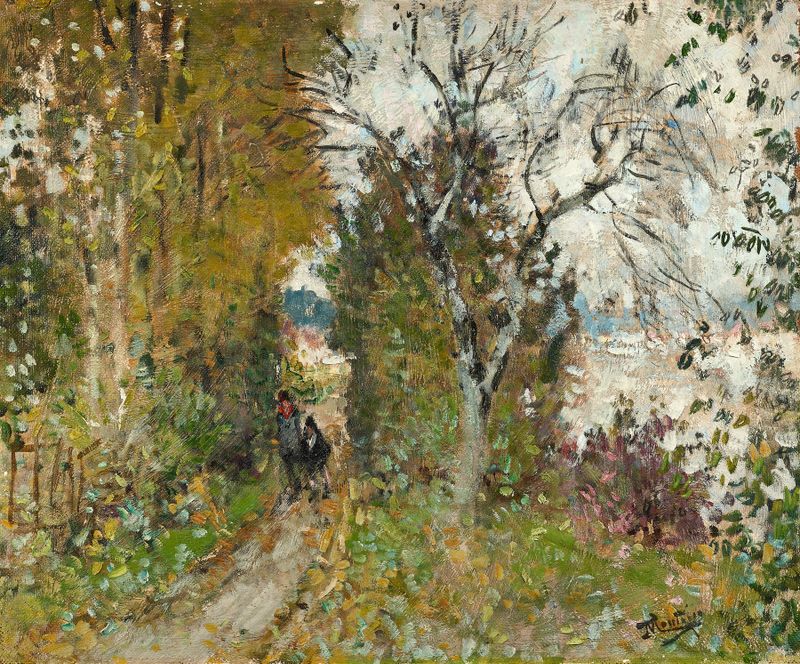
Promenade au bord de l’eau
Pierre-Eugène Montézin

Verger en fleurs
Pierre-Eugène Montézin

Misy Sur Yonne
Pierre-Eugène Montézin
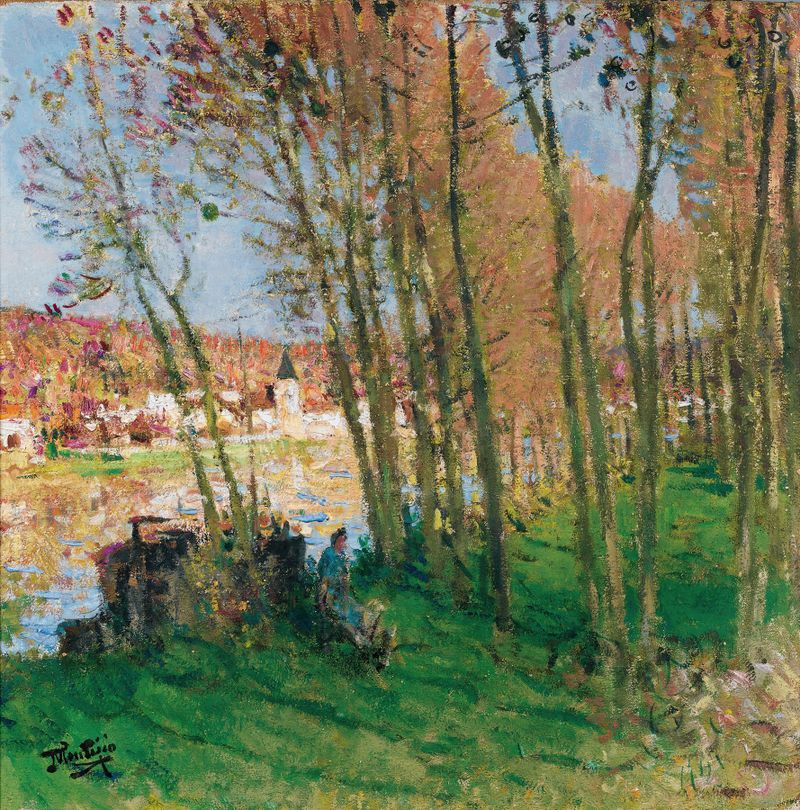
Bord De L’eau
Pierre-Eugène Montézin

La Seine à St. Monance
Pierre-Eugène Montézin

L’entrée Du Village
Pierre-Eugène Montézin





