
sculptor Hendrik Noteman — History & Facts
The first thing that draws the eye in sculptor Hendrik Noteman is the sitter’s direct, almost conspiratorial gaze, caught mid-turn as if he has just been interrupted at his work. The light falls warmly across his face and hands, picking out the ruddy glow of skin and the textured curls of his hair, while the rest of the scene recedes into a gentle shadow. His hands rest confidently on the table, one holding a sculptor’s tool, the other loosely curled, suggesting both the strength and delicacy required for his craft.
The sleeve, richly trimmed, hints at a certain pride in his profession, and the unfinished bust in the background quietly asserts his identity and skill. The oval frame, lush with gilded ornament, seems to echo the artist’s own tools—turning raw material into something enduring and ornate. Painted in 1698 by Aert de Gelder, this portrait belongs to the world of late Dutch Baroque, a time when artists delighted in capturing not just the likeness but the character and status of their sitters. Portraits like this were often commissioned by prosperous artisans and burghers eager to assert their place in society, and the presence of a sculptor as subject speaks to the growing esteem for skilled labor in the Dutch Republic.
While little is recorded about this particular painting’s journey, its home in the Dordrechts Museum places it among works that celebrate the everyday heroes of a thriving mercantile age. The sitter’s half-smile and steady gaze invite us to wonder what stories his hands could tell—reminding us that the artist’s world was as much about making as it was about seeing.
More Artworks by Aert de Gelder

Portrait of a Young Woman
Aert de Gelder

Hermanus Boerhaave (1668-1738), Professor of Medicine at the University of Leiden, with his Wife Maria Drolenvaux (1686-1746) and their Daughter Johanna Maria (1712-91)
Aert de Gelder
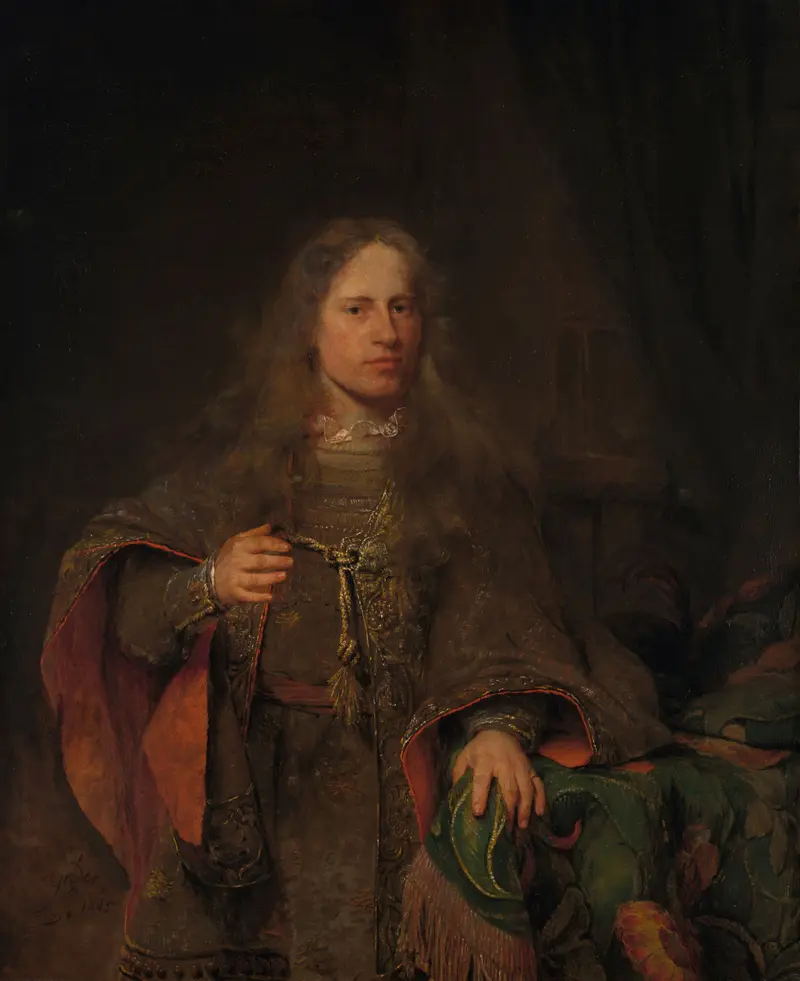
Portrait of Ernest de Beveren, Lord of West-IJsselmonde and De Lindt
Aert de Gelder
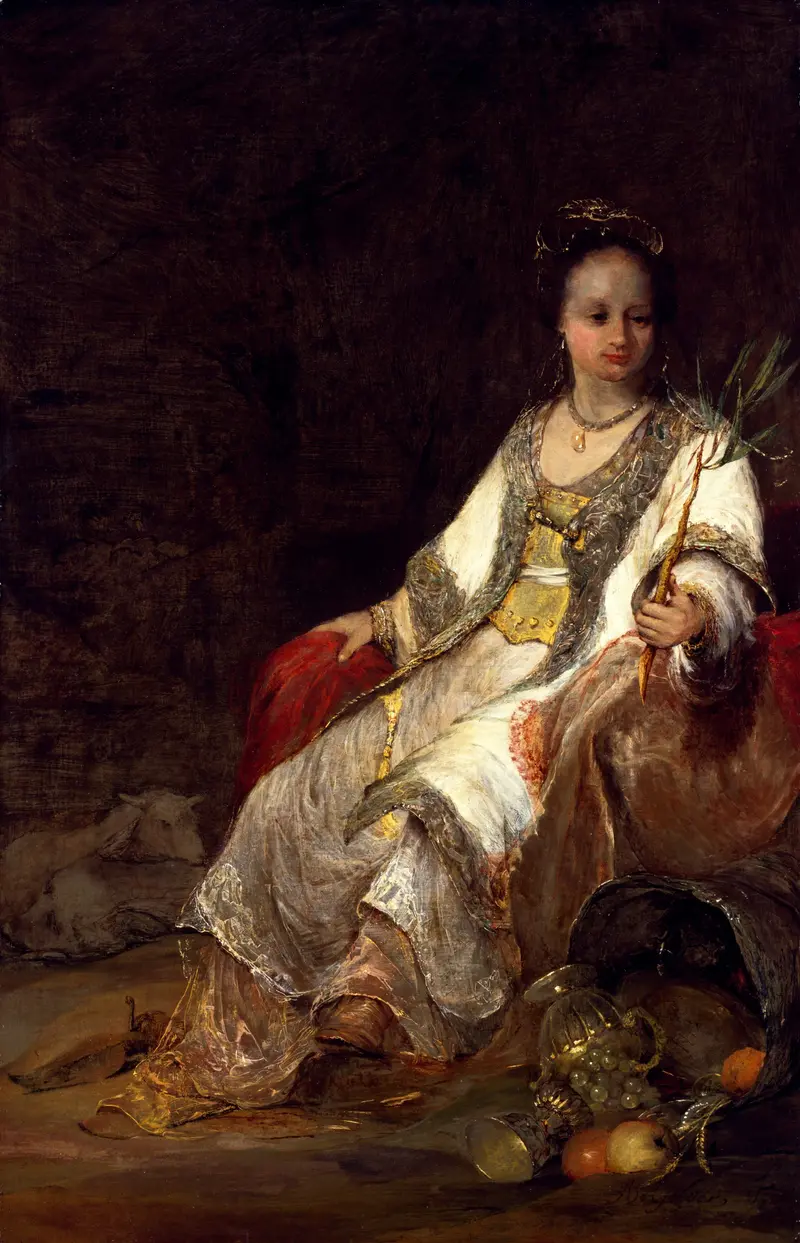
Allegory on Peace
Aert de Gelder
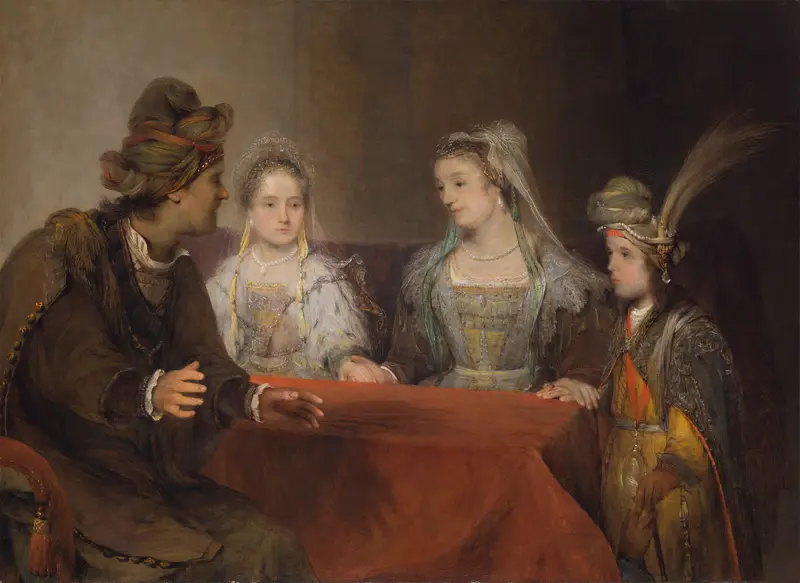
Edna Entrusting Tobias with Sarah
Aert de Gelder
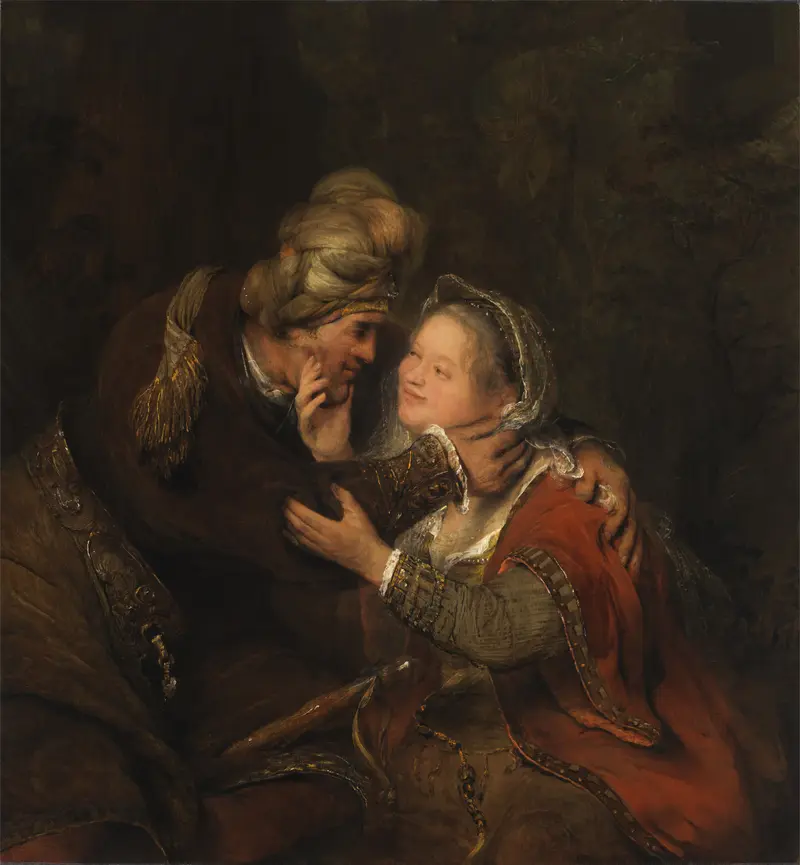
Judah and Tamar
Aert de Gelder
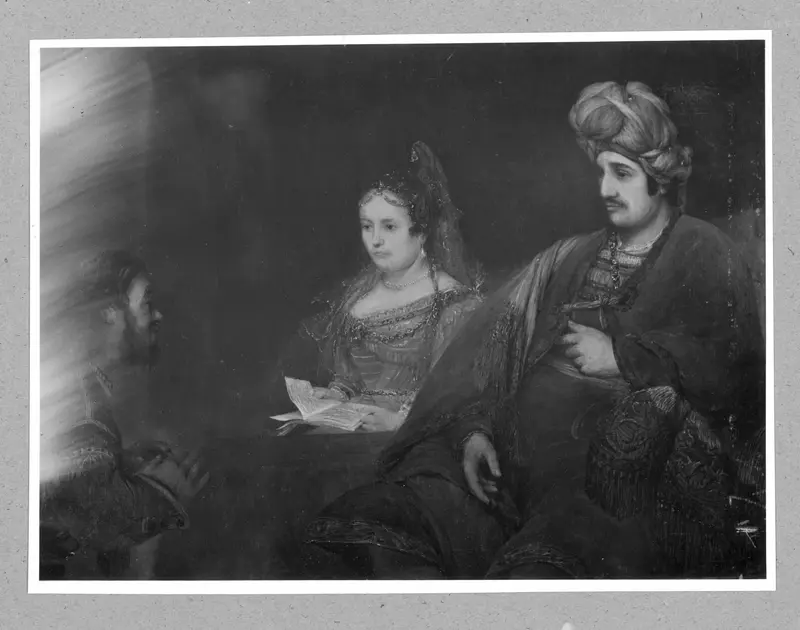
Hamas before Ahasver
Aert de Gelder
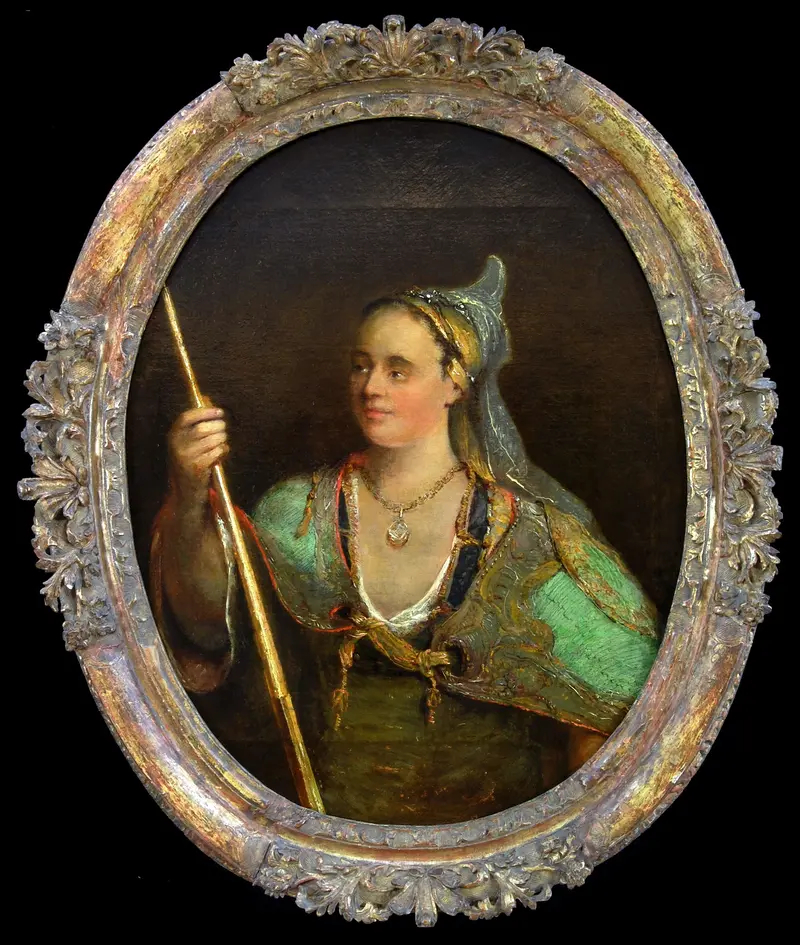
A female allegorical figure
Aert de Gelder
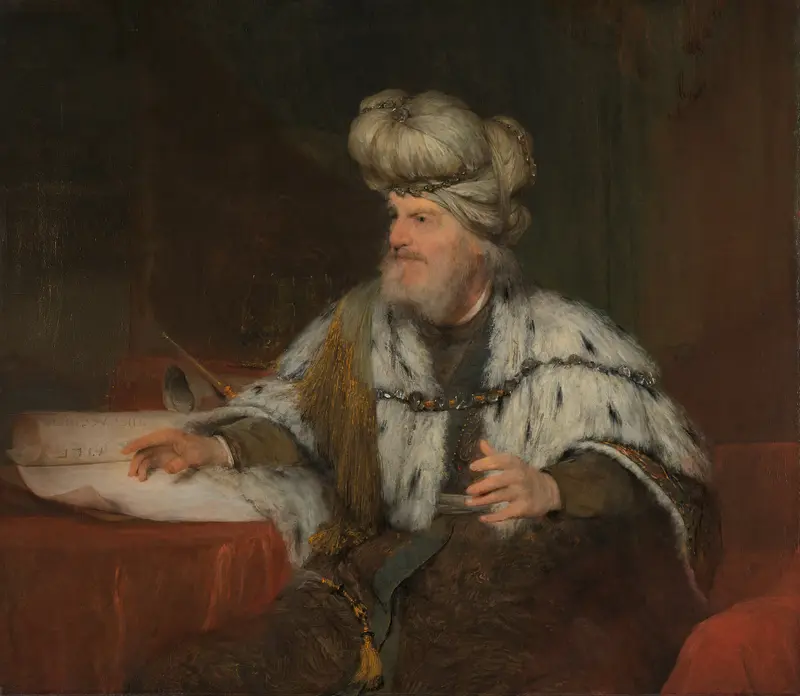
King David
Aert de Gelder
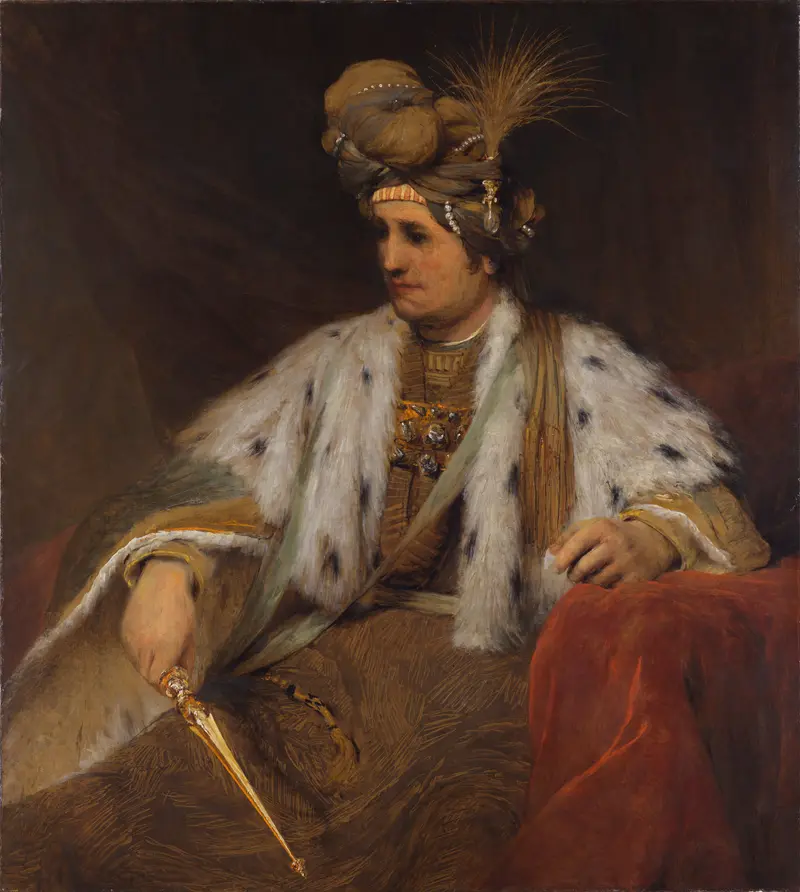
Old Testament Figure, Probably King Solomon
Aert de Gelder





