
Sea at Połąga — History & Facts
This delicate dance of light beckons us to embrace our fleeting moments and cherish their ephemeral beauty. Look to the serene expanse at the center, where vibrant waves curl and shimmer, catching the sunlight like scattered jewels. The soft blues and greens blend harmoniously, while dashes of white foam at the crest of the waves signify restless energy. The interplay of light and shadow creates a sense of movement, drawing the viewer's eye rhythmically across the canvas as if compelled by the ocean's breath. Yet beneath this tranquil surface lies a deeper story—a contrast between the calmness of the sea and the hidden turmoil of the human condition.
The light flickering on the water mirrors our longing for peace amid the chaos of existence. The subtleties in the color palette evoke a bittersweet nostalgia, suggesting that even nature's beauty is tinged with the awareness of life's transience. In 1908, while residing in Poland, Wyczółkowski captured Sea at Połąga during a period marked by a burgeoning interest in impressionism across Europe. As he explored the coast, the artist sought to encapsulate the fleeting moments of joy and solace found in nature, reflecting both his personal experiences and the shifting tides of artistic expression during that era.
More Artworks by Leon Wyczółkowski
Browse all →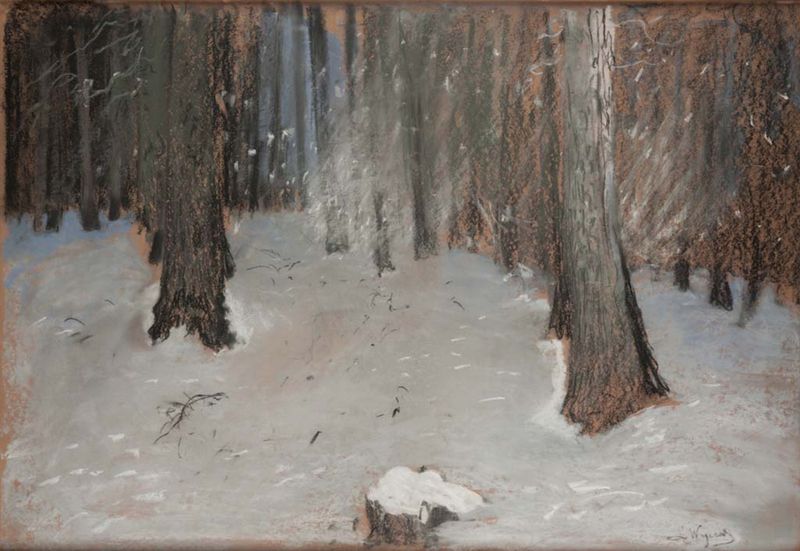
Las zimą
Leon Wyczółkowski
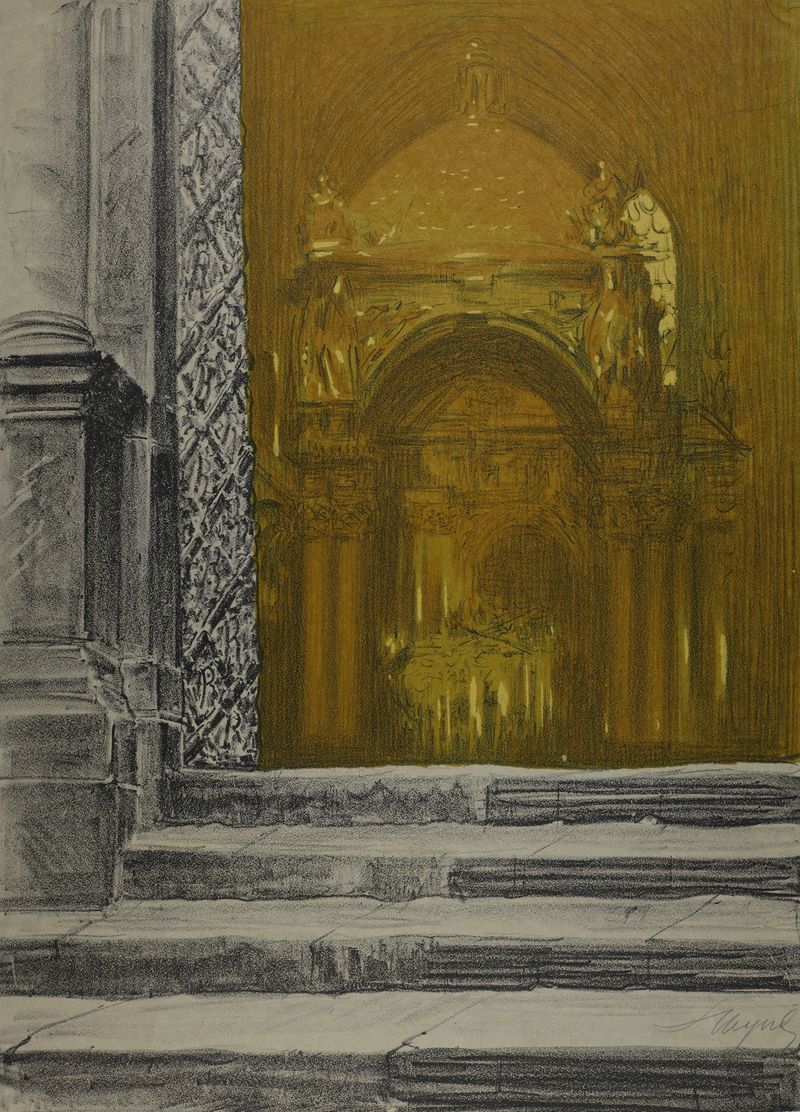
Saint Stanislaus
Leon Wyczółkowski
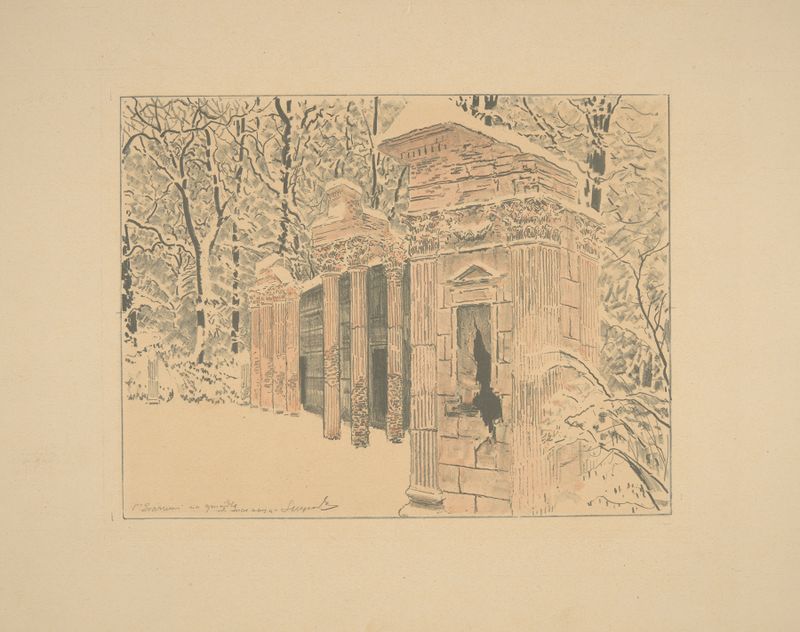
Amfiteatr w Łazienkach pod śniegiem (strona prawa)
Leon Wyczółkowski
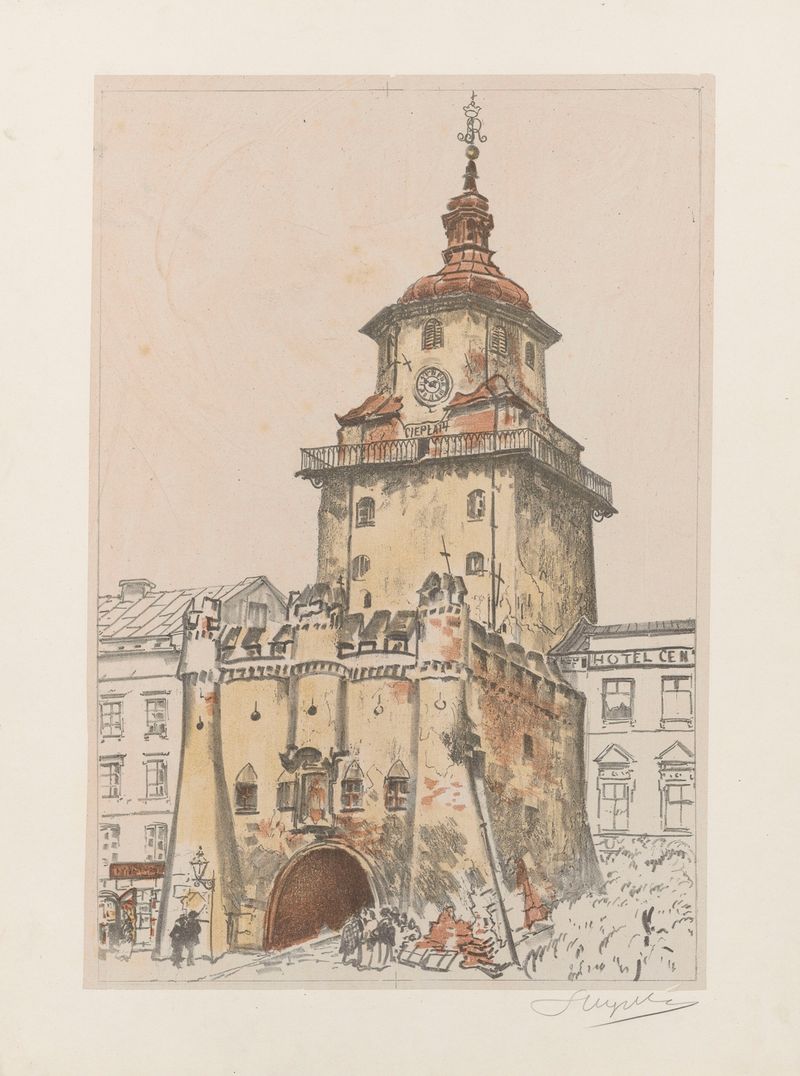
The Krakow Gate in Lublin, in summer
Leon Wyczółkowski
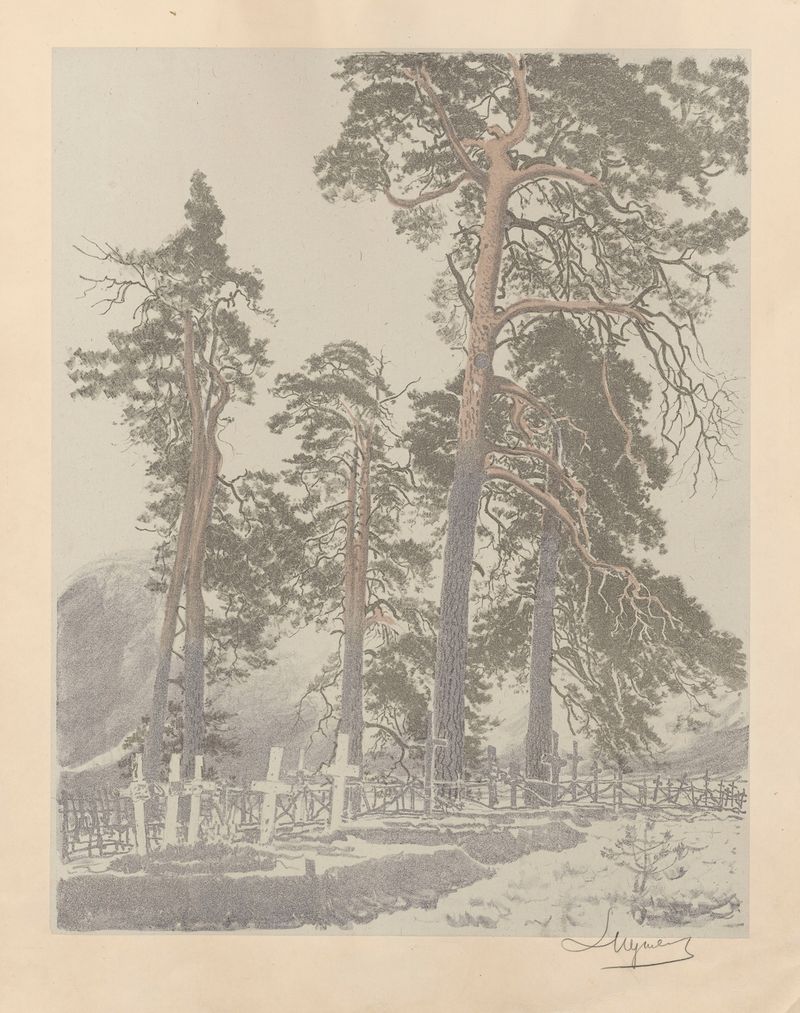
Cemetery in Vowchick
Leon Wyczółkowski
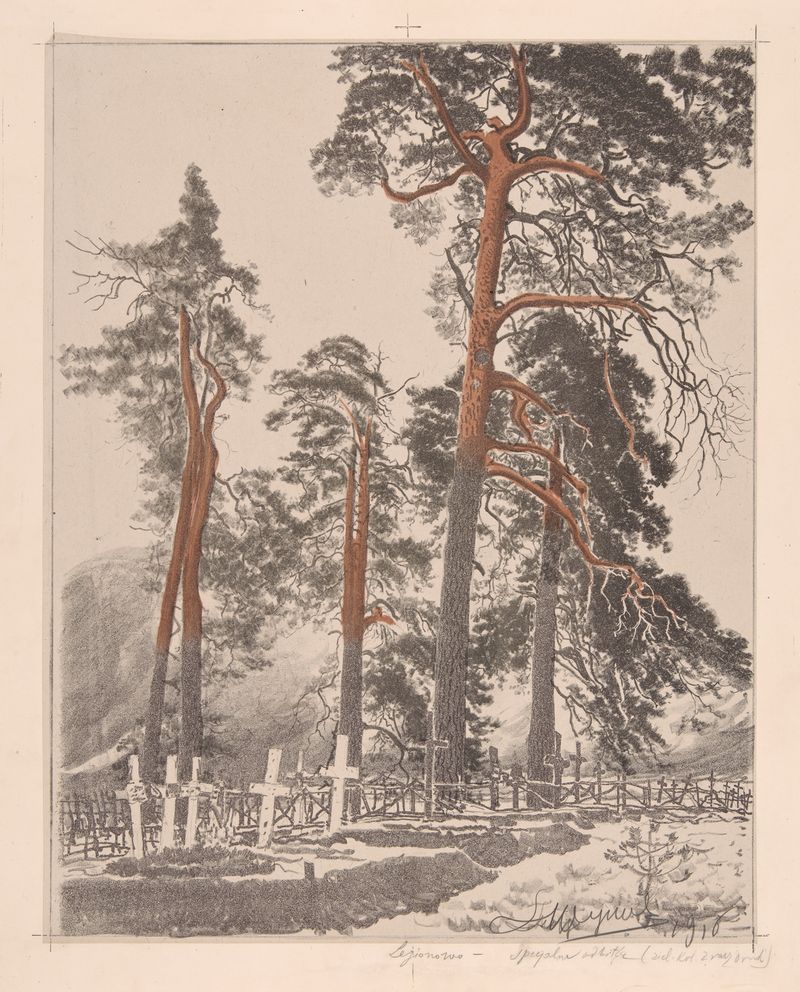
The Wołczecko cemetery
Leon Wyczółkowski
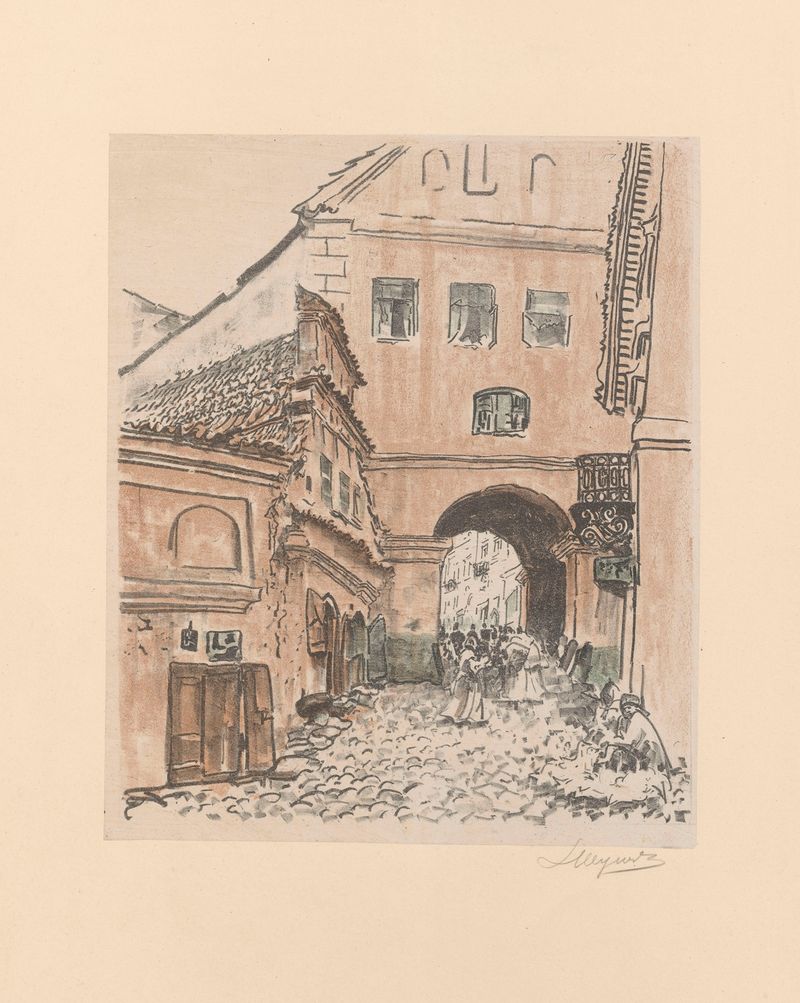
Grodzka Gate
Leon Wyczółkowski
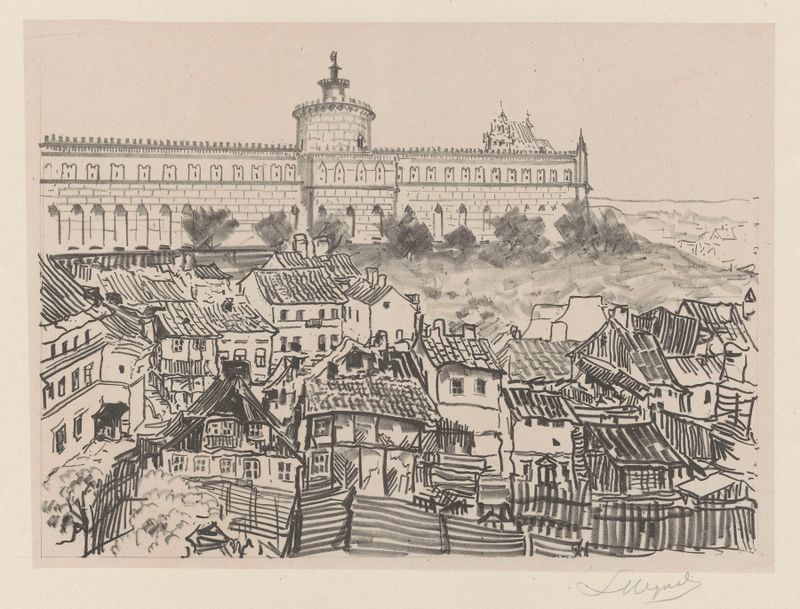
Castle and the Jewish quarter
Leon Wyczółkowski
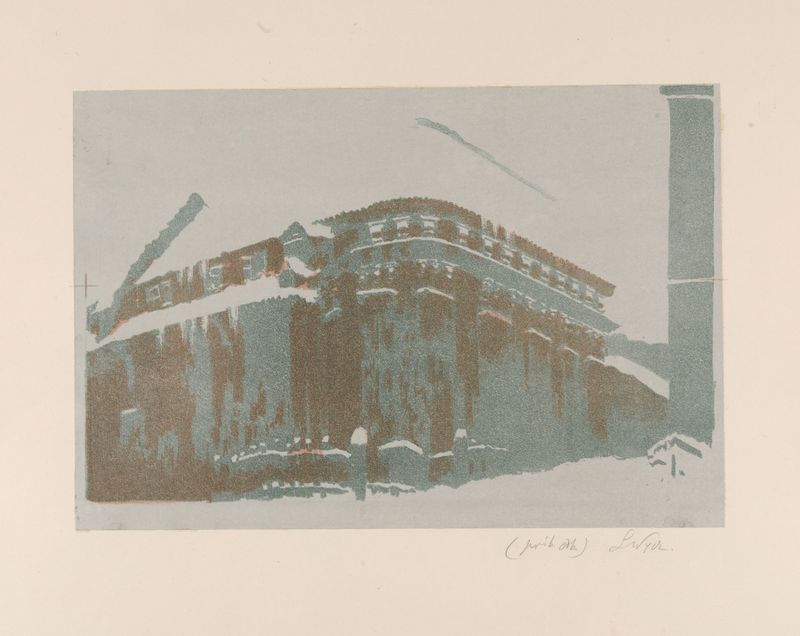
Church of St. Wojciech (in winter)
Leon Wyczółkowski
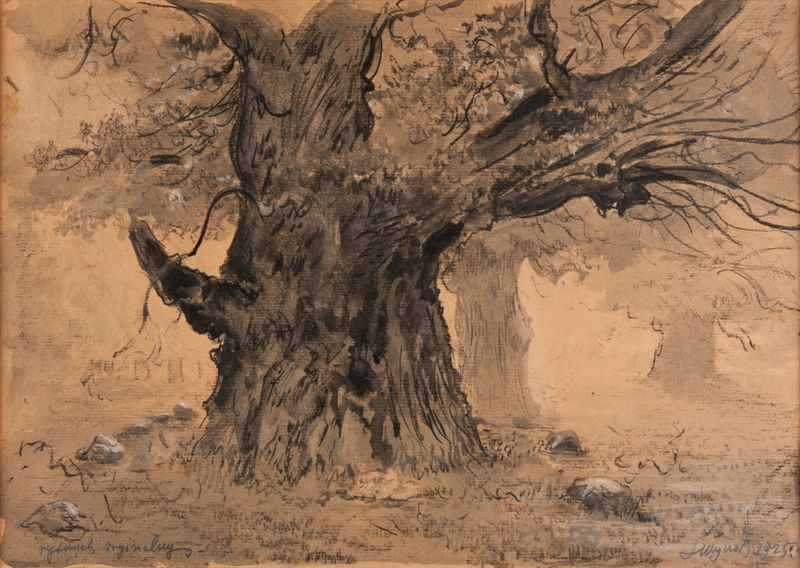
Rogalin Oaks
Leon Wyczółkowski





