
Sea at Połąga V — History & Facts
Could beauty survive in a century of chaos? In Sea at Połąga V, the artist encapsulates a moment of revelation, where nature's serenity stands resilient against the turmoil of the times. Look to the forefront of the canvas, where the undulating waves kiss the shore. Notice how the deep blues and vibrant greens intermingle, creating a rhythmic movement that draws the eye to the horizon. The masterful brushstrokes reveal the texture of the water, as light refracts and dances upon its surface, evoking a sense of both calm and vigor.
The subtle gradations in color convey depth and invite the viewer into the immersive embrace of the seaside landscape. Delve deeper into the contrasts present in this work. The turbulent energy of the waves juxtaposes against the peacefulness of the beach, suggesting a duality of existence — the chaos of life and the tranquility found in nature. The absence of human figures emphasizes isolation, yet the vastness of the sea hints at an unspoken connection to the greater world.
Each stroke invites introspection, allowing the viewer to contemplate their own place amidst nature's grandeur. In 1908, when Sea at Połąga V was painted, Leon Wyczółkowski was deeply rooted in his exploration of landscapes, reflecting a broader movement in Polish art that sought to embrace national identity through nature. At this time, Poland was navigating complex socio-political changes, yet the artist’s focus on the sublime beauty of his surroundings stood as a testament to resilience amid uncertainty.
More Artworks by Leon Wyczółkowski
Browse all →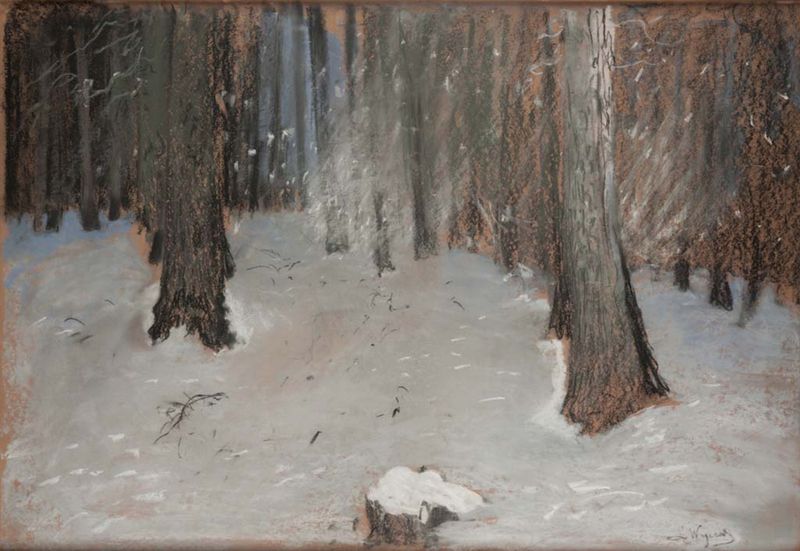
Las zimą
Leon Wyczółkowski
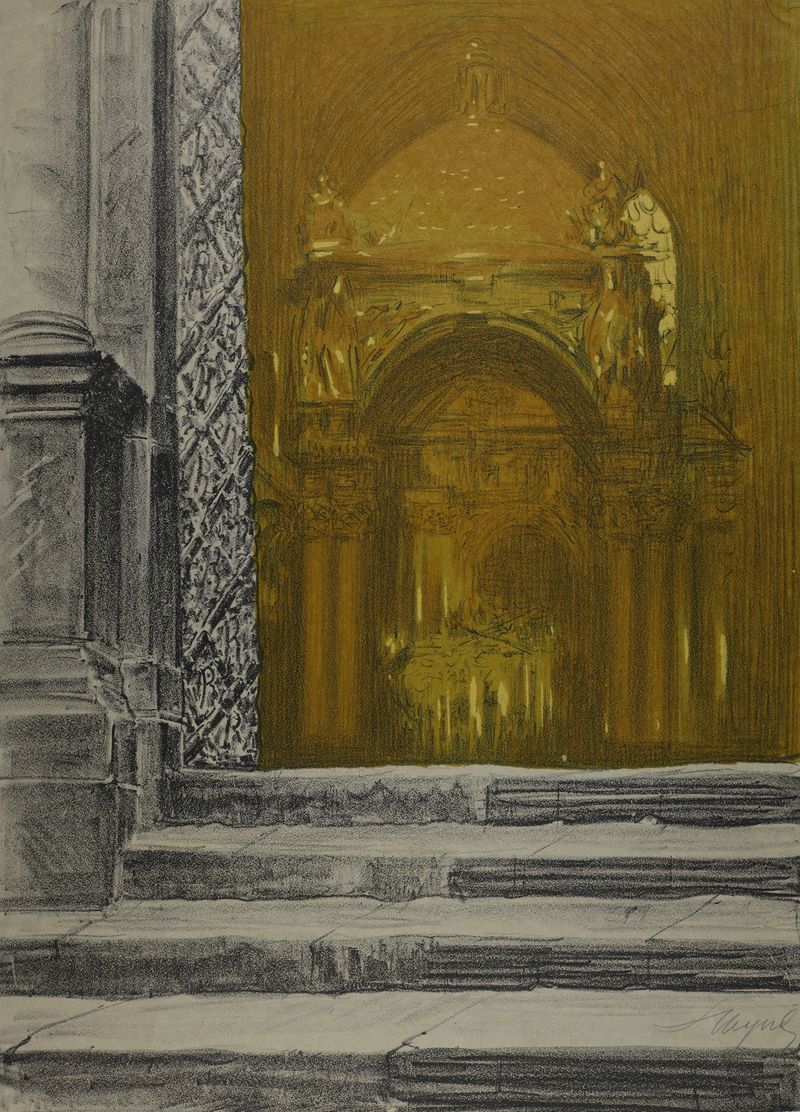
Saint Stanislaus
Leon Wyczółkowski
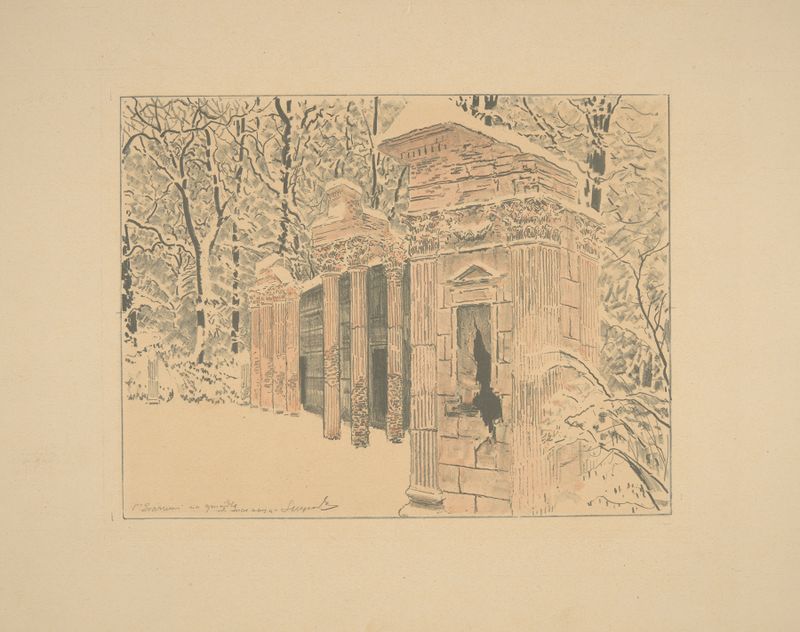
Amfiteatr w Łazienkach pod śniegiem (strona prawa)
Leon Wyczółkowski
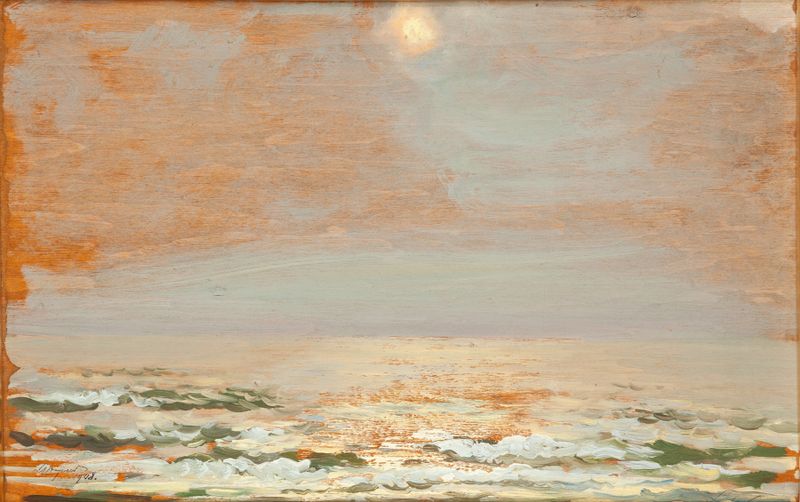
Sea at Połąga IV
Leon Wyczółkowski
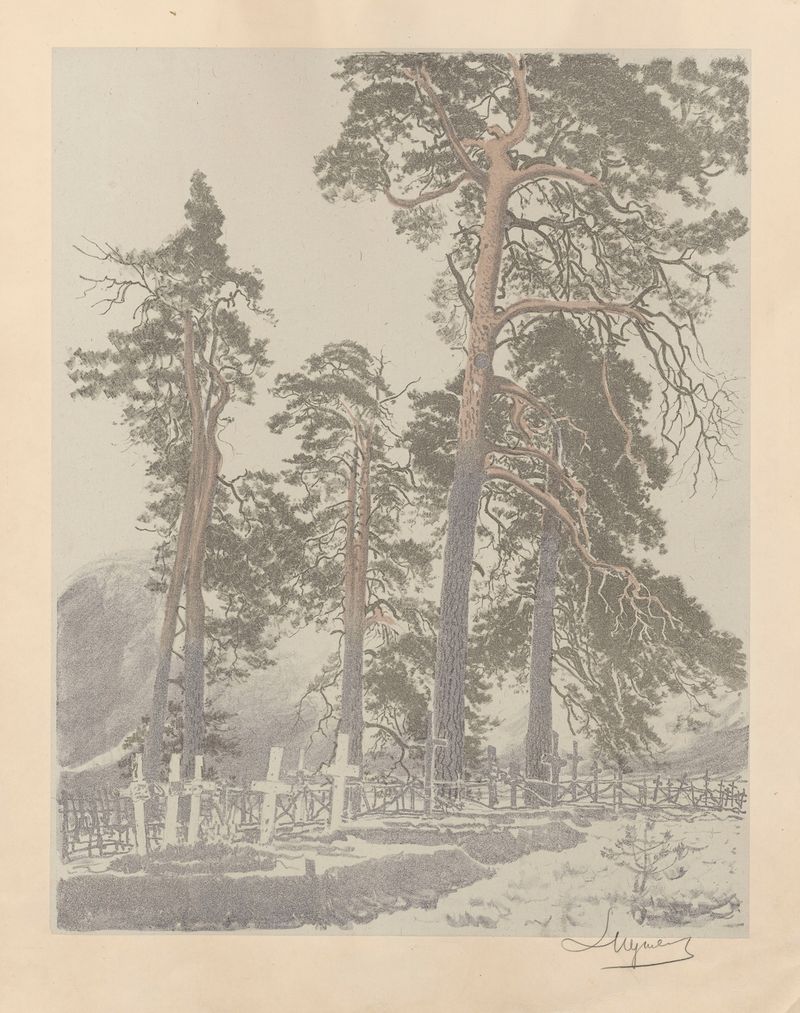
Cemetery in Vowchick
Leon Wyczółkowski
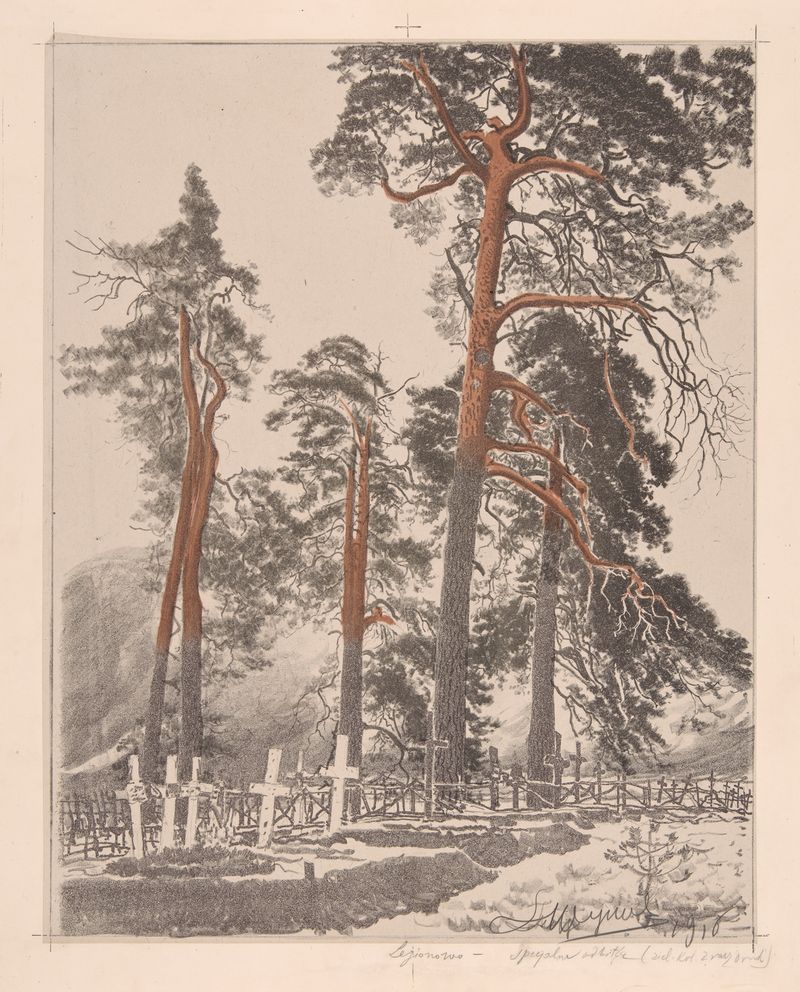
The Wołczecko cemetery
Leon Wyczółkowski
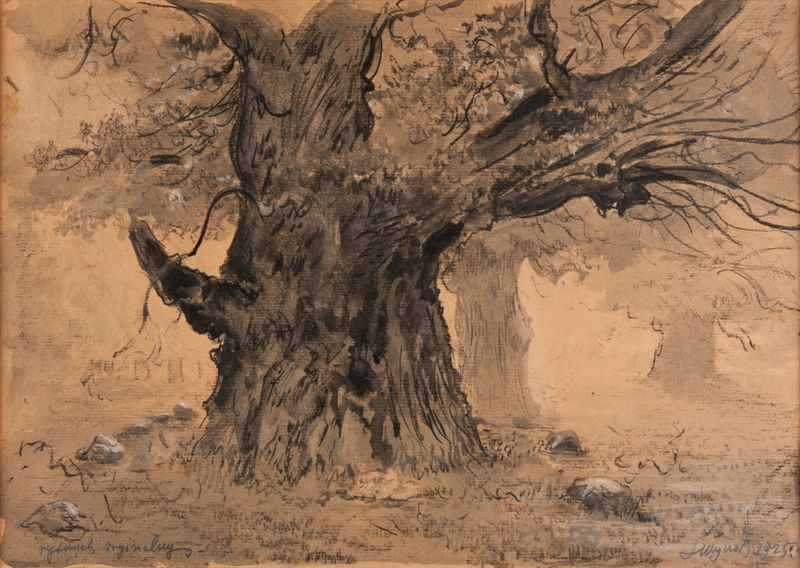
Rogalin Oaks
Leon Wyczółkowski
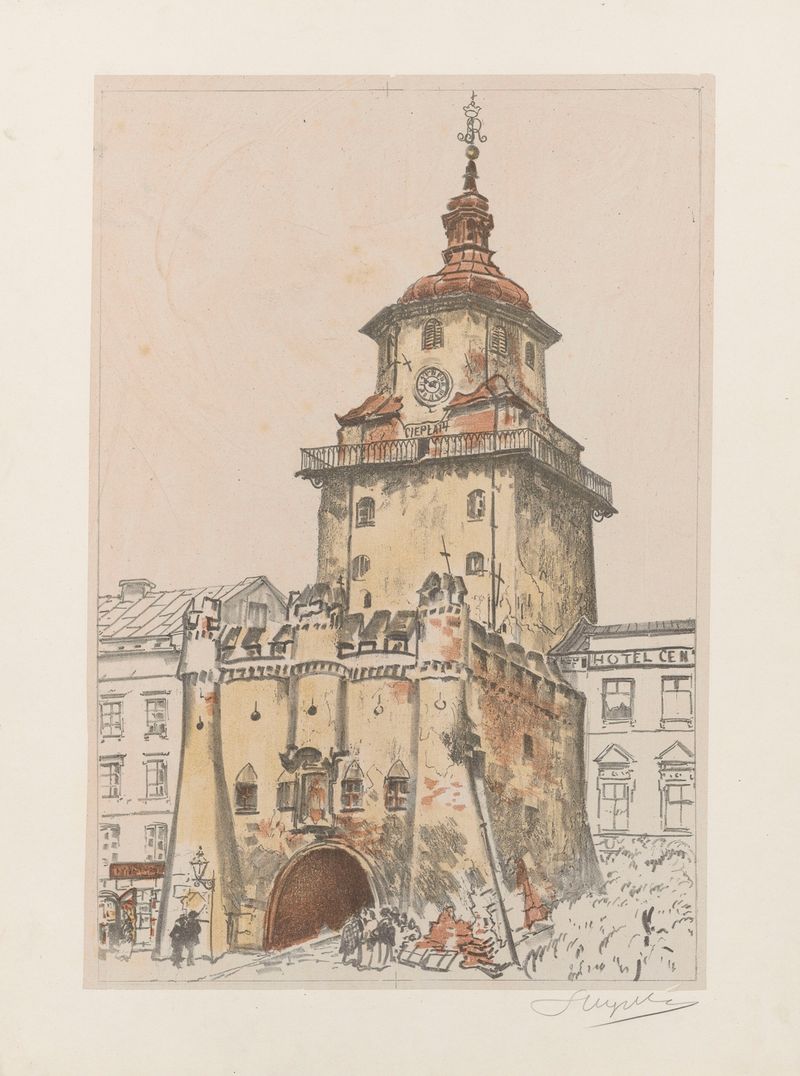
The Krakow Gate in Lublin, in summer
Leon Wyczółkowski
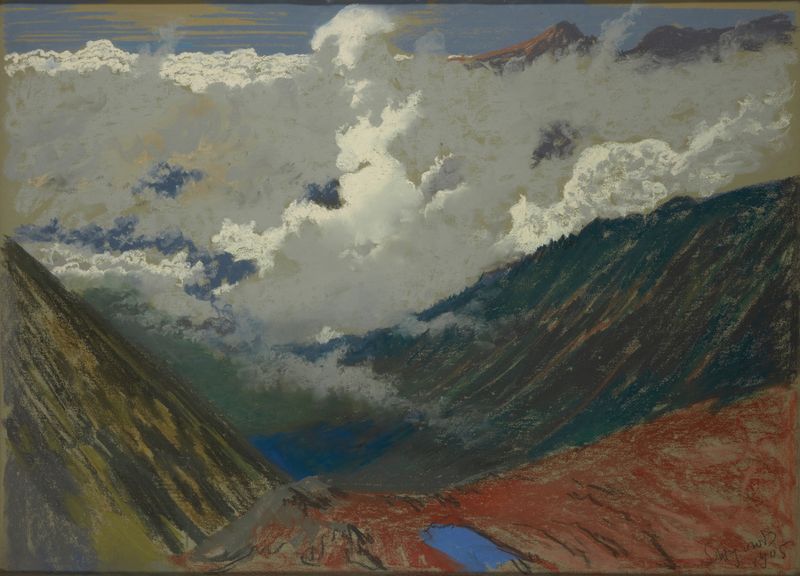
U Wrót Chałubińskiego
Leon Wyczółkowski
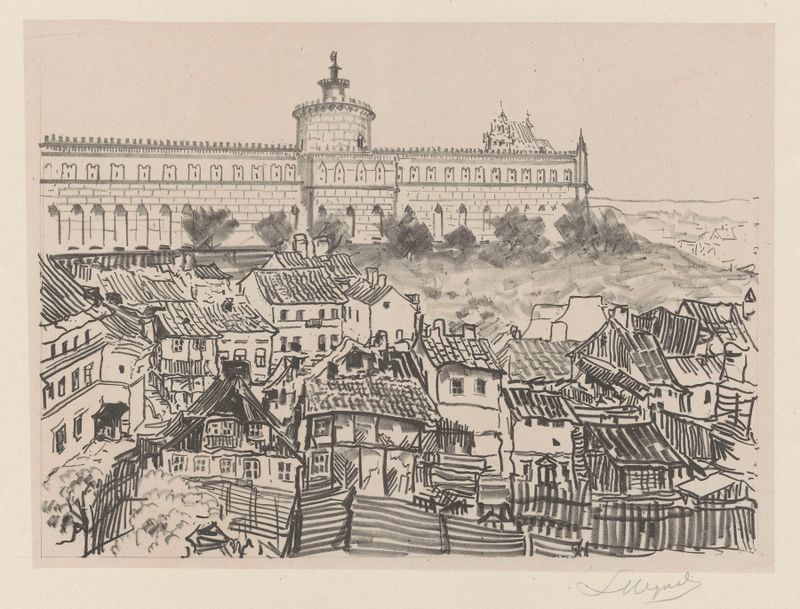
Castle and the Jewish quarter
Leon Wyczółkowski





