
Seascape — History & Facts
What if silence could speak through light? In the vastness of Vernet’s seascape, the quietude envelops the viewer, inviting contemplation amidst the emptiness of the horizon. Look to the left at the gentle rise of waves, their soft crests catching glimpses of the sun, while a tranquil palette of blues and muted grays dominates the canvas. Notice how the horizon line dissolves into the sky, blurring the boundary between sea and air, creating an ethereal depth that draws your gaze. The masterful application of light gives a luminous quality to the water, mirroring fleeting moments of serenity and isolation that define the essence of the scene. Deeper still, the juxtaposition of the looming clouds with the tranquil sea evokes a sense of impending change, a whisper of nature's power beneath the stillness.
The absence of human presence amplifies the feeling of solitude, making the viewer reflect on their own existence in relation to nature's vastness. Each stroke bears witness to an emotional tension, where beauty and emptiness intertwine, revealing the fragility of human concerns against the backdrop of the eternal sea. Created in the midst of the 18th century, Vernet painted this seascape during a time when maritime themes were gaining prominence in French art. The artist was celebrated for his ability to capture the sublime beauty of coastal landscapes, and in this work, he deftly combines realism with an almost poetic sense of isolation.
His exploration of light and space, mirrored the Romantic era's deepening fascination with nature's grandeur, making this seascape a testament to both his skill and the prevailing artistic currents of his time.
More Artworks by Claude-Joseph Vernet
Browse all →
An Italian Harbour in Stormy Weather
Claude-Joseph Vernet
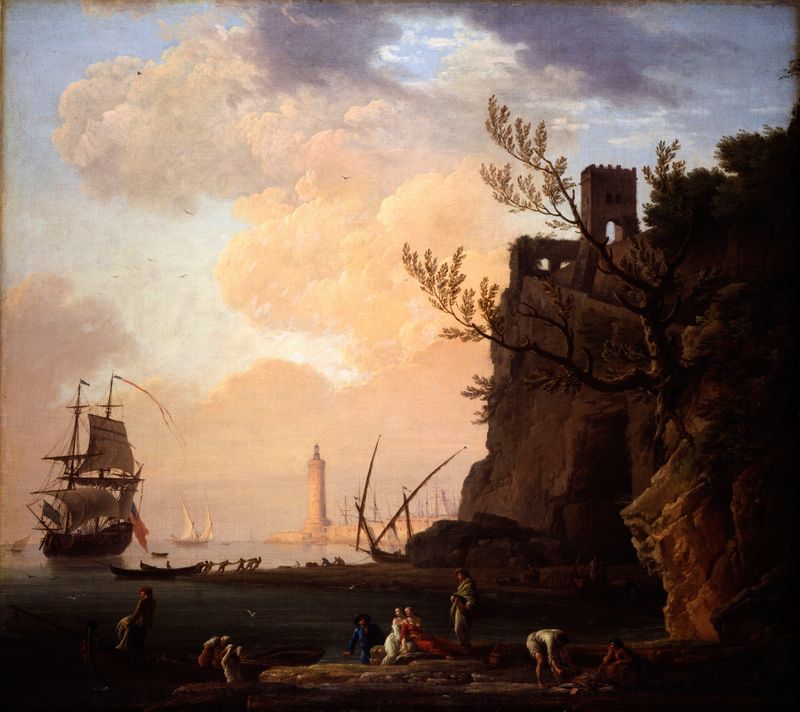
An Italianate Harbour Scene
Claude-Joseph Vernet
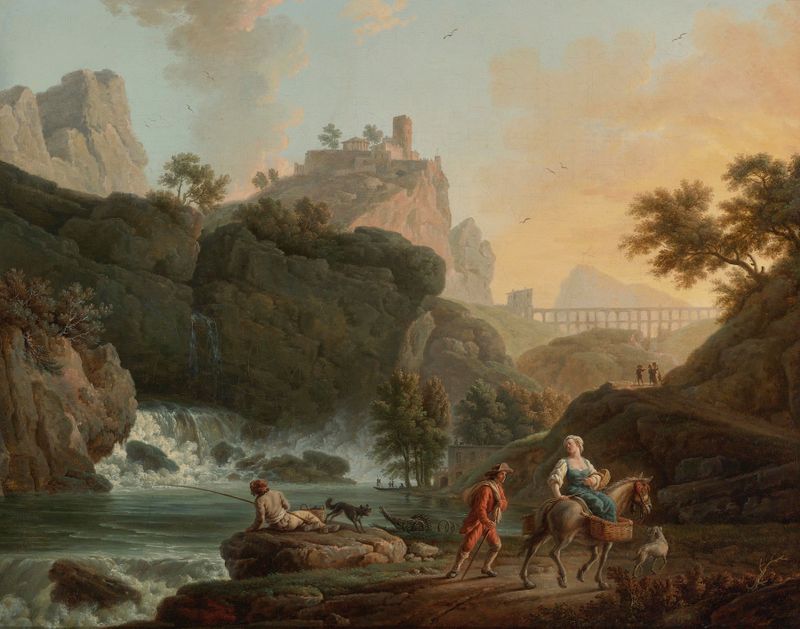
A Rocky Landscape With A fisherman And Travellers By A River With A Waterfall, An Aqueduct In The Distance
Claude-Joseph Vernet
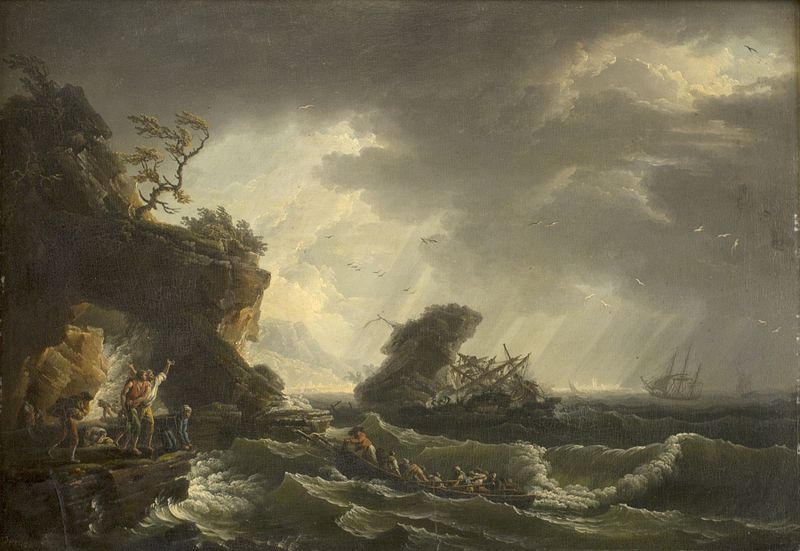
A Shipwreck
Claude-Joseph Vernet

A Mediterranean Harbor At Sunset With Fisherfolk At The Water’s Edge, A Lighthouse And A Man Of War At Anchor In The Bay
Claude-Joseph Vernet
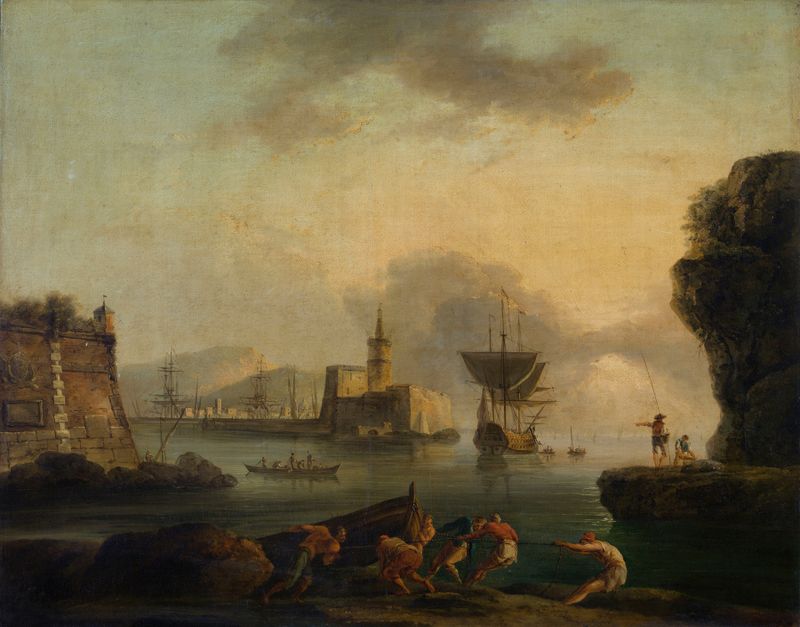
Naples
Claude-Joseph Vernet
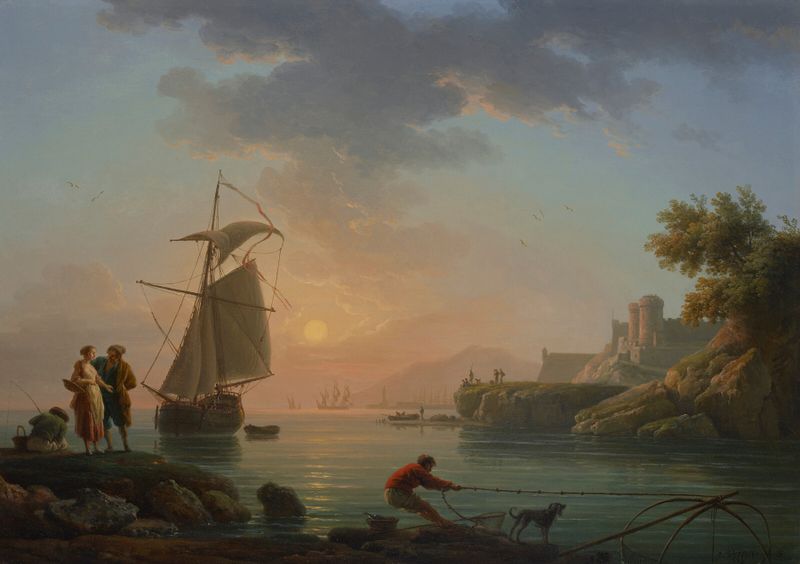
Mediterranean port at sunset, with a fisherman in the foreground
Claude-Joseph Vernet
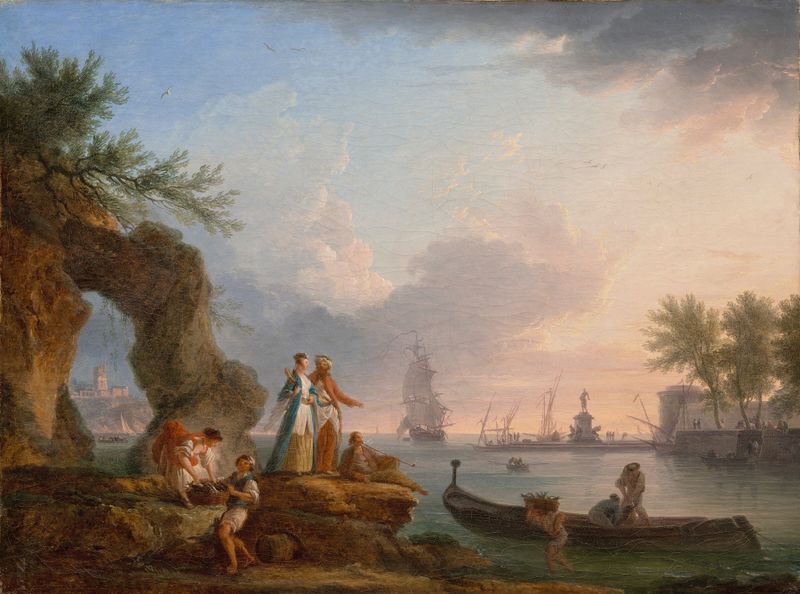
View of a port at sunset with fishermen and a couple in oriental dress
Claude-Joseph Vernet

A Calm at a Mediterranean Port
Claude-Joseph Vernet

A Grand View Of The Sea Shore Enriched With Buildings, Shipping And Figures
Claude-Joseph Vernet





