Seated Actor in the Role of Capitano — History & Facts
A single sweeping line gives this actor his swagger: the plume of his hat, the exaggerated thrust of his hip, the theatrical sweep of his cloak. In Seated Actor in the Role of Capitano, Rembrandt van Rijn seizes a moment of comic bravado, capturing the essence of a stage persona with just a few strokes. The figure’s posture—leaning back, one leg thrust forward, arm akimbo—signals the bluster and self-importance of Capitano, a stock character from the commedia dell’arte tradition, famed for his boastful airs and cowardly heart.
The actor’s gaze, directed down toward a smaller, gesturing figure, draws us into the silent exchange, suggesting a performance in progress. The drawing’s energy lies in its looseness. Rembrandt’s pen darts and loops, giving the cloak its billow, the hat its flamboyance, the boots their swagger. The smaller figure, perhaps a servant or rival, leans in with a comic earnestness, setting up the Capitano’s pose as a response—defiant, almost mocking.
The quick, animated lines invite the viewer to imagine the scene’s dialogue and laughter. Where a contemporary like Jacques Callot might fix his commedia characters in crisp, decorative lines, Rembrandt’s approach is all movement and personality, as if the figures might leap from the page. This drawing belongs to a world where actors and artists mingled in the lively Dutch Republic of the 1630s, when theater troupes and traveling performers brought the commedia’s stock characters to life for eager audiences. Such sketches were not formal commissions but private explorations, perhaps made in a rehearsal room or from memory, capturing the spirit of performance rather than its details.
Seated Actor in the Role of Capitano survives as a testament to Rembrandt’s fascination with character and gesture—a fleeting moment, preserved in ink, that still invites us to imagine the laughter and applause.
More Artworks by Rembrandt van Rijn
Bathsheba at Her Bath
Rembrandt van Rijn
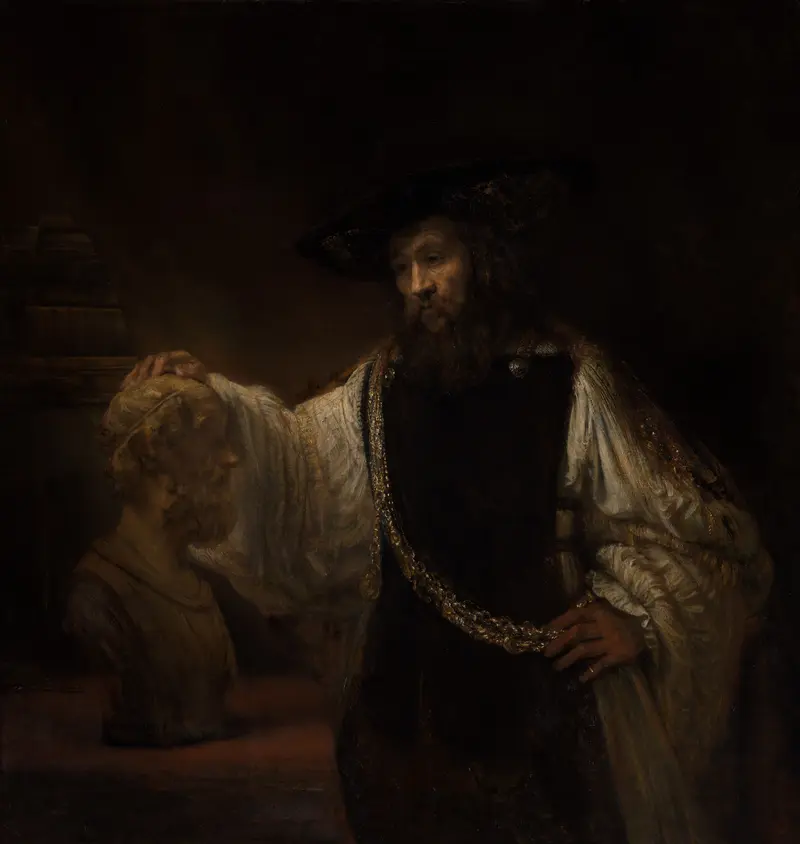
Aristotle with a Bust of Homer
Rembrandt van Rijn
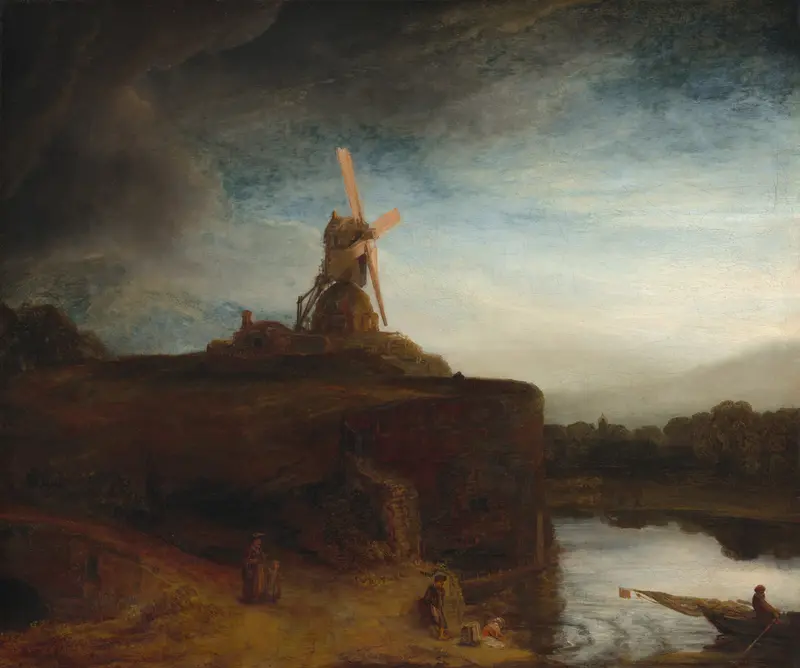
The Mill
Rembrandt van Rijn
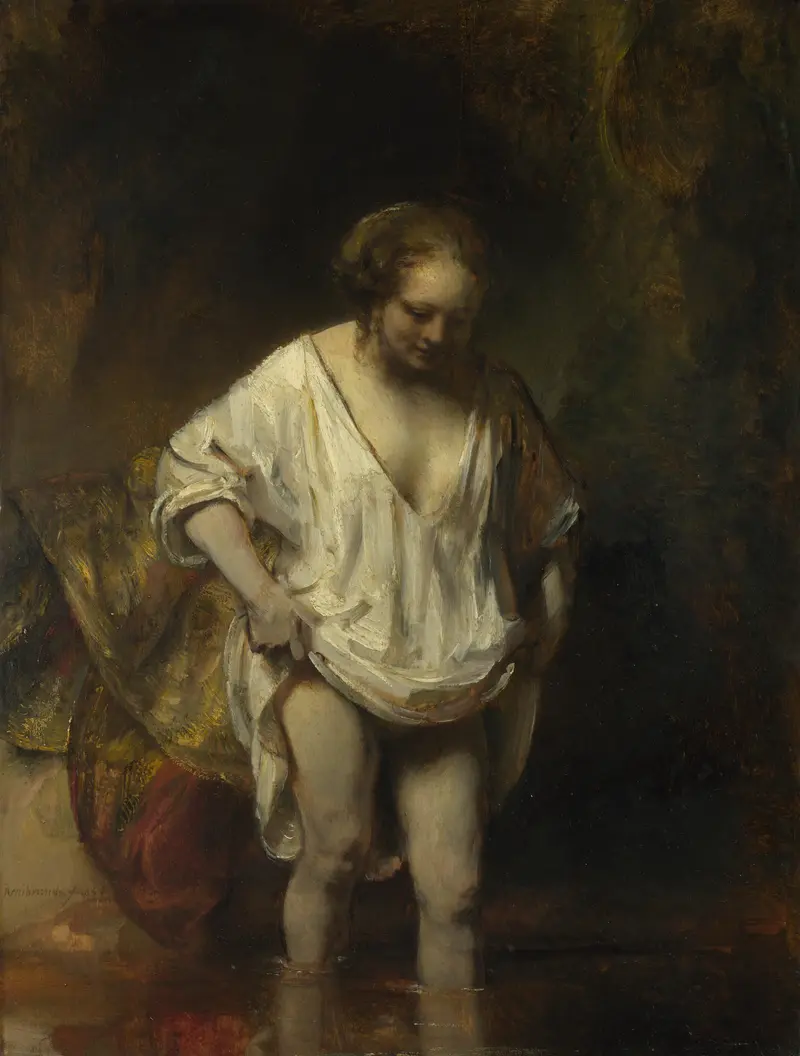
A Woman Bathing in a Stream
Rembrandt van Rijn
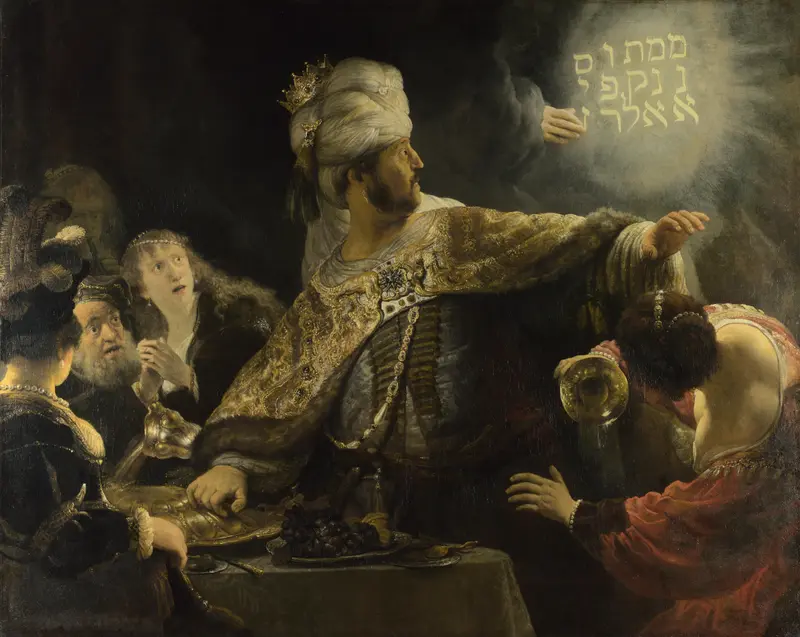
Belshazzar’s Feast
Rembrandt van Rijn
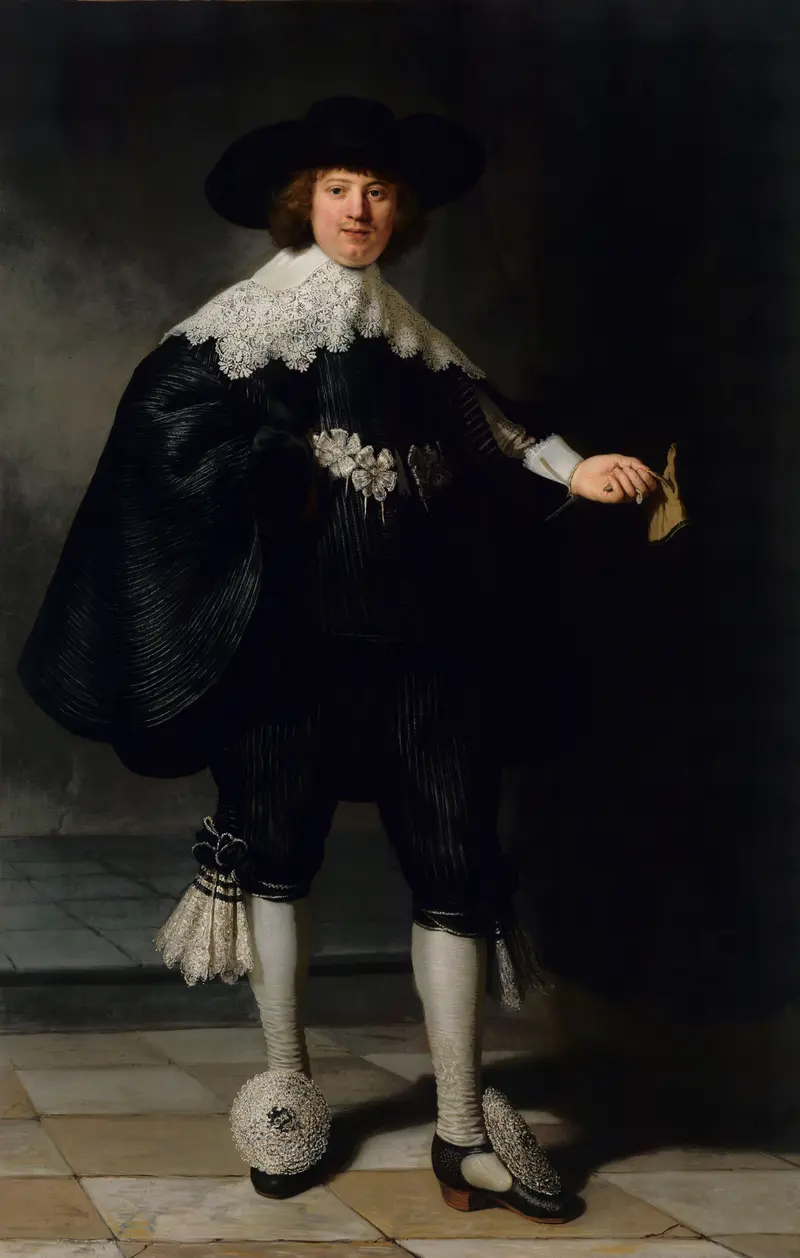
Portrait of Marten Soolmans
Rembrandt van Rijn
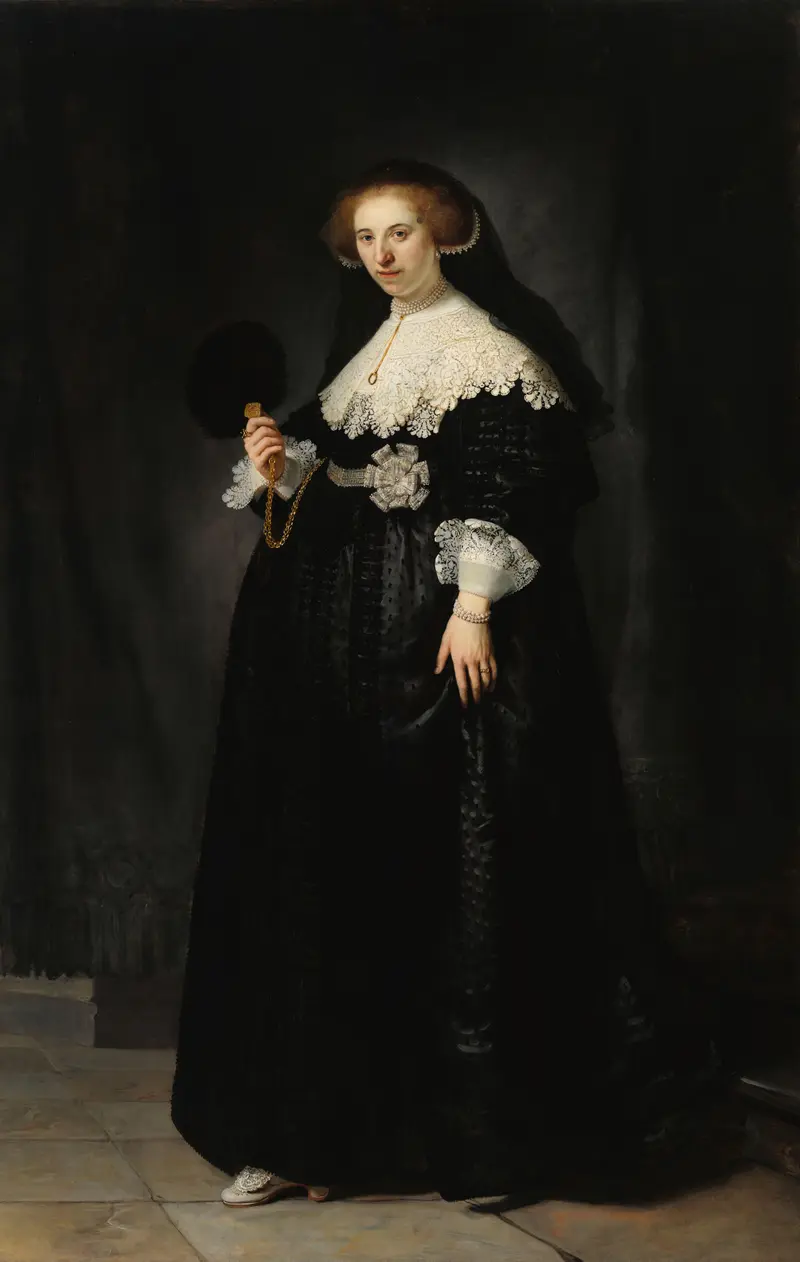
Portrait of Oopjen Coppit
Rembrandt van Rijn

The Prodigal Son in the Tavern
Rembrandt van Rijn
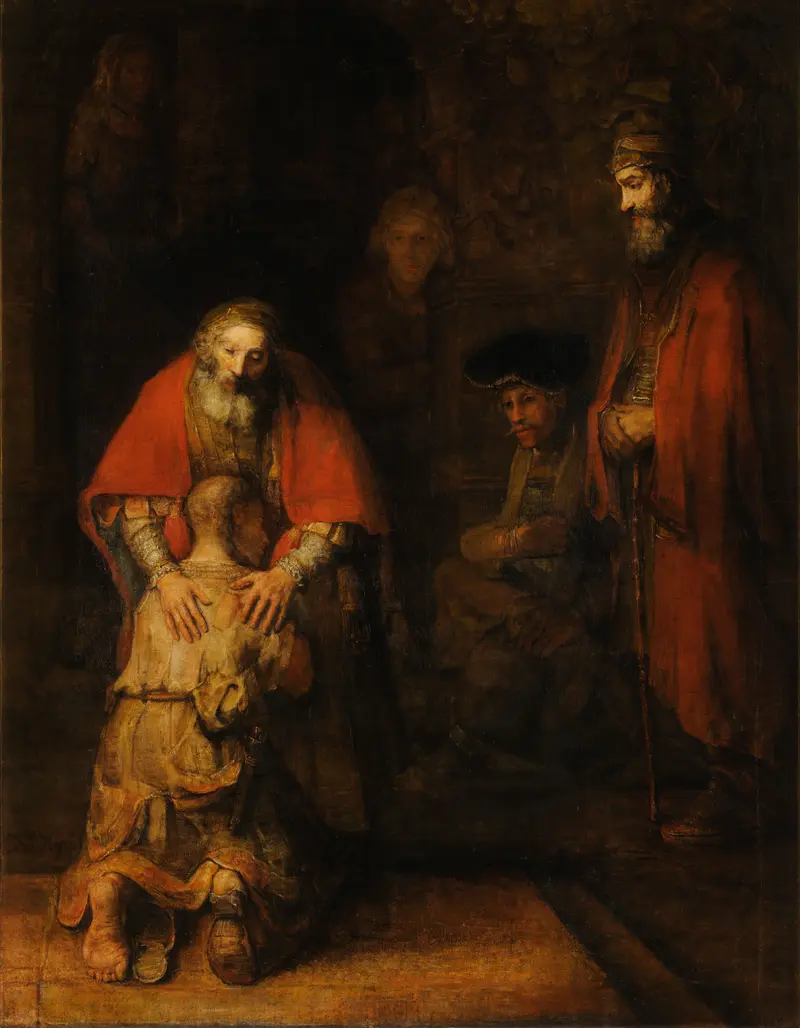
The Return of the Prodigal Son
Rembrandt van Rijn
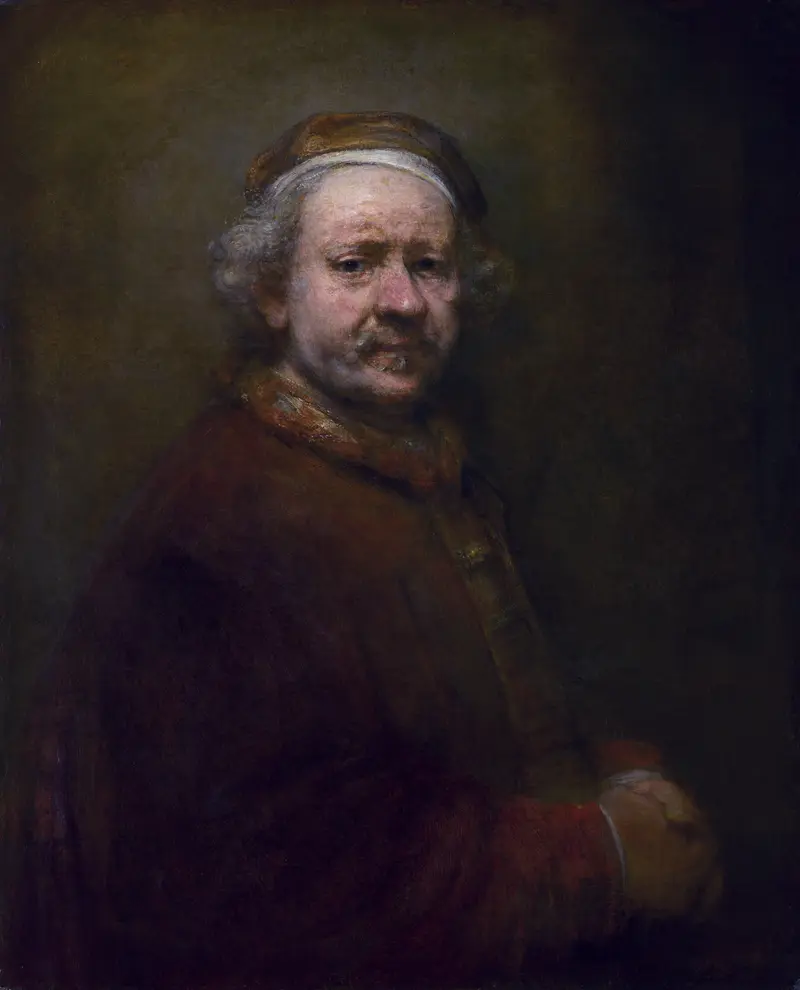
Self-Portrait at the Age of 63
Rembrandt van Rijn