Discover insights about this artwork
Seated Giant — History & Facts
In Seated Giant, Francisco de Goya presents a colossal figure seated against a dark background. The colors are rich and deep, with shades of brown and black dominating the scene. The giant's expression is intense, conveying a sense of power and contemplation.
The setting is minimal, focusing the viewer's attention on the figure itself. The painting is executed in oil on canvas, a medium that allows for the depth of color and texture seen in the work. Goya's brushwork is visible, adding a sense of movement and life to the giant. The dimensions are approximately 150 x 200 cm, giving the painting a significant presence.
The dramatic use of light and shadow enhances the figure's imposing nature. Francisco de Goya was a prominent Spanish painter known for his ability to capture human emotion and social commentary. 'Seated Giant' is thought to reflect Goya's interest in the themes of power and vulnerability. Interestingly, this work is often associated with his later, more introspective period.
Goya's exploration of the human condition remains relevant, making this piece a significant part of his oeuvre.
More Artworks by Francisco de Goya
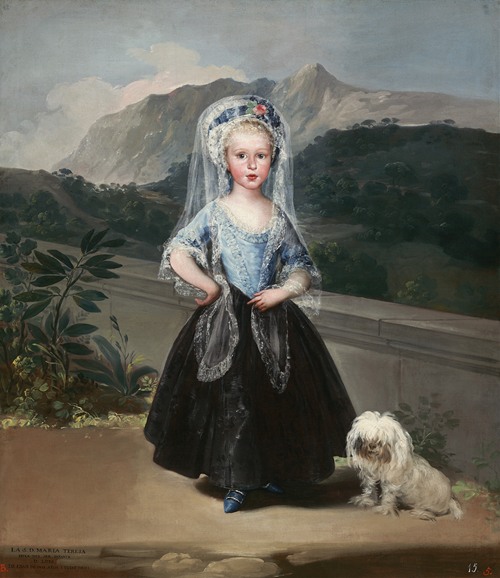
María Teresa de Borbón y Vallabriga,later Condesa de Chinchón
Francisco de Goya
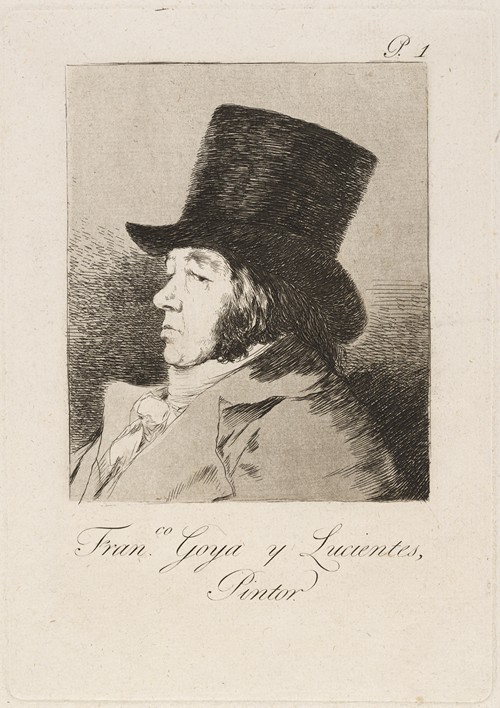
Francisco Goya y Lucientes, Pintor (Francisco Goya y Lucientes, painter)
Francisco de Goya
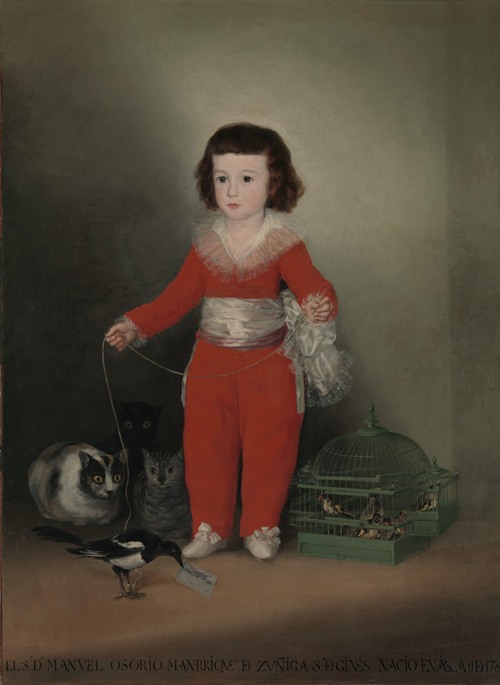
Manuel Osorio Manrique de Zuñiga (1784–1792)
Francisco de Goya
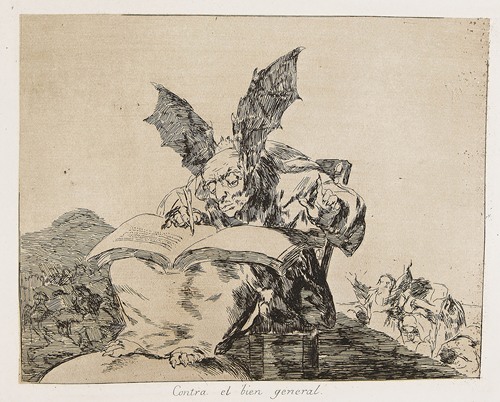
Los desastres de la guerra
Francisco de Goya
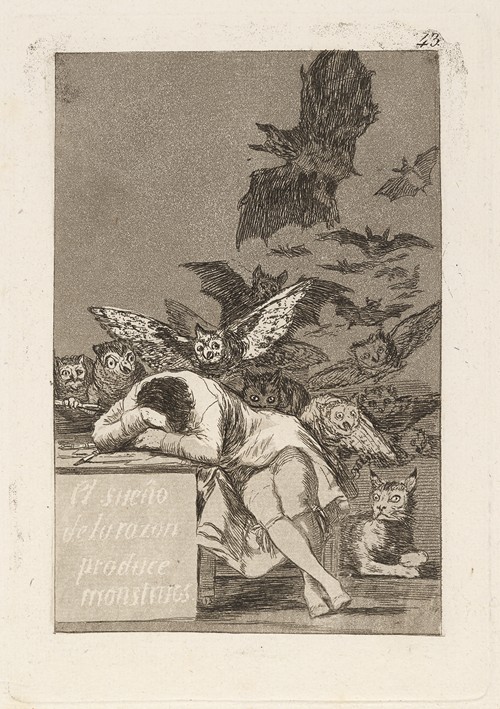
El sueño de la razon produce monstruos. (The sleep of reason produces monsters.)
Francisco de Goya
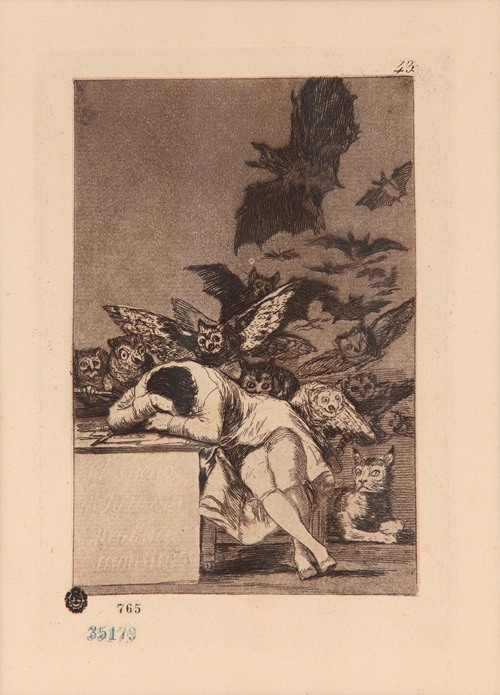
El sueño de la razon produce moustruos (Serie Caprichos)
Francisco de Goya
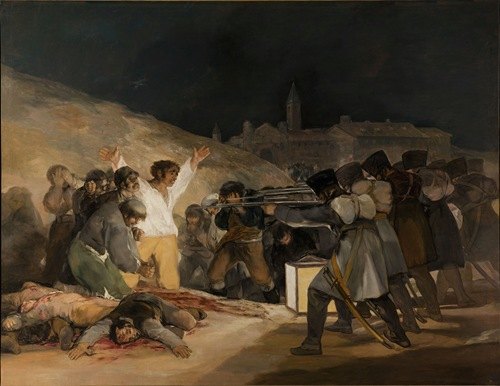
The Third of May
Francisco de Goya
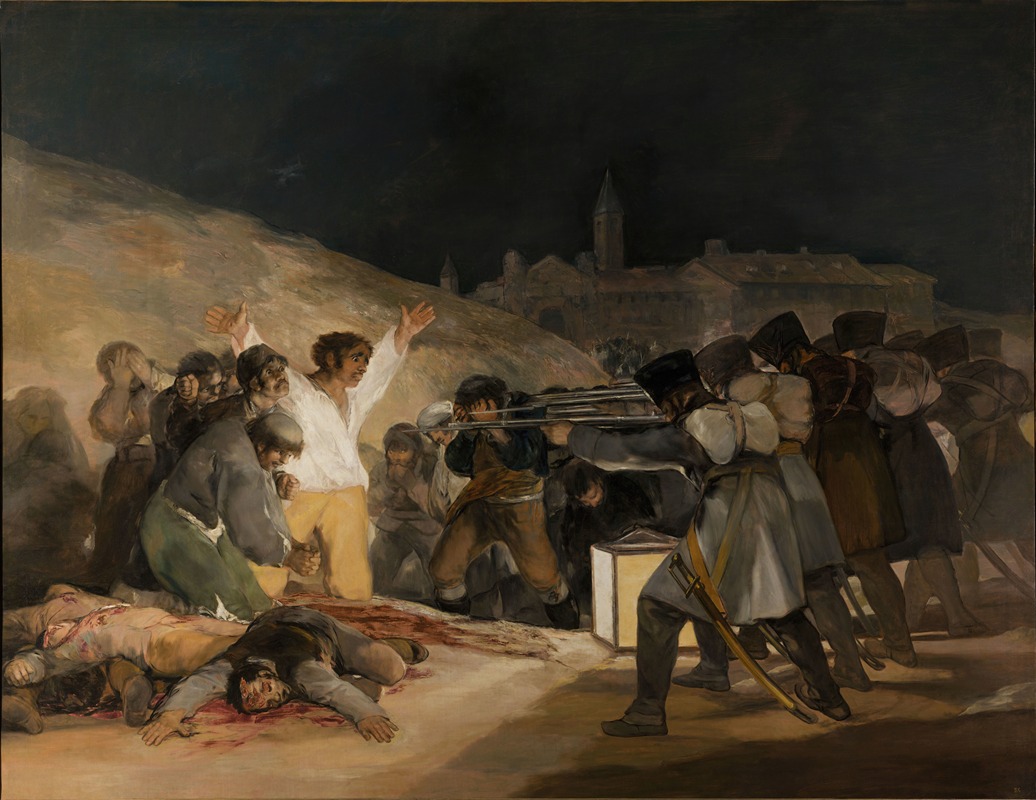
The Third of May 1808
Francisco de Goya
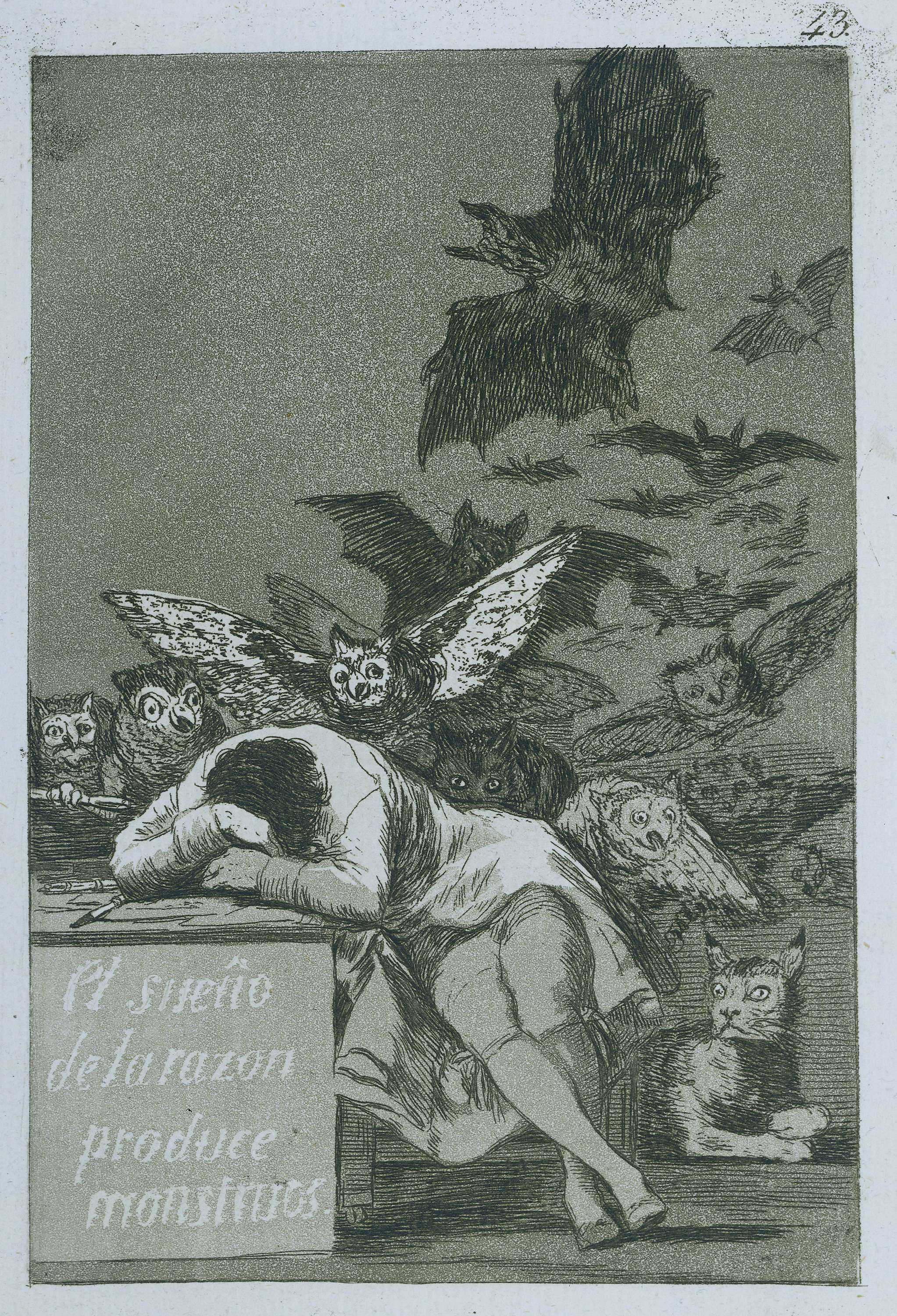
De slaap van de rede brengt monsters voort
Francisco de Goya
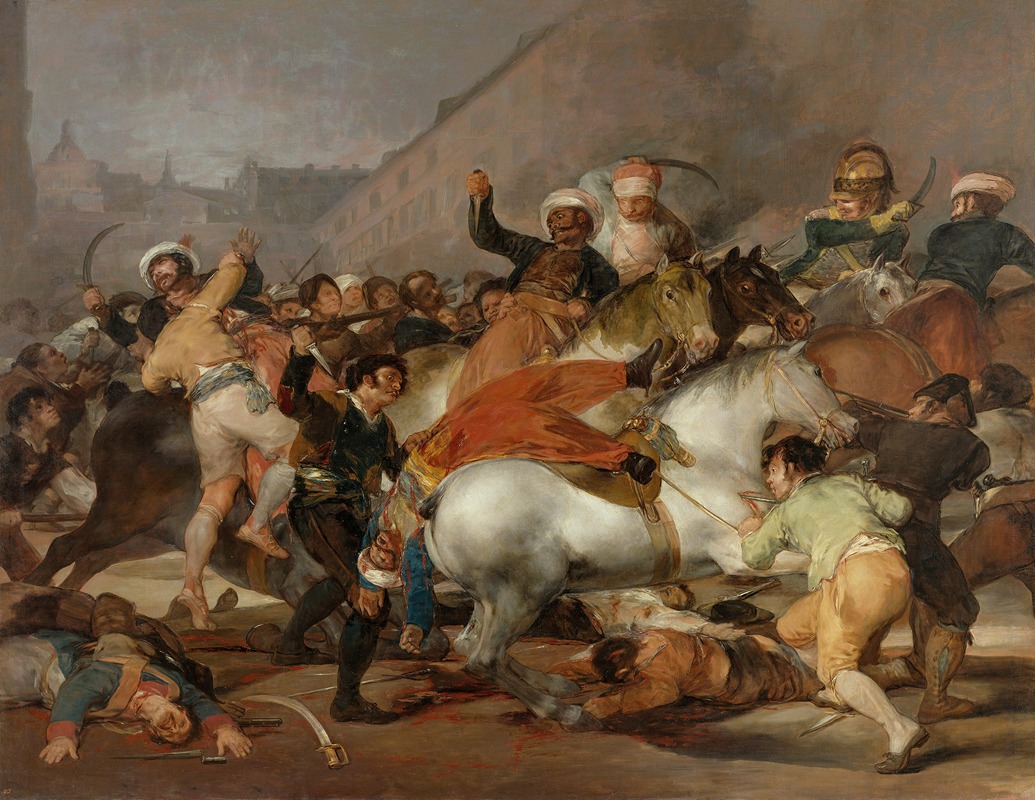
The Charge of the Mamelukes (1814)
Francisco de Goya