
Seated Harlequin — History & Facts
In Seated Harlequin, the viewer is greeted by a vibrant composition filled with bold colors. The harlequin figure, characterized by its distinctive costume, is seated in a relaxed posture. The background features geometric shapes and contrasting hues that enhance the overall dynamism of the piece.
This work exemplifies the cubist style, breaking down forms into abstracted planes and angles. The painting is executed in oil on canvas, showcasing Gris's signature cubist technique. The use of color is both striking and harmonious, with a palette that includes deep blues, rich reds, and bright yellows. The dimensions of the artwork are approximately 65 x 81 cm, making it a medium-sized piece.
Viewers can appreciate the meticulous detail in the harlequin's costume, which is rendered with a series of interlocking shapes. Juan Gris, a prominent figure in the Cubism movement, created Seated Harlequin during the early 1910s. This work reflects his unique approach to cubism, blending traditional subject matter with innovative forms. An interesting fact about this painting is that it captures the essence of the harlequin character, often associated with the themes of performance and identity.
Gris's work continues to influence modern art, showcasing the enduring legacy of cubism.
More Artworks by Juan Gris
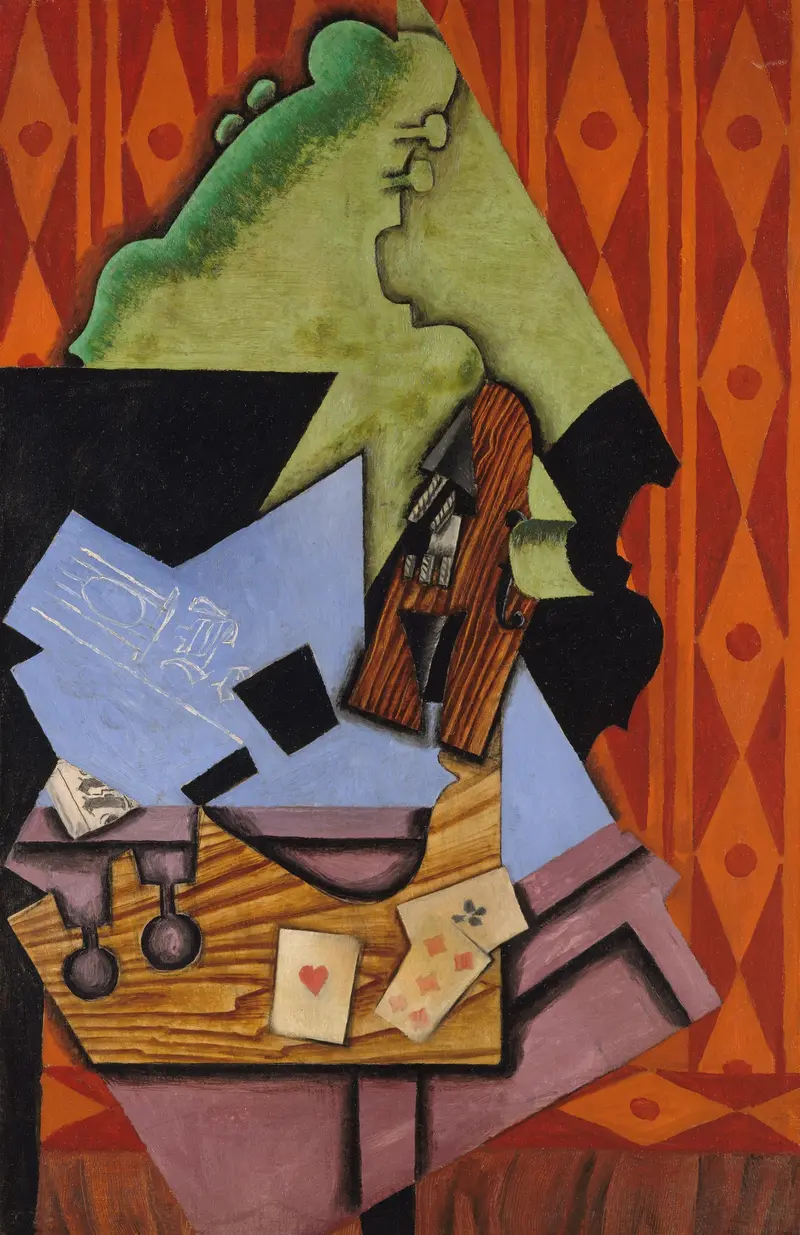
Violin and Playing Cards on a Table
Juan Gris

Portrait of Picasso
Juan Gris
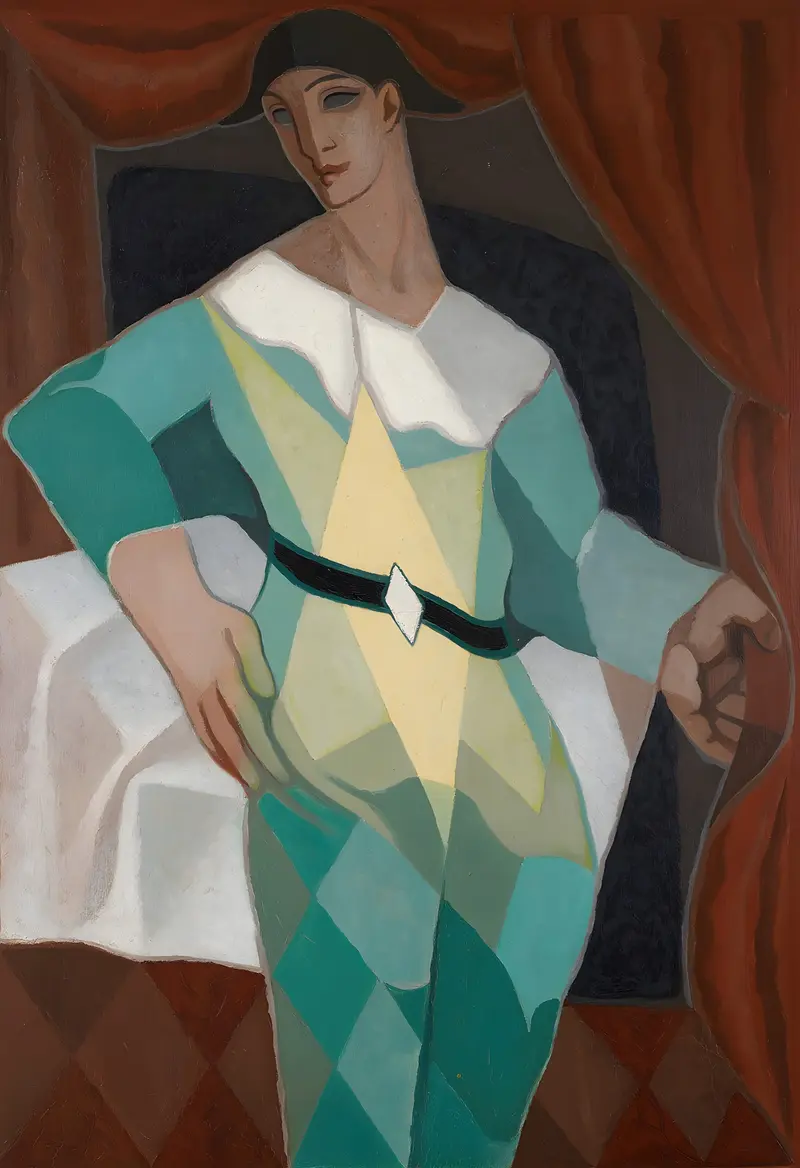
Arlequin
Juan Gris

A Guitar, Glasses and a Bottle
Juan Gris
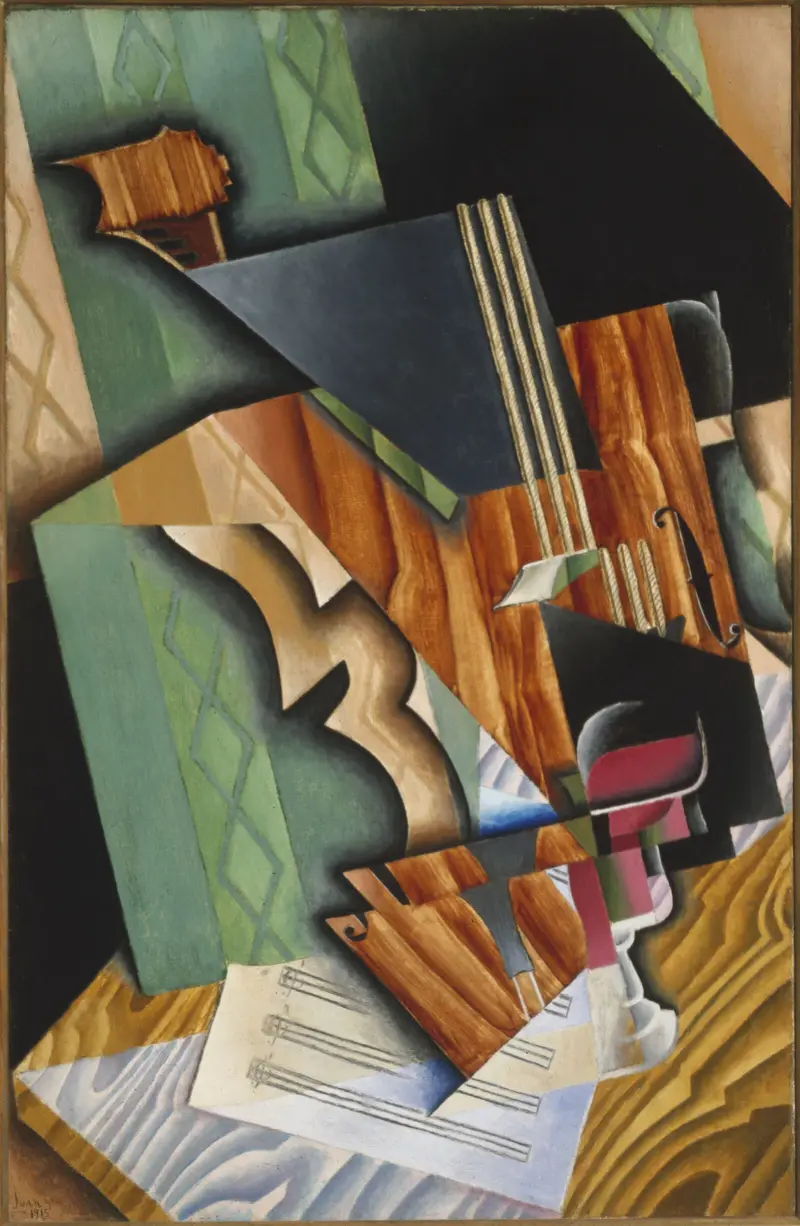
Violin and Glass
Juan Gris

Bottle and fruit bowl
Juan Gris
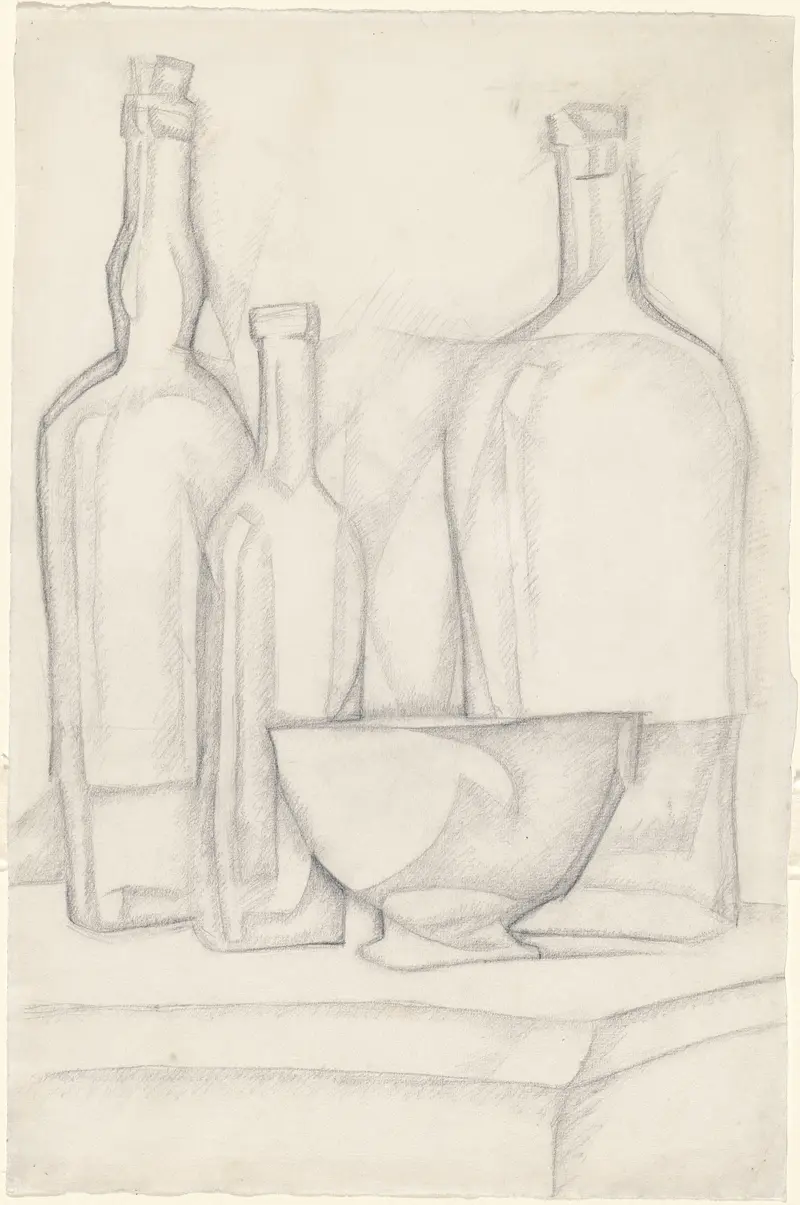
Bottles and Bowl
Juan Gris
Journal et compotier
Juan Gris
As a wife has a cow Pl.2
Juan Gris
Bottle of Rum and Newspaper
Juan Gris





