
Sejm w Gasawie — History & Facts
A single violent episode in Polish history—an assassination that shook the very core of the nation—lies at the heart of Sejm w Gasawie by Jan Matejko. In November 1227, during a meeting of Poland’s most powerful dukes at the village of Gąsawa, Duke Leszek the White was murdered, a deed that shattered hopes for reunification after decades of feudal fragmentation. The event was so notorious that chroniclers of the time called it "a crime against the realm," and its consequences echoed through centuries of Polish politics.
Matejko’s painting, completed in 1866, was one of the first major attempts to visualize this pivotal moment for a modern audience. Matejko captures the instant after the attack: Leszek, mortally wounded, collapses among a throng of nobles and knights, their faces a mix of shock, panic, and calculation. The painter’s eye lingers on the chaos—cloaks flung aside, swords half-drawn, a horse rearing at the edge of the crowd—while the dying duke’s white garments mark him as the tragic center. The glint of chainmail and the tangle of banners evoke both the pageantry and the peril of medieval politics.
Unlike the more static, ceremonial treatments of royal councils by earlier artists, such as Juliusz Kossak, Matejko’s scene is charged with movement and dread, forcing the viewer to confront the fragility of order. The painting’s early history is not fully documented, but it is known that Sejm w Gasawie was completed during a period when Matejko was establishing his reputation as Poland’s leading historical painter. There is no record of a specific patron; rather, the work reflects the artist's personal mission to recover and dramatize the lost moments of Polish history for a nation under partition. Today, the painting is held in a Polish museum collection, where it stands as a testament to Matejko’s ability to turn history into urgent, living drama.
The medium remains uncertain, but the work’s impact on later Polish history painting is undisputed.
More Artworks by Jan Matejko
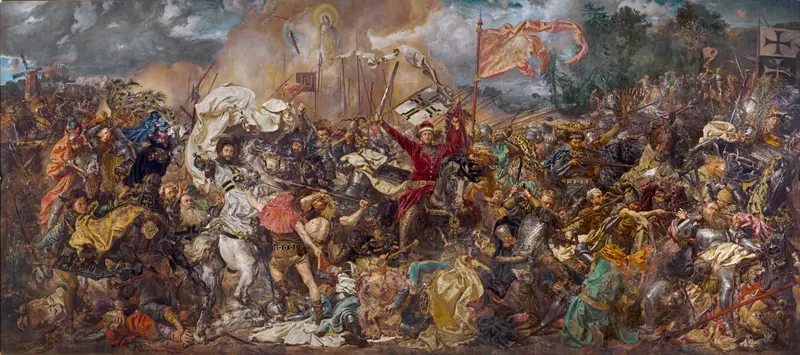
Battle of Grunwald
Jan Matejko

Stańczyk
Jan Matejko

Battle of Raclawice
Jan Matejko
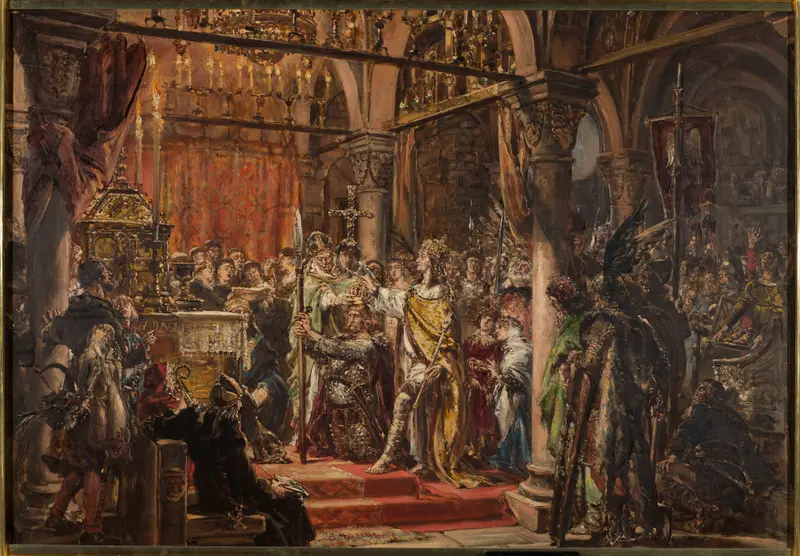
Coronation of the First King, 1001 AD, from the series “History of Civilization in Poland”
Jan Matejko
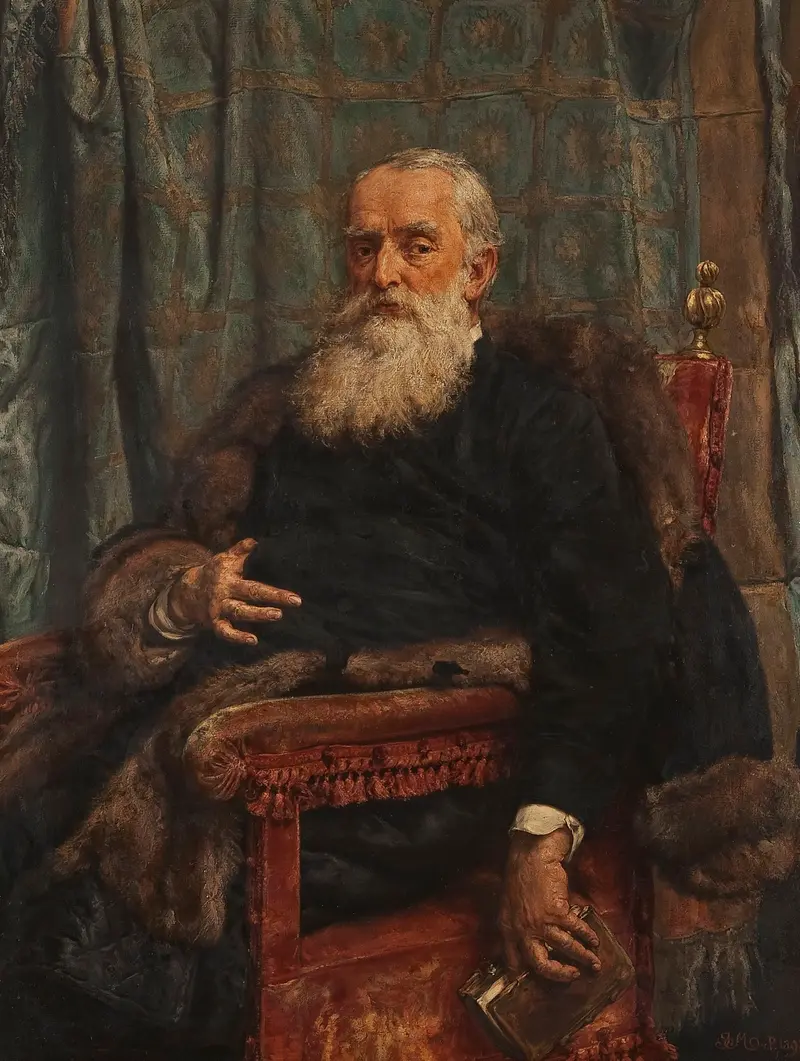
Portrait of Henryk Krajewski
Jan Matejko
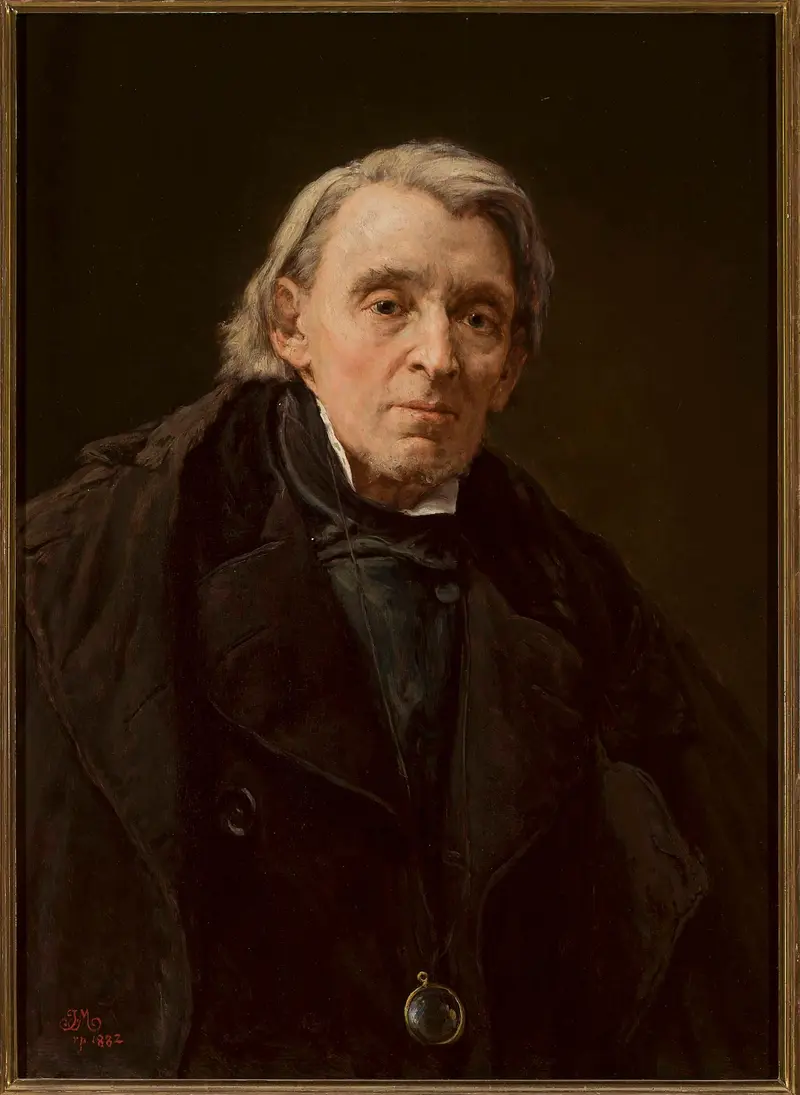
Portrait of Karol Podlewski
Jan Matejko
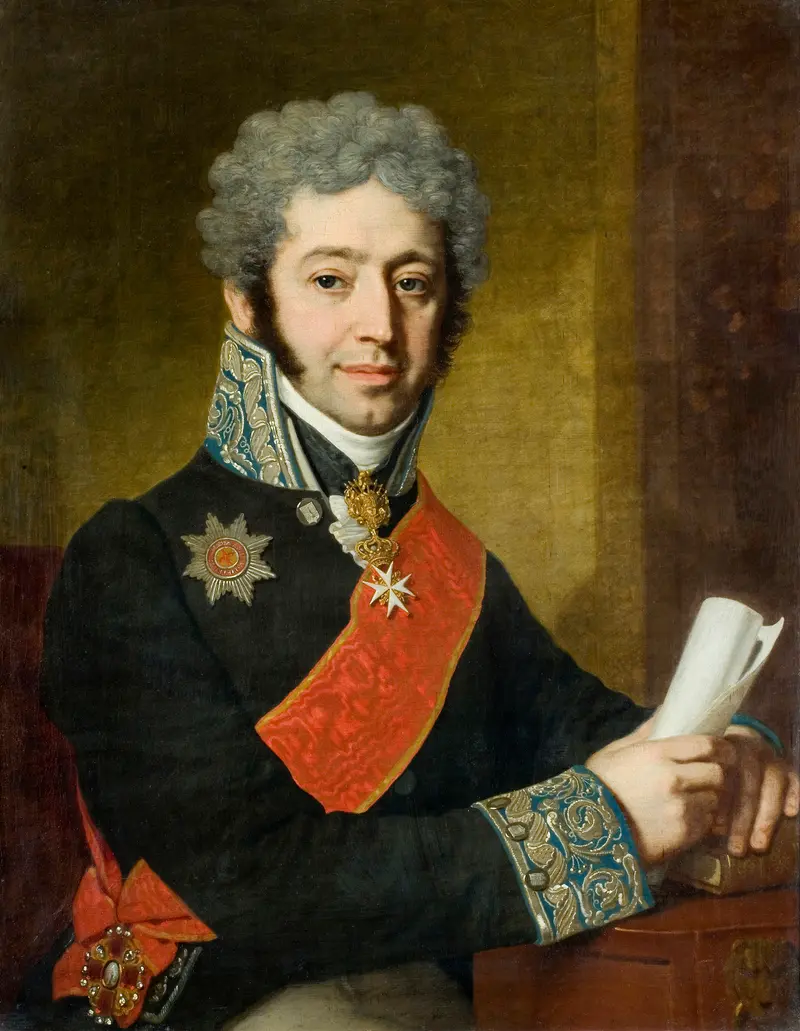
Portrait of Potocki and Poninski
Jan Matejko
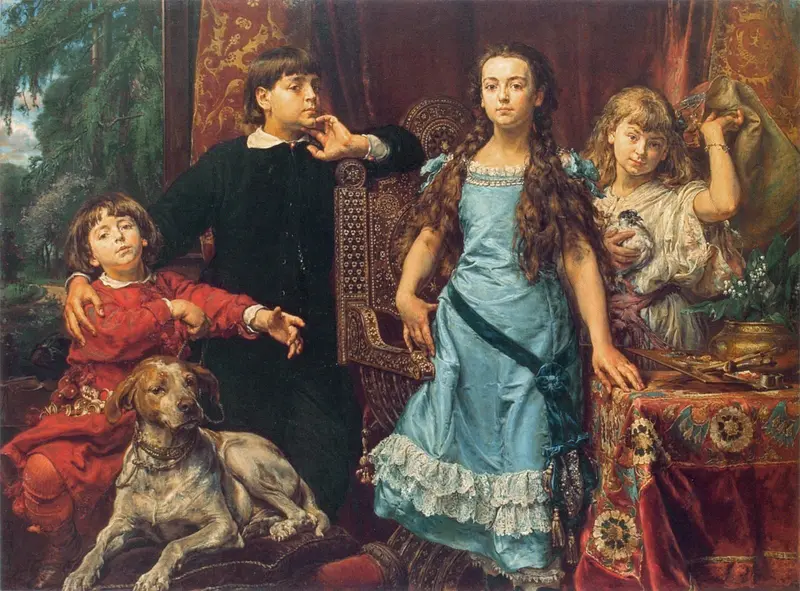
Portrait of the artist's four children
Jan Matejko
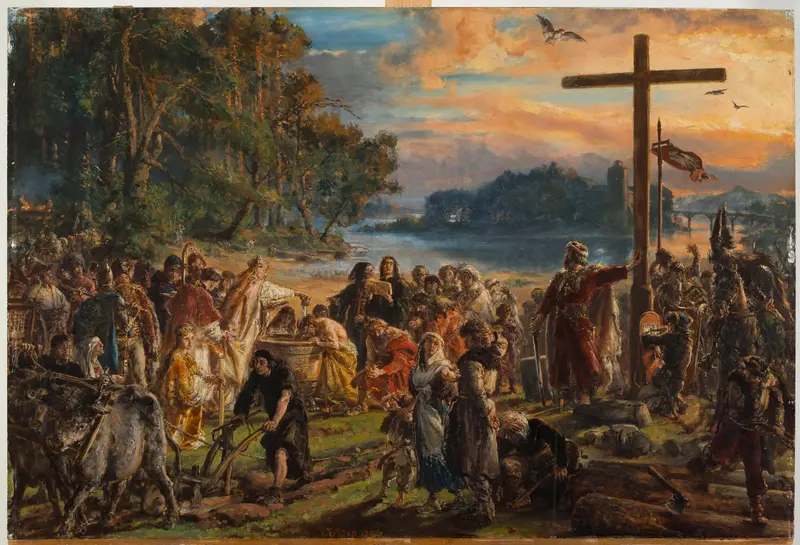
Introduction of Christianity in Poland
Jan Matejko
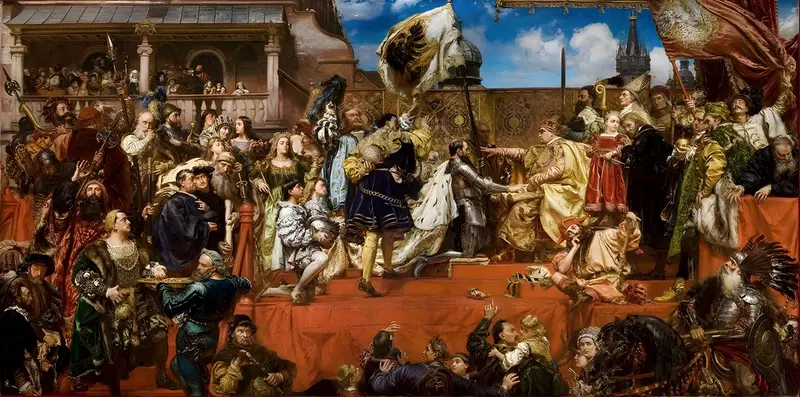
Prussian Homage
Jan Matejko





