
Sekishozan (Shizhongshan) — History & Facts
What if beauty was never meant to be finished? In the gentle strokes of a master, there lies a longing for an eternal embrace of nature’s transience. Look to the left at the soft hues of blue and green that dance across the canvas, evoking the tranquil presence of Shizhongshan. Notice how the light, filtered through layers of clouds, lends a dreamlike quality to the mountains, their peaks bathed in a wash of warm sunlight. The delicate lines capture the contours of the landscape, inviting the viewer to explore the serene depth and texture that Hiroshi so skillfully layered, creating a moment suspended in time. As you absorb the enchanting vista, consider the emotional tension between the stillness of the scene and the impermanence it suggests.
The juxtaposition of rich colors against the subtle gradations of white speaks to a longing for connection, whether with nature or with the fleeting moments of beauty that life offers. The solitary mountain, both imposing and inviting, beckons the viewer, reminding us that every glance is a whisper of what once was and what could never be fully grasped. In 1940, Yoshida Hiroshi painted Sekishozan during a time of increasing turmoil both in Japan and around the world. As artists sought to capture the essence of their environment amidst political unrest, this piece emerges as a reflection of Hiroshi’s deep connection to traditional landscapes.
The work exemplifies his mastery of color woodblock printmaking, a technique he had honed while also developing a modern approach to Japanese art that embraced both nostalgia and innovation.
More Artworks by Yoshida Hiroshi
Browse all →
Crytomeria Avenue (Sugi Namiki)
Yoshida Hiroshi
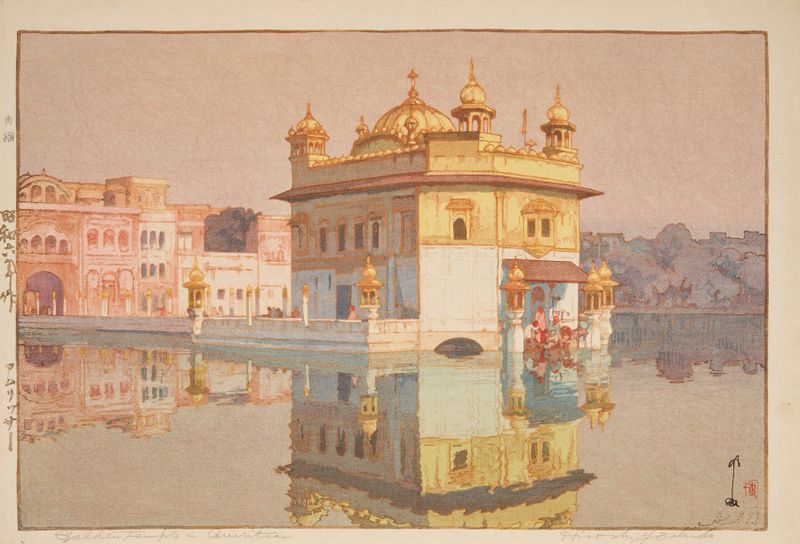
Amurissaa (Golden Temple in Amritsar)
Yoshida Hiroshi

High Gate in Ajmer (Ajumeru no Berenderuwajaa)
Yoshida Hiroshi

Fujiyama from Gotemba
Yoshida Hiroshi
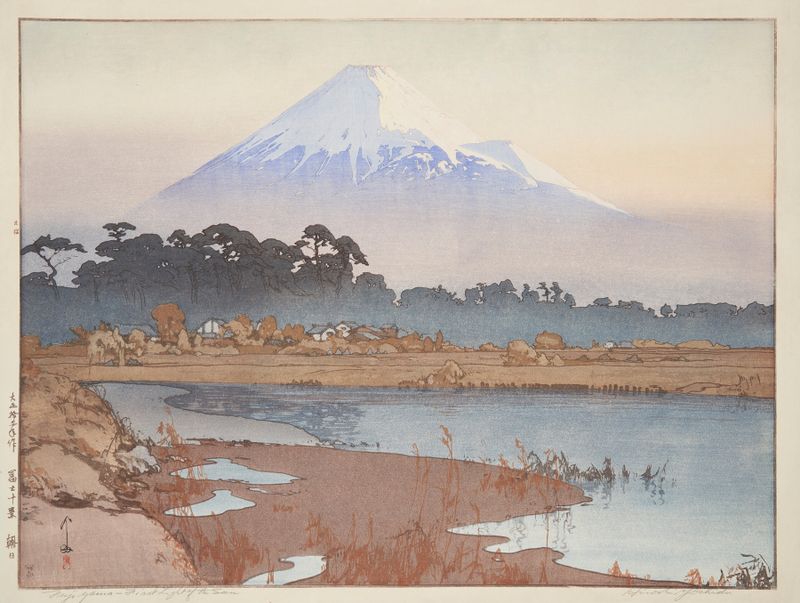
Asahi (Sunrise).
Yoshida Hiroshi
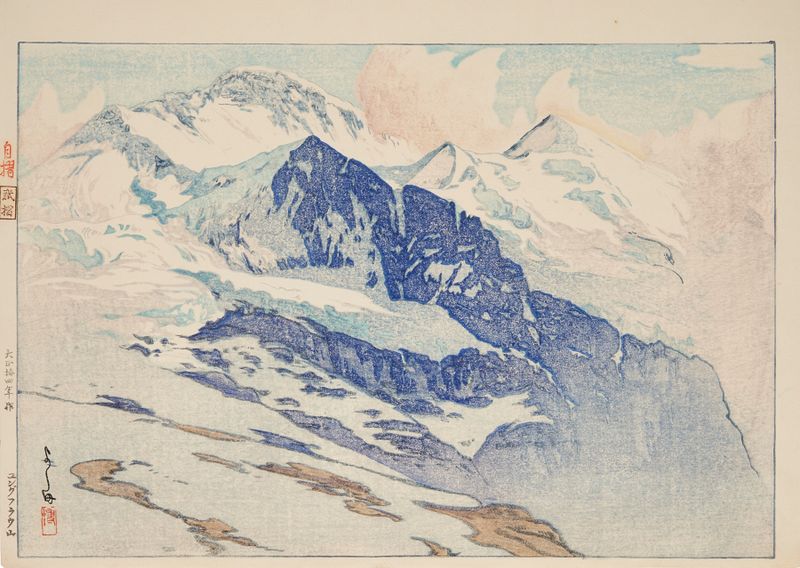
Yungufurau-yama (Jungfrau)
Yoshida Hiroshi
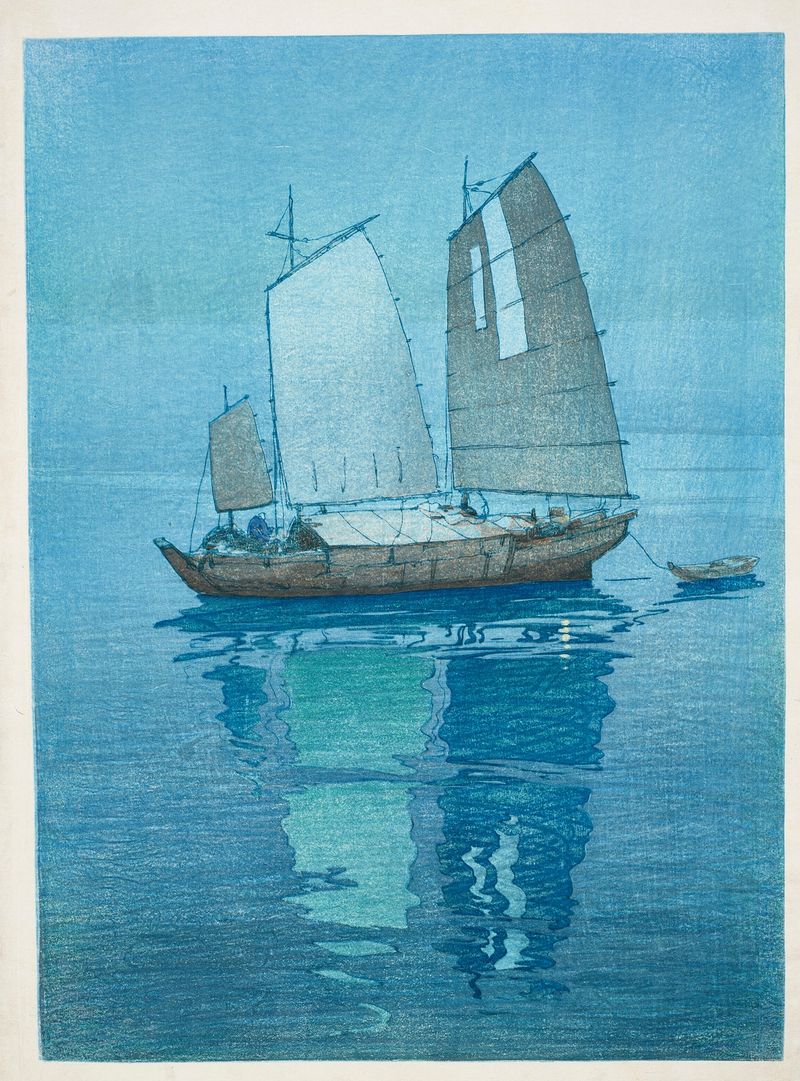
Hansen (Sailing Boats)
Yoshida Hiroshi
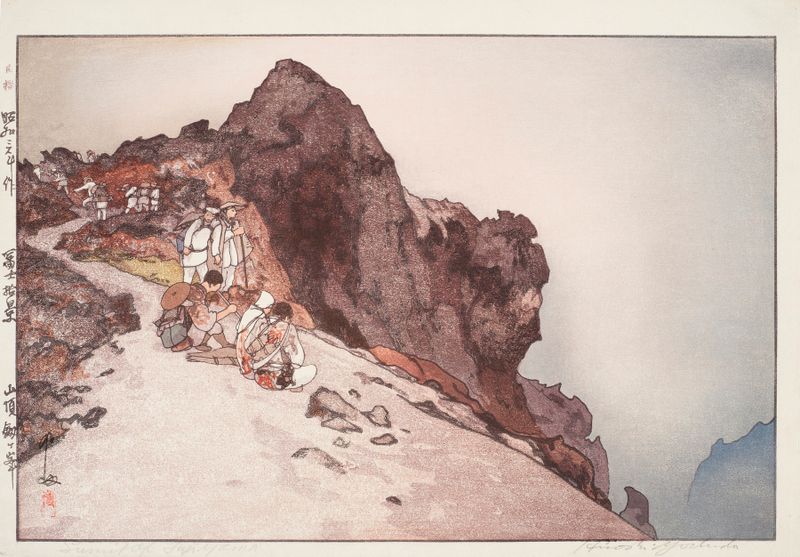
Summit of Mount Fuji
Yoshida Hiroshi

Sailing Boats — Night, from the series ‘The Seto Inland Sea’
Yoshida Hiroshi
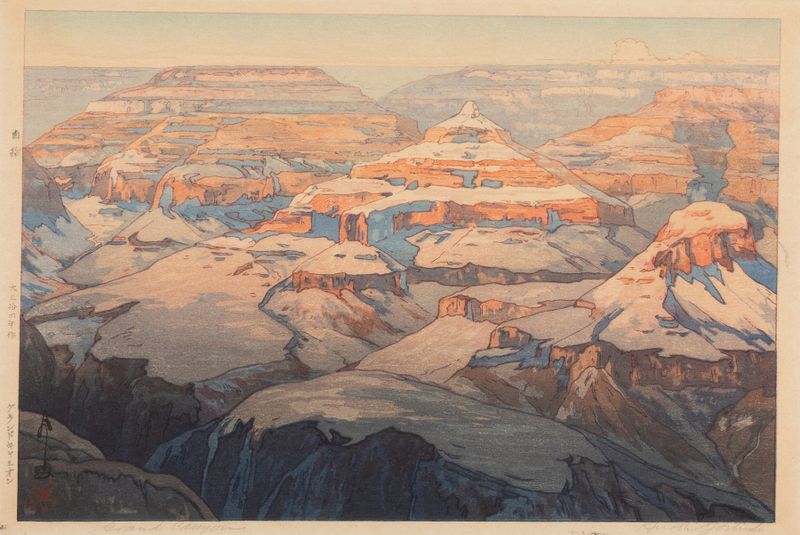
Grand Canyon (Gurando Kyanion)
Yoshida Hiroshi





