
Selbstporträt — History & Facts
A single shaft of light falls across the face of the man at the center, catching the glint in his eyes and the reddish undertones of his beard. He stands rooted, one hand hidden in his coat, the other arm resting in a pose that suggests both self-possession and guardedness. The background is a theater of shadows and half-seen figures, their presence hinted at rather than declared, while the luminous windows arching above them evoke a grand, almost ceremonial space.
On the table beside him, the tools of his trade—brushes, papers, perhaps a palette—signal the world of creation, but it is the direct, searching gaze of the subject that commands the viewer’s attention. The palette is somber, the reds and browns lending gravity to the scene, while the careful play of light and darkness draws the eye relentlessly back to the face, inviting speculation about the thoughts behind that steady look. Painted in 1885, this self-portrait belongs to a period when artists across Europe were negotiating the tension between tradition and the rapidly changing world around them. In the late nineteenth century, self-portraiture often served as a declaration of status and identity, a way for artists to stake a claim in the shifting hierarchy of art and society.
While history has kept few traces of this particular canvas’s journey—its collection and provenance remain unknown—it stands as a testament to the ambitions of its era: the artist as both observer and participant, caught between the grandeur of public life and the solitude of the studio. Look again at the face in the light, and consider what it meant to be a painter at the threshold of modernity.
More Artworks by Anton von Werner

In the Troops' Quarters before Paris
Anton von Werner
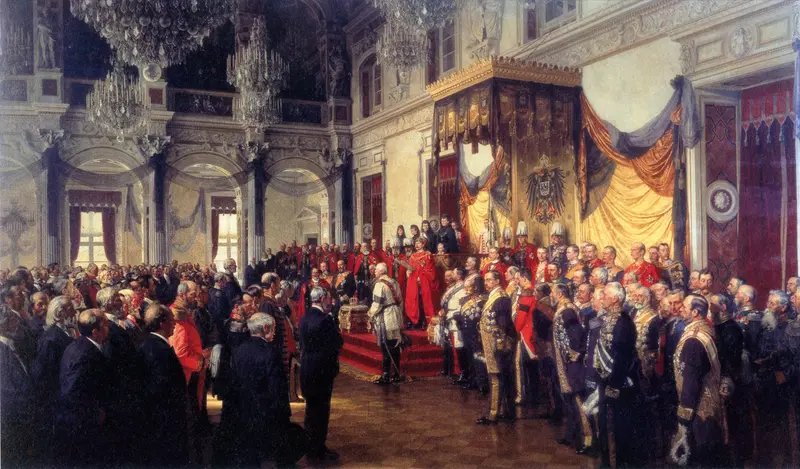
Opening of the Reichstag
Anton von Werner
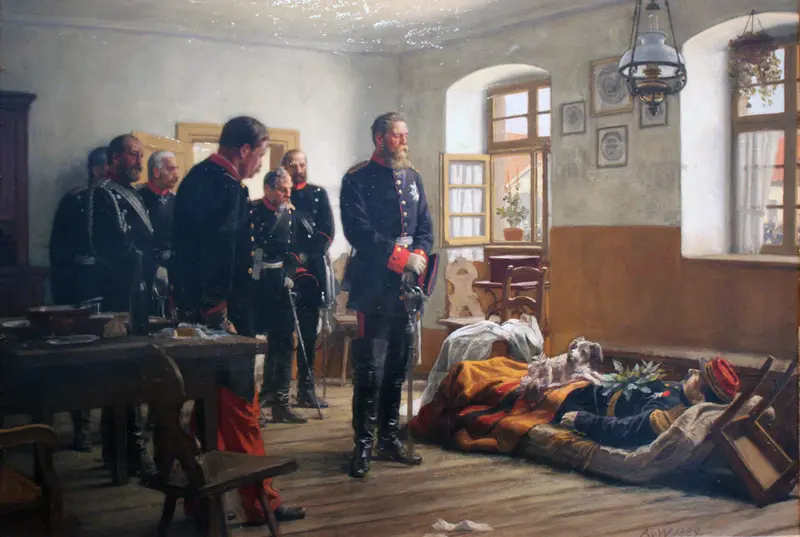
Crown Prince Friedrich Wilhelm on the body of General Abel Douay, Weissenburg on the 4th August
Anton von Werner
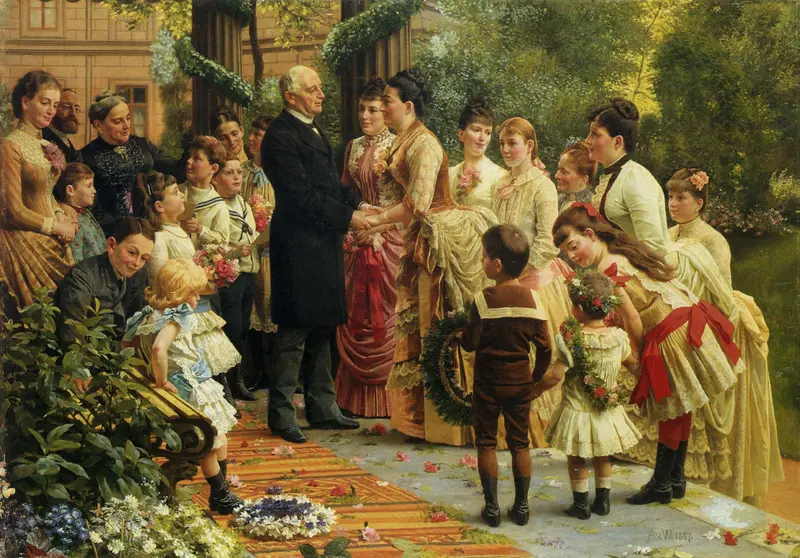
The 70th Birthday of Commercial Councilor Valentin Manheimer
Anton von Werner
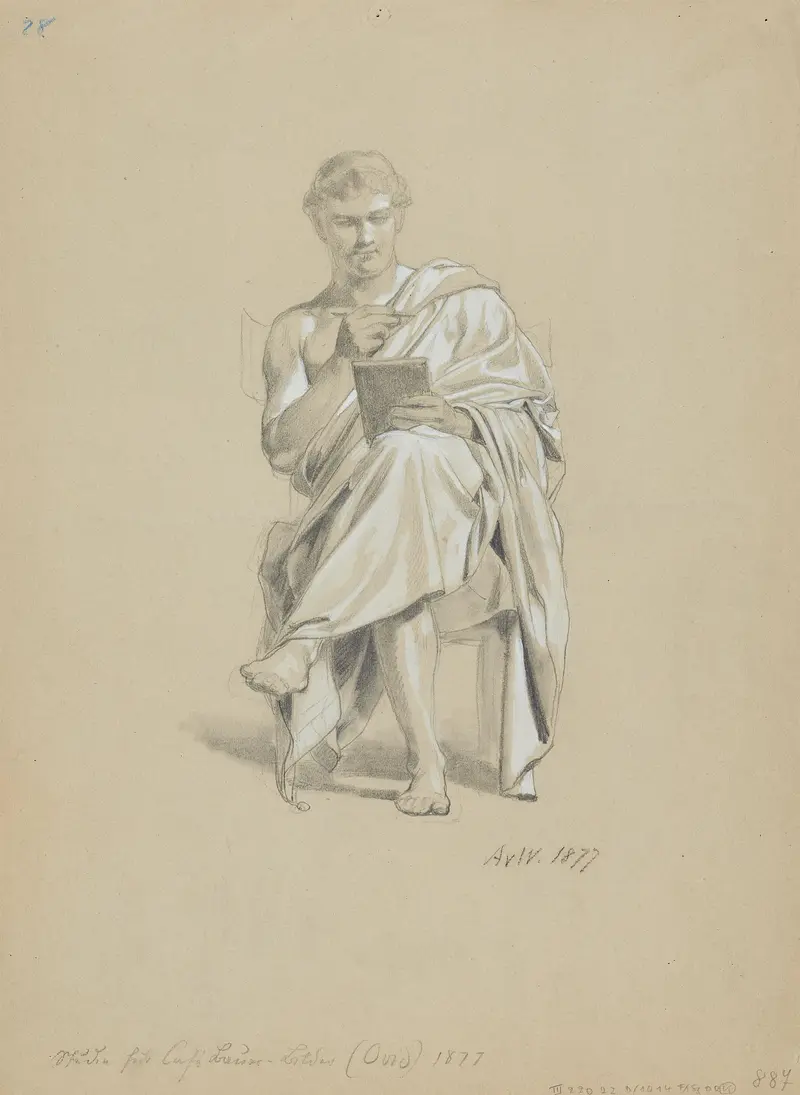
Ovid
Anton von Werner
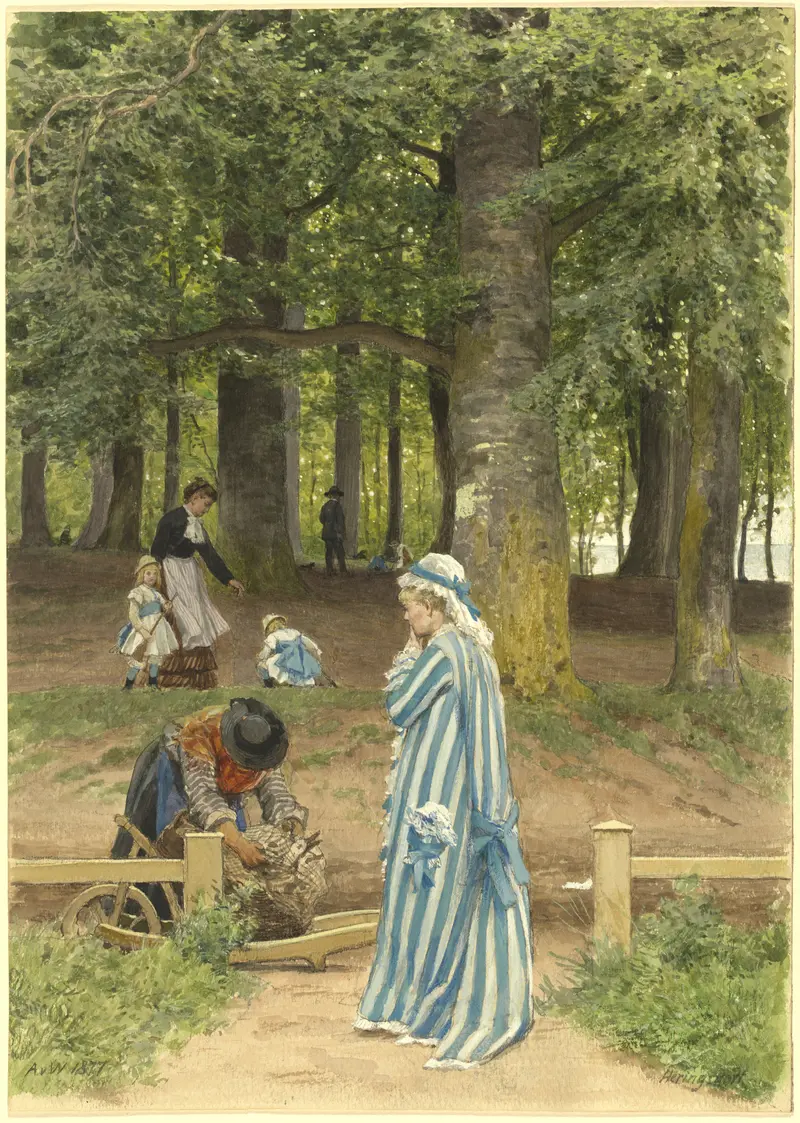
The Artist's Wife and Daughters in a Park at Heringsdorf
Anton von Werner
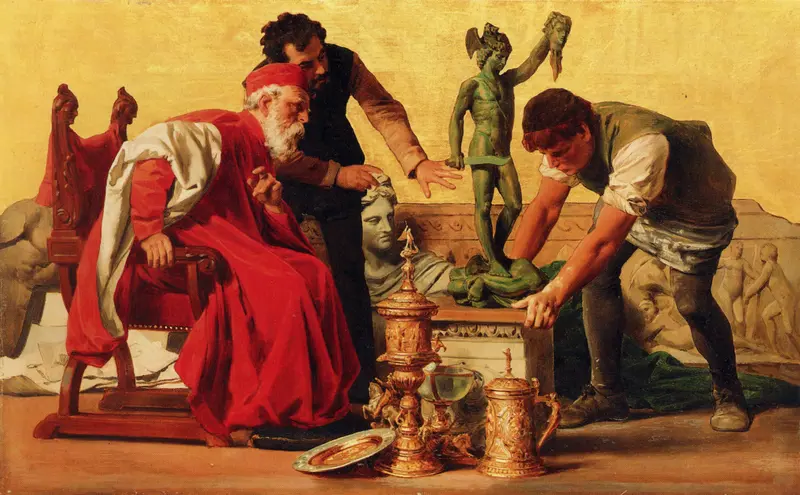
Anton von Werner Ars
Anton von Werner
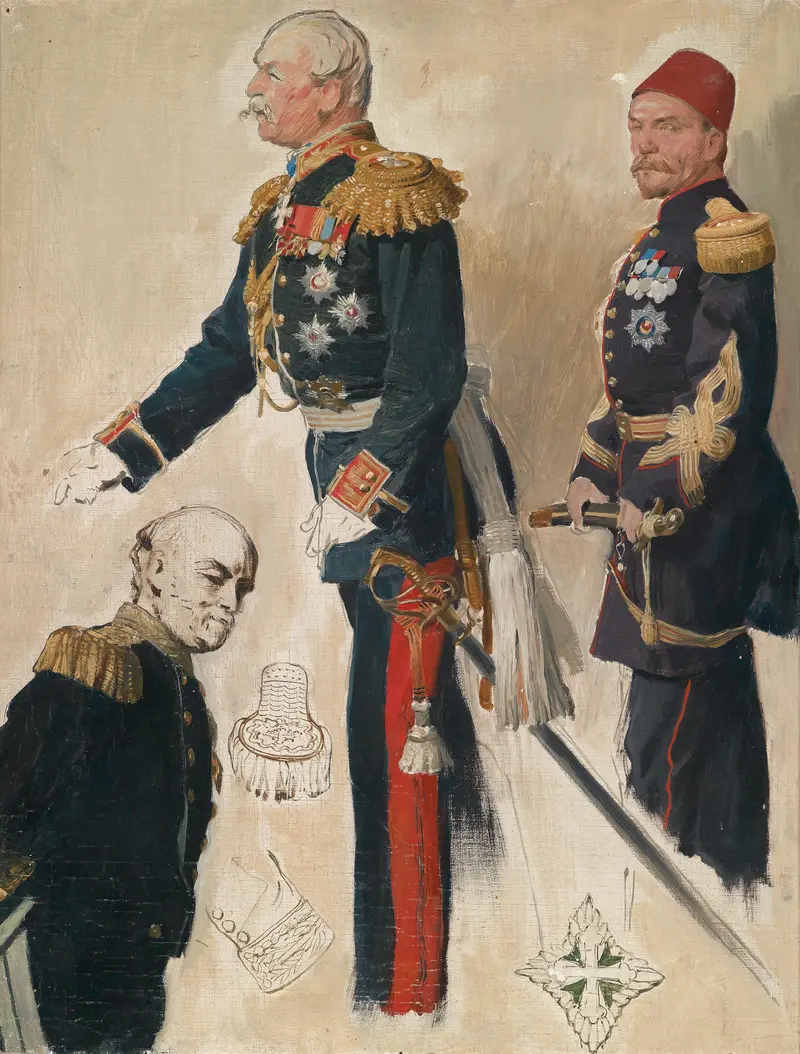
Berliner Kongress Ölskizze
Anton von Werner

LeopoldWerner
Anton von Werner
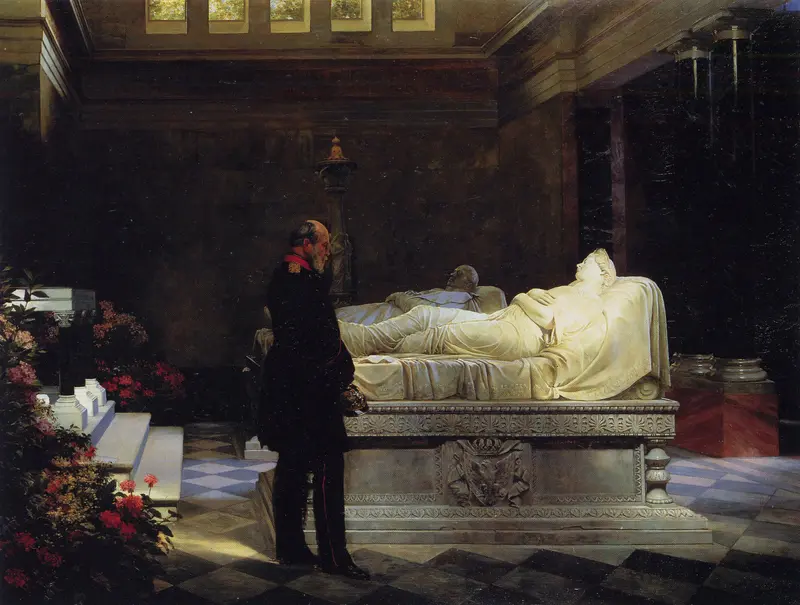
Anton von Werner: Am 19. Juli 1870 (König Wilhelm am Sakrophag seiner Mutter, der Königin Luise, im Mausoleum zu Charlottenburg)
Anton von Werner





