
Self-Portrait — History & Facts
In the realm of self-portraits, palpable emotions often intertwine with the artist's inner turmoil, revealing the layers of human experience. This captivating reflection, while a seemingly simple representation, stirs questions about identity and the masks we wear. Focus on the gentle warmth of Renoir's palette, where soft hues of skin and a delicate touch of light converge. Notice how his expressive brushstrokes create a sense of intimacy, drawing the viewer into his world.
The slight tilt of his head and the direct gaze establish an immediate connection—one that invites scrutiny while simultaneously guarding his deeper feelings. The textured background recedes, allowing the figure to emerge with an almost palpable presence. Yet, within this seemingly confident portrayal, there lies an undercurrent of tension. The artist’s smile, while charming, may conceal a sense of betrayal—an internal discord between self-acceptance and vulnerability.
The interplay of light and shadow becomes a metaphor for this dichotomy, suggesting that behind the vibrant exterior, a darker truth looms, subtly inviting reflection on authenticity versus appearance. In 1876, Renoir painted this self-portrait during a time when he was navigating the complexities of both personal and professional life. Amidst the burgeoning Impressionist movement, he grappled with evolving artistic ideals and his place within them. The art world was shifting, and as he sought to establish his voice, this painting stands as a profound moment of introspection amidst that tumultuous creative landscape.
More Artworks by Pierre-Auguste Renoir
Browse all →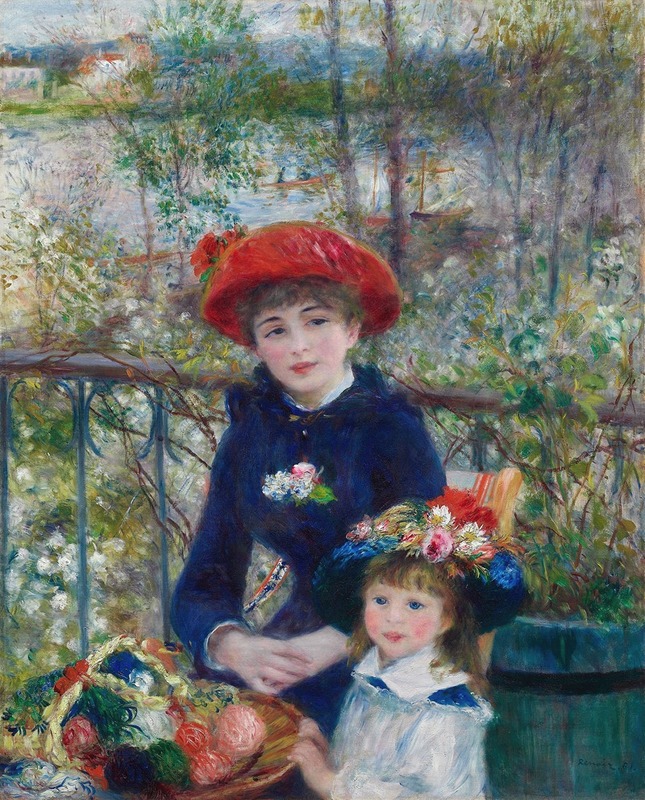
Two Sisters (On the Terrace)
Pierre-Auguste Renoir
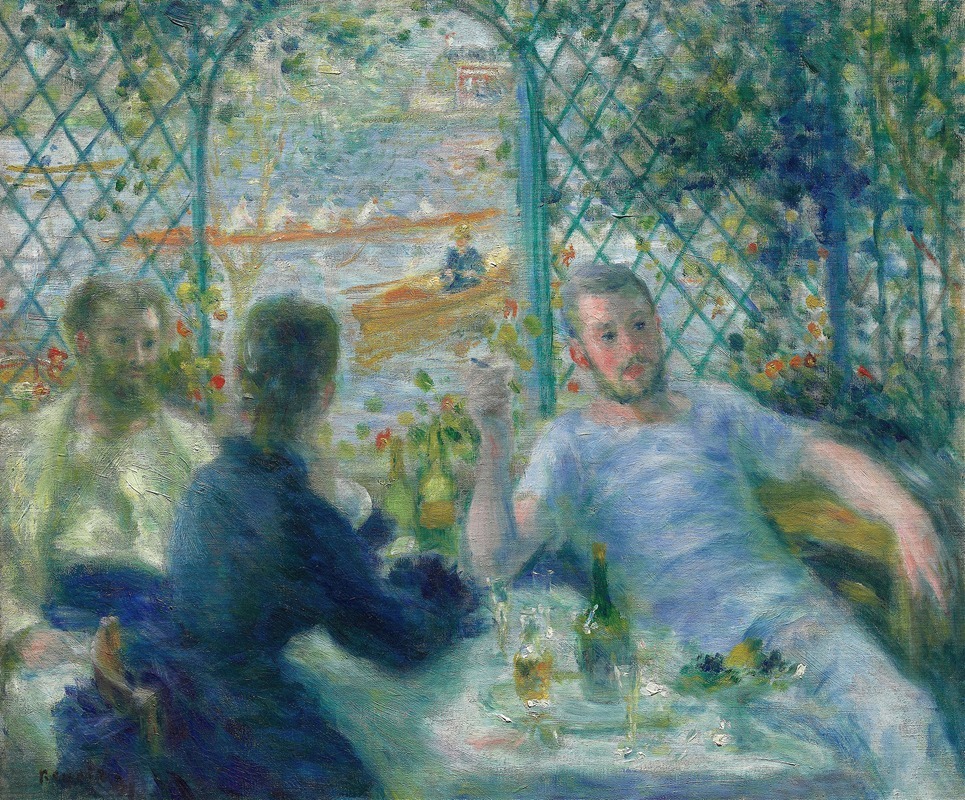
Lunch at the Restaurant Fournaise (The Rowers' Lunch)
Pierre-Auguste Renoir
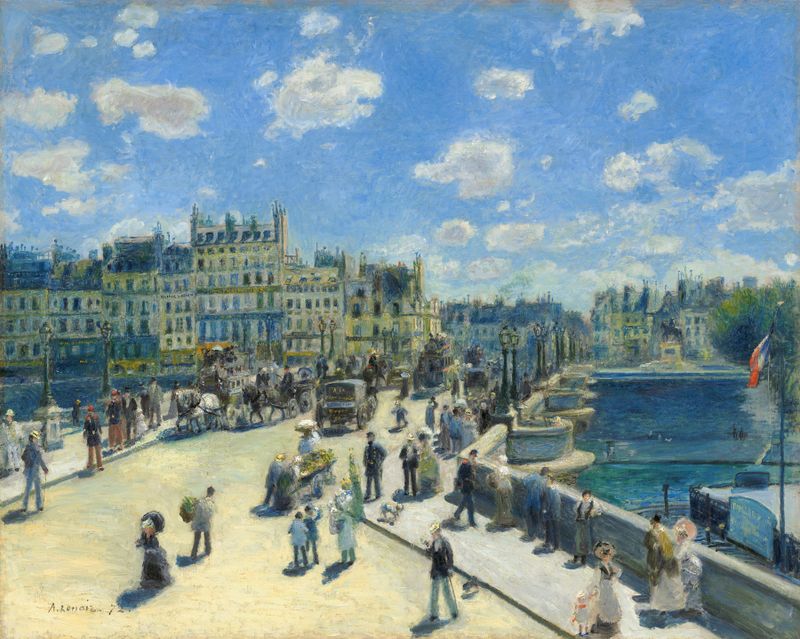
Pont Neuf, Paris
Pierre-Auguste Renoir
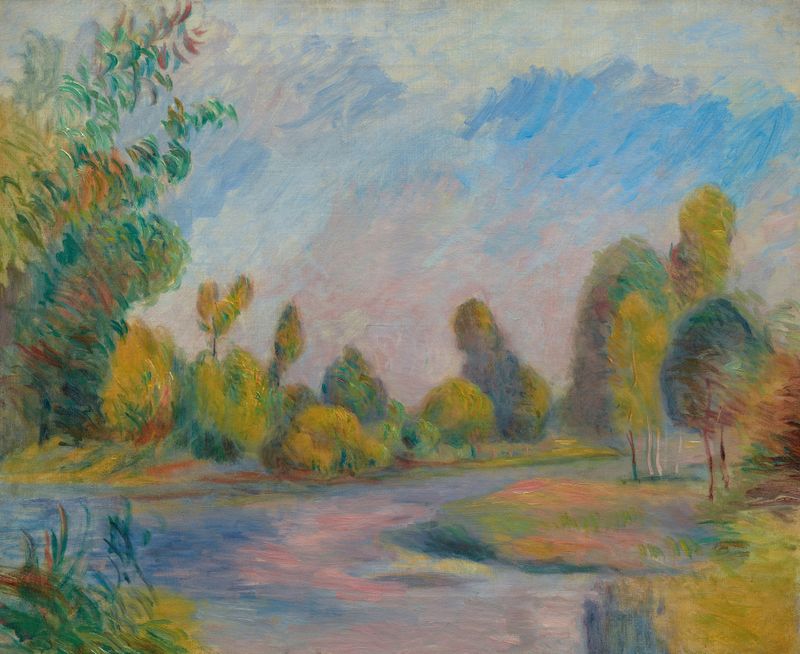
Au bord de la rivière
Pierre-Auguste Renoir

Near the Lake
Pierre-Auguste Renoir
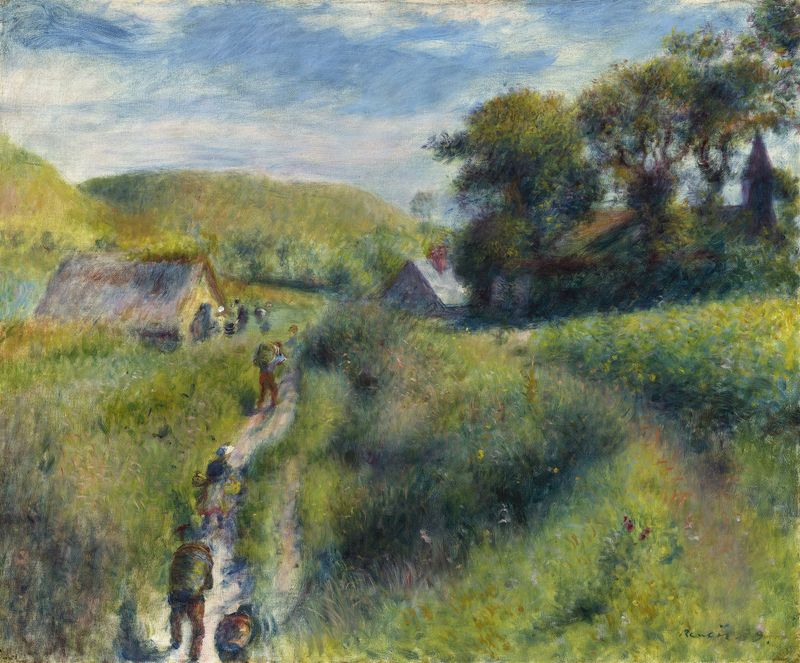
The Mussel Harvest
Pierre-Auguste Renoir

The Seine at Chatou
Pierre-Auguste Renoir
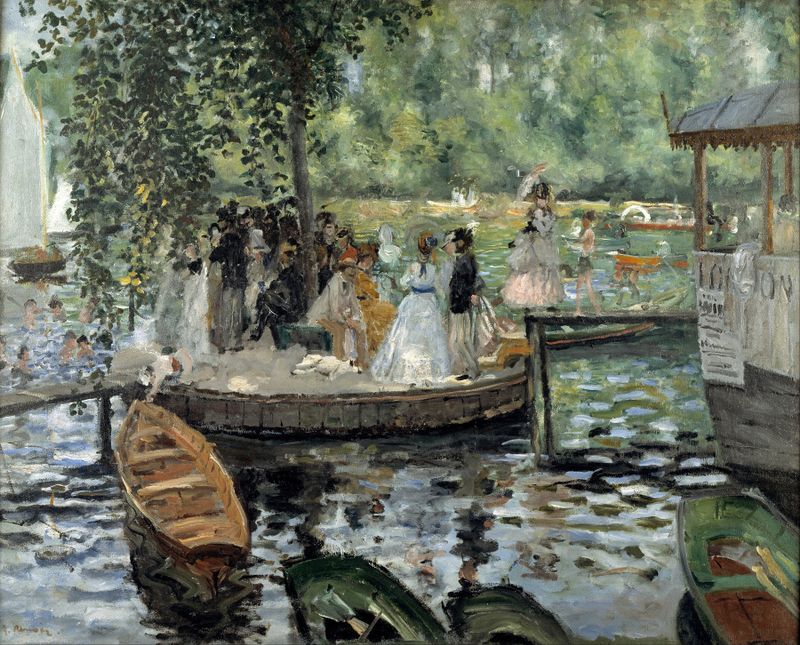
La Grenouillère
Pierre-Auguste Renoir
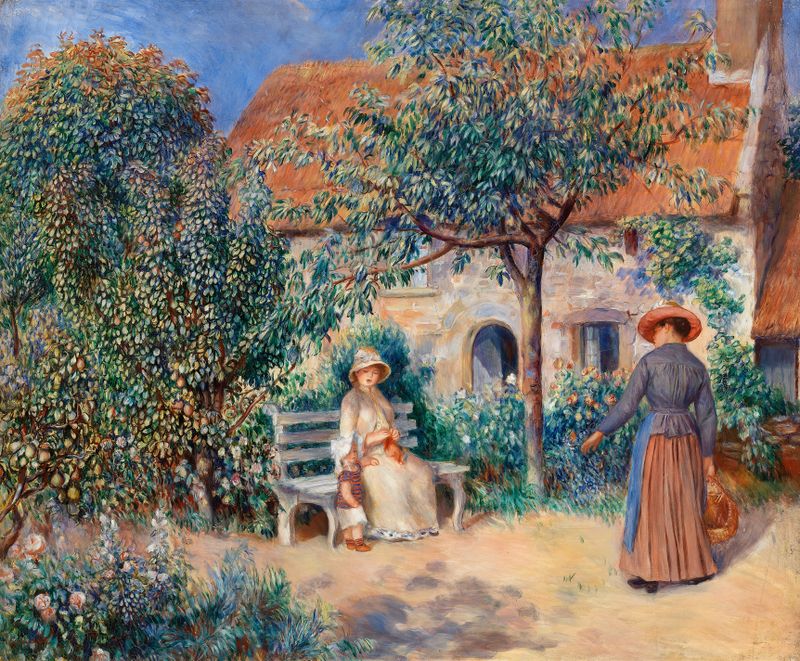
In Brittany (En Bretagne)
Pierre-Auguste Renoir
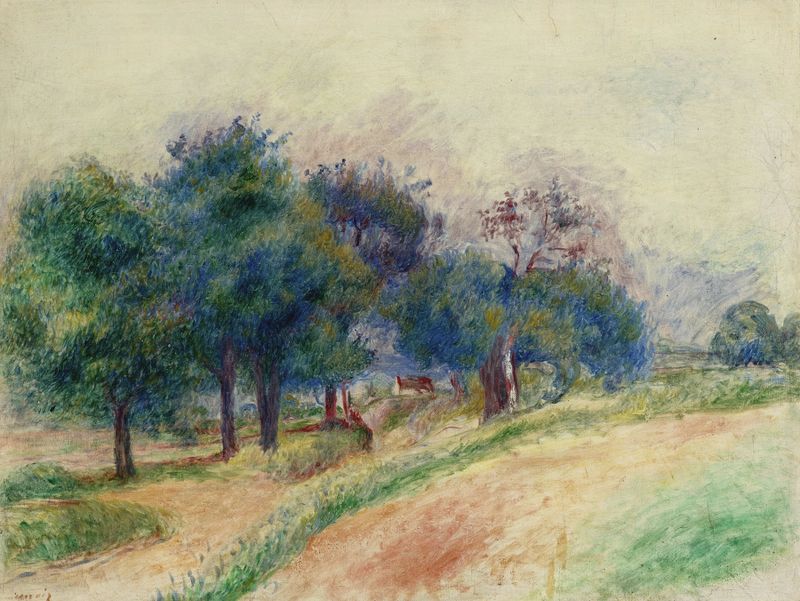
Paysage d’Essoyes
Pierre-Auguste Renoir
More Portrait Art
Browse all →
Las meninas
Diego Velázquez

Self-portrait with a Bandaged Ear and Pipe
Unidentified artist

Girl with a Pearl Earring
Johannes Vermeer

The Sampling Officials of the Amsterdam Drapers’ Guild, Known as ‘The Syndics’
Rembrandt van Rijn

The Hundred Guilder Print: the man seen on the back in the lower left corner
Rembrandt van Rijn

Portrait of Dr Gachet
Vincent van Gogh