
Self-portrait — History & Facts
What draws the eye first in Self-portrait by Alessandro Allori is the painter’s unwavering gaze, caught in a moment of poised concentration. The artist interrupts his own work to meet the viewer, brush poised above the palette, as if inviting us into the silent dialogue between creator and canvas. The light falls softly across his face and the folds of his blue garment, heightening the sense of immediacy and presence.
Every detail—the delicate grip on the brush, the subtle shadow under the cap—serves to anchor us in this private, reflective space, where the act of painting becomes an act of self-revelation. Painted around 1555, this self-portrait belongs to a period when artists in Florence and beyond were increasingly eager to assert their own identity and intellect. The Renaissance saw a flourishing of such images, often made to advertise skill, claim status, or simply to experiment with the possibilities of self-representation. While little is recorded about the specific circumstances of this work, its inclusion in the collection Self Portrait: Renaissance to Contemporary reminds us that these images were both personal statements and public declarations.
Allori’s calm, direct presence sends us back to the painting itself, asking us to look again—not just at the artist, but at the world he saw reflected in himself.
More Artworks by Alessandro Allori

Francesco de' Medici
Alessandro Allori
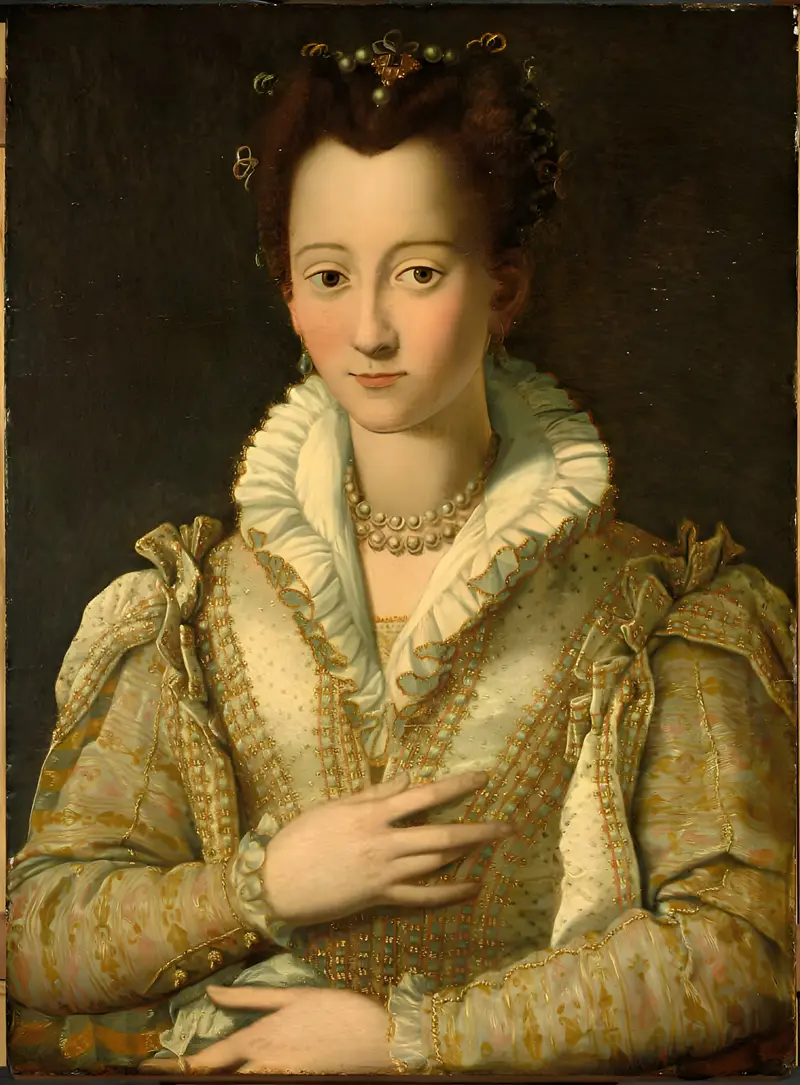
Portrait of a Woman
Alessandro Allori
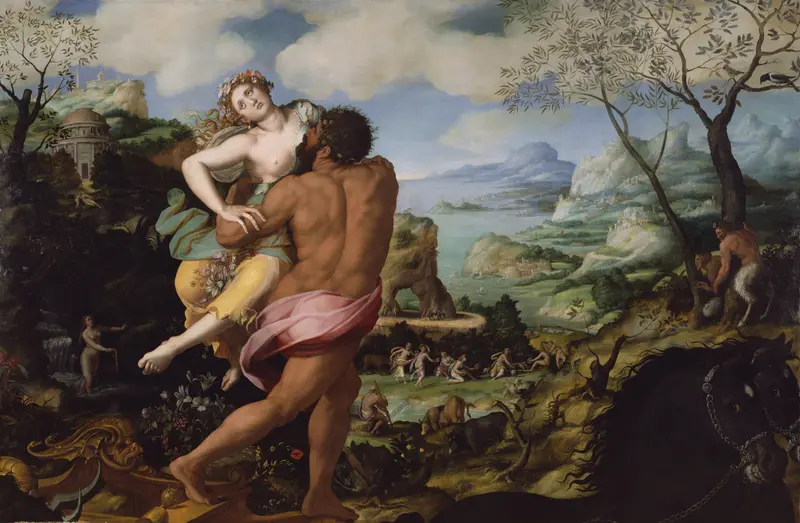
The Abduction of Proserpine
Alessandro Allori
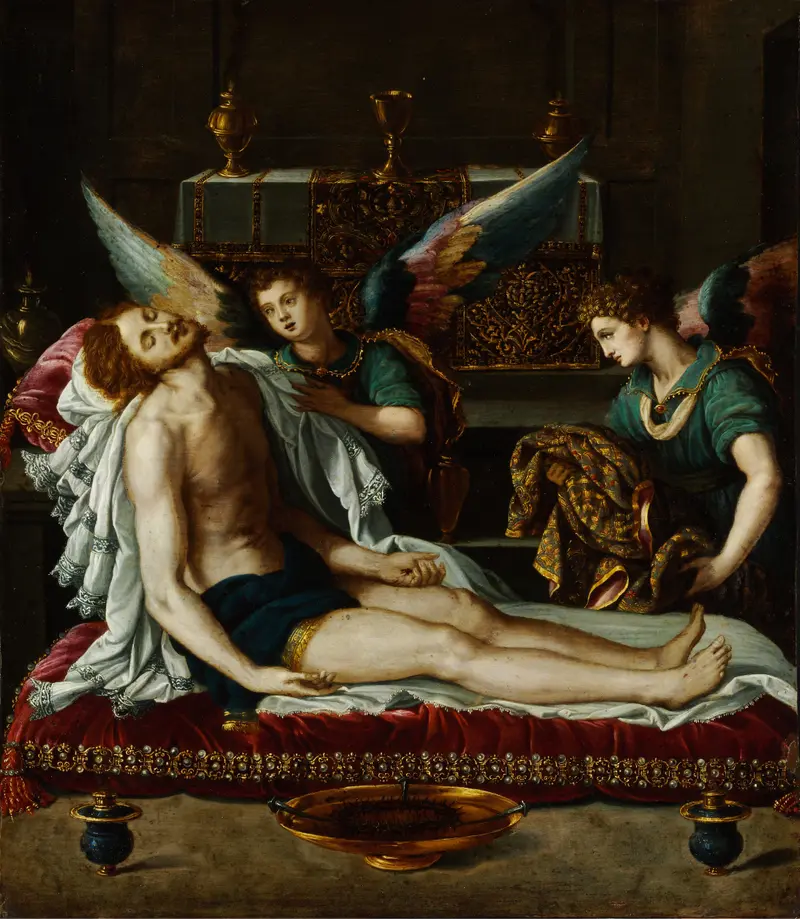
The Body of Christ Anointed by Two Angels
Alessandro Allori
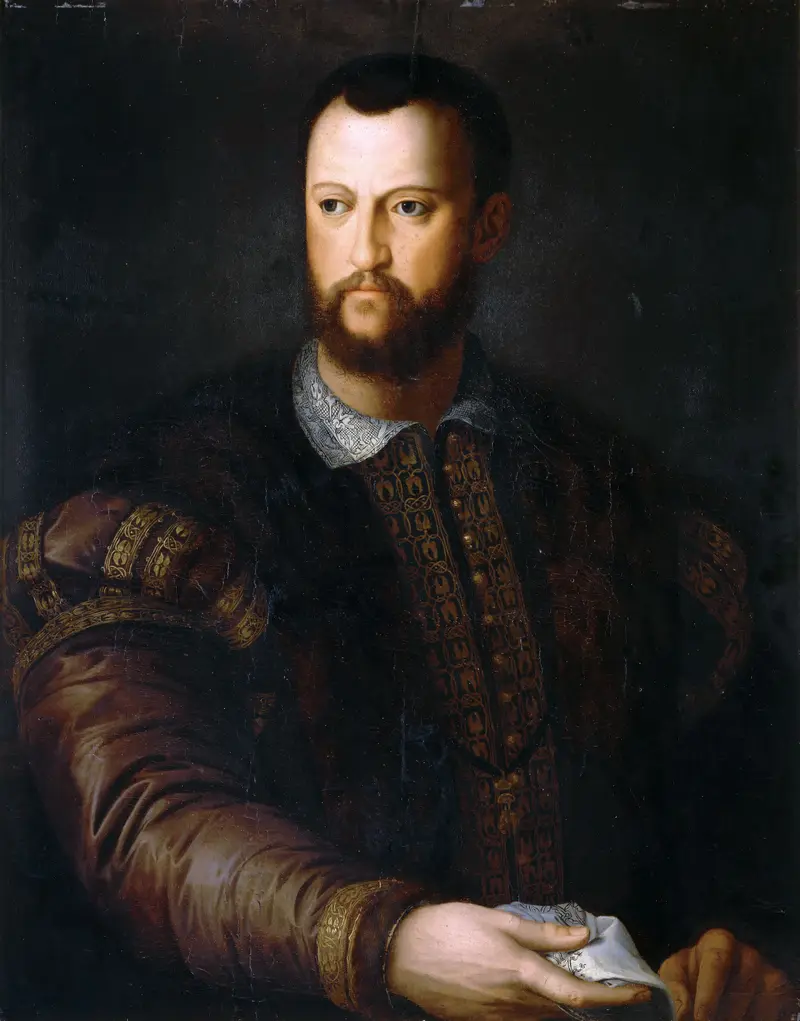
Portrait of Cosimo I de' Medici
Alessandro Allori
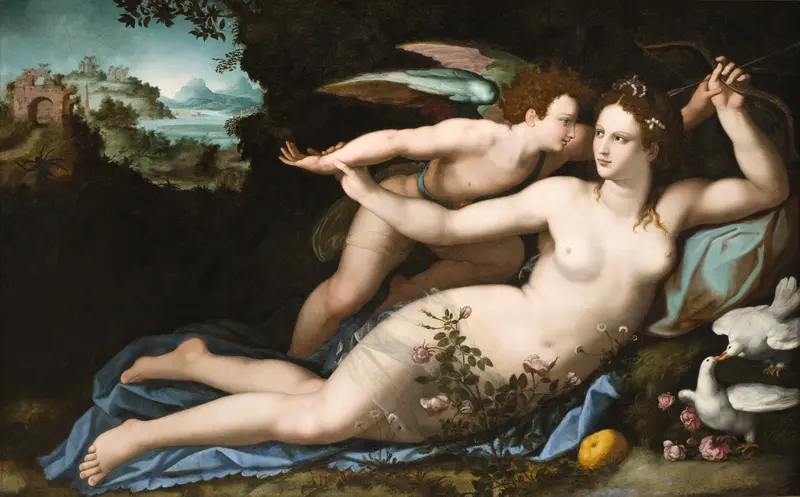
Venus disarming Cupid
Alessandro Allori
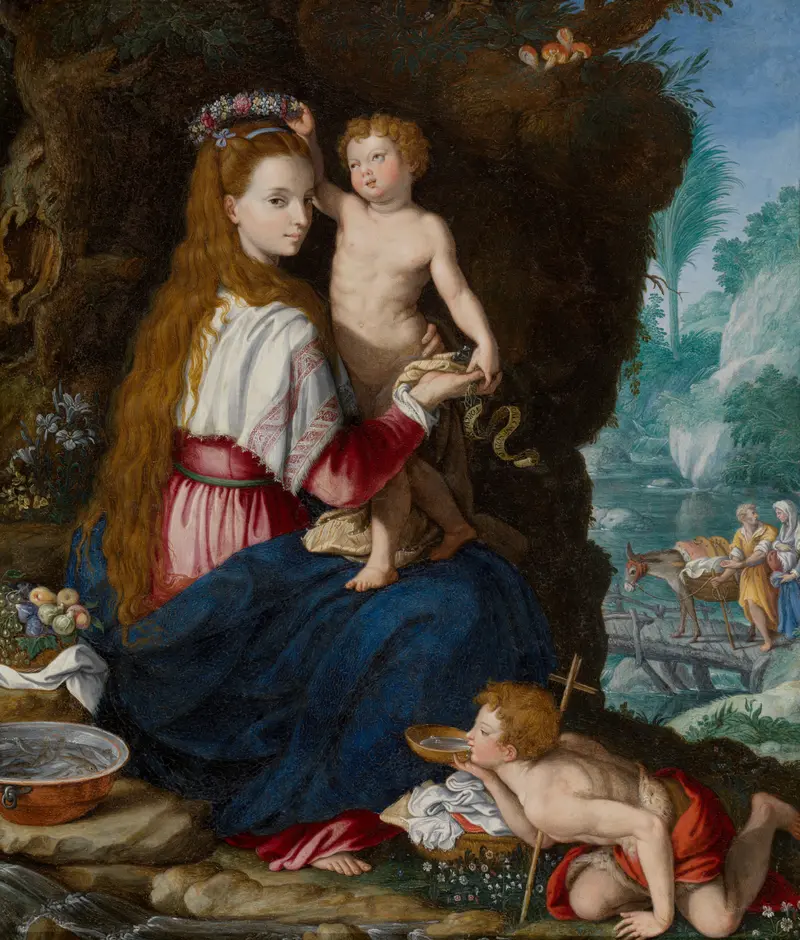
Madonna with Little Saint John
Alessandro Allori
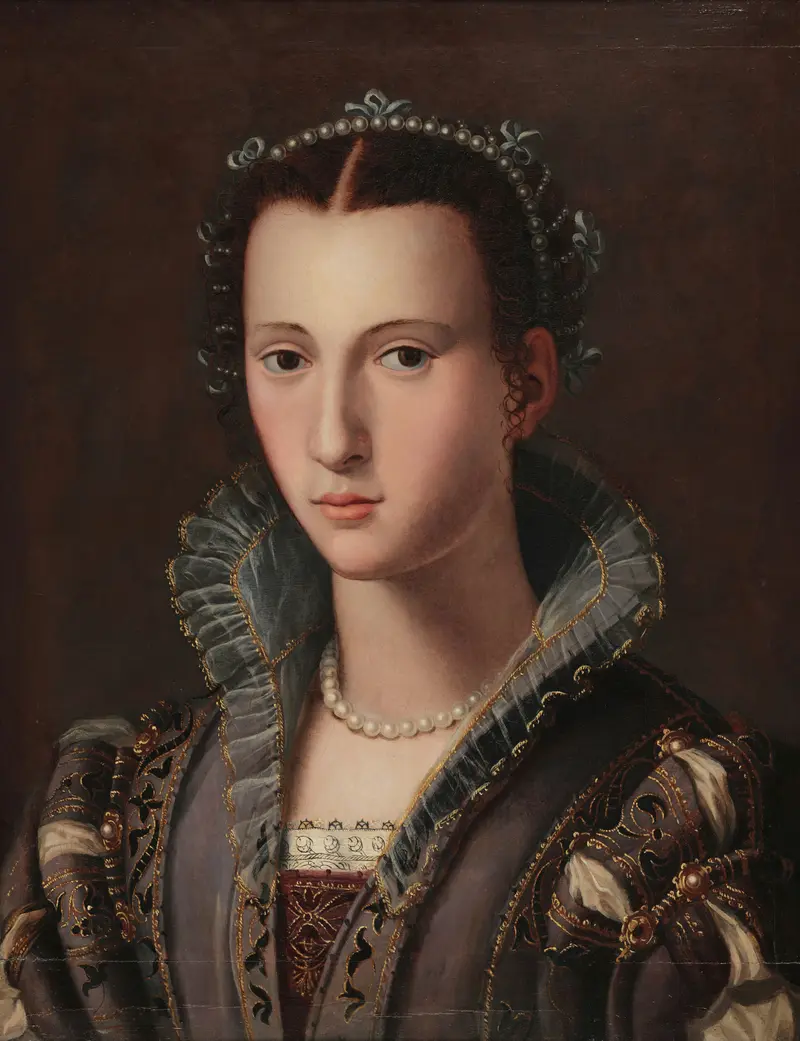
Portrait of a Florentine Lady
Alessandro Allori
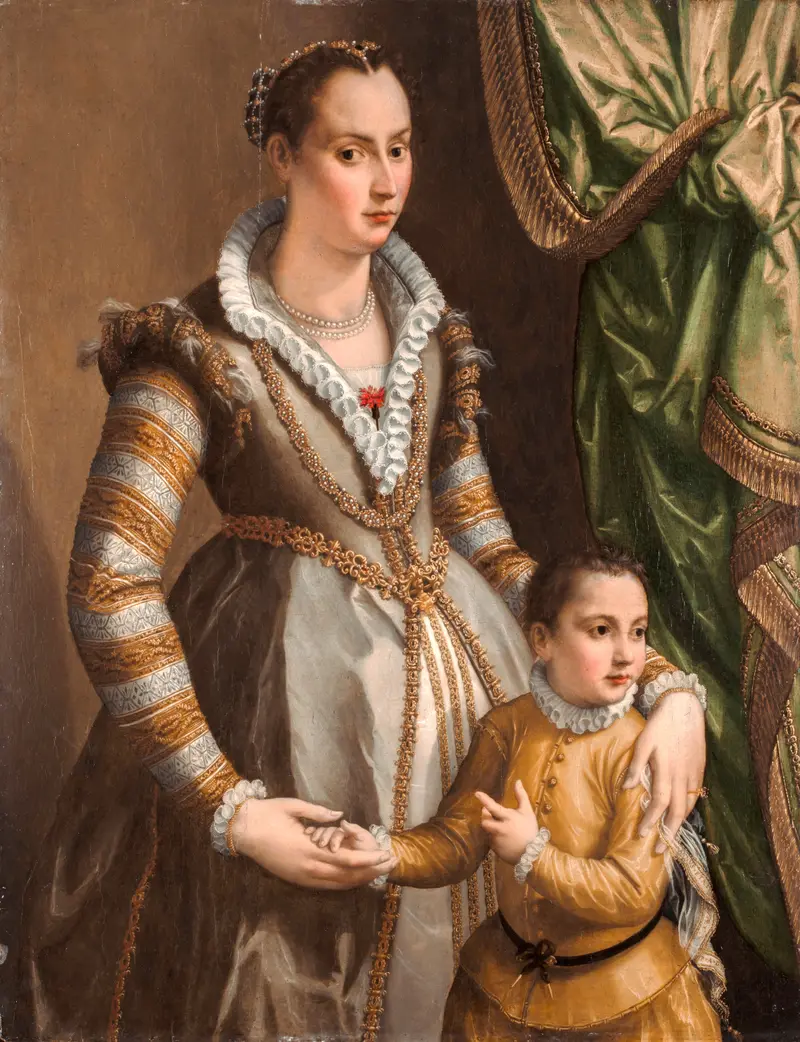
Portrait of a Noblewoman with her Son
Alessandro Allori
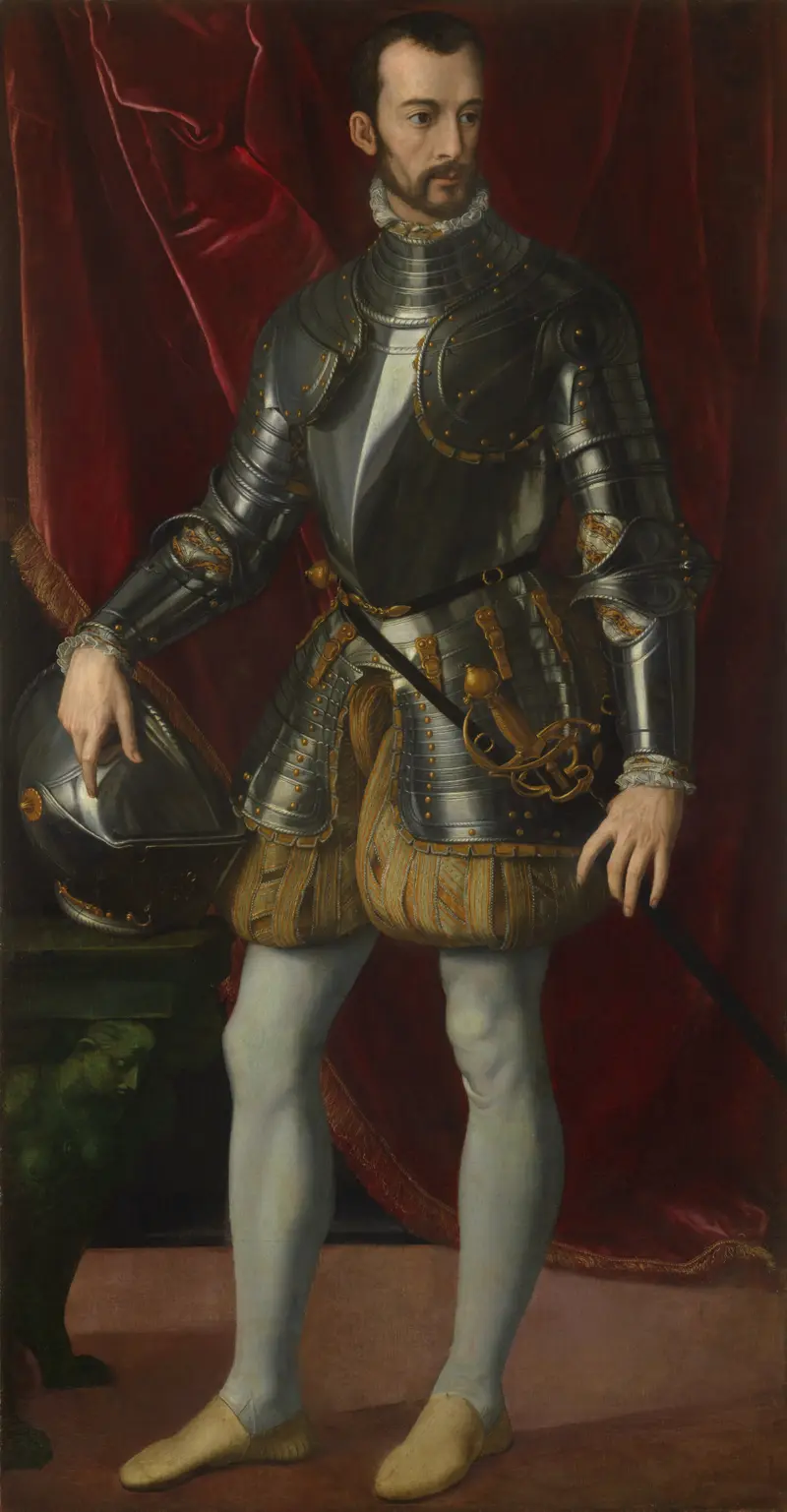
Portrait of Francesco I de' Medici
Alessandro Allori





