
The Body of Christ Anointed by Two Angels — History & Facts
The eye is drawn first to the quiet, almost theatrical stillness of Christ’s body, laid out on a bed of rich fabrics, his pallor heightened by the deep reds and golds that frame him. Two angels, their wings iridescent with peacock hues, lean in with gestures of care and reverence, one supporting the limp torso, the other preparing to anoint. Every fold of cloth and every glint of metal on the altar behind is rendered with a jeweler’s attention, guiding the viewer’s gaze from the fragile humanity of Christ to the ceremonial vessels and embroidered altar—a silent dialogue between suffering and sanctity.
The light falls with precision, illuminating the flesh and faces, while shadows pool beneath the bed and around the angels’ feet, lending the scene a sense of hushed enclosure. Here, the drama is not in movement but in the charged stillness, the angels’ devotion setting the tone of solemn tenderness. Painted in 1600, The Body of Christ Anointed by Two Angels by Alessandro Allori belongs to a moment when religious art was both a tool for devotion and a demonstration of painterly skill. In late Renaissance Florence, such images were often commissioned for private chapels or altars, intended to inspire meditation on Christ’s sacrifice and the hope of resurrection.
Allori’s style, marked by clarity and elegance, reflects the influence of his teacher Bronzino and the broader currents of Mannerism, with its emphasis on refined beauty and complex compositions. While little is recorded about the specific history of this work, its presence in today’s digital collection invites viewers to linger over the details that once guided prayer and contemplation. Look again at the angels’ faces: in their careful attention lies the heart of the painting’s message.
More Artworks by Alessandro Allori

Francesco de' Medici
Alessandro Allori
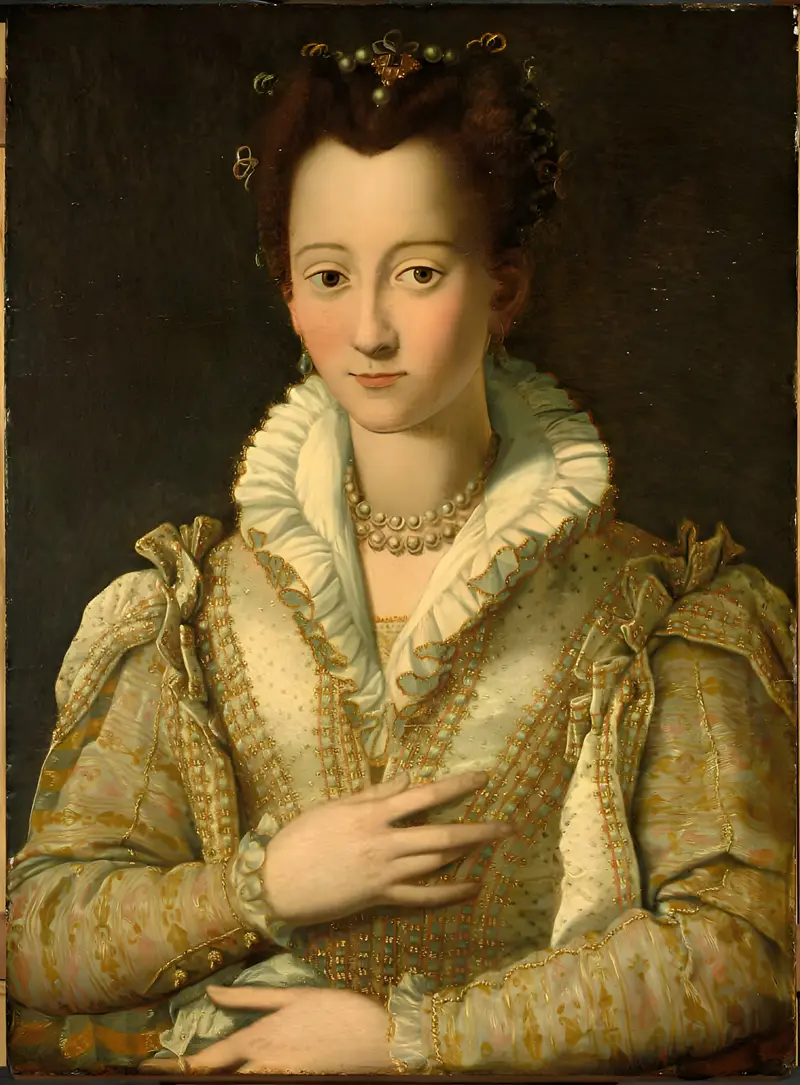
Portrait of a Woman
Alessandro Allori
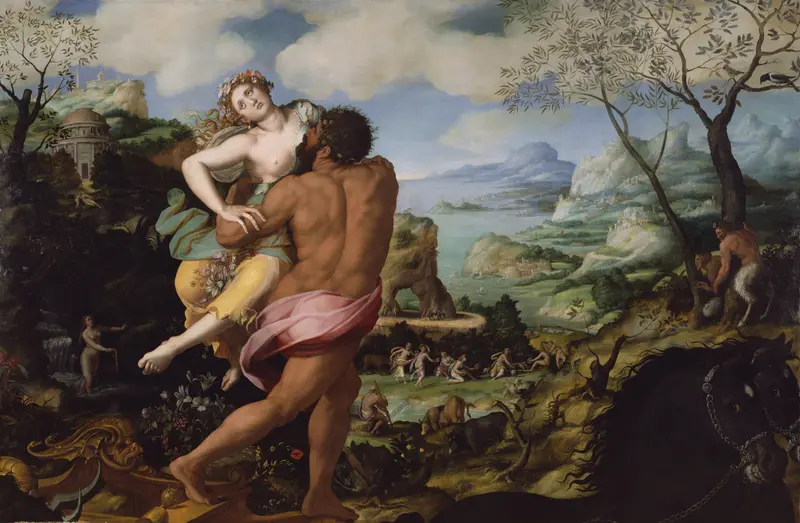
The Abduction of Proserpine
Alessandro Allori
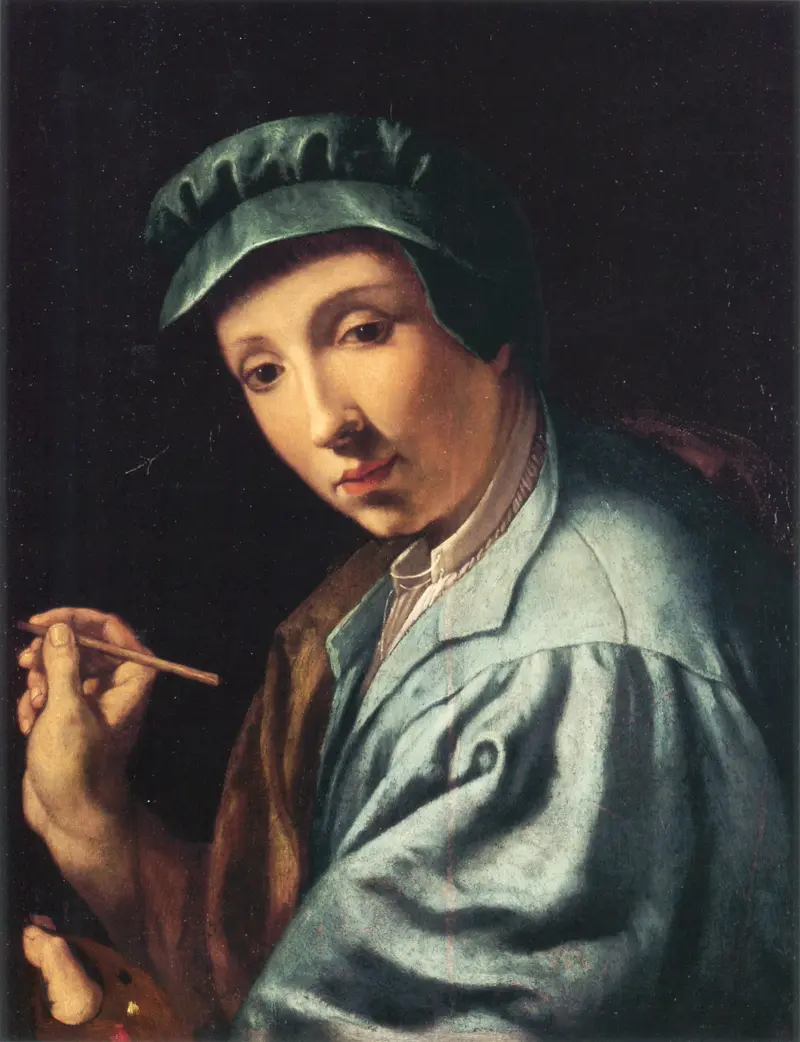
Self-portrait
Alessandro Allori
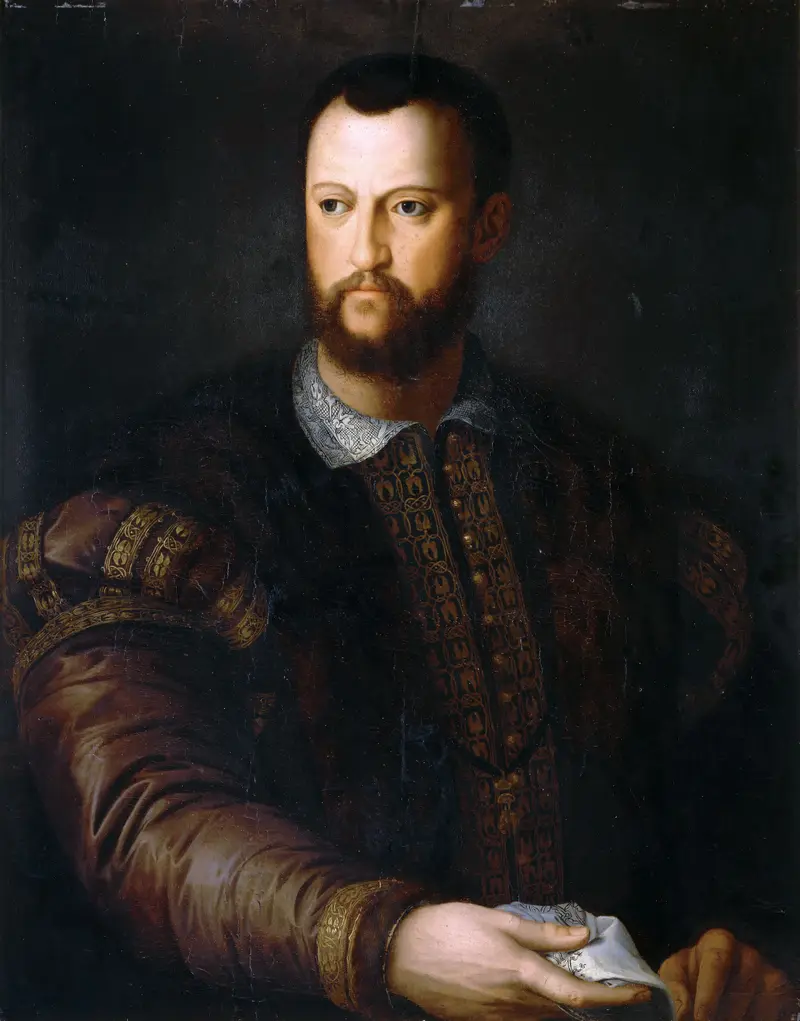
Portrait of Cosimo I de' Medici
Alessandro Allori
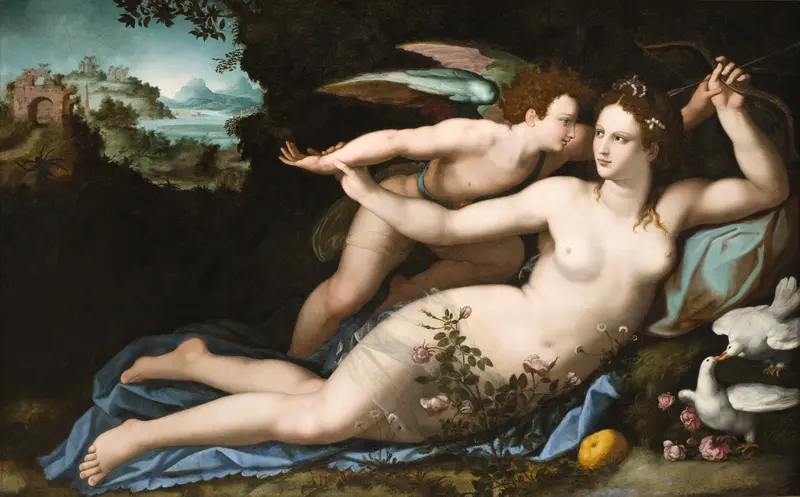
Venus disarming Cupid
Alessandro Allori
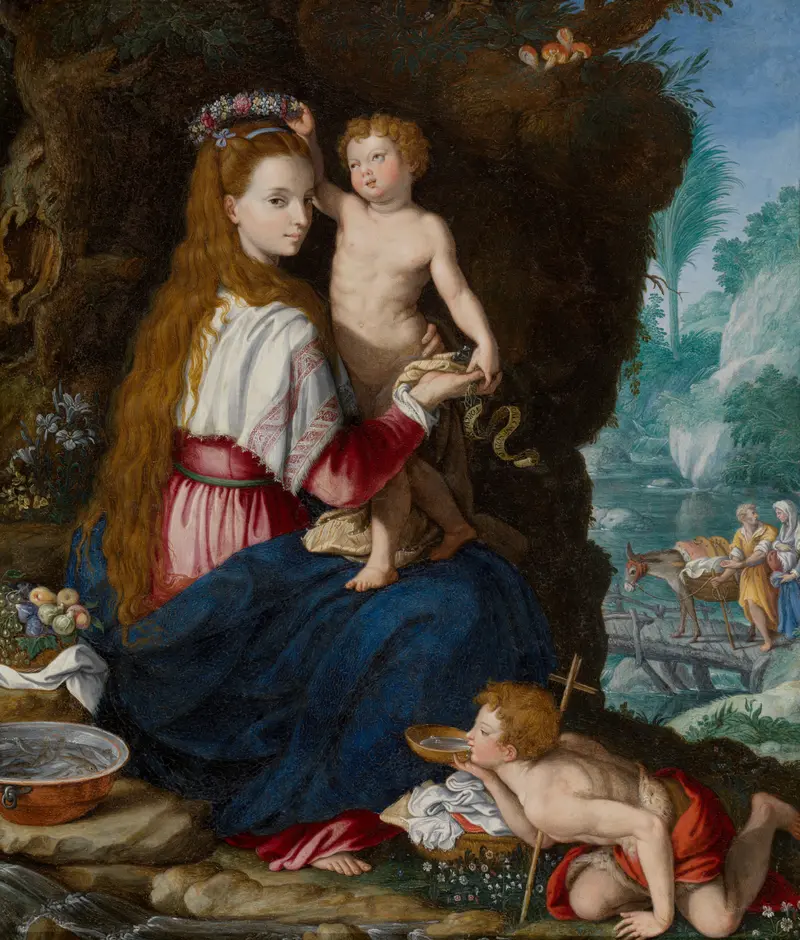
Madonna with Little Saint John
Alessandro Allori
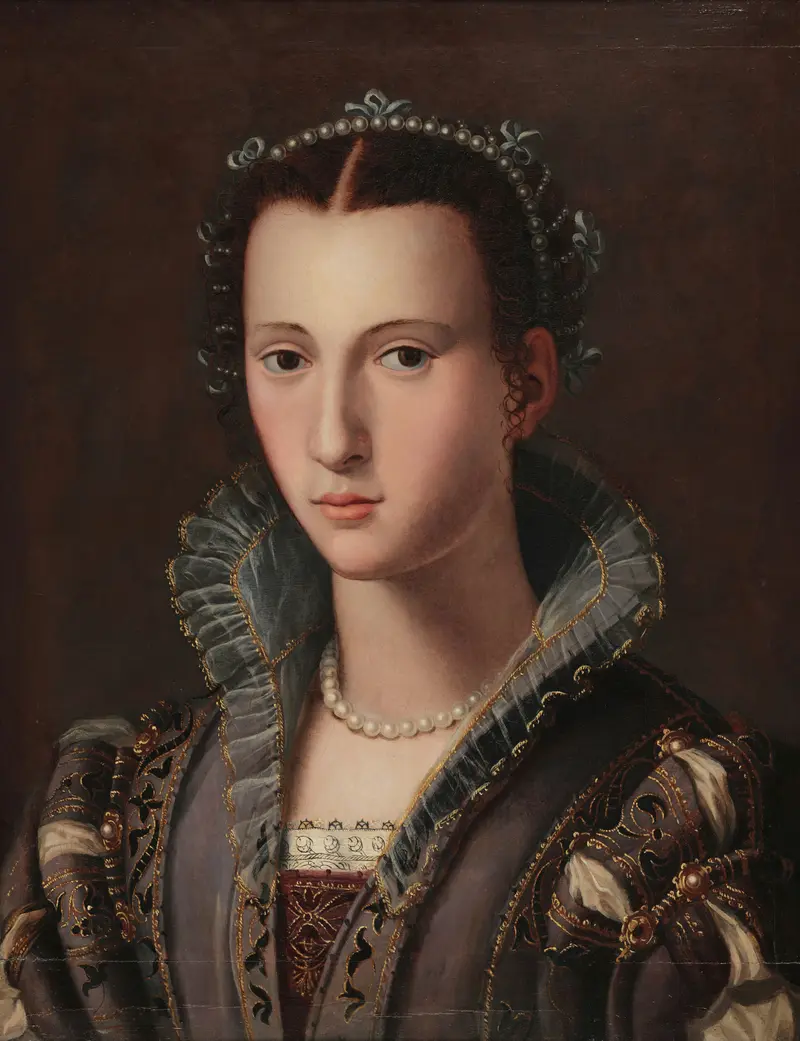
Portrait of a Florentine Lady
Alessandro Allori
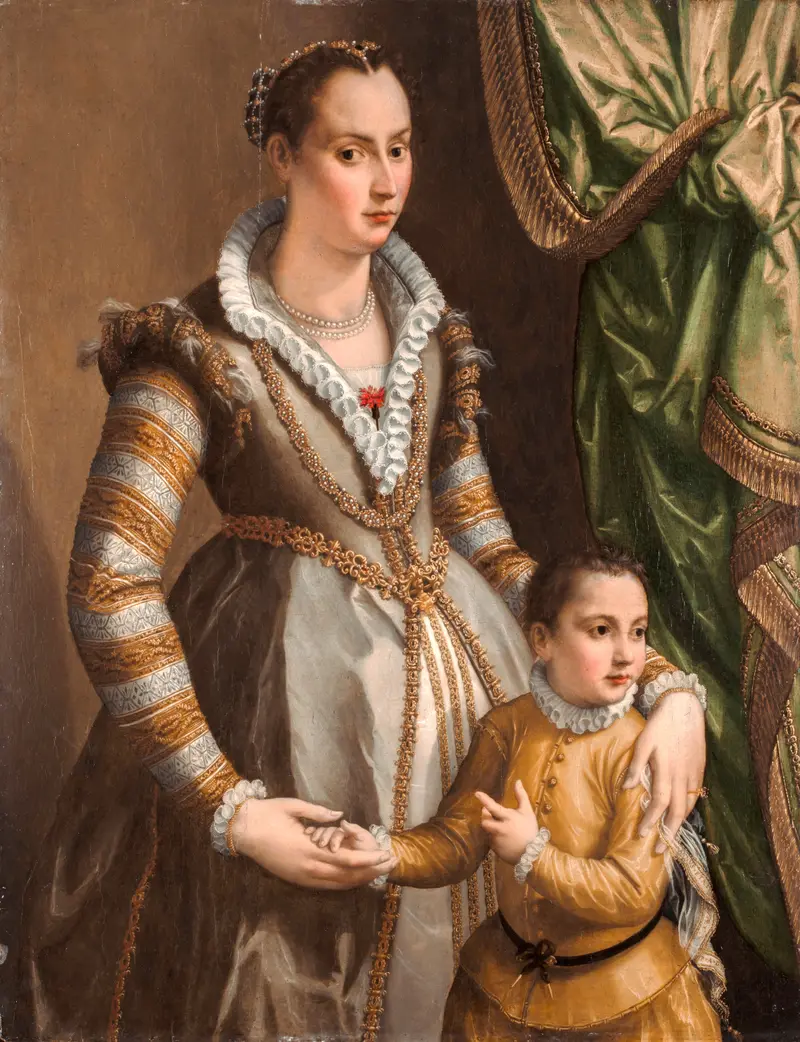
Portrait of a Noblewoman with her Son
Alessandro Allori
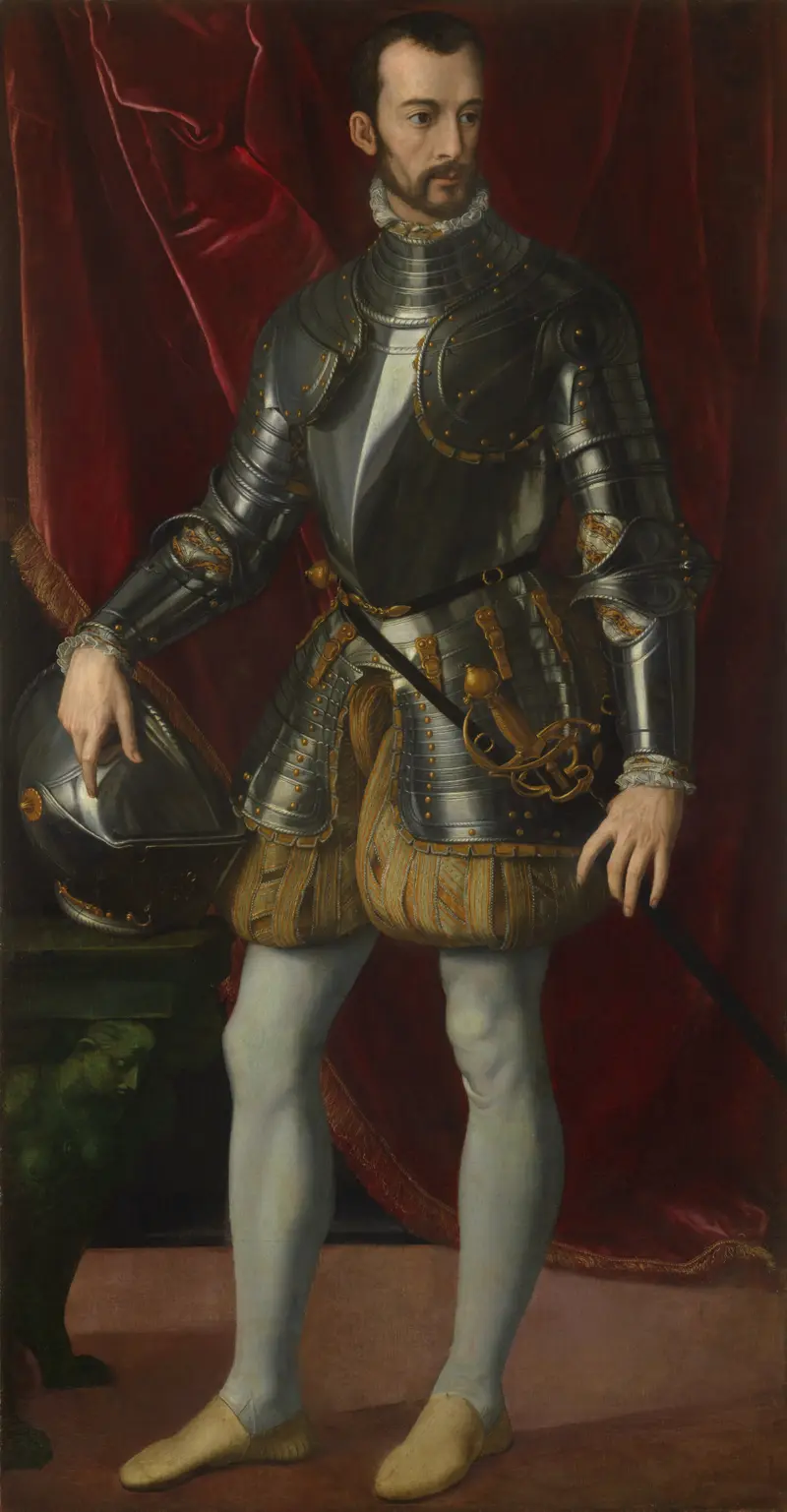
Portrait of Francesco I de' Medici
Alessandro Allori





