
The Abduction of Proserpine — History & Facts
What first seizes the eye in The Abduction of Proserpine is the collision of tenderness and violence: a muscular figure sweeps up a pale, flower-crowned woman whose gaze—wide, imploring—meets the viewer with a silent plea. The artist, Alessandro Allori, sets this drama against a sweeping, sunlit landscape that stretches into misty blue distances, as if the world itself pauses to witness the moment. The strong diagonal of the figures draws the eye from the lush, shadowed foreground to the distant revelers and the domed temple perched on a hill, each detail carefully orchestrated to heighten the sense of interruption and loss.
Even the light seems complicit, spotlighting the woman's bare shoulder and delicate limbs, while the abductor’s shadowed form anchors the chaos. This painting belongs to a world where stories from ancient myth were more than entertainment—they were lessons, warnings, and wonders, retold in paint for the courts and learned circles of Renaissance Italy. In 1570, when this work was created, such mythological scenes were prized by patrons eager to display both their classical learning and their taste for the sensual and dramatic. The Getty Museum now holds this painting, a reminder of how artists like Allori translated the old tales into a visual language of gesture, color, and landscape.
History has kept few traces of this particular canvas’s early life, but its theatrical energy and intricate detail invite us to look again, searching for the next story hidden in the painted leaves and distant hills.
More Artworks by Alessandro Allori

Francesco de' Medici
Alessandro Allori
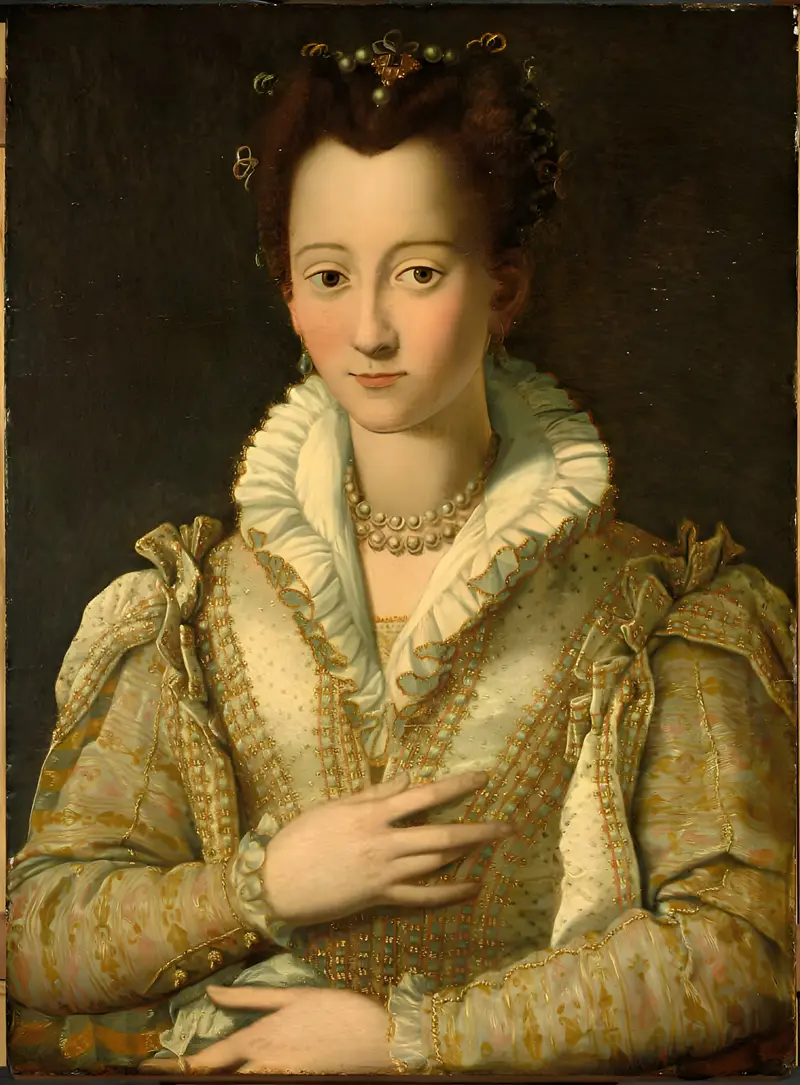
Portrait of a Woman
Alessandro Allori
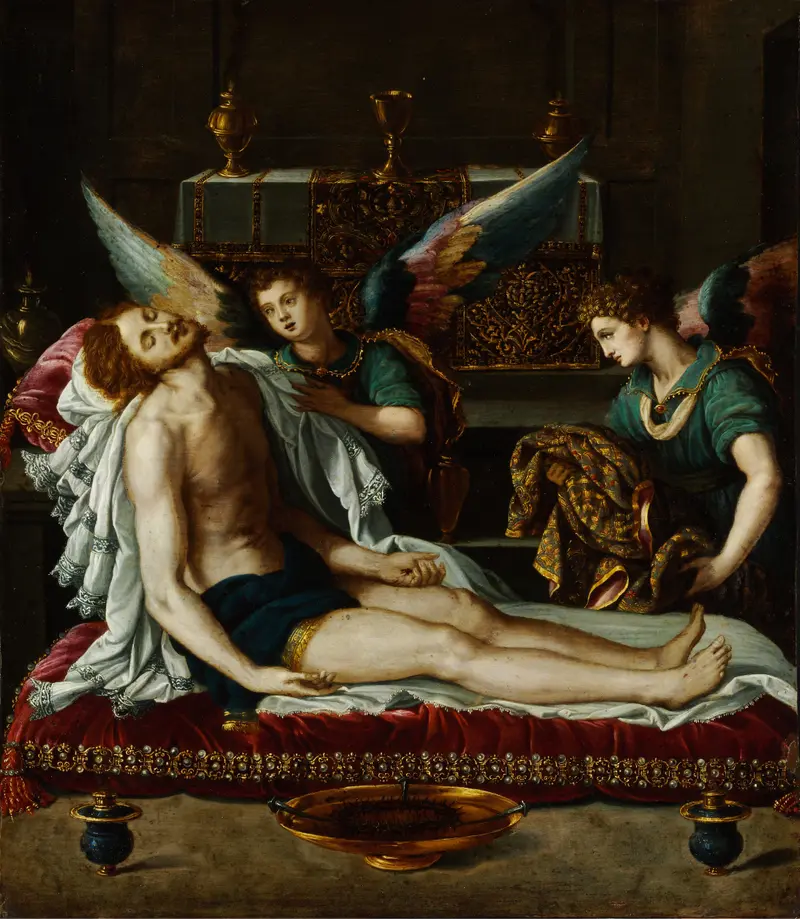
The Body of Christ Anointed by Two Angels
Alessandro Allori
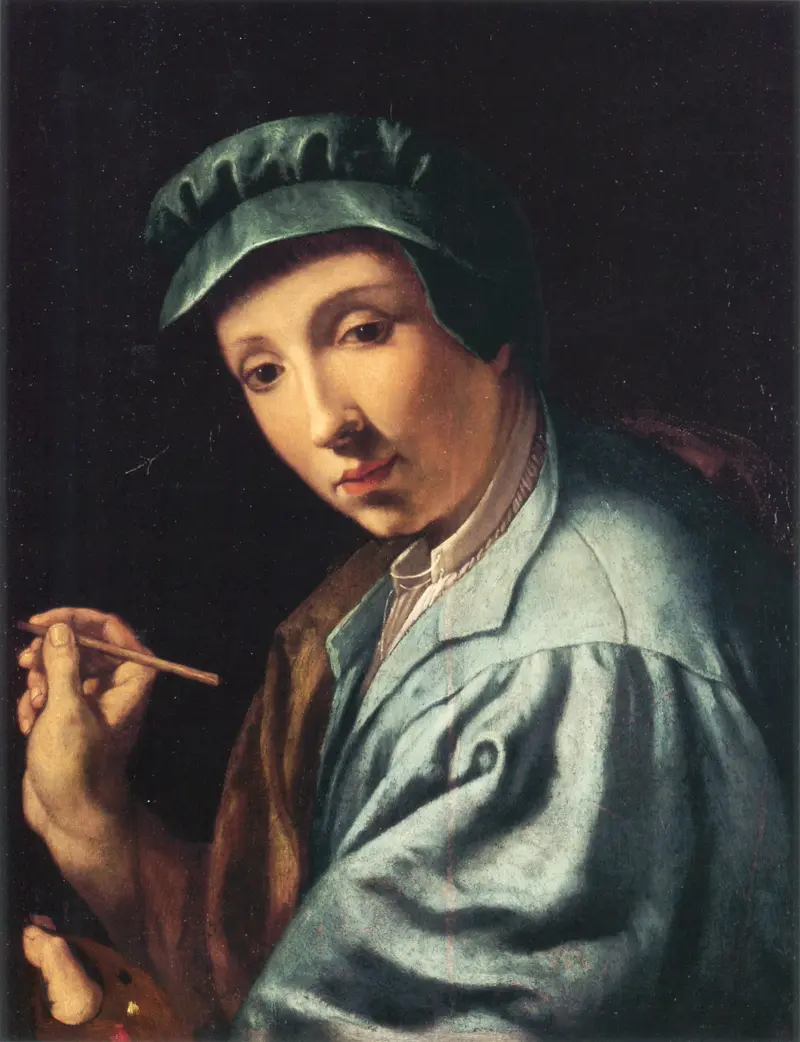
Self-portrait
Alessandro Allori
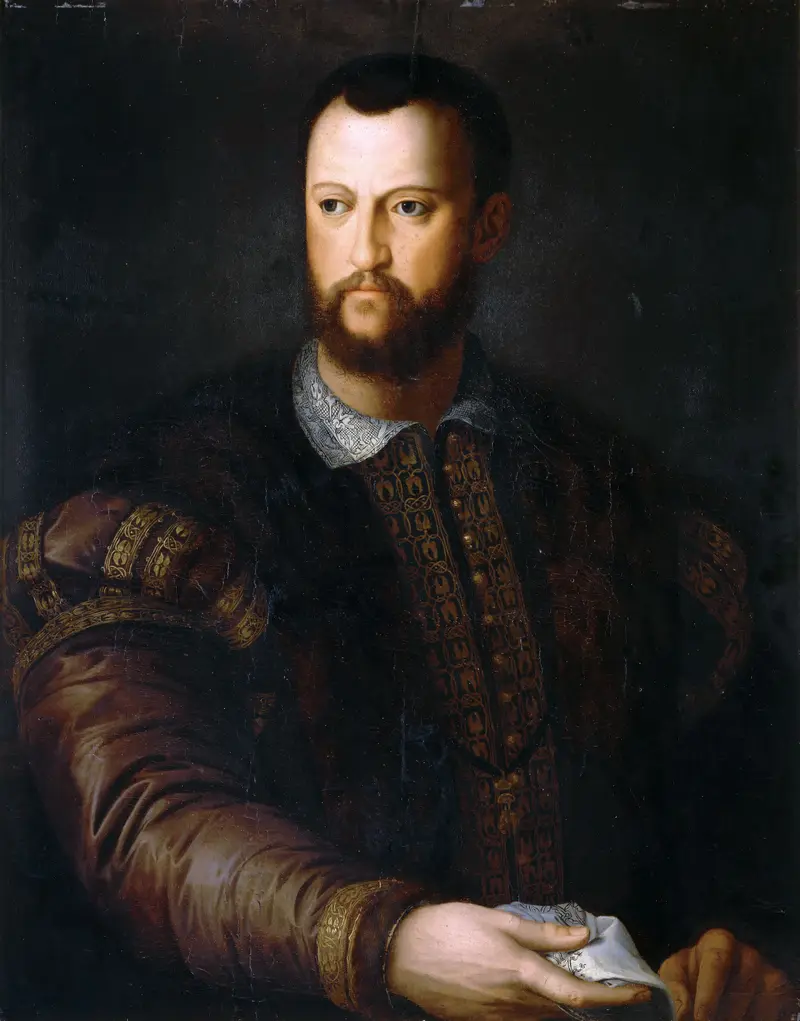
Portrait of Cosimo I de' Medici
Alessandro Allori
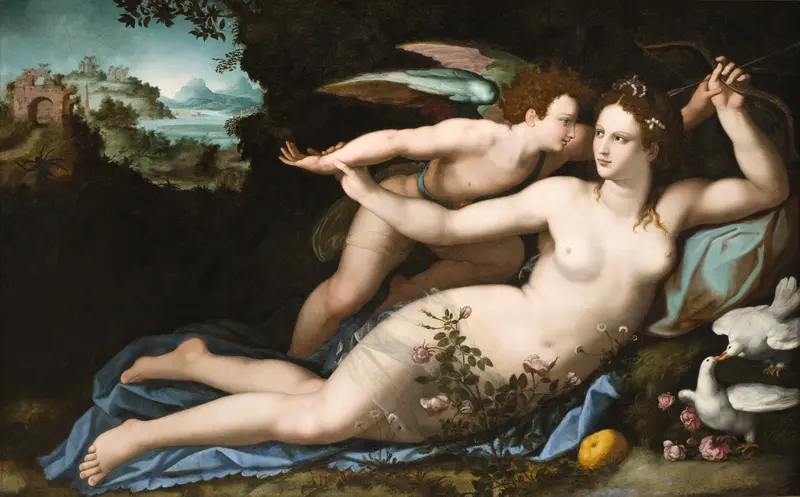
Venus disarming Cupid
Alessandro Allori
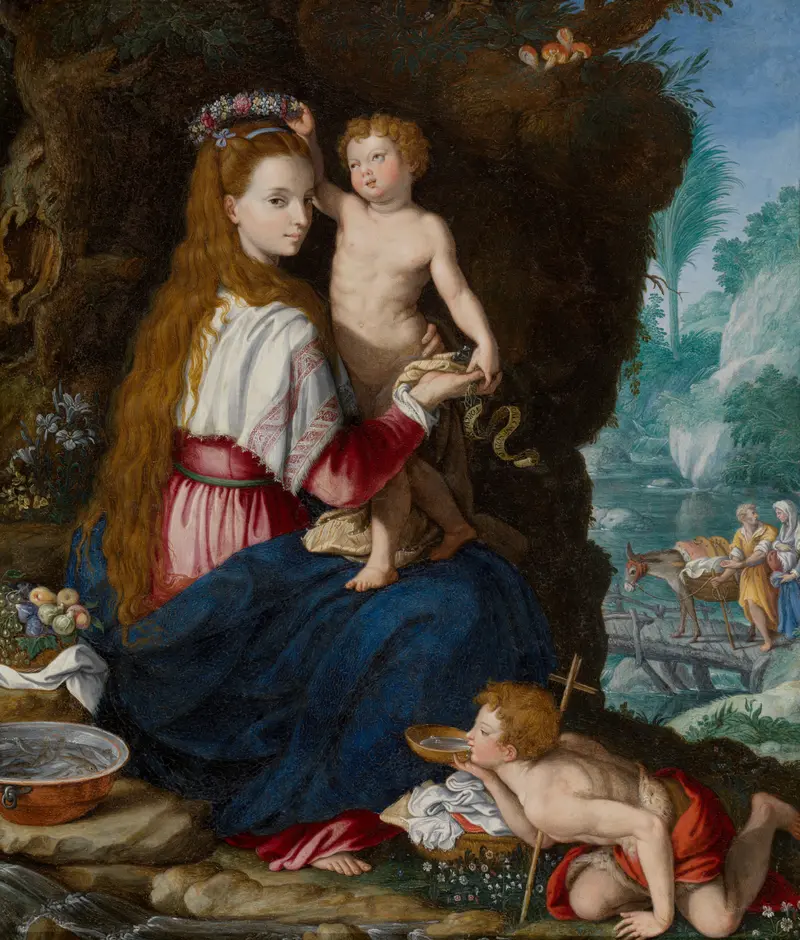
Madonna with Little Saint John
Alessandro Allori
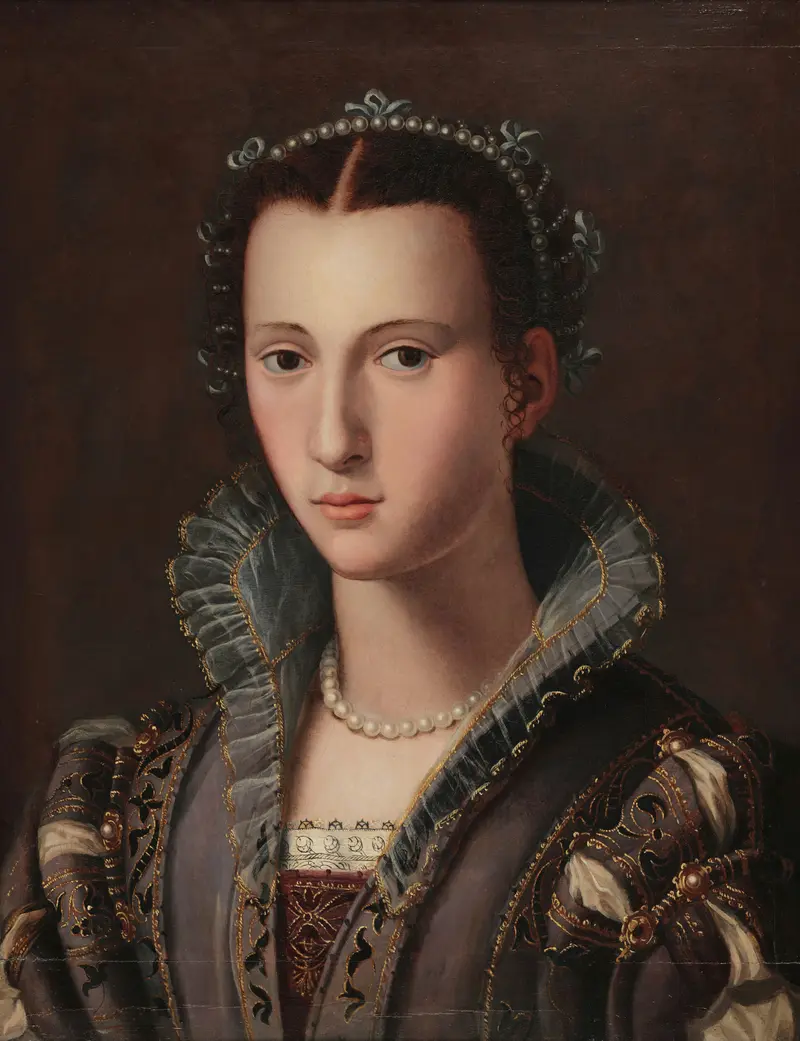
Portrait of a Florentine Lady
Alessandro Allori
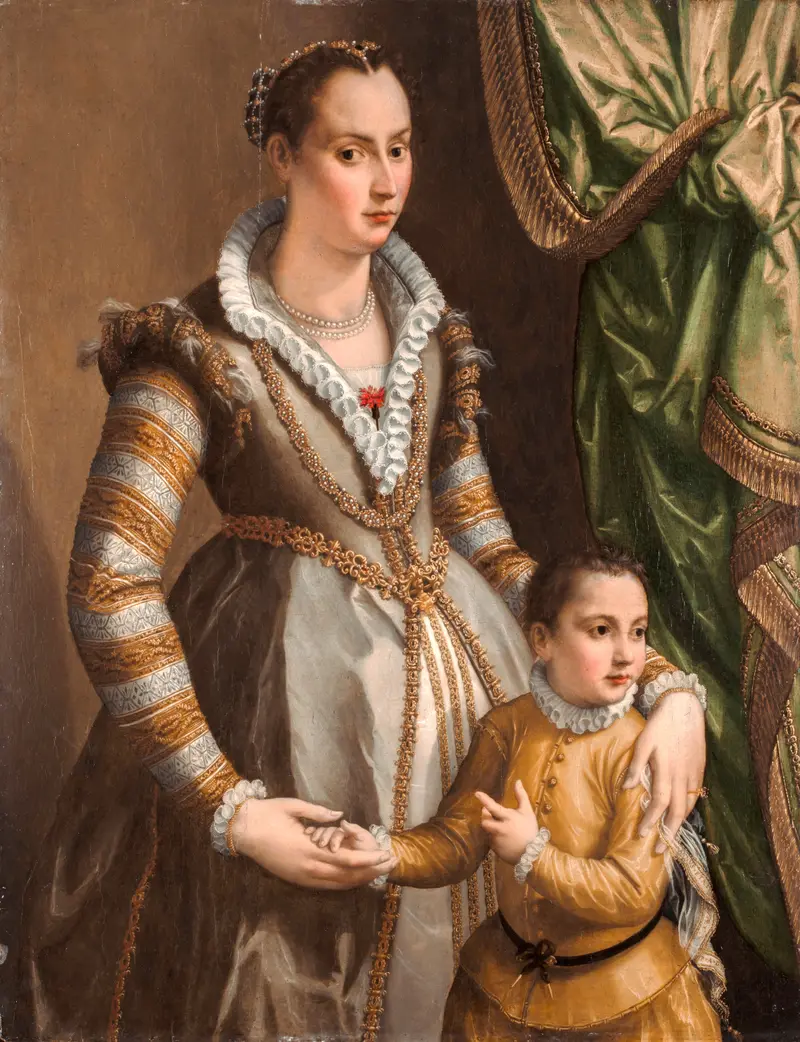
Portrait of a Noblewoman with her Son
Alessandro Allori
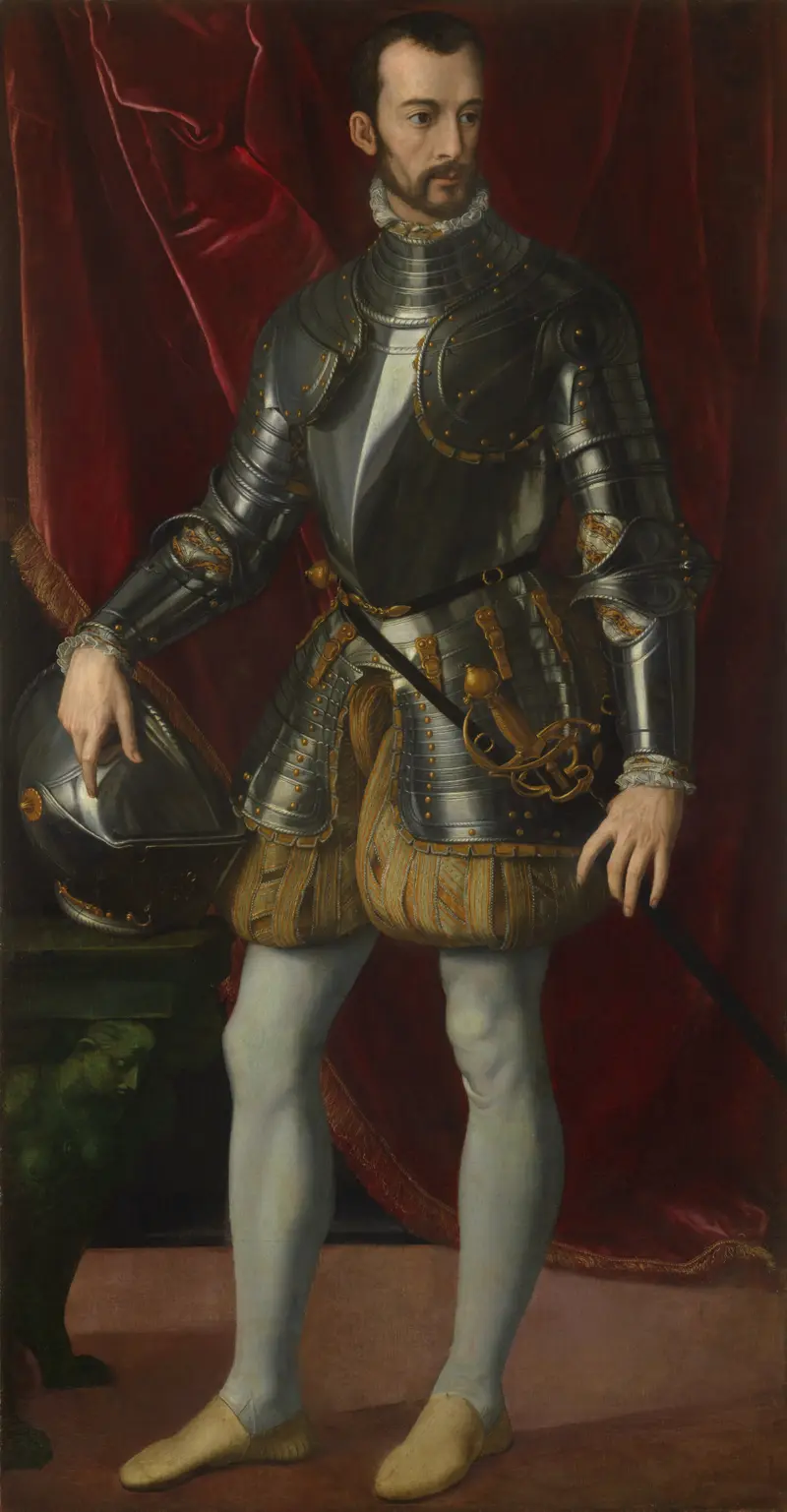
Portrait of Francesco I de' Medici
Alessandro Allori





