
Self-portrait with the Portrait of his Wife, Margaretha van Rees, and their Daughter Maria — History & Facts
What draws the viewer in first is not the painter’s face, but the glint of gold at his chest: a heavy medallion, unmistakably prominent, bearing the likeness of Johan Wilhelm, Elector Palatine. The artist, Adriaen van der Werff, presents himself in half-length, draped in sumptuous fabrics whose folds catch the light with almost theatrical precision. Yet his gaze is steady and private, as if inviting us to witness both his craft and his pride.
In his left hand, he balances a framed portrait of his wife, Margaretha van Rees, and their young daughter Maria—his family, rendered with the same care as the palette and brushes he holds in his right. The composition is a clever play on presence and absence: van der Werff stands before us in the flesh, while his wife and child appear only as painted image within the image. Margaretha’s gentle hand and Maria’s curious eyes reach out from the confines of their frame, blurring the line between sitter and spectator. The velvet and satin of van der Werff’s clothing echo the luxurious textures within the smaller portrait, while the subdued background focuses all attention on these three lives, bound together by art.
The painter’s tools—palette, brushes, and the very act of painting—become both subject and symbol, a reminder that every family likeness is, in the end, a work of creation. Painted in 1699, this self-portrait belongs to a world where artists were eager to assert their status and skill, often by displaying their connections and personal achievements. The medallion signals van der Werff’s ties to noble patronage, a mark of distinction in the competitive art market of the Dutch Republic. Such paintings were both intimate keepsakes and public statements, crafted for private pride and professional reputation alike.
Today, the work resides in the Rijksmuseum, a testament to the era’s fascination with the artist’s dual role as creator and subject. Look again, and notice how the painter’s quiet confidence lingers in the shadows, inviting us to imagine the world behind the frame.
More Artworks by Adriaen van der Werff

Descent from the Cross
Adriaen van der Werff
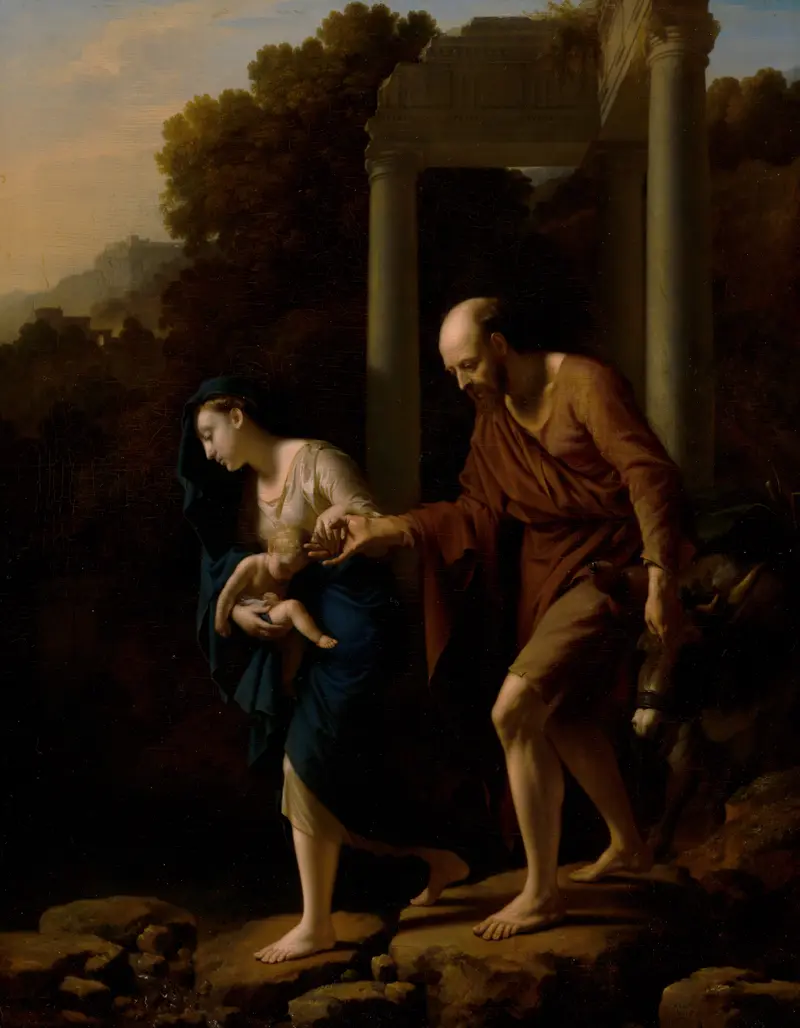
The Flight into Egypt
Adriaen van der Werff
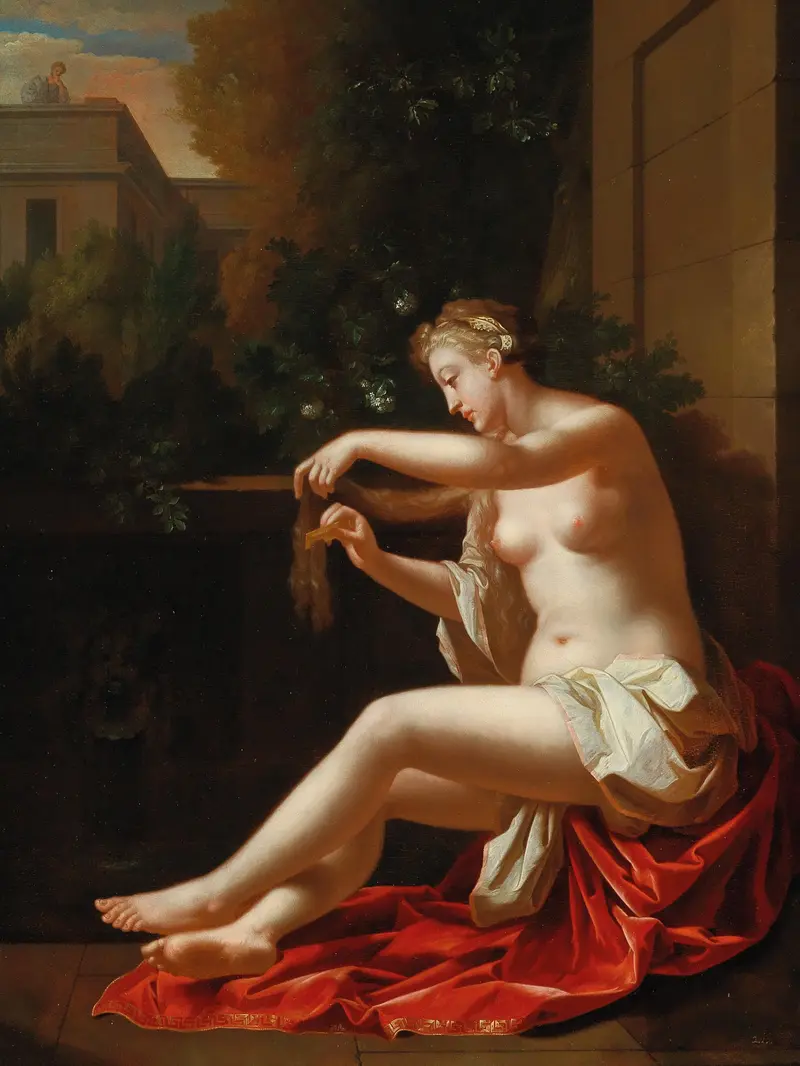
Bathsheba
Adriaen van der Werff
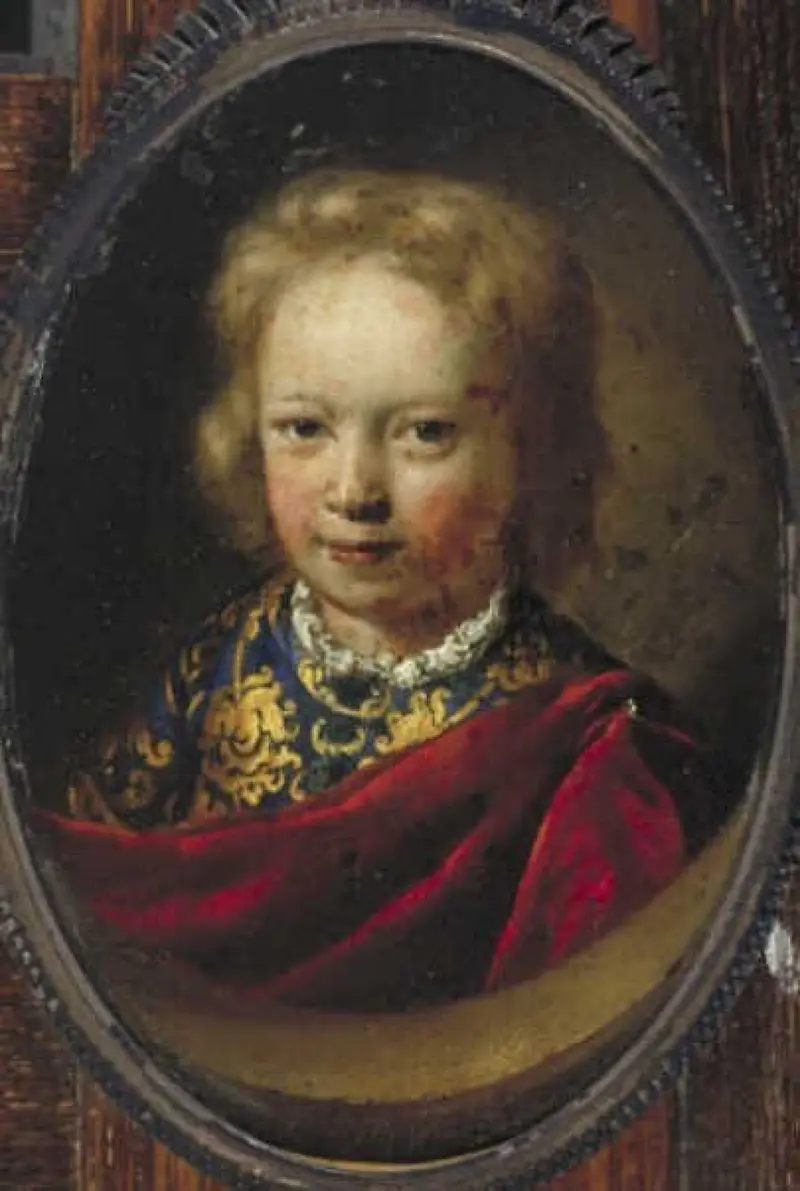
Portrait of Johan Versijden de Jonge
Adriaen van der Werff
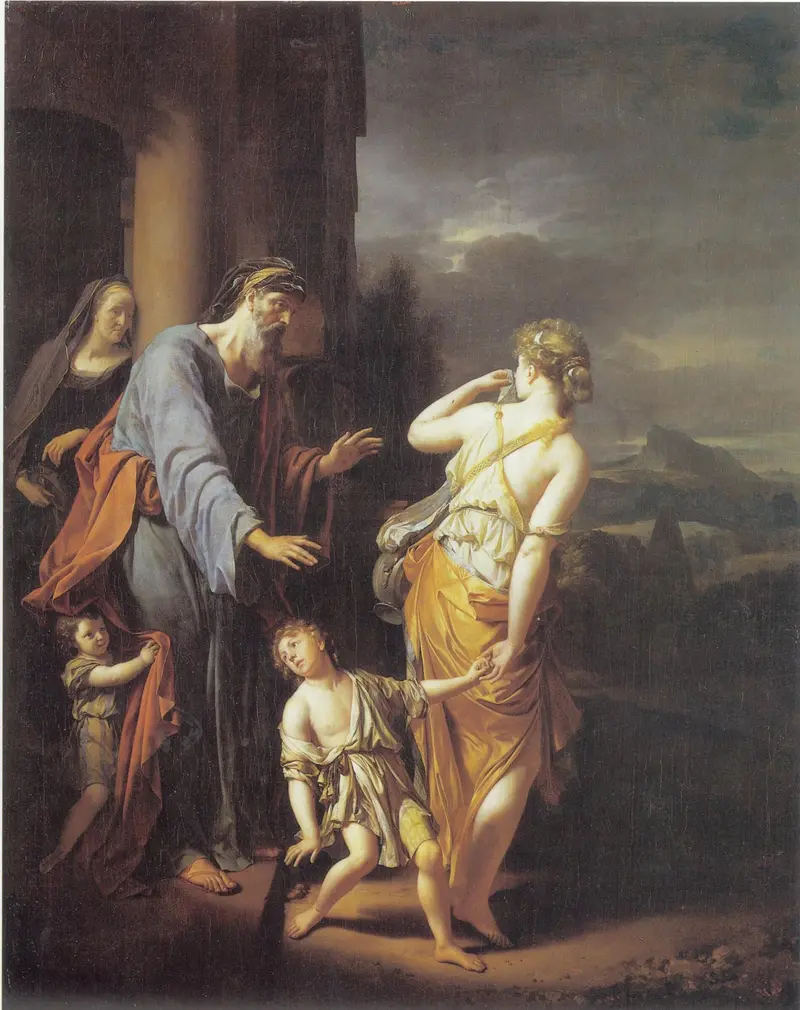
The Banishment of Hagar
Adriaen van der Werff
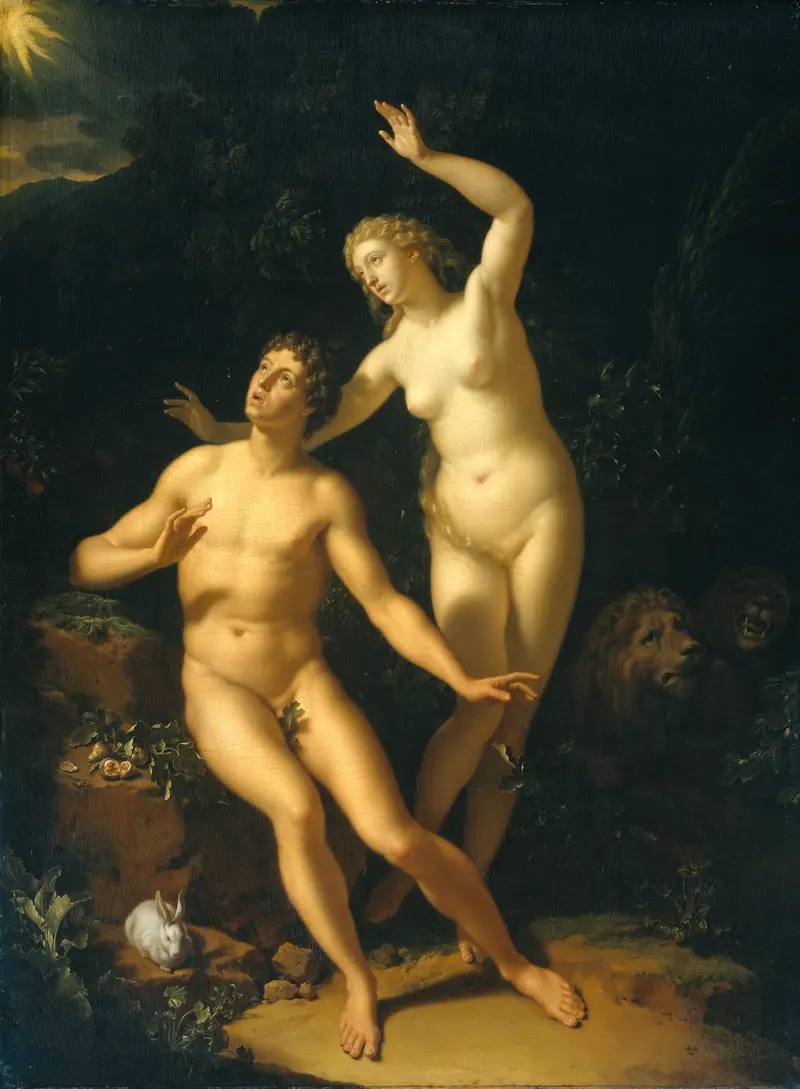
God Holds Adam and Eve Responsible
Adriaen van der Werff
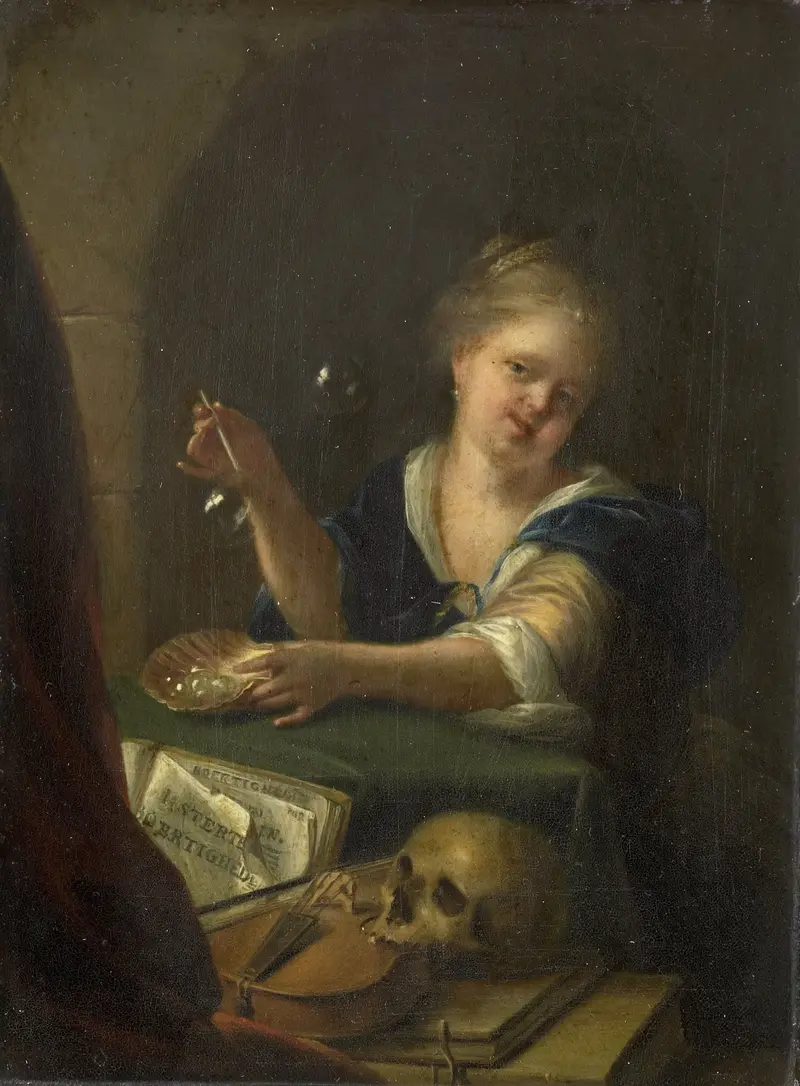
Bubble-blowing Girl with a Vanitas Still Life
Adriaen van der Werff
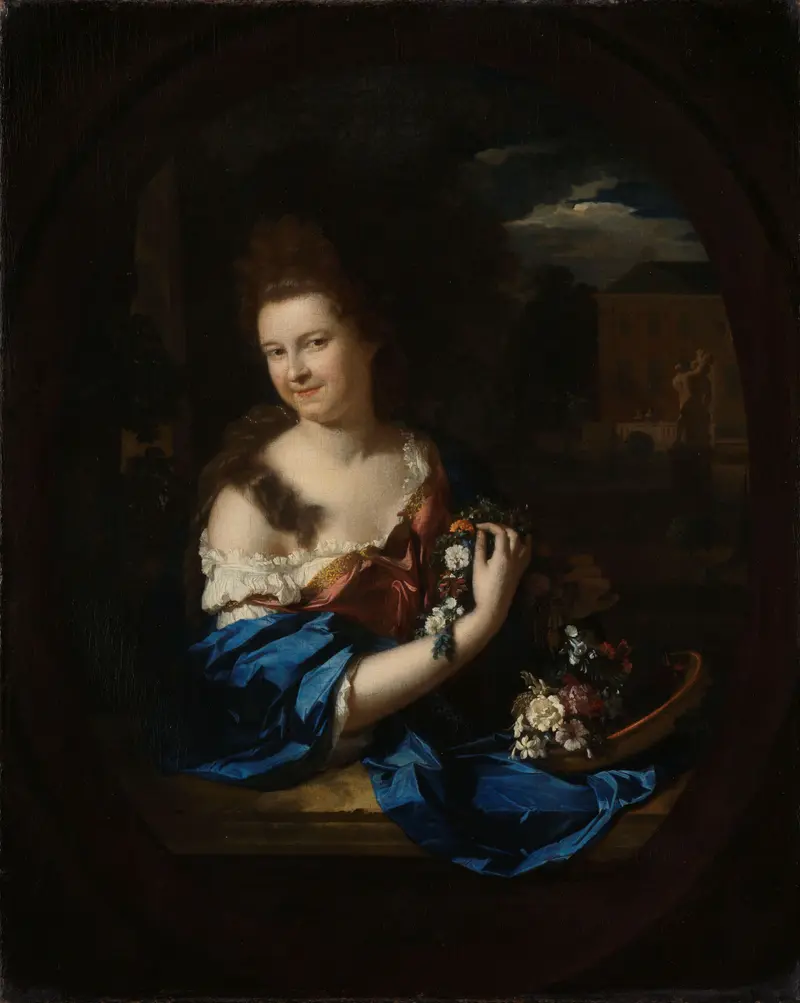
Portrait of Margaretha Rendorp (1673-1730), wife of Jan van de Poll
Adriaen van der Werff
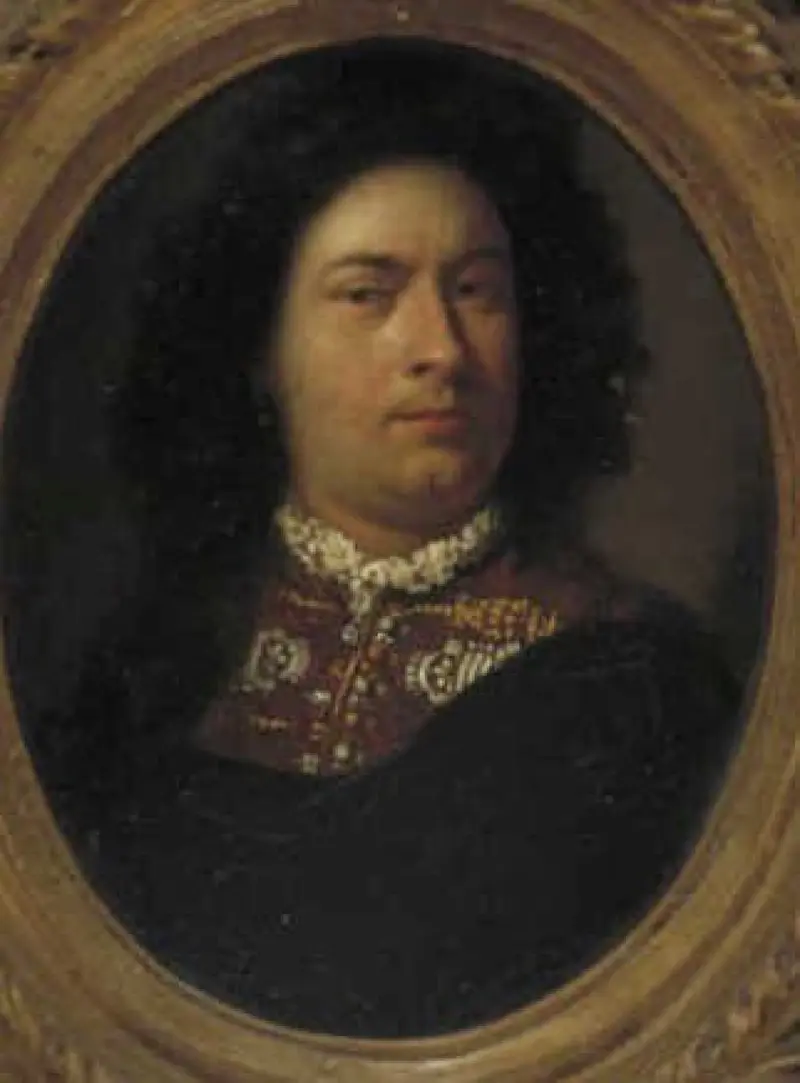
Portrait of Jacob Hendricksz. Vingerhoed
Adriaen van der Werff
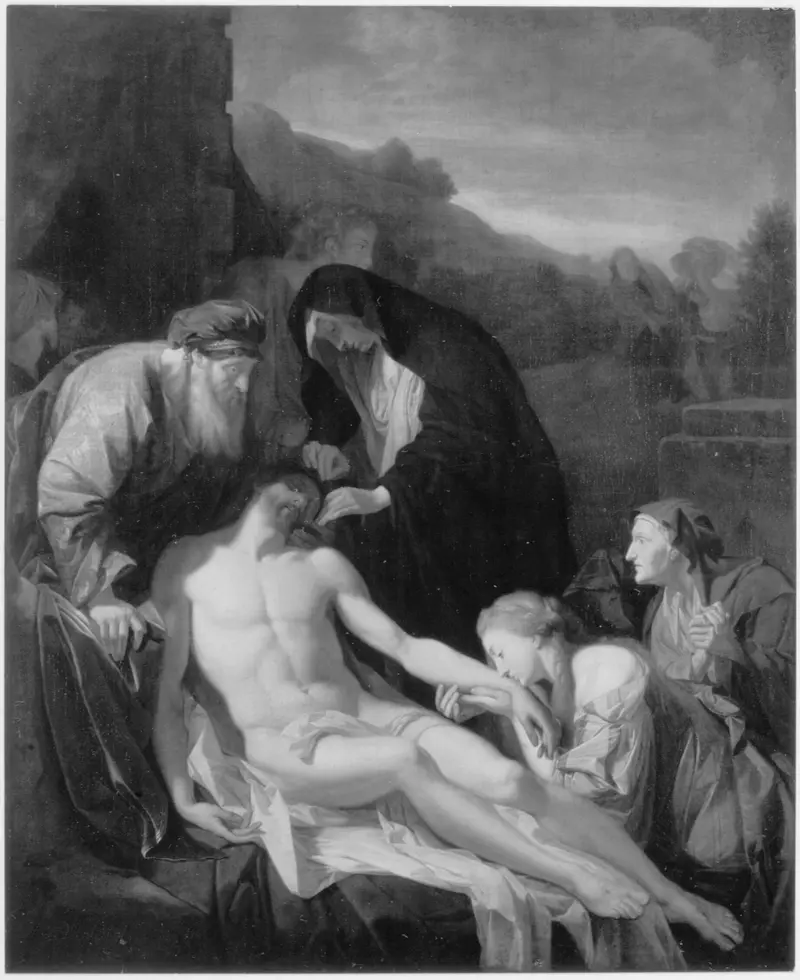
The burial of Christ
Adriaen van der Werff





