September 13th — History & Facts
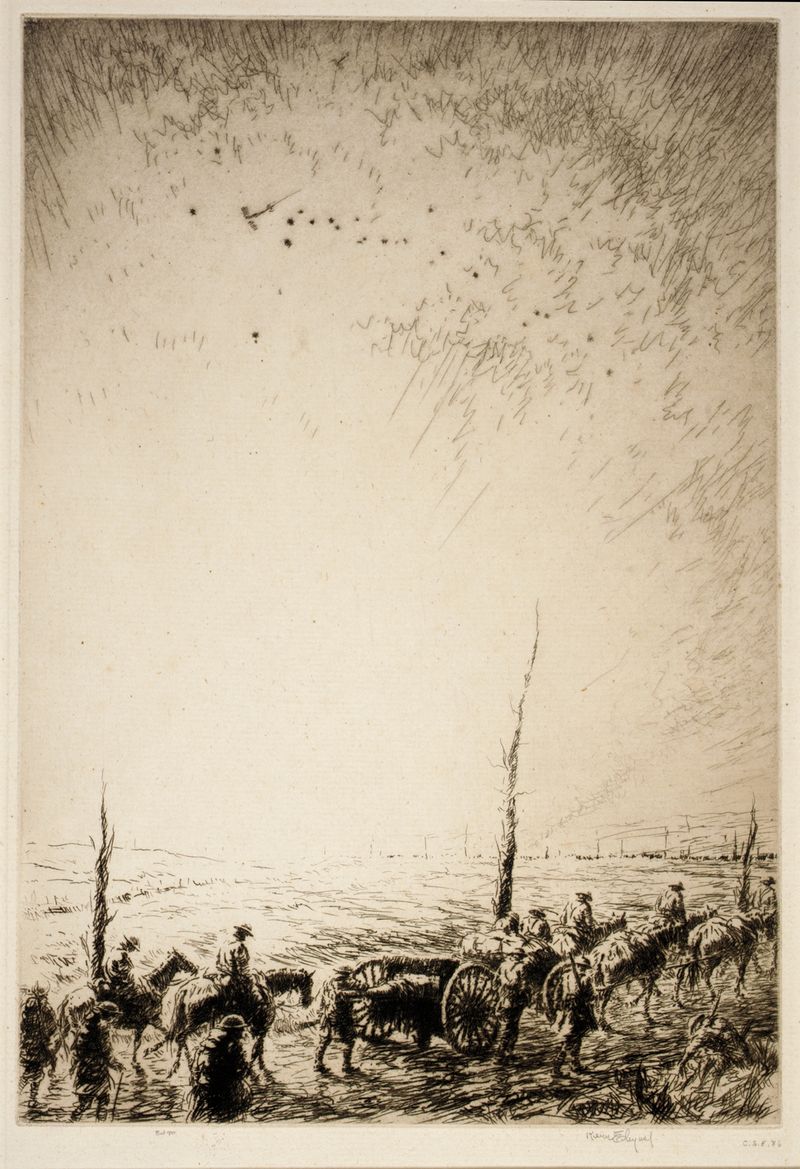
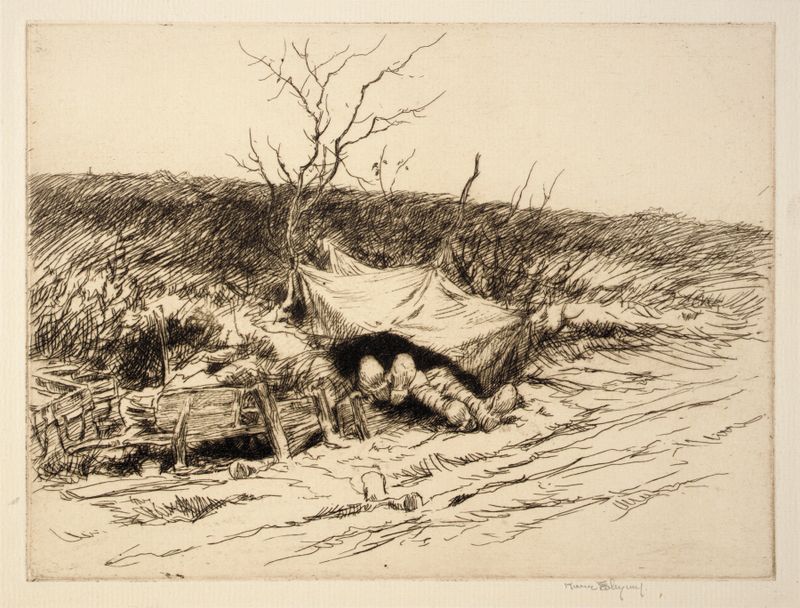
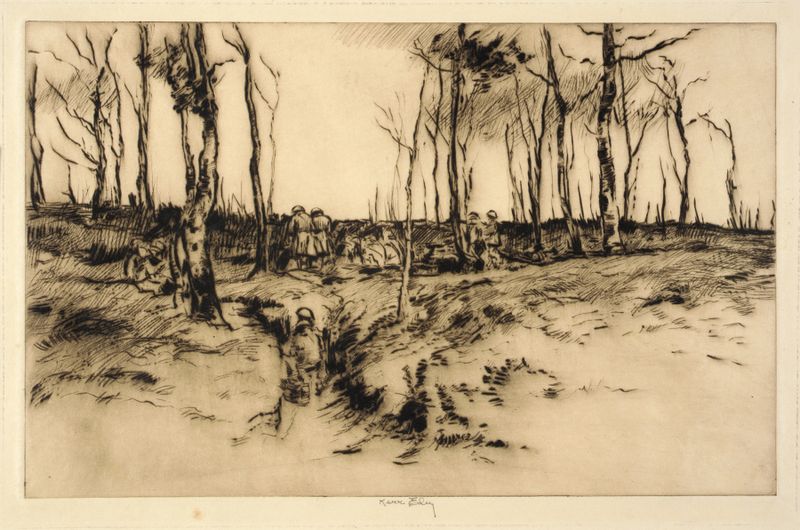
Could a single brushstroke hold eternity? In September 13th, a profound stillness envelops the viewer, inviting contemplation of isolation and the fragility of existence. Look to the left, where the landscape opens up in a sweeping expanse of muted colors. The horizon, a subdued blend of browns and grays, stretches endlessly, evoking the vastness of solitude. Notice how the delicate brushwork captures the whisper of wind, the soft touch of dusk settling in.
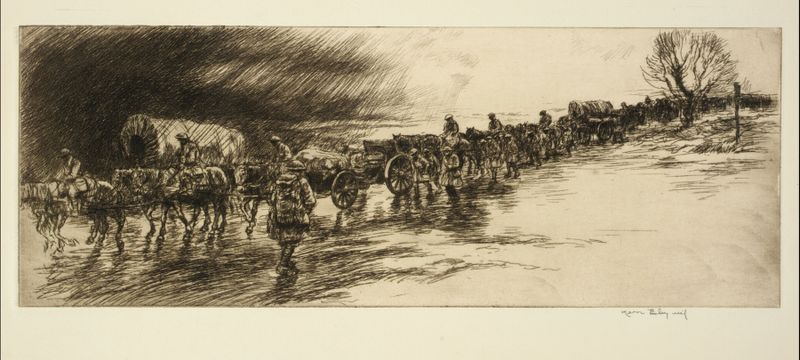
The shadowy figures in the foreground seem almost swallowed by the landscape, their forms blending seamlessly with the earth, creating a poignant sense of yearning and quiet despair. Eby’s choice of palette underscores the emotional weight of the scene; the cool tones convey a sense of melancholy, while the gentle contrasts between light and shadow hint at deeper emotional conflicts. The figures, though small, are imbued with an inexplicable significance, their silence resonating with the universal experience of loneliness. As viewers, we are left to ponder the stories etched in the landscape, the invisible burdens carried by these solitary figures. In 1918, Kerr Eby created this work during a tumultuous period marked by the aftermath of World War I.
Living in New York, he navigated the burgeoning art scene, influenced by both the devastation of war and a burgeoning interest in realism. This painting reflects not only personal introspection but also a broader commentary on the dislocation felt by many in an era rife with change and uncertainty.