
Sepulchres of the judges of Israel — History & Facts
Can paint confess what words never could? The silent whispers of grief linger in the stillness of the canvas, evoking a profound sense of loss that transcends language. Look to the foreground, where the sepulchres rest in solemn repose, their weathered stone surfaces etched with the passage of time. The artist employs a muted palette of grays and ochres, allowing the shadows to deepen and the light to caress the edges gently, creating a poignant contrast between decay and dignity. Notice how the intricate carvings on the tombs draw the eye, suggesting stories untold and lives once vibrant, now confined within the silence of eternity. Beneath the surface, the composition reflects the tension between mortality and memory.
Each sepulchre stands not only as a marker of a life lived but also as a reminder of the weight of collective sorrow. The absence of figures evokes a haunting sense of solitude, while the crumbling stones whisper the tales of the judges of Israel, their legacies both revered and forgotten. This juxtaposition of permanence and ephemerality enriches the emotional landscape, inviting contemplation of what it means to be remembered. In 1804, Mayer created this work amid the turbulent backdrop of early 19th-century Europe, where neoclassicism was beginning to entwine with Romantic sensibilities.
Living in England after fleeing the upheaval of the French Revolution, he explored themes of history and identity through his art. Sepulchres of the judges of Israel stands as a testament to the enduring power of memory in a world rife with change.
More Artworks by Luigi Mayer
Browse all →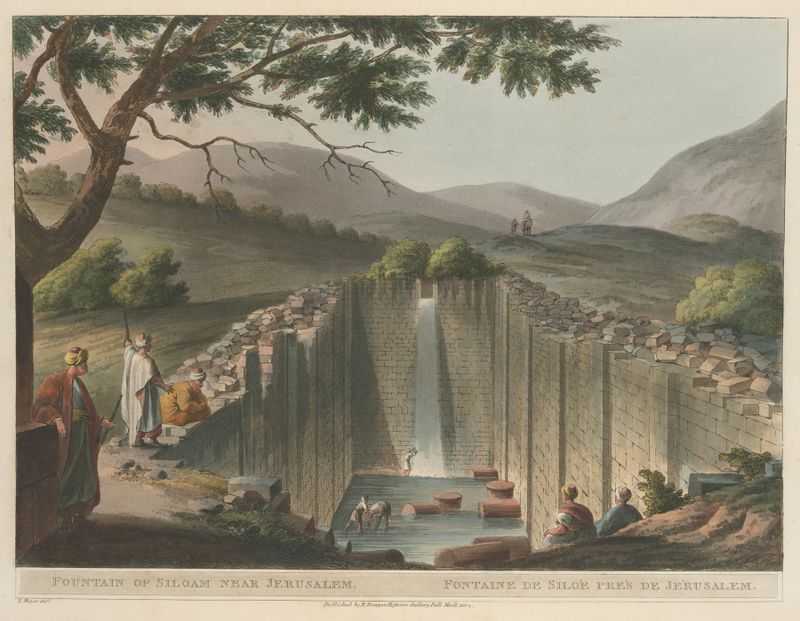
Fountain of Siloam Near Jerusalem
Luigi Mayer

View of the Dardanelles
Luigi Mayer
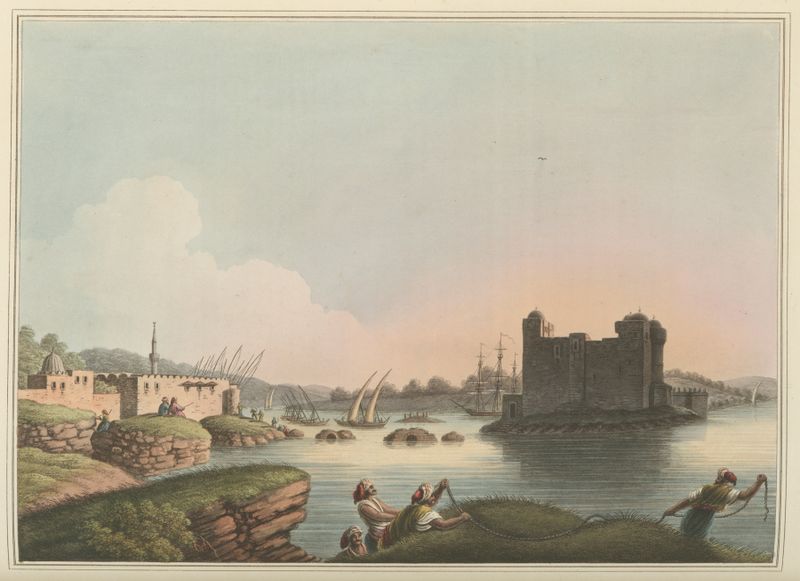
Port of Latachia
Luigi Mayer

Stadium at Ephesus
Luigi Mayer

Ancient Temples at Agrigentum
Luigi Mayer
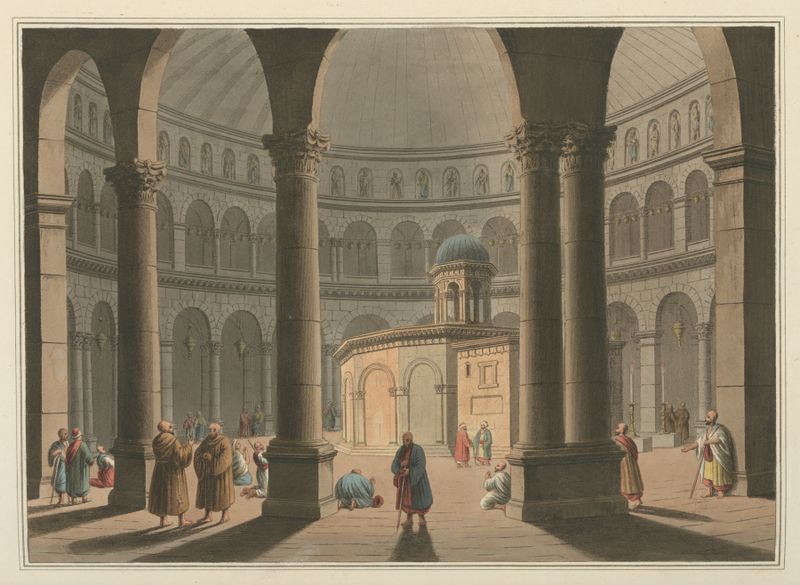
Church of the Holy Sepulchre
Luigi Mayer
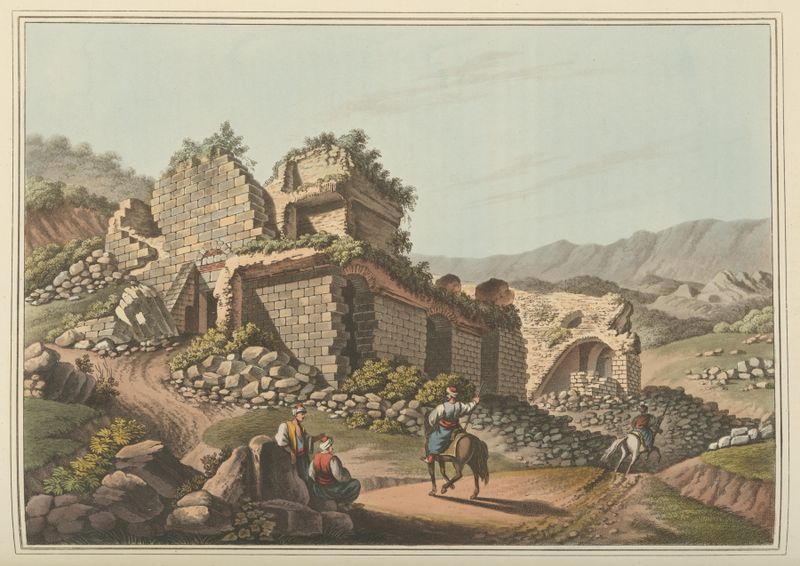
Theatre at Ephesus
Luigi Mayer
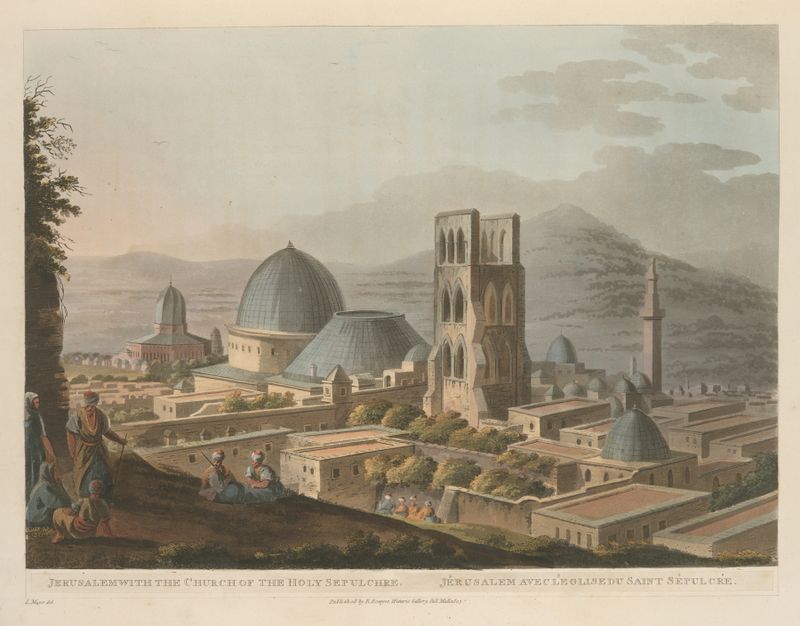
Jerusalem with the Church of the Holy Sepulchre
Luigi Mayer
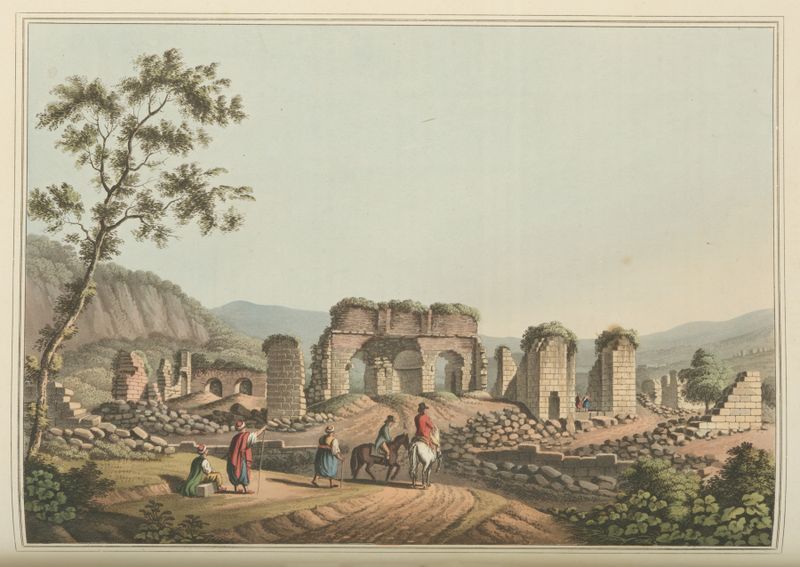
Ruins of the Temple of Diana at Ephesus
Luigi Mayer

Crater in the Island of Volcano
Luigi Mayer





