
Sergeant’s Inn — History & Facts
What if beauty was never meant to be finished? In Sergeant’s Inn, decay whispers through the brushstrokes, revealing a story that lingers in the air long after the moment has passed. Look to the center, where the remnants of the inn rise like a ghost from the earth. The structure, though crumbling, stands defiantly against a backdrop of muted greens and browns, invoking a bittersweet nostalgia. The painter employs an earthy palette, with streaks of ochre and gray blending seamlessly to evoke timeworn textures that draw viewers into its faded grandeur.
Notice how the light plays delicately across the weathered wood, hinting at the warmth of the past while highlighting the shadows of neglect that have claimed it. Delve deeper, and you will find the emotional tension between decay and beauty. Each chipped plank and overgrown vine speaks to the inevitable passage of time, while the faint traces of life still visible in the remnants suggest resilience. The juxtaposition of the inn's former glory against its current state invites contemplation about fleeting moments and the stories held within forgotten spaces.
One can almost hear the echoes of laughter and conversation, now silenced but still palpable in the air. In 1800, Samuel Ireland painted Sergeant’s Inn during a time of burgeoning Romanticism, as artists were increasingly drawn to the awe of nature and the passage of time. Living in London, Ireland was navigating both personal upheaval and the shifting tides of the art world, where the appreciation for landscapes and ruins began to flourish. This work reflects not just his own experiences but also the cultural movement that celebrated the beauty found in decay and the transient nature of existence.
More Artworks by Samuel Ireland
Browse all →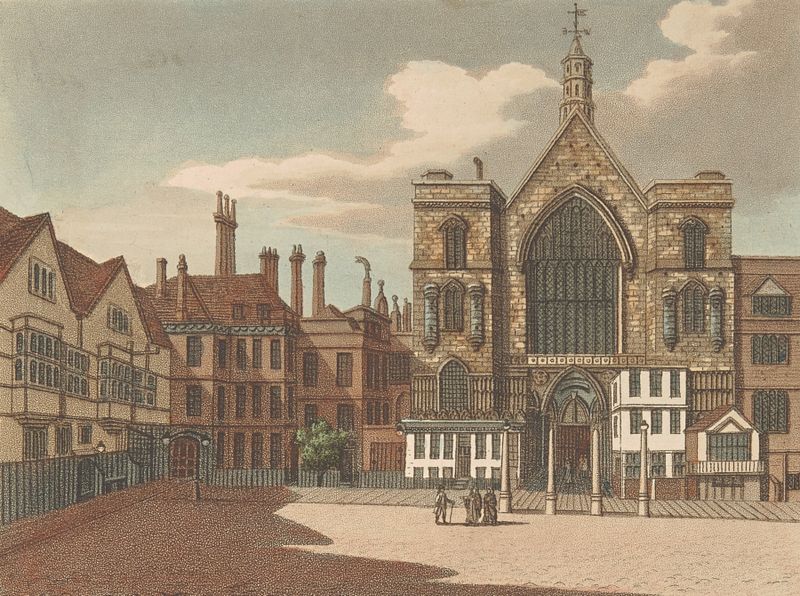
Westminster Hall
Samuel Ireland

Southwest View of Middle Temple
Samuel Ireland
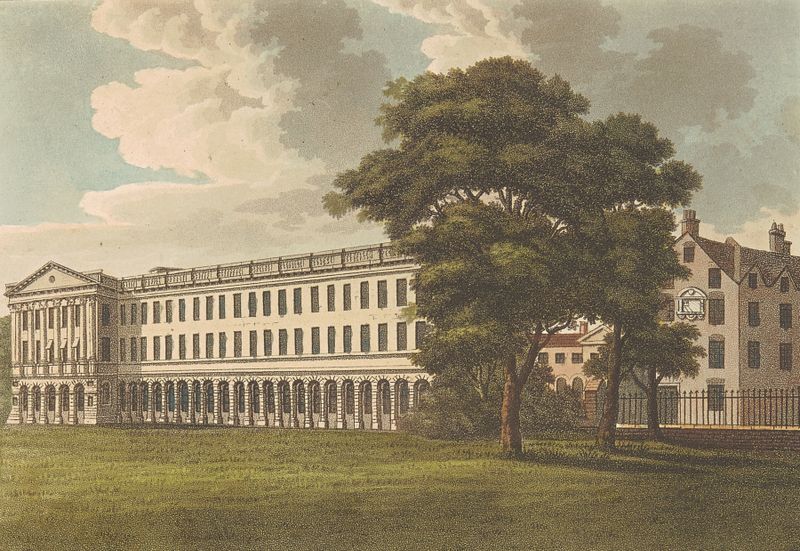
Stone Buildings, Lincoln’s Inn
Samuel Ireland
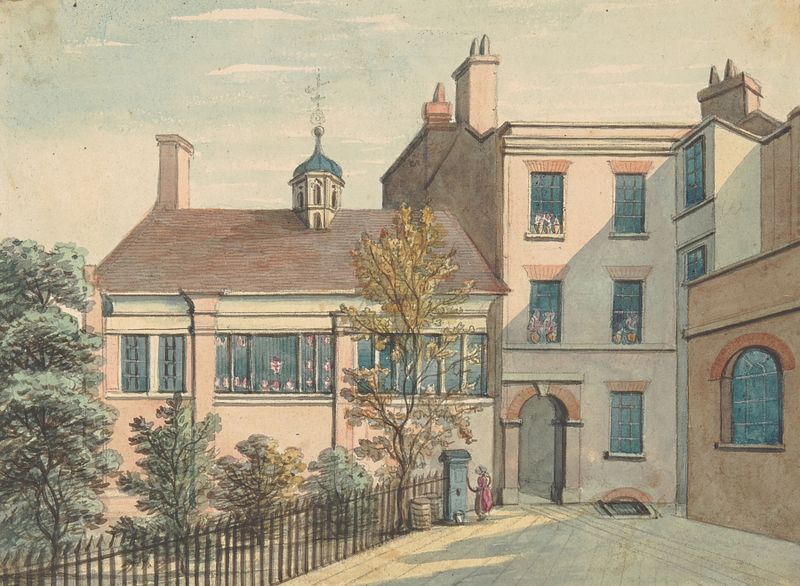
Barnard’s Inn
Samuel Ireland

Lincoln’s Inn Hall and Chapel
Samuel Ireland

Lion’s Inn
Samuel Ireland
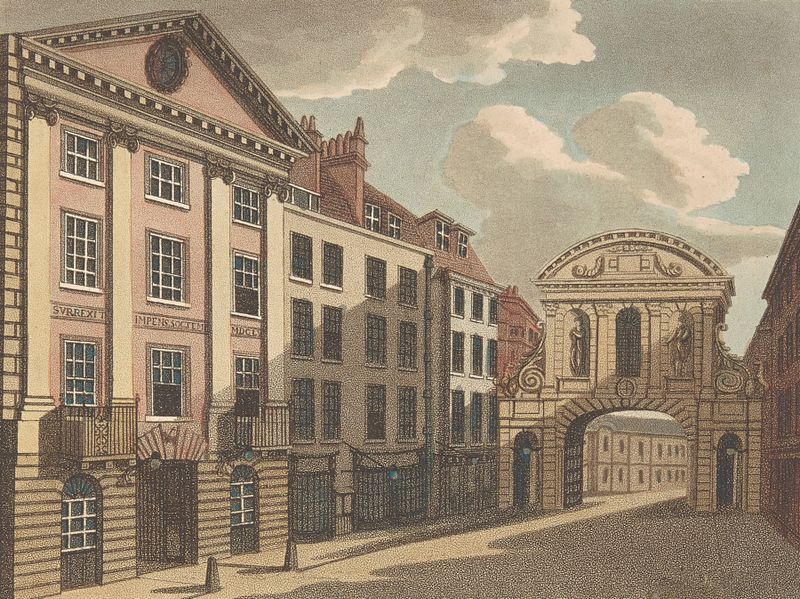
Middle Temple Gate
Samuel Ireland
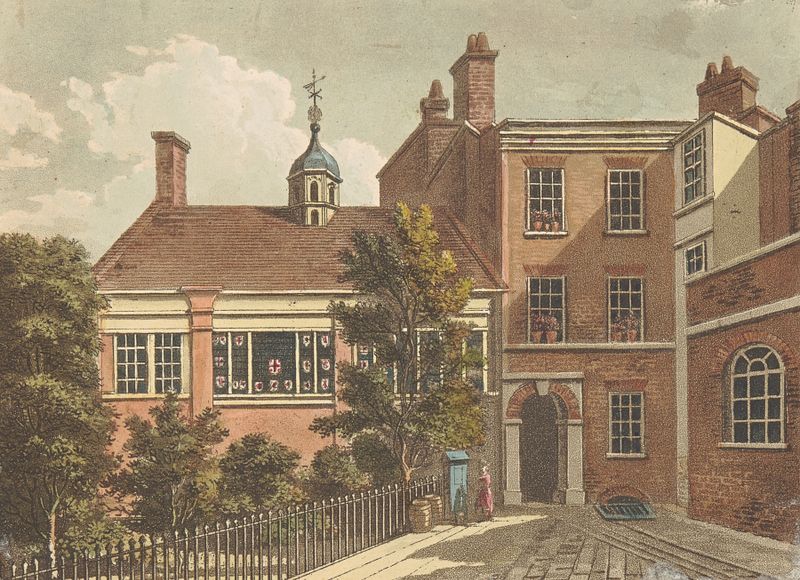
Barnard’s Inn
Samuel Ireland

Westminster Hall
Samuel Ireland
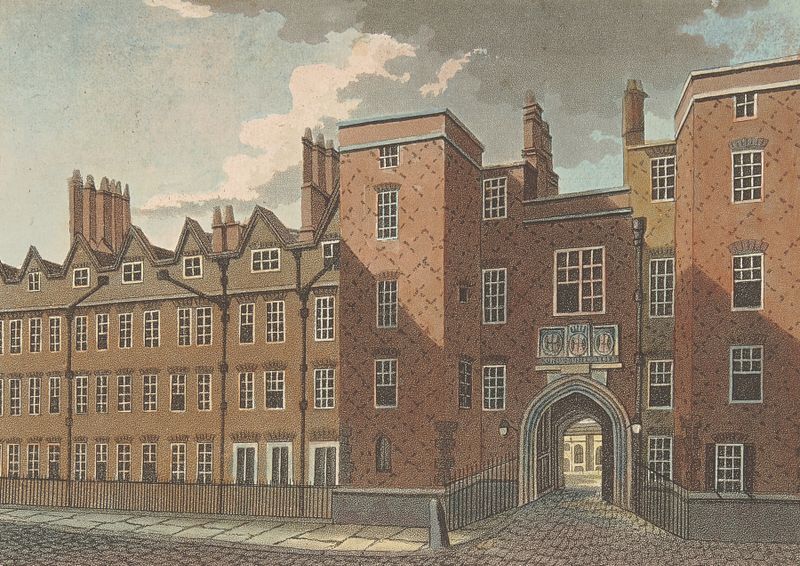
Lincoln’s Inn Gate
Samuel Ireland
More Architecture Art
Browse all →
The statue of Liberty
Frédéric Auguste Bartholdi

View of Houses in Delft, Known as ‘The Little Street’
Johannes Vermeer

View of Houses in Delft, Known as ‘The Little Street’
Johannes Vermeer

The Cathedral in Rouen. The portal, Grey Weather
Claude Monet

The yellow house
Vincent van Gogh

The Church in Auvers-sur-Oise, View from the Chevet
Vincent van Gogh