
Service in a Norwegian Country Church — History & Facts
A shaft of pale light slices through the dim interior, catching on the upturned hymnbook of a woman in vivid red, her voice surely rising above the hush. Every face in Service in a Norwegian Country Church is turned toward some private moment—some in song, some in prayer, some lost in thought—yet the painter, Adolph Tidemand, binds them together in a single, living congregation. The warm, honeyed wood of the pews and galleries draws the eye deeper into the space, while the angled beams and shadows carve out small pockets of drama: a mother soothing her child, a man in the gallery leaning forward with his book, the pastor bowed in silent preparation at the altar.
The painting’s choreography is deliberate; the central woman’s gesture, hymnbook raised, becomes the visual and emotional anchor, signaling not just devotion but the act of communal participation. Works like this, painted in 1845 and now held by the National Museum of Art, Architecture and Design, belong to a moment when artists across Scandinavia turned their gaze to the everyday rituals of rural life. In the wake of national romanticism, scenes of local churches and folk costumes became a kind of visual anthem, celebrating the persistence of tradition in a rapidly changing world. Such paintings were often commissioned or collected by those eager to affirm a shared identity, and they found an eager audience among city dwellers nostalgic for the countryside.
Little is recorded about the specific origins of this painting, but its careful attention to costume, gesture, and light situates it firmly in the heart of nineteenth-century Norwegian self-discovery. Stand before it, and you are invited into the hush and warmth of a Sunday long past, the moment when a community becomes visible in the act of gathering.
More Artworks by Adolph Tidemand

Bridal Procession on the Hardangerfjord
Adolph Tidemand
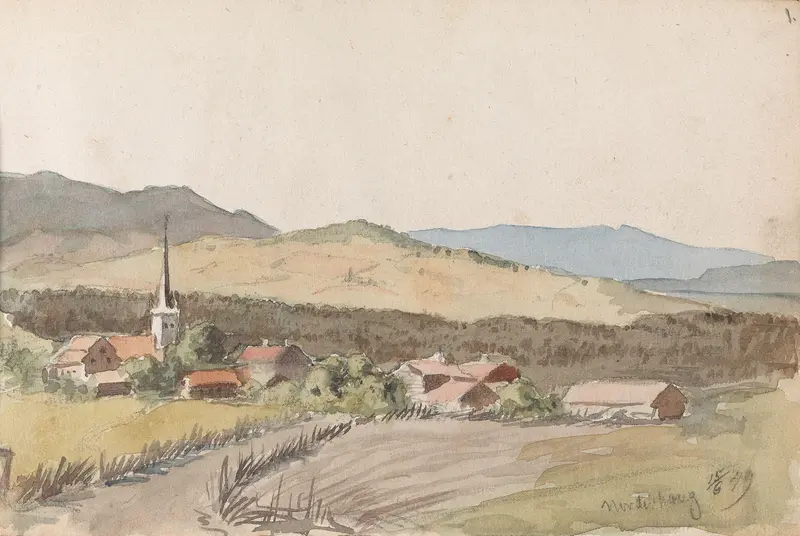
Fra Haugsbygd
Adolph Tidemand
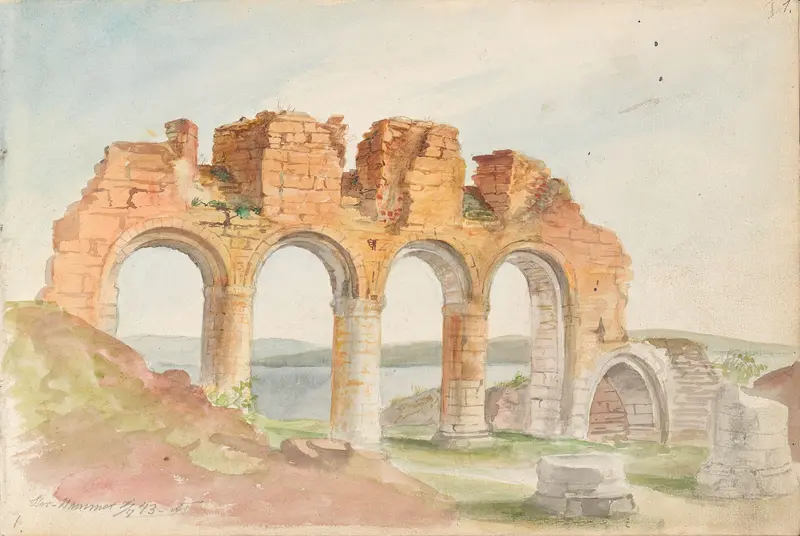
Domkirkeruinen, Hamar
Adolph Tidemand
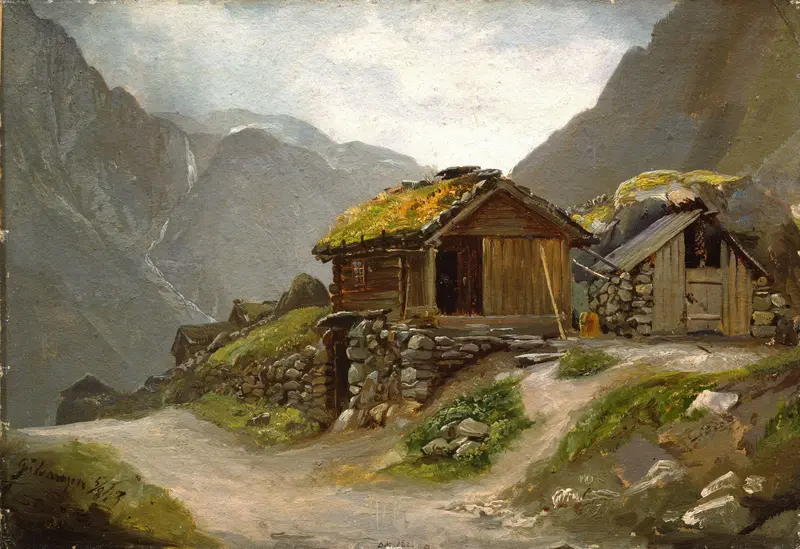
View from Gudvangen
Adolph Tidemand
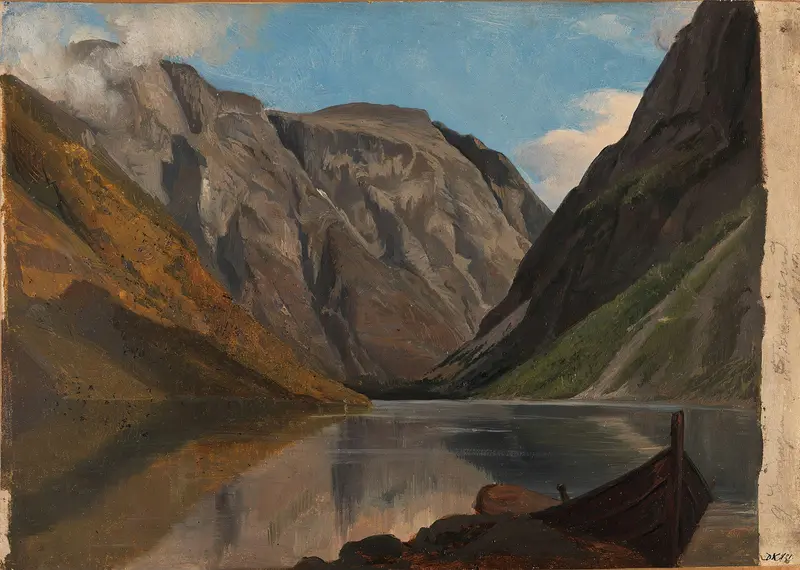
View of Gudvangen
Adolph Tidemand
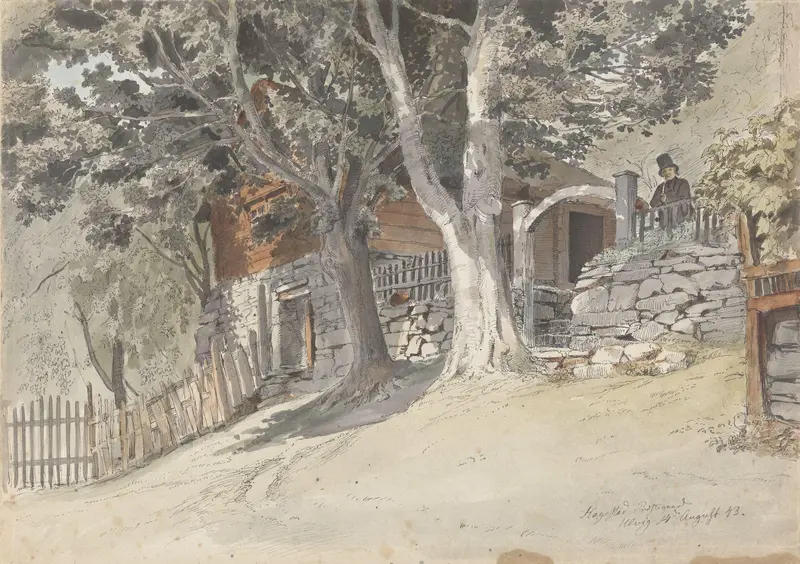
Hagestad prestegård, Ulvik i Hardanger
Adolph Tidemand
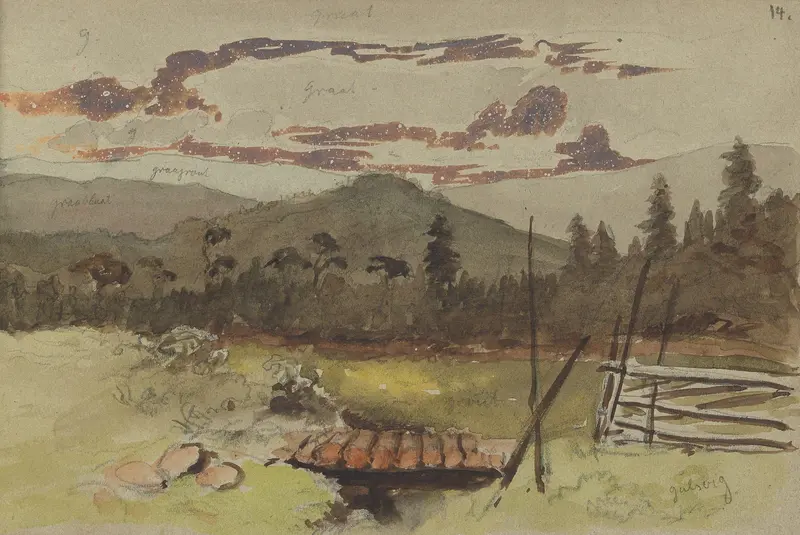
Fra Gulsvik
Adolph Tidemand
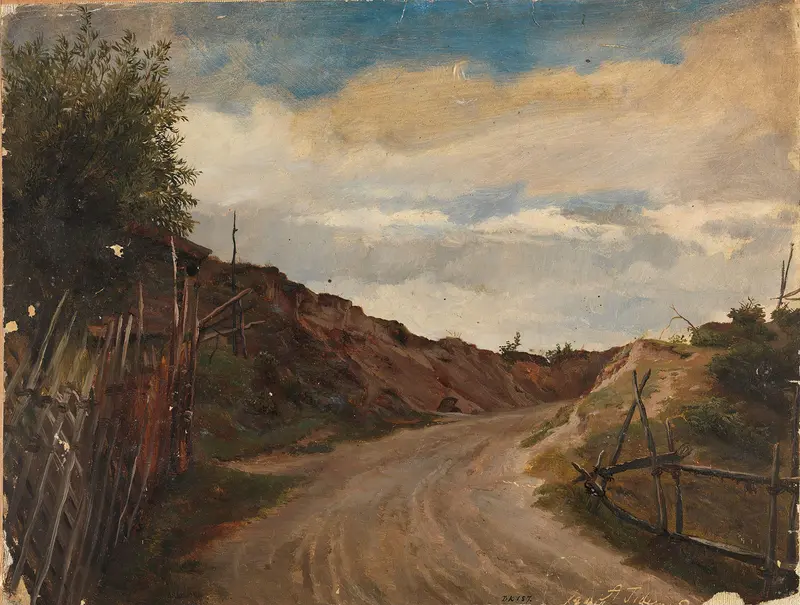
Country Road
Adolph Tidemand
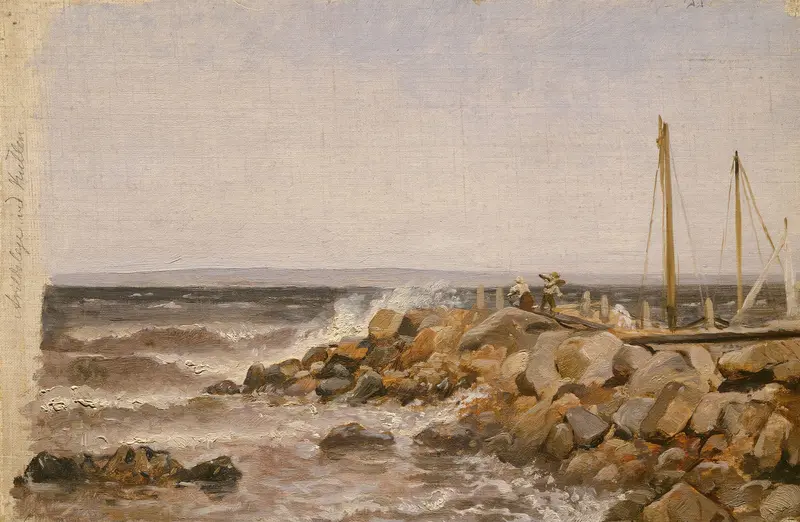
From Kullen in Sweden
Adolph Tidemand
Untitled
Adolph Tidemand
More Genre Scene Art

Banquet of the Officers of the St George Civic Guard
Frans Hals

Rembrandt and Saskia in the Scene of the Prodigal Son
Rembrandt van Rijn

Bal du moulin de la Galette
Pierre-Auguste Renoir

Quadrille at the Moulin Rouge
Henri de Toulouse-Lautrec

A Burial at Ornans
Gustave Courbet

When Will You Marry?
Paul Gauguin