
Seven Sorrows Polyptych:Sorrowing mother — History & Facts
What first grips the viewer in this panel from Seven Sorrows Polyptych: Sorrowing mother by Albrecht Dürer is the way sorrow is made visible, not through spectacle, but through a quiet, almost sculptural stillness. The Virgin stands, her hands crossed tightly over her chest, eyes lifted in silent anguish, her mouth parted as if caught between prayer and lament. The deep blue of her robe pools in heavy folds, drawing the eye downward, while her golden halo and luminous complexion pull us back up to her face—a face that holds the viewer’s gaze with its searching, unguarded grief.
The white veil frames her features, a softening counterpoint to the emotional intensity within. This image belongs to a world where paintings were not only objects of devotion but also tools for meditation. Created between 1495 and 1498, this work reflects the late 15th-century fascination with the inner life of sacred figures, a hallmark of Northern European art. Such images were often commissioned for private chapels or altarpieces, intended to help the faithful contemplate the Virgin’s suffering and, through her, their own.
While history has kept few traces of this panel’s specific journey, its survival in the Google Arts & Culture collection today lets us stand before it as its first viewers did—face to face with sorrow, rendered in paint and gold.
More Artworks by Albrecht Dürer

Melancholia
Albrecht Dürer

St. George and the dragon.
Albrecht Dürer
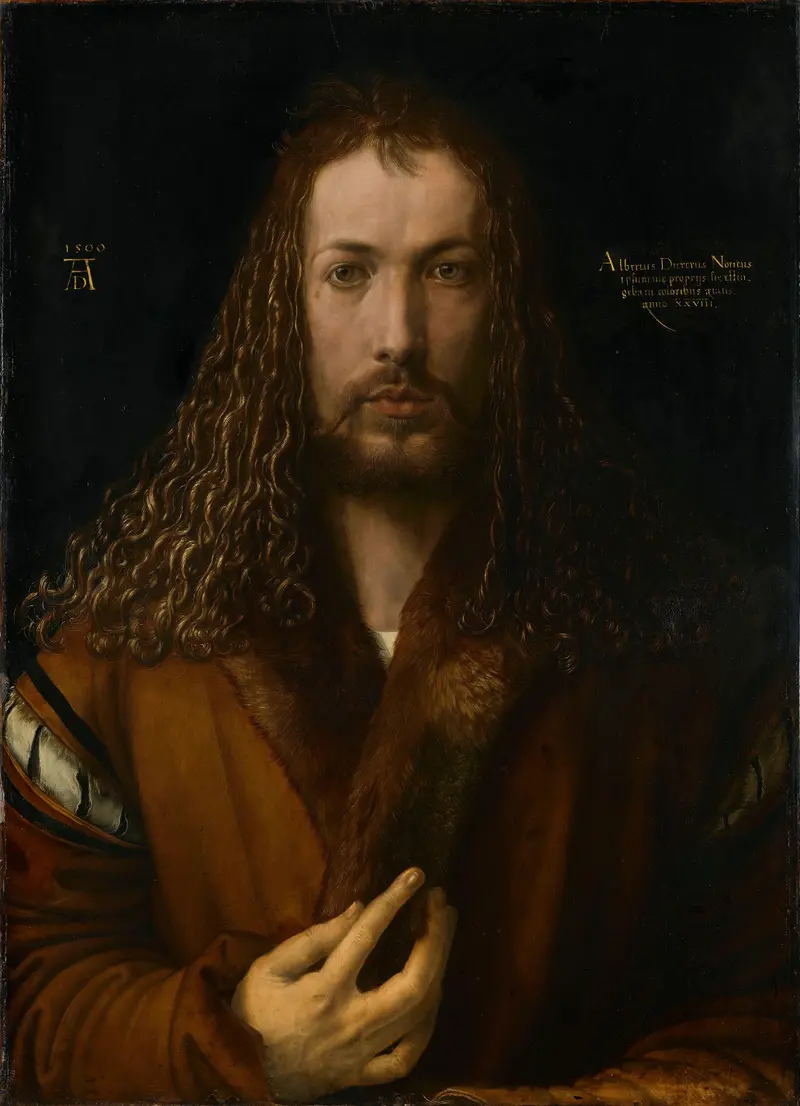
Self-Portrait with Fur-Trimmed Robe
Albrecht Dürer

Wing of a European Roller
Albrecht Dürer

Iris
Albrecht Dürer

The Great Piece of Turf
Albrecht Dürer
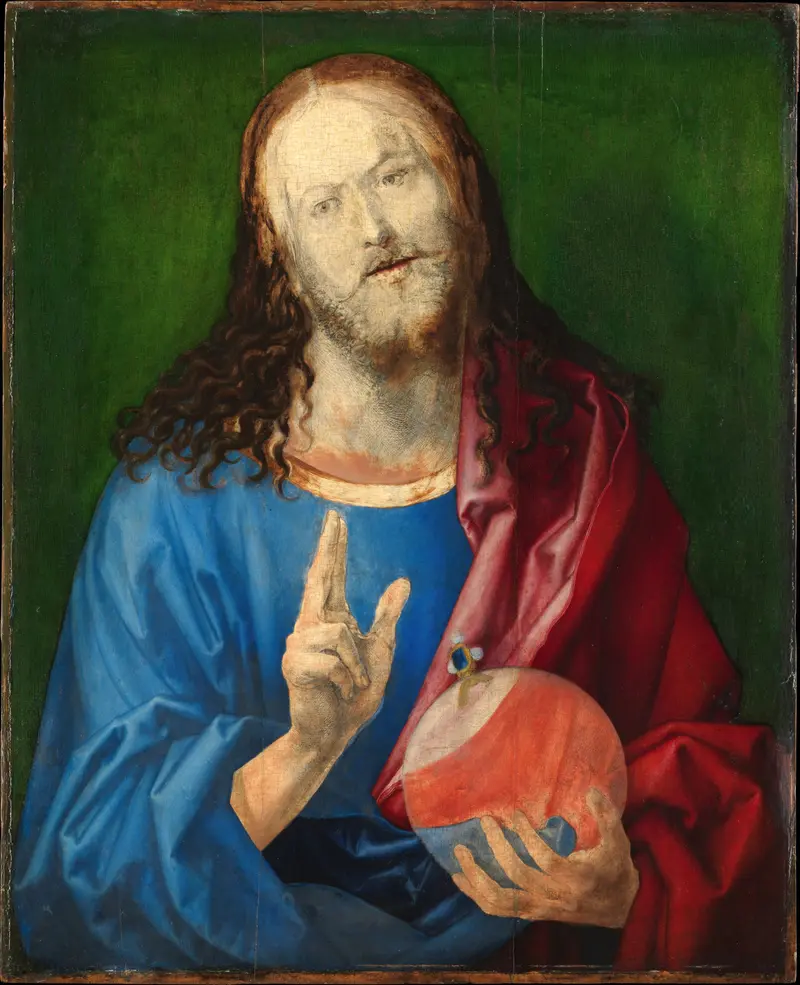
Salvator Mundi
Albrecht Dürer
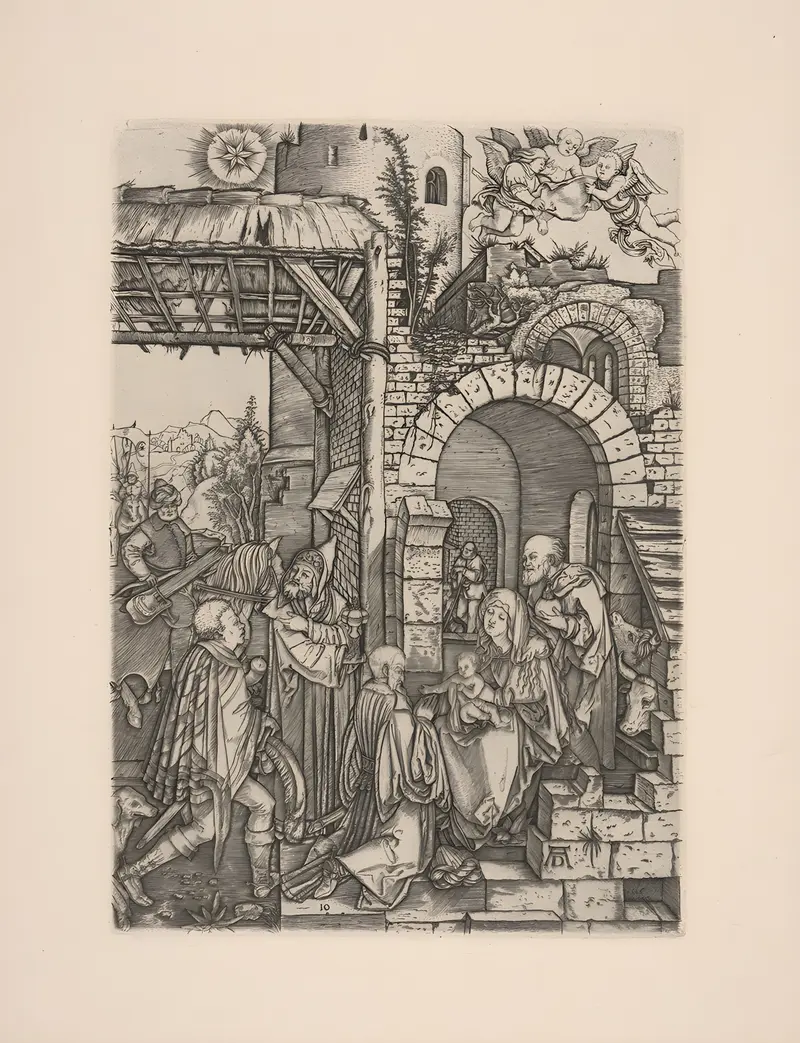
The Adoration of the Magi
Albrecht Dürer
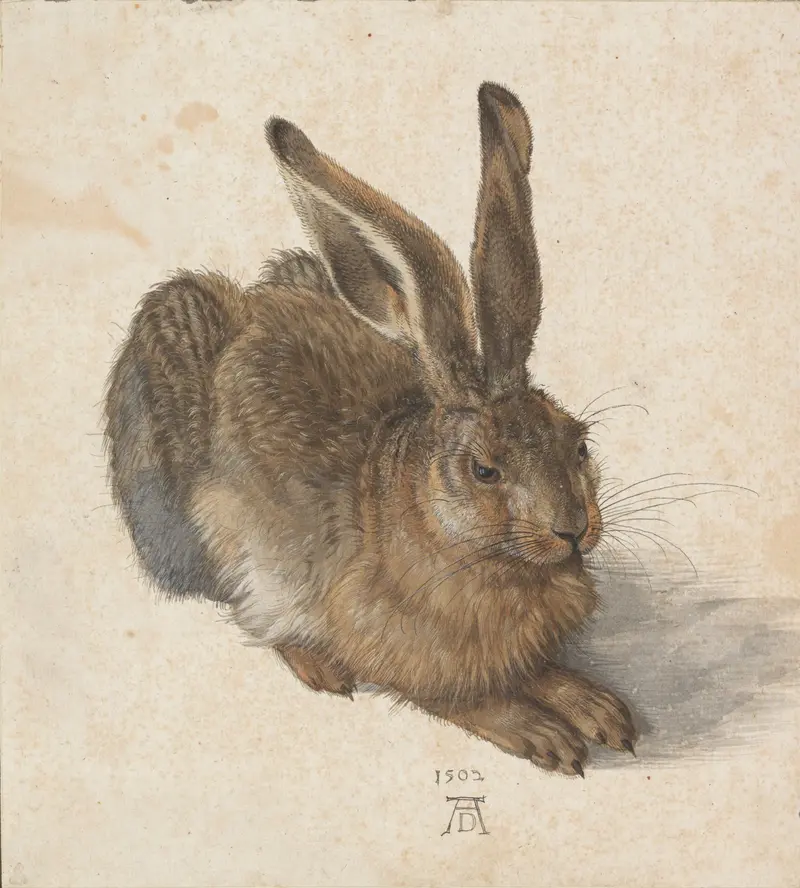
Young Hare
Albrecht Dürer
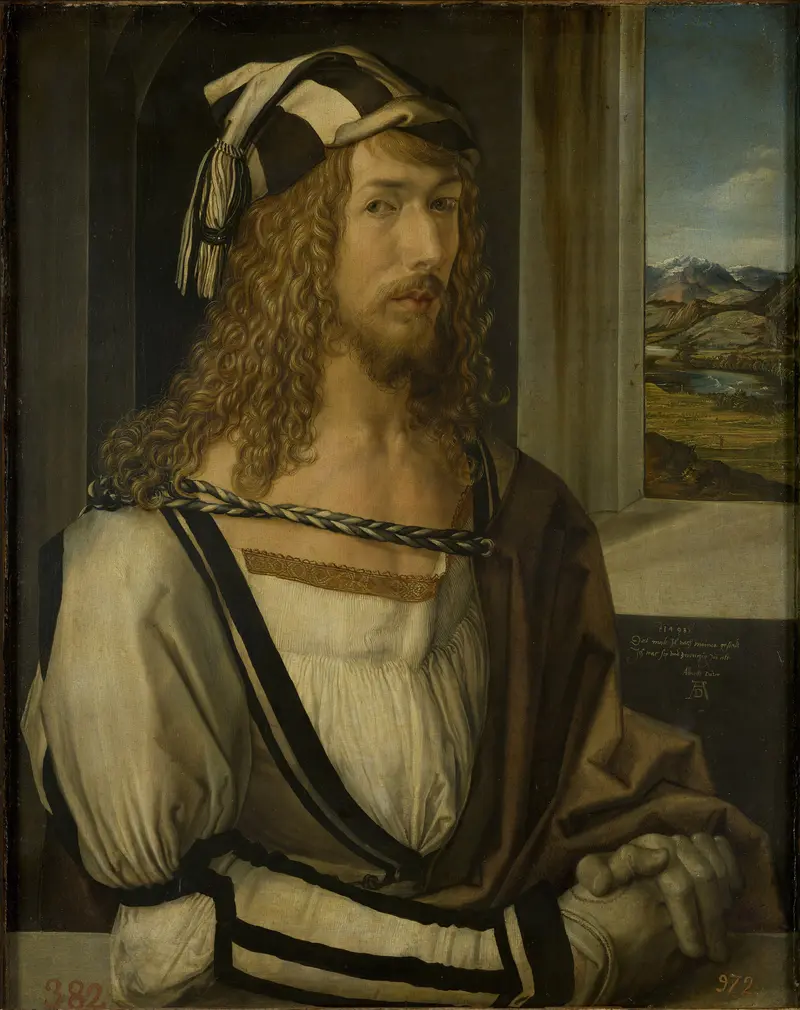
Self-portrait
Albrecht Dürer





