Shadows — History & Facts
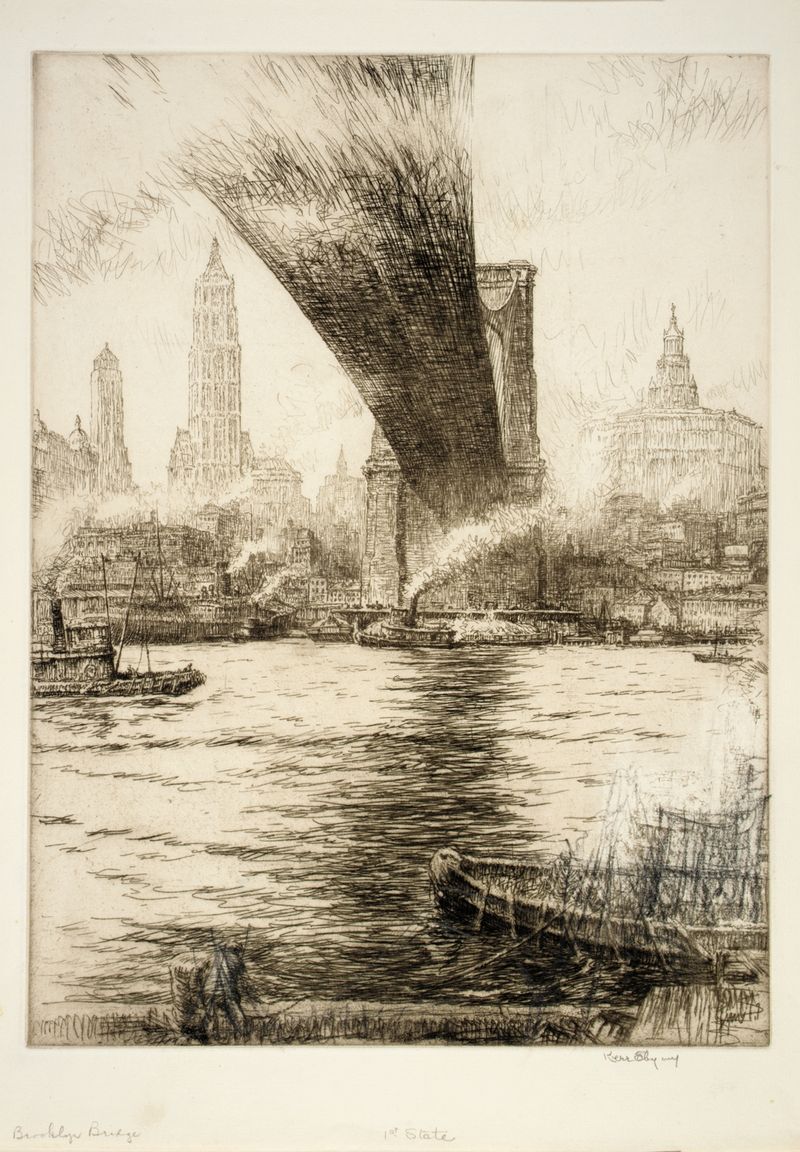
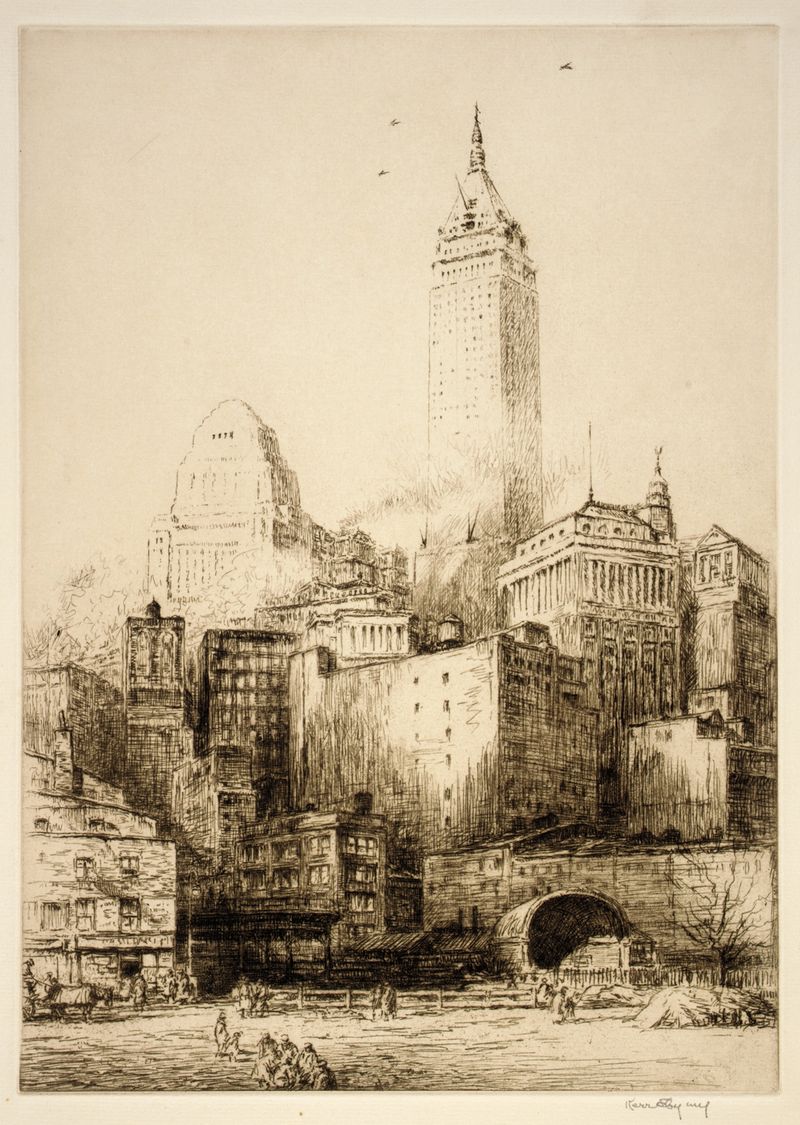
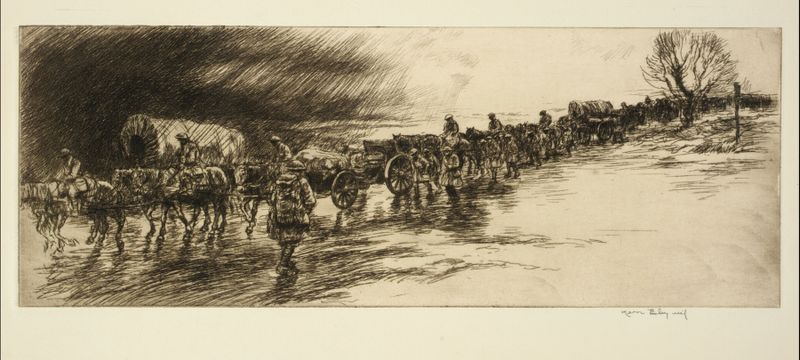
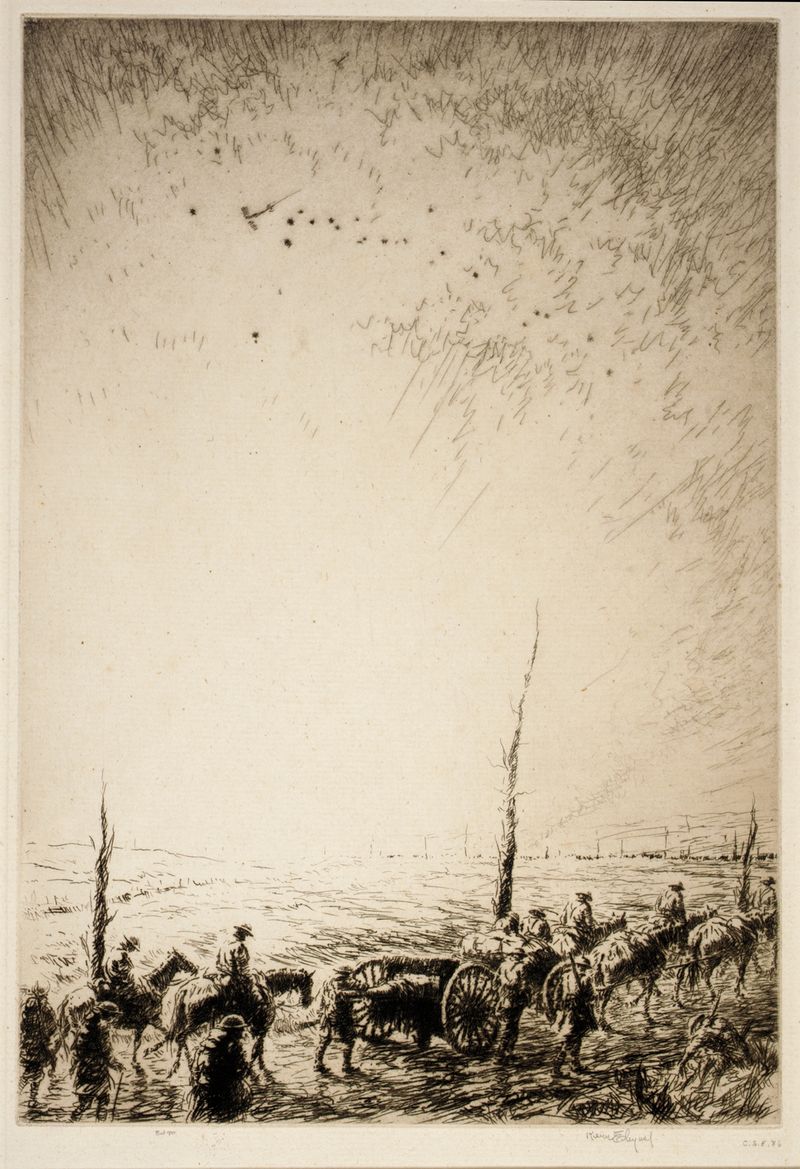
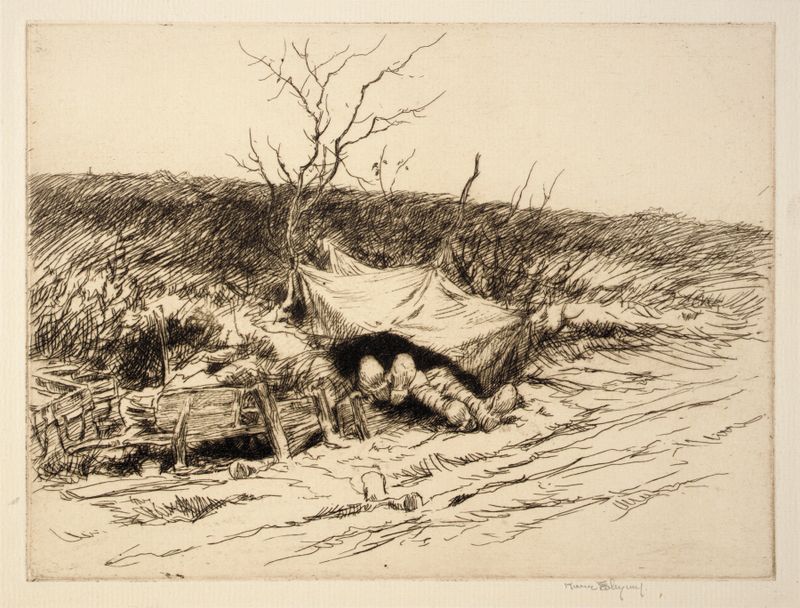
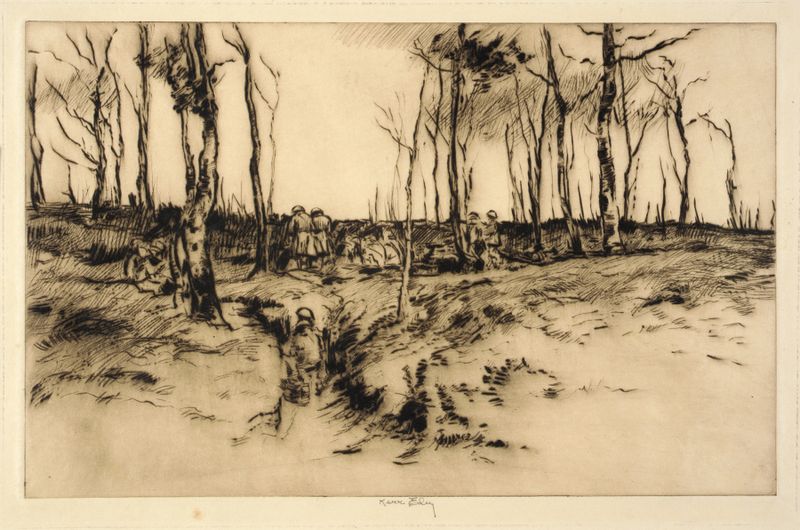
Could a single brushstroke hold eternity? In Shadows, the essence of revolution echoes through every layer, as if the artist captured the pulse of a moment that transcends time itself. Look to the left at the powerful interplay of light and shadow, where figures emerge from the darkness, their forms rendered in striking contrasts. The deft use of charcoal and ink creates a visceral depth, while muted grays and blacks dominate the palette, evoking a sense of urgency and unrest. Notice how the bold strokes, filled with emotion, intricately weave together, suggesting both movement and stillness, inviting viewers to step into the turmoil of the era and feel the weight of history. Beneath the surface, Shadows reveals the tension between hope and despair.
The blurred edges of the figures signify the fleeting nature of revolutionary ideals, hinting at the struggle to grasp the intangible. Furthermore, the stark contrast between light and dark symbolizes the duality of human existence—freedom and oppression, joy and sorrow—inextricably entwined in a single moment of time. Each detail, from the anguished expressions to the chaotic arrangement, speaks of a collective yearning, capturing the spirit of an age caught between worlds. In 1936, Kerr Eby was living in New York, where the art scene was brimming with experimentation and social consciousness.
Influenced by the tumultuous events of the Great Depression and a rise in political awareness, he sought to channel the collective anxieties and aspirations of society into his work. This period marked a significant moment in his career, as he delved into themes of struggle and identity, making Shadows a poignant reflection of his time.