
Sharamaru Gaaden (Shalimar Garden, Lahore) — History & Facts
The sun hangs low in the sky, casting a warm, golden hue over the Shalimar Garden, a moment suspended between day and twilight. A solitary figure strolls along the path, their silhouette softly outlined against the vibrant blooms and the serene waters of the reflecting pools. The air is thick with the scent of jasmine, intertwining with the silence that envelops the garden, creating a palpable sense of both tranquility and longing. Look to the left at the intricate tile work that adorns the fountains, each mosaic piece capturing the light and reflecting an array of colors, from deep aquamarines to soft lilacs.
Notice how the artist has meticulously painted each leaf and petal, the brushstrokes alive with energy yet tinged with a sense of melancholy. The composition draws your eye toward the central axis, where the water glistens, tempting you into the depths of this serene oasis. Amidst the lush greenery, one can feel the weight of history—a blend of joy and sorrow embedded in the landscape. The solitary figure embodies the theme of solitude, possibly reflecting the artist's own emotional states or the broader cultural dislocation of the time.
The juxtaposition of flourishing nature against the serene stillness of the water emphasizes a longing for connection, a transcendence that remains just out of reach. In 1932, the artist was in Japan, reflecting on a tumultuous period of personal and societal change. Having established his reputation for landscape prints, Hiroshi was experimenting with new techniques and styles, exploring themes of beauty intertwined with deeper, often melancholic emotions. The world around him, marked by shifting political landscapes and cultural introspection, influenced this painting, infusing Sharamaru Gaaden with layers of meaning that resonate even today.
More Artworks by Yoshida Hiroshi
Browse all →
Crytomeria Avenue (Sugi Namiki)
Yoshida Hiroshi
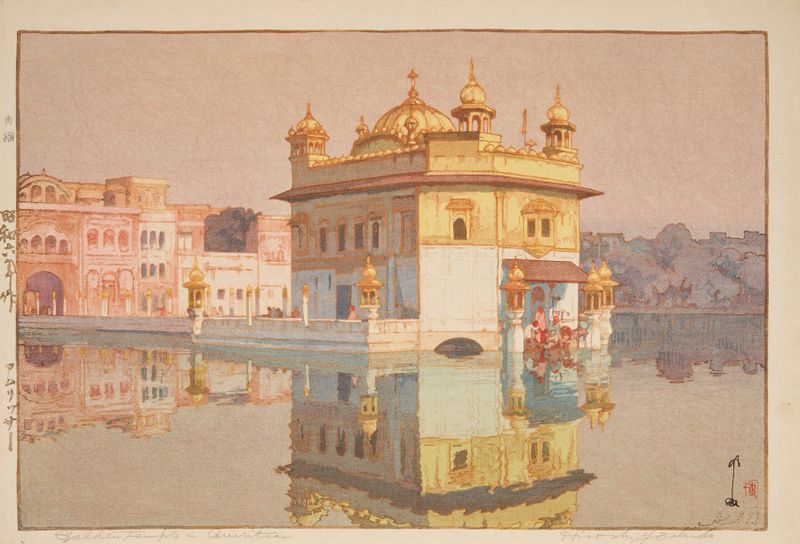
Amurissaa (Golden Temple in Amritsar)
Yoshida Hiroshi

High Gate in Ajmer (Ajumeru no Berenderuwajaa)
Yoshida Hiroshi

Fujiyama from Gotemba
Yoshida Hiroshi
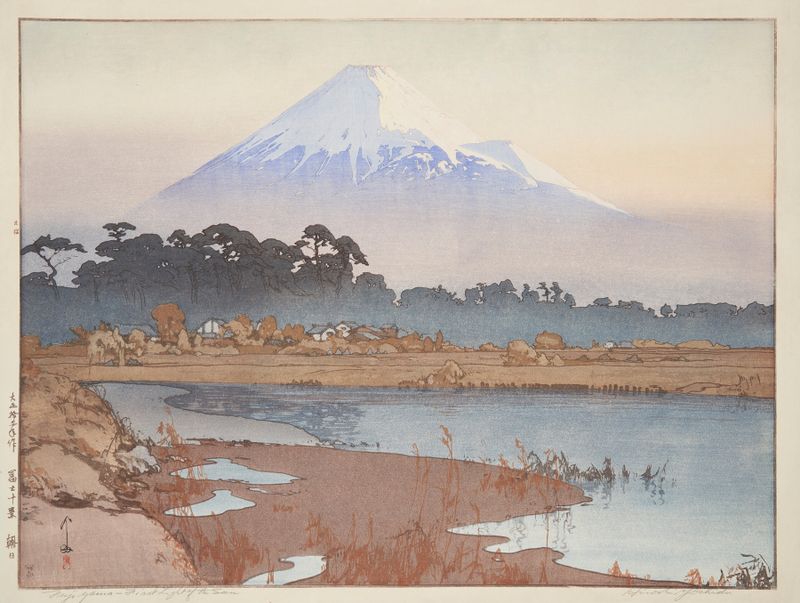
Asahi (Sunrise).
Yoshida Hiroshi
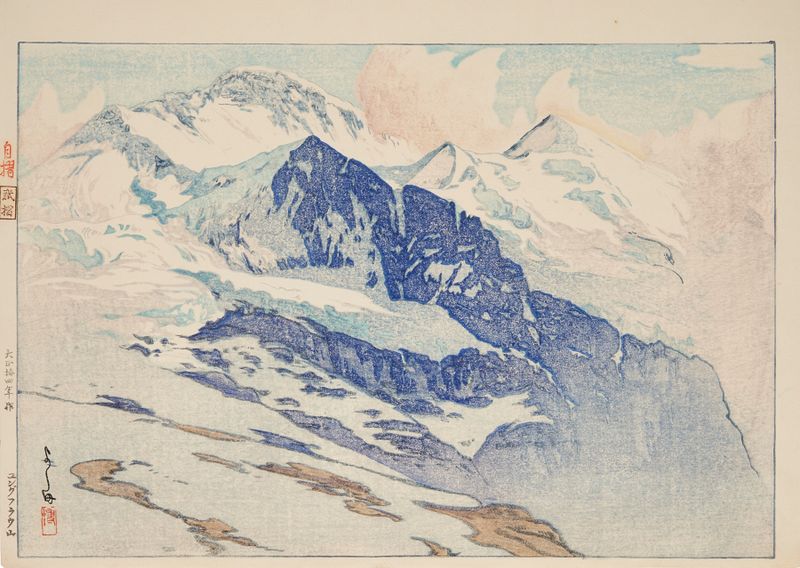
Yungufurau-yama (Jungfrau)
Yoshida Hiroshi
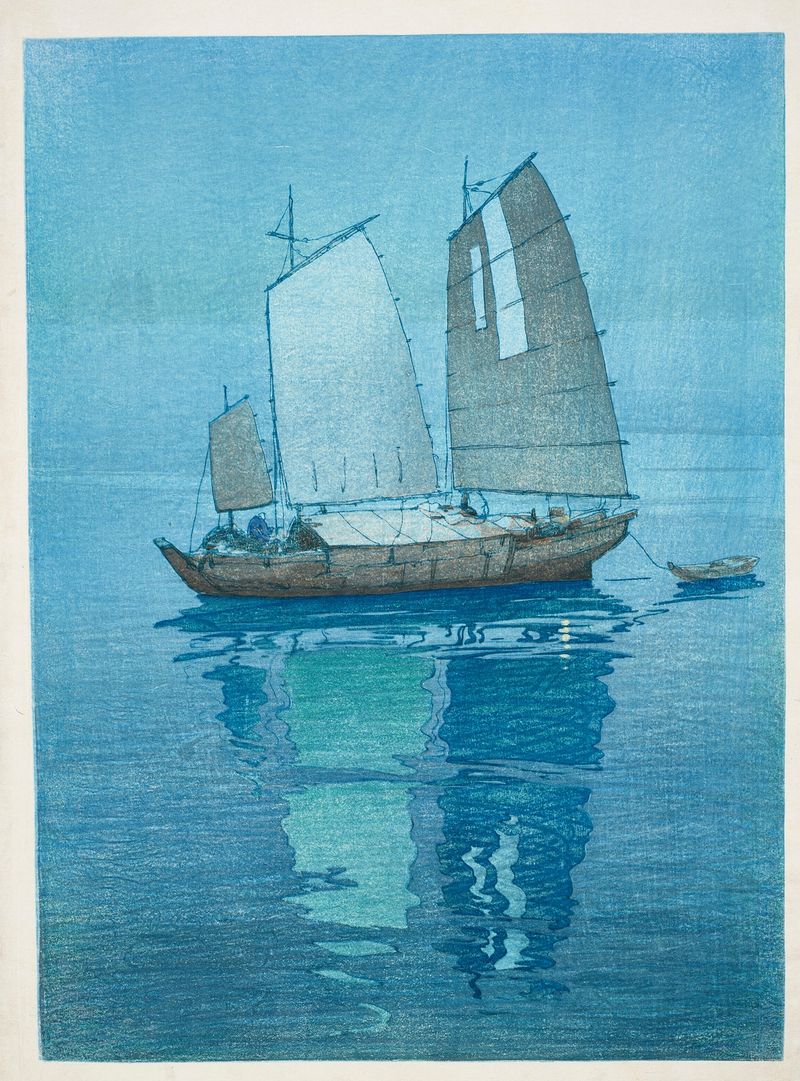
Hansen (Sailing Boats)
Yoshida Hiroshi
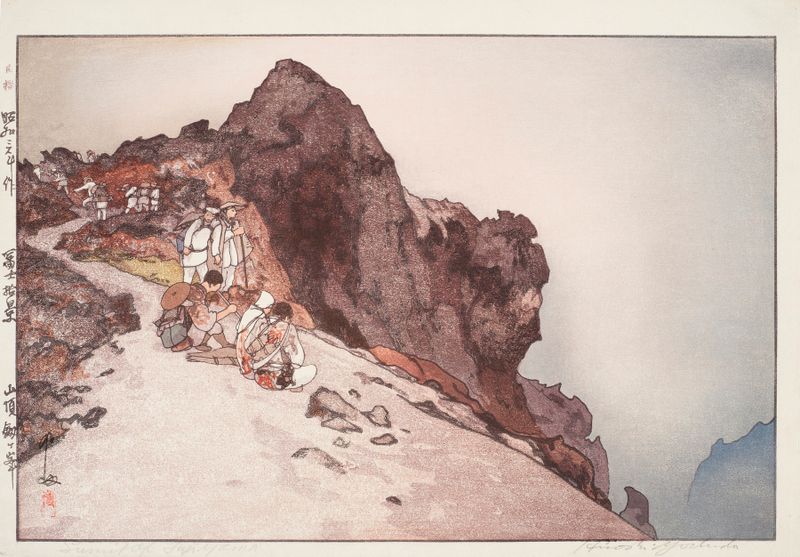
Summit of Mount Fuji
Yoshida Hiroshi

Sailing Boats — Night, from the series ‘The Seto Inland Sea’
Yoshida Hiroshi
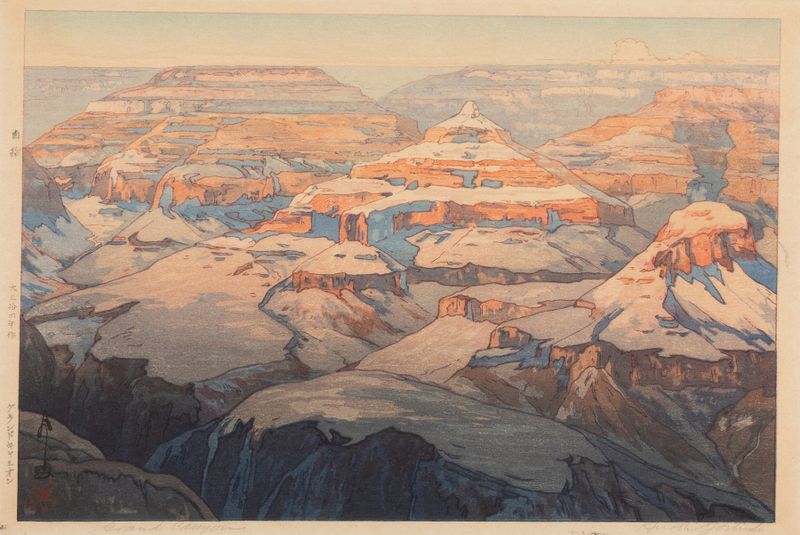
Grand Canyon (Gurando Kyanion)
Yoshida Hiroshi





