
Sheep in rainy landscape — History & Facts
When did color learn to lie? As the tempest unfurls its dark canopy above the land, a delicate tension hangs in the air, blurring the line between life and death, beauty and decay. Look to the foreground where soft, woolly forms huddle together, their muted greys and whites blending seamlessly with the overcast sky. The artist’s brushwork celebrates the textures of the sheep’s coats, contrasting them against the damp earth, awash with deep greens and browns. Notice how the light, filtered by the heavy clouds, dances across the scene, creating a somber yet enchanting atmosphere that invites contemplation. Beneath the surface, the painting hints at themes of mortality and vulnerability.
The sheep, seemingly oblivious to the impending storm, are a poignant reflection of nature’s fragility. The color palette, dominated by somber hues, adds depth to this sense of foreboding, while the heavy brushstrokes evoke the weight of the clouds, symbolizing the burdens we all carry. This harmonious dissonance calls viewers to question their own existence amid the unrelenting march of time. In the late 19th century, Adolf Kaufmann created this piece during a transformative period in the art world, navigating the transition from Romanticism to Impressionism.
Working amid the vibrant art scene of Germany, Kaufmann focused on landscapes that captured the essence of the natural world. This painting reflects not only his mastery of color and texture but also the broader existential themes that artists began to explore during that era.
More Artworks by Adolf Kaufmann
Browse all →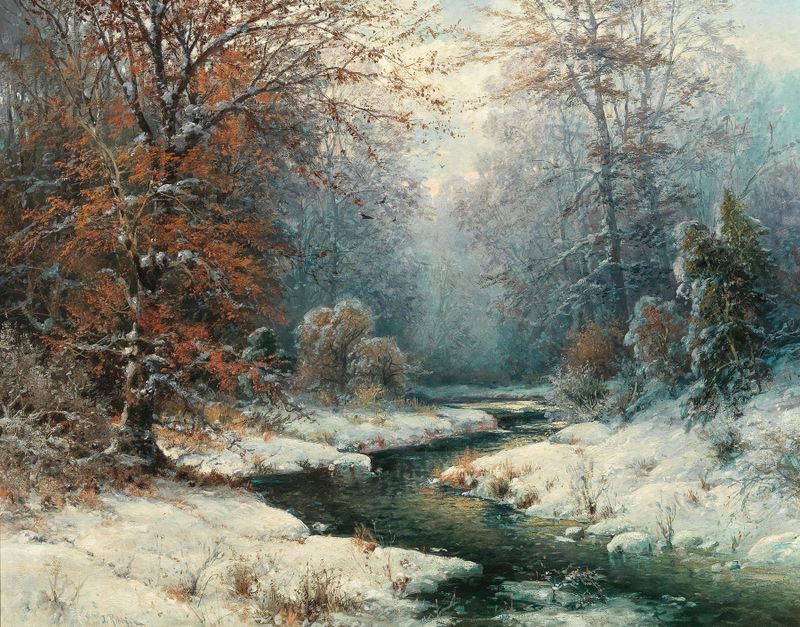
Winterliche Flusslandschaft
Adolf Kaufmann
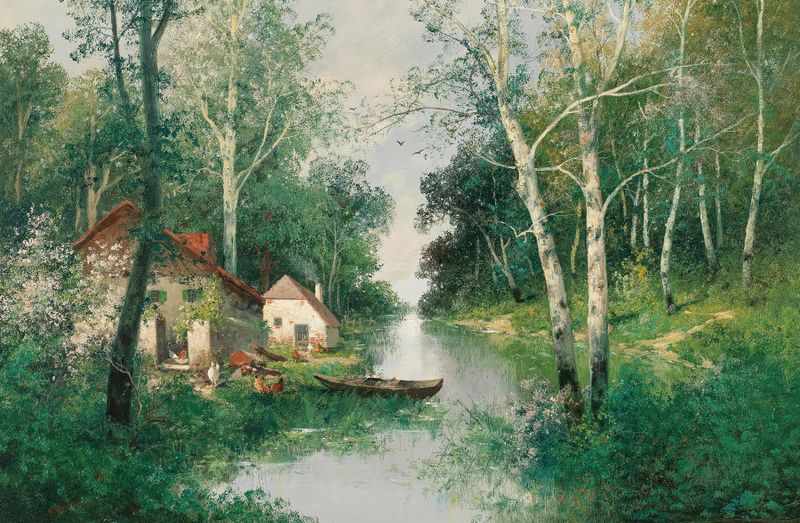
A River Landscape in Spring
Adolf Kaufmann
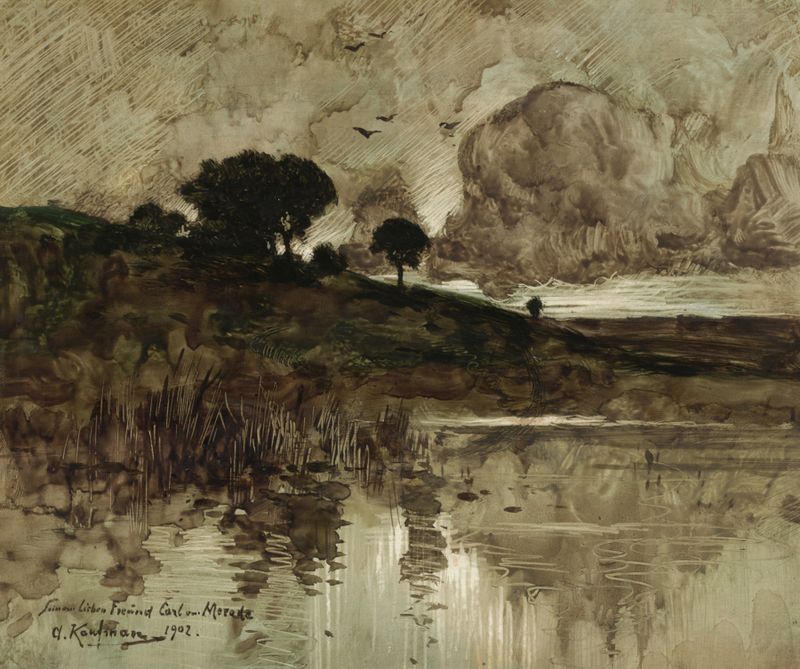
Herbstabend am See
Adolf Kaufmann
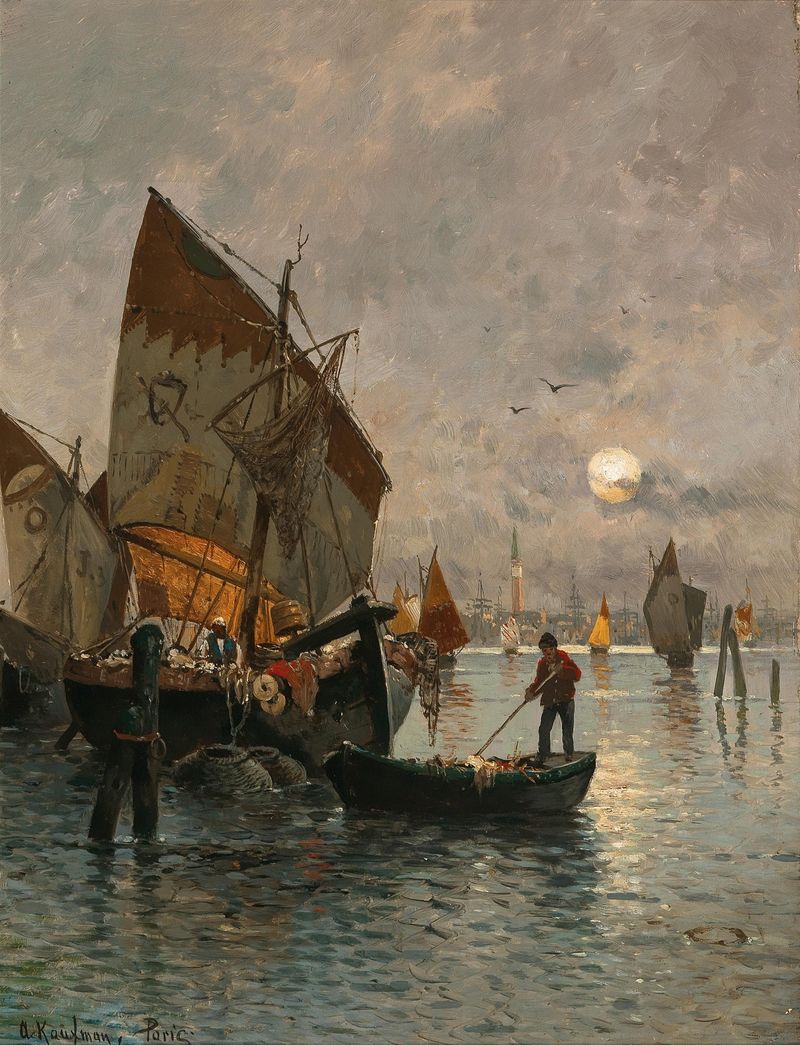
In der Lagune Venedigs
Adolf Kaufmann
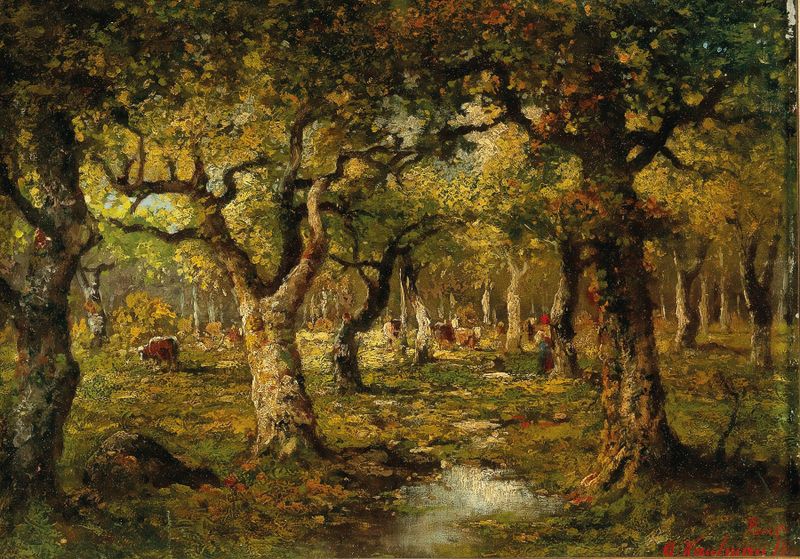
In the Forest of Barbizon
Adolf Kaufmann
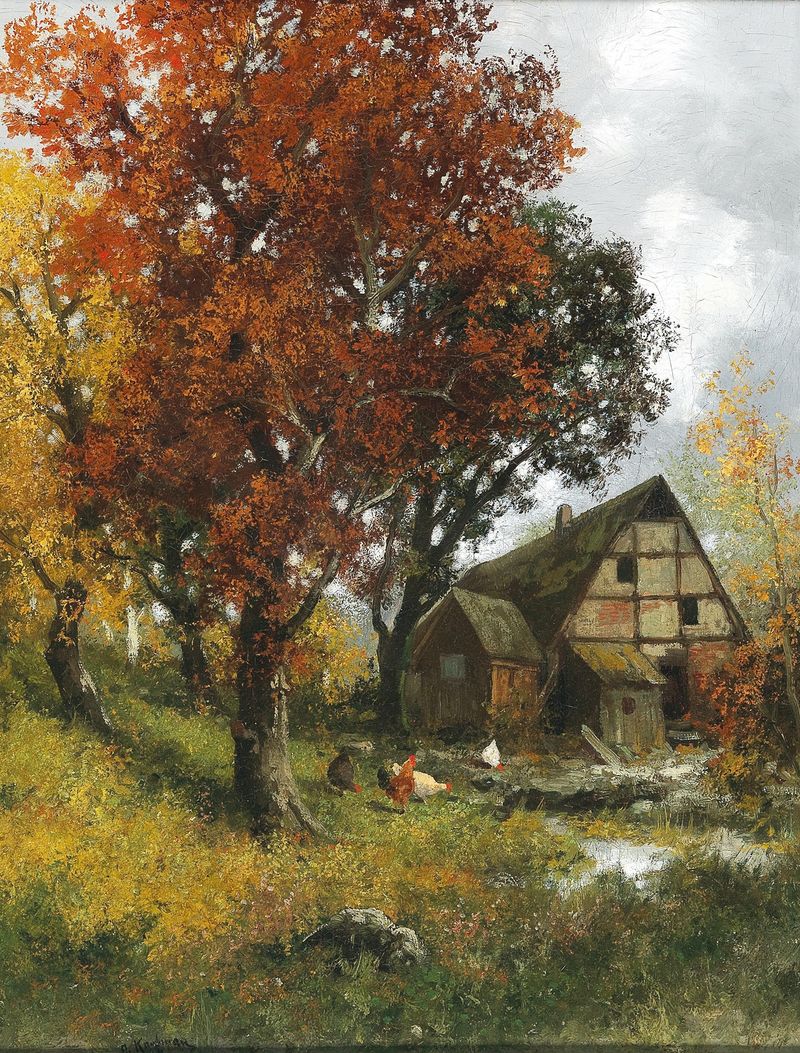
A Mill in an Autumnal Forest
Adolf Kaufmann
Mühle im Herbstwald
Adolf Kaufmann
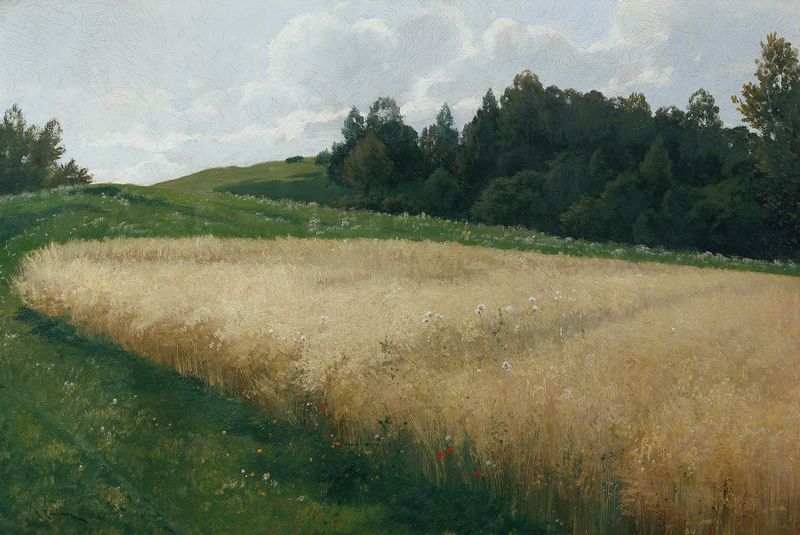
Das Haferfeld
Adolf Kaufmann
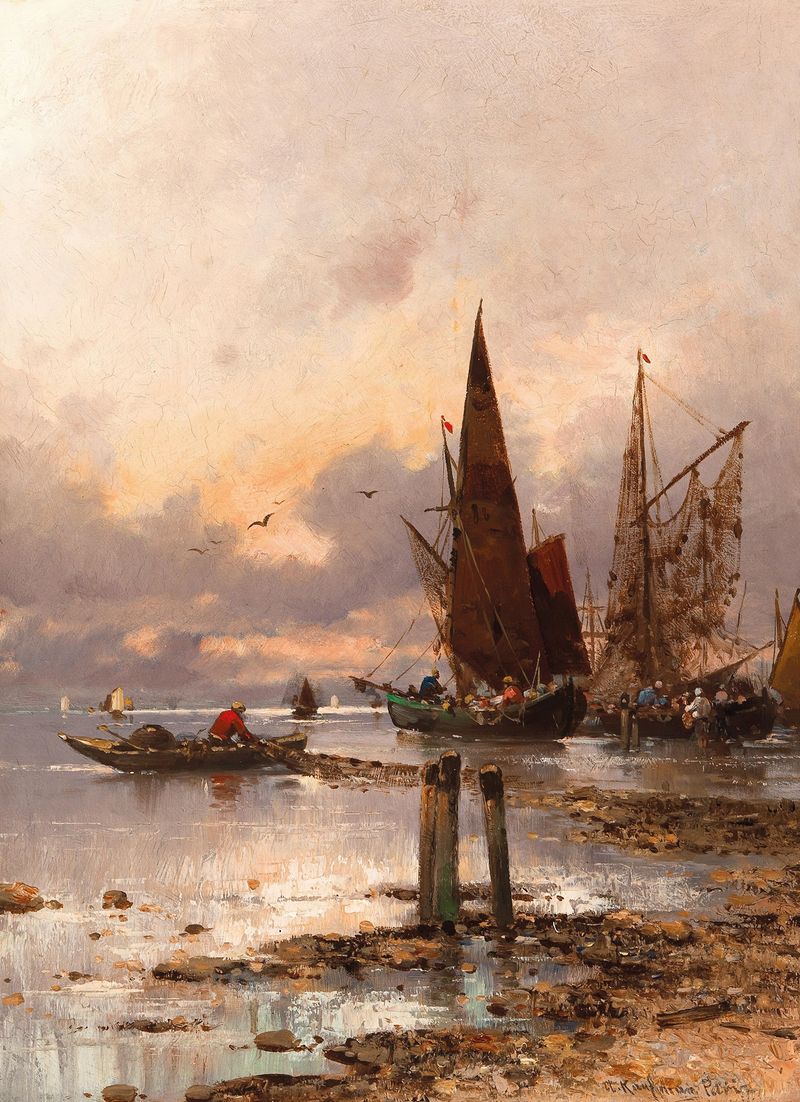
Sonnenuntergang an der griech. Küste
Adolf Kaufmann
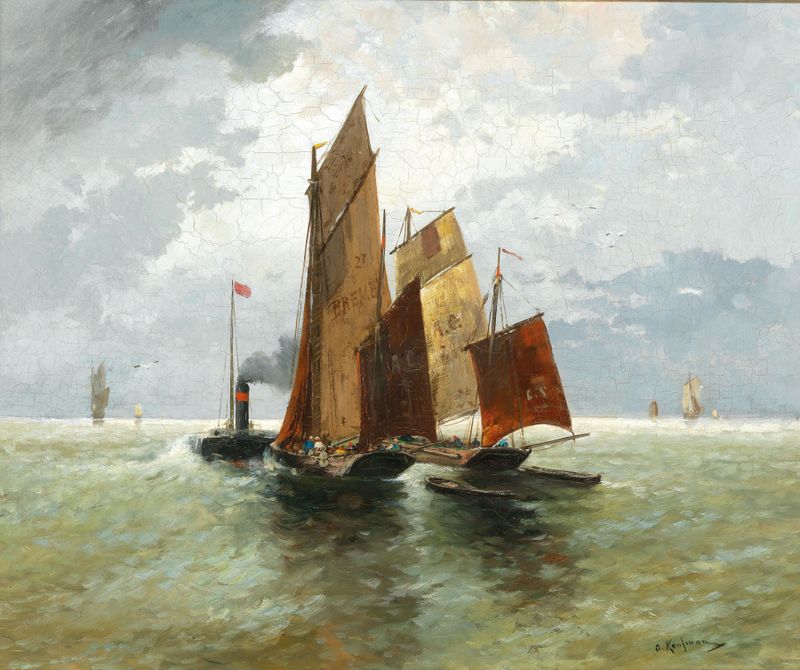
Steamboat and Fishing Boats at Sea
Adolf Kaufmann





