
Sheik Abadeh On The Nile — History & Facts
Can paint confess what words never could? In the swirling colors and vibrant forms of Edward Lear's work, chaos becomes a language of its own. Focus on the central figure, Sheik Abadeh, seated regally amidst the tumultuous landscape. Notice how Lear captures the fluidity of the Nile's waters, their greens and blues contrasting sharply with the warm, earthy tones of the desert. The brushstrokes are both deliberate and free, suggesting the movement of the river, while the figure remains anchored in stillness.
Each element seems to pulse with life, drawing the viewer’s eye around the canvas in a mesmerizing dance of color and texture. Yet, beneath the surface, there lies a deeper tension. The juxtaposition of the Sheik’s calm demeanor against the chaotic backdrop of swirling clouds and restless waters speaks to a larger narrative of contrasts—serenity amid turmoil, tradition in the face of change. The foreground’s vibrant colors hint at the richness of life, while the ominous dark hues approaching from the horizon suggest impending strife.
It invites one to ponder the fragile balance between order and chaos in both nature and society. Lear created this piece at a time when he was exploring the world through his art, often traveling through exotic lands and documenting their richness. Working in the mid-19th century, he was influenced by the burgeoning Romantic movement, which emphasized emotion and individual experience. During this period, Lear’s focus on landscapes and characters reflected not only his travels but also a deep appreciation for the cultural complexities he encountered, allowing him to articulate a world filled with both beauty and tumult.
More Artworks by Edward Lear
Browse all →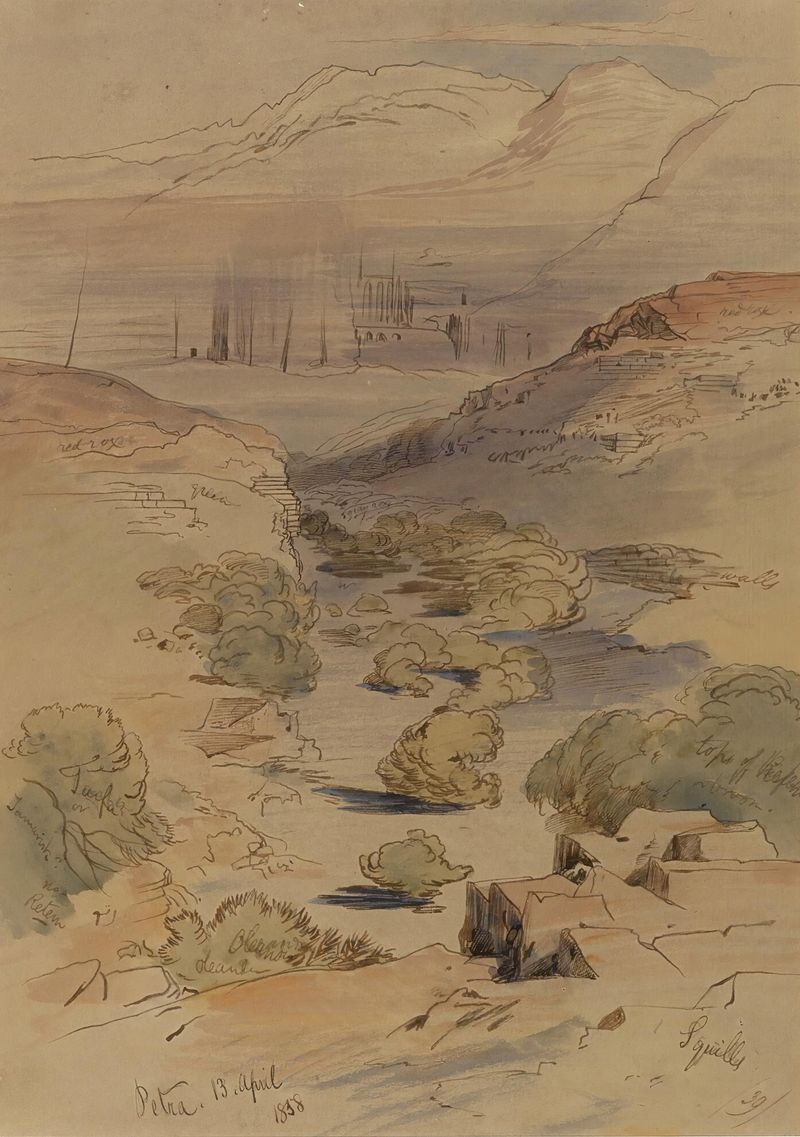
Petra
Edward Lear
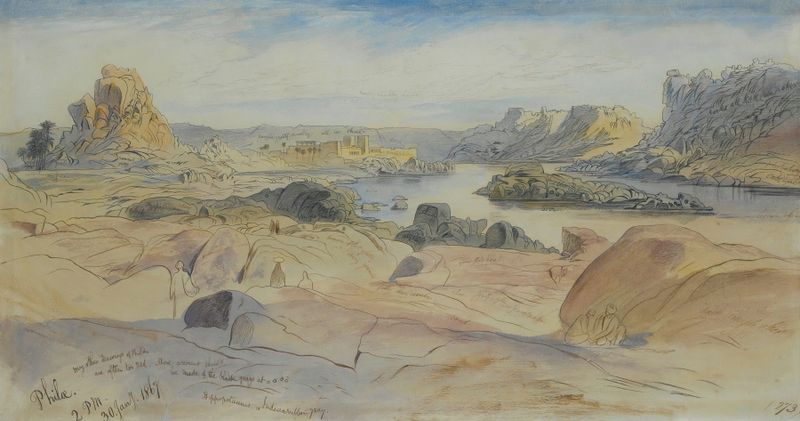
Philae, Egypt
Edward Lear
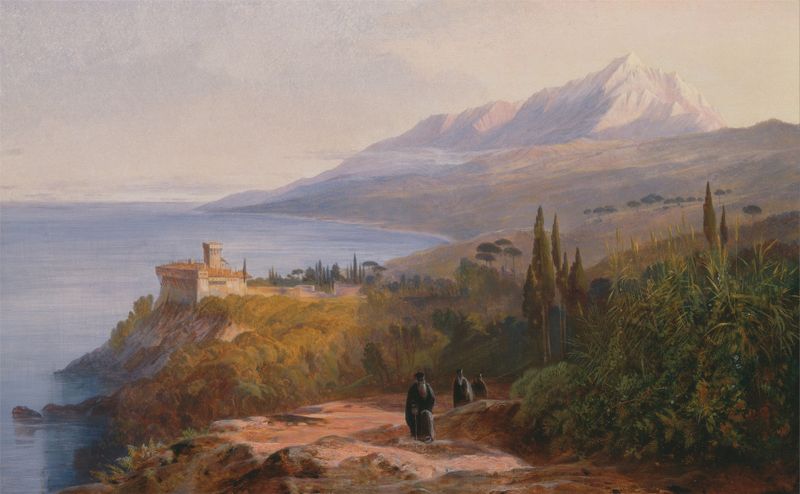
Mount Athos and the Monastery of Stavronikétes
Edward Lear
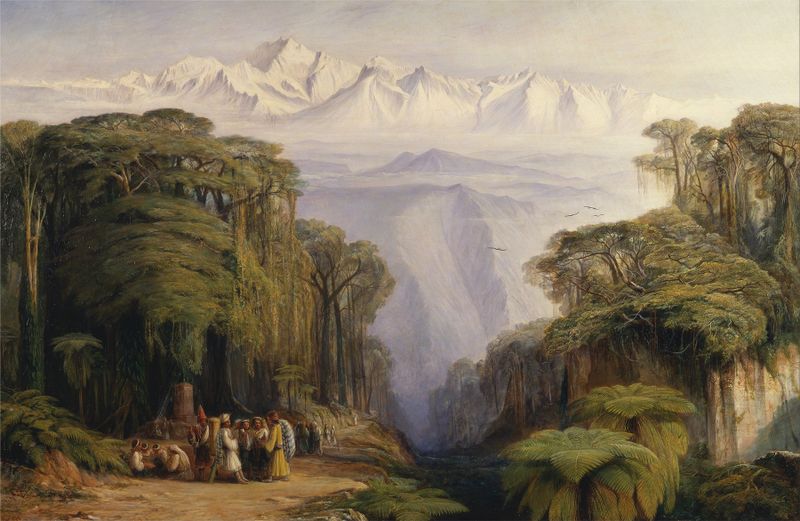
Kangchenjunga from Darjeeling
Edward Lear
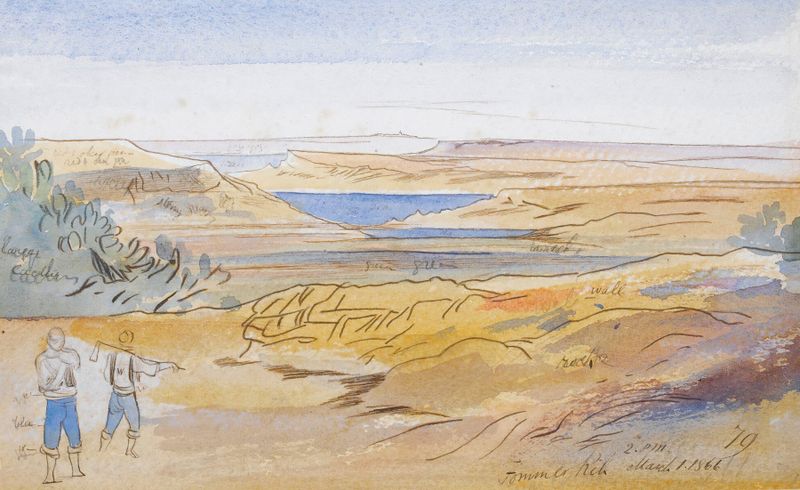
Fomm Ir-Rih, Malta
Edward Lear
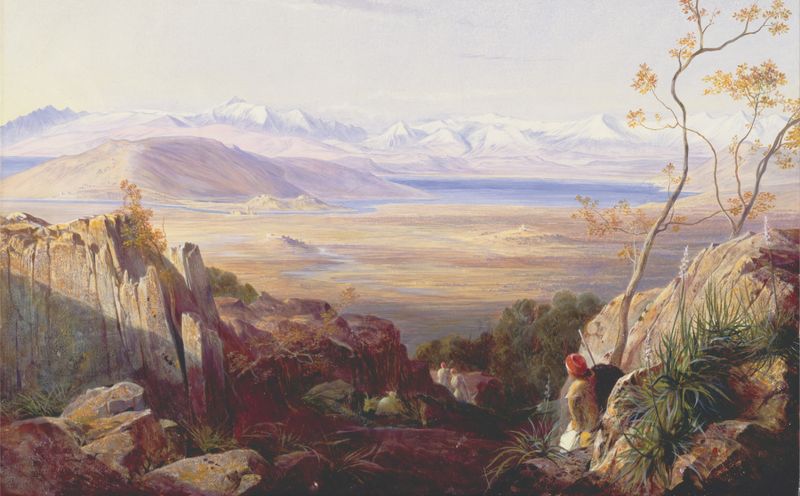
Butrinto, Albania
Edward Lear
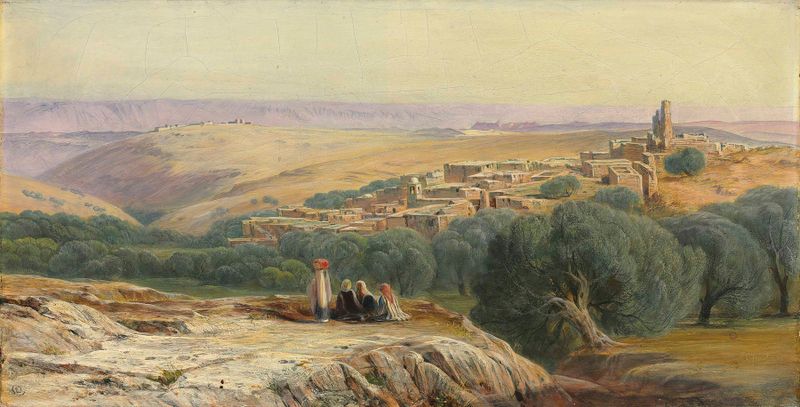
The Plains of Bethany
Edward Lear

Karnak, 9-30 pm, 22 January 1867
Edward Lear
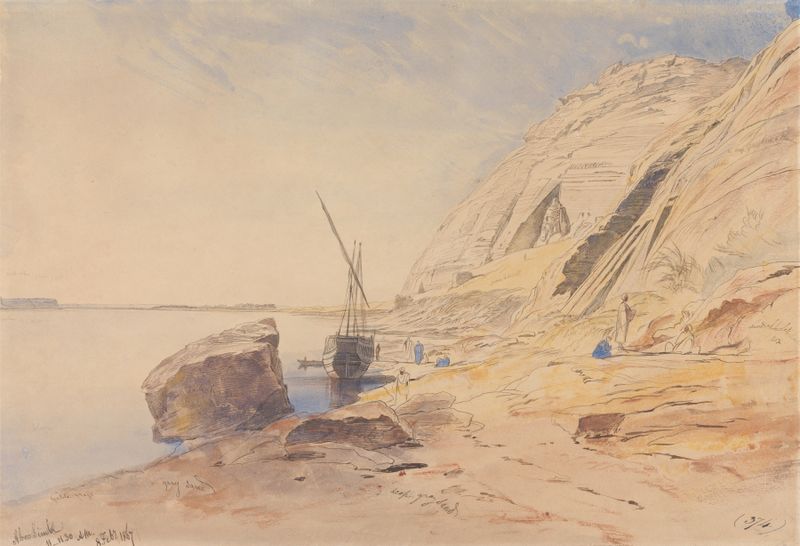
Abu Simbel, 11-11;30 am, 8 February 1867 (374)
Edward Lear

A View Of Mount Athos And The Pantokrator Monastery, Greece
Edward Lear





